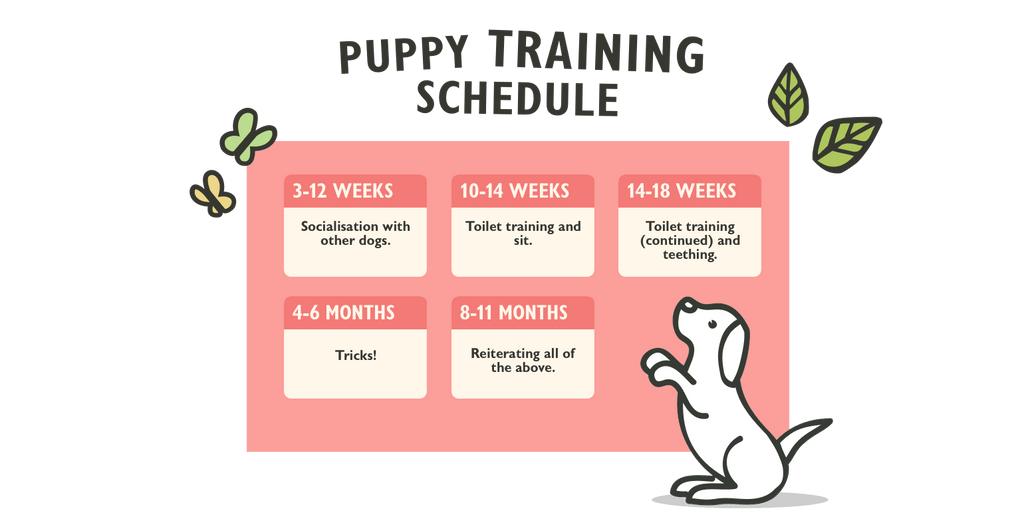
Training your puppy to use the toilet can feel overwhelming, but it doesn’t have to be. Imagine having a happy, well-behaved pup who knows exactly where to go – no more messes or stress for you.
You’re about to discover simple, effective tips that make toilet training easier and faster than you ever thought possible. Keep reading, and soon you’ll enjoy the freedom of a clean home and a confident puppy who’s ready to learn.
Preparing For Training
Toilet training your puppy needs good preparation. It makes the process easier and faster.
Start by setting up a plan. This helps your puppy learn the right habits from the start.
Choosing The Right Spot
Pick a quiet and easy-to-reach place outside for your puppy’s toilet area. This spot should be safe and free from distractions.
Use the same spot every time. Your puppy will learn to associate this place with going to the bathroom.
Gathering Essential Supplies
Have all the supplies ready before you start training. This helps you stay consistent and prepared.
- Leash and collar for control
- Cleaning products for accidents
- Training pads for indoor use
- Treats for rewarding good behavior
- Timer or watch for scheduling
Setting A Consistent Schedule
Set regular times to take your puppy out. Puppies feel more secure with a routine.
| Time of Day | Reason |
| Morning | After waking up |
| After Meals | To prevent accidents |
| Evening | Before bedtime |
| Every 2 Hours | For young puppies |

Credit: www.worcesterdogs.co.uk
Establishing A Routine
Toilet training a puppy needs patience and a clear routine. Puppies learn best with consistent schedules.
Setting a routine helps your puppy know when and where to go potty. This makes training easier for both of you.
Regular Feeding Times
Feed your puppy at the same times every day. This controls when they need to go to the bathroom.
A steady feeding schedule helps your puppy’s digestion stay regular. This makes bathroom breaks more predictable.
- Feed your puppy 2 to 3 times daily
- Avoid feeding late at night
- Use the same type of food consistently
Frequent Bathroom Breaks
Take your puppy outside often, especially after eating, playing, or waking up. Puppies have small bladders.
Frequent trips outside reduce accidents inside the house. Always praise your puppy when they go potty outside.
- Take your puppy out every 1 to 2 hours
- Watch for signs they need to go
- Keep potty spots consistent
Recognizing Puppy Signals
Learn your puppy’s signs when they need to go potty. Common signals include sniffing or circling.
Respond quickly to these signals by taking your puppy outside. This teaches them to ask for bathroom breaks.
- Sniffing the floor or walls
- Walking in circles
- Whining or barking near the door
Positive Reinforcement
Toilet training your puppy is easier with positive reinforcement. Reward good behavior to encourage it.
This method uses treats and praise to help your puppy learn where to go. It avoids fear and builds trust.
Using Treats And Praise
Give your puppy a small treat right after they go potty outside. Use a happy voice to praise them too.
- Choose soft treats that are easy to eat quickly
- Say “Good job!” or “Well done!” with a smile
- Pet your puppy gently as a reward
- Be consistent with the same words and actions
Timing Rewards Effectively
Give rewards immediately after your puppy finishes going potty. Delays can confuse your puppy.
| When to Reward | Why |
| Right after potty | Helps puppy connect action and reward |
| Within 5 seconds | Best time for learning |
| Not before or after | Avoids confusion |
Avoiding Punishment
Do not punish your puppy for accidents. Punishment can cause fear and slow training.
Instead, try these tips:
- Clean accidents calmly without yelling
- Ignore the accident and focus on good behavior
- Keep a regular potty schedule
- Watch for signs your puppy needs to go

Credit: www.dogsavvylosangeles.com
Managing Accidents
Accidents are normal when toilet training a puppy. They help you learn what your puppy needs. Managing these accidents calmly is important for good training.
Cleaning up right and staying patient will help your puppy learn faster. Preventing future accidents is also key to success.
Cleaning Techniques
Clean accidents quickly to stop your puppy from returning to the same spot. Use pet-safe cleaners that remove odors well. Avoid cleaners with ammonia because they can attract your puppy back.
- Blot up urine with paper towels or cloth
- Use enzyme cleaners designed for pet stains
- Air dry the area or use a fan
- Keep the cleaning supplies handy for quick use
Staying Patient And Calm
Do not yell or punish your puppy for accidents. This can cause fear and slow learning. Speak softly and stay calm to encourage good behavior.
Remember that puppies are still learning. Praise and reward them when they go outside. Patience helps build trust and confidence.
Preventing Future Incidents
Watch your puppy for signs they need to go. Take them outside often, especially after eating or sleeping. Create a routine to help them learn faster.
- Use a consistent potty spot outside
- Take your puppy out every 1-2 hours
- Limit access to areas where accidents happen
- Keep a close eye during training sessions
Crate Training Benefits
Crate training helps puppies learn where to go potty. It keeps them safe and calm.
Using a crate makes toilet training easier and faster. It teaches puppies control and routine.
Choosing The Right Crate
Pick a crate that fits your puppy well. It should be big enough to stand and turn around.
A crate too large may let your puppy use one side as a bathroom. Choose the right size.
- Measure your puppy’s length and height
- Leave extra space for comfort
- Consider crates with dividers for growth
Introducing The Crate Comfortably
Make the crate a cozy place for your puppy. Add soft bedding and favorite toys inside.
Let your puppy explore the crate at their own pace. Praise them when they go inside.
- Feed meals near or inside the crate
- Use treats to encourage entry
- Never force your puppy inside
Using Crate Time Wisely
Keep crate time short at first. Gradually increase time as your puppy gets used to it.
Use the crate when you cannot watch your puppy. It prevents accidents and teaches control.
- Take your puppy outside before crate time
- Give a bathroom break after crate time
- Never use the crate for punishment
Credit: trupanion.com.au
Troubleshooting Common Issues
Toilet training your puppy can be challenging. Some puppies face problems that slow progress.
Knowing how to fix common issues helps keep training on track. Patience and consistency are key.
Handling Regression
Puppies may start having accidents after they seemed fully trained. This is called regression.
Stress, changes in routine, or health problems can cause this. Stay calm and avoid punishment.
- Keep a regular schedule for feeding and bathroom breaks
- Clean accident spots with enzyme cleaner to remove odors
- Give extra praise when the puppy goes outside
- Watch for signs of illness and consult a vet if needed
Dealing With Stubbornness
Some puppies resist toilet training and refuse to go outside. This can be frustrating.
Use gentle encouragement and reward good behavior. Do not force or scold your puppy.
- Take your puppy outside often, especially after meals and naps
- Use treats and praise to motivate your puppy
- Make outside time fun with play and affection
- Be patient; stubbornness can fade with time
When To Seek Professional Help
If toilet training problems last more than a few weeks, ask a trainer or vet for help.
Professional help is important for health issues or strong behavior problems. Early support improves results.
- Persistent accidents despite consistent training
- Signs of pain or illness during bathroom attempts
- Strong fear or aggression related to toilet training
- Difficulty understanding or following training steps
Frequently Asked Questions
How Long Does Puppy Toilet Training Usually Take?
Puppy toilet training typically takes 4 to 6 months. Consistency, patience, and positive reinforcement speed up the process. Each puppy learns at a different pace depending on age and breed.
What Is The Best Method For Toilet Training Puppies?
Using a consistent schedule and designated toilet spots works best. Praise and reward your puppy immediately after successful elimination. Avoid punishment to encourage positive behavior.
How Often Should I Take My Puppy Outside To Toilet?
Take your puppy outside every 1-2 hours, especially after meals and naps. Frequent trips reduce accidents and help establish a routine. Always supervise to guide them effectively.
What Are Common Toilet Training Mistakes To Avoid?
Avoid punishing accidents or inconsistent schedules. Not praising good behavior can confuse your puppy. Skipping regular toilet breaks delays training progress and causes setbacks.
Conclusion
Toilet training your puppy takes patience and consistency. Celebrate small wins daily. Keep a regular schedule. Use positive reinforcement to encourage good behavior. Mistakes will happen, so stay calm and patient. Always clean accidents thoroughly to avoid future mishaps. With time, your puppy will learn.
A well-trained puppy is a joy to live with. Remember, every dog learns at its own pace. Stay committed, and you’ll succeed in teaching this important skill. Happy training!

Emily Barker is the founder of ChillDogLife.com, a space dedicated to helping pup parents discover the best dog products, lifestyle tips, and cozy ideas for happier homes.
A lifelong dog lover, Emily combines her passion for pets with a knack for research to share trusted recommendations on everything from toys and furniture to health and everyday care.
Her goal is simple: to make life easier, stylish, and more joyful for dogs and the people who love them.




