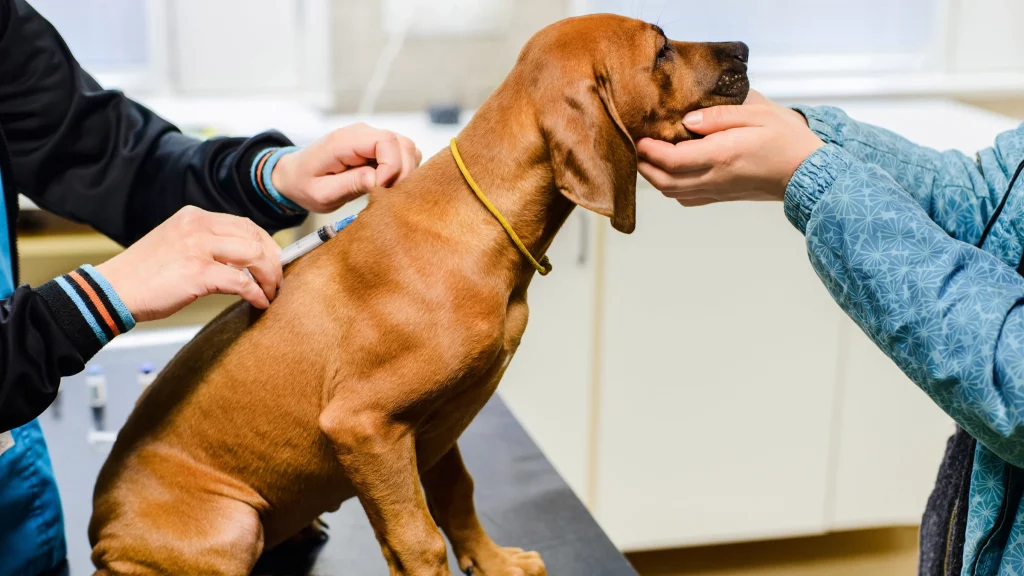
You’ve probably done everything right to keep your dog healthy, including getting them vaccinated. But then you wonder—can your furry friend still catch kennel cough even after vaccination?
It’s a question that worries many dog owners, especially when their pet starts showing signs of a cough or sniffle. Understanding how kennel cough works and what vaccines can and can’t do will help you protect your dog better. Keep reading to find out what you need to know to keep your best friend safe and sound.

Credit: www.forestvets.com
What Is Kennel Cough
Kennel coughis a common respiratory infection in dogs that causes a harsh, persistent cough. It’s highly contagious and can spread quickly in places where dogs gather, like kennels, dog parks, or grooming salons. Understanding what kennel cough is helps you recognize it early and protect your furry friend effectively.
Common Symptoms
Most dogs with kennel cough develop a dry, hacking cough that sounds like something is stuck in their throat. You might notice your dog coughing more after exercise or excitement. Other signs include:
- Runny nose
- Sneezing
- Watery eyes
- Loss of appetite in some cases
Sometimes, dogs may seem perfectly fine except for the cough, which makes it easy to miss until it gets worse. Have you ever noticed your dog coughing after a visit to a busy park?
How It Spreads
Kennel cough spreads through airborne droplets when an infected dog coughs or sneezes. It can also spread through direct contact with contaminated surfaces like food bowls, toys, or kennel walls. This is why even vaccinated dogs can catch it if exposed to a strong source.
Close quarters increase the risk, so places with many dogs are hotspots for transmission. You can reduce your dog’s risk by avoiding crowded dog areas during outbreaks and keeping their environment clean. Do you know where your dog might be picking up germs during social play?
Credit: zigly.com
Vaccines For Kennel Cough
Vaccines help protect dogs from kennel cough but do not guarantee full immunity. Dogs can still catch a mild form of the illness even if vaccinated. Vaccination reduces severity and spreads in places like kennels or parks.
Vaccines for kennel cough are a critical tool in ensuring your dog’s health and well-being. While they provide significant protection, it’s essential to understand how these vaccines work and their limitations. With the right knowledge, you can make informed decisions about your dog’s health.Types Of Vaccines
There are primarily two types of vaccines available for kennel cough: injectable and intranasal. – Injectable vaccines are administered via a shot and are often combined with other vaccines like those for distemper and parvovirus. – Intranasal vaccines are sprayed directly into your dog’s nose, providing localized immunity. Both types aim to protect against the Bordetella bacterium, a common cause of kennel cough. It’s crucial to discuss with your vet which type is best for your dog based on their lifestyle and health.How Vaccines Work
Vaccines work by stimulating your dog’s immune system to recognize and fight off the pathogens that cause kennel cough. When vaccinated, your dog is exposed to a small, harmless amount of the virus or bacteria, prompting the immune system to produce antibodies. These antibodies help protect your dog if they are later exposed to the actual disease. However, no vaccine is 100% effective. Some dogs might still contract kennel cough, but the symptoms are usually milder and resolve faster. Have you ever wondered why some vaccinated dogs still get sick? It’s often due to the many strains of the Bordetella bacterium or other factors like stress or a compromised immune system. Understanding the types of vaccines and how they work can empower you to make the best choices for your furry friend. Always consult with your veterinarian to ensure your dog’s vaccination schedule is up-to-date and tailored to their specific needs.Effectiveness Of Vaccination
Vaccination plays a crucial role in protecting dogs from kennel cough, but it’s important to understand exactly how effective these vaccines are. While vaccines significantly reduce the risk of infection, they do not guarantee complete immunity. Knowing what to expect from vaccination helps you make better decisions for your dog’s health.
Protection Level
Vaccines for kennel cough help your dog build immunity against some of the most common bacteria and viruses that cause the illness. They often reduce the severity of symptoms if your dog does get infected. For example, a vaccinated dog might still cough but recover faster and avoid serious complications.
Keep in mind, protection varies depending on the type of vaccine used and your dog’s overall health. Some vaccines target Bordetella bronchiseptica, while others also cover parainfluenza or adenovirus. This means your dog could be protected against certain strains but still vulnerable to others.
Limitations Of Vaccines
Vaccines don’t cover every cause of kennel cough, so your dog can still catch a different strain or a variant. Also, immunity takes time to develop after vaccination—usually a couple of weeks—so your dog isn’t immediately protected. Have you noticed that sometimes your dog still gets sick after vaccines? This is why.
Another limitation is the vaccine’s duration of effectiveness, which varies. Some need yearly boosters to maintain protection. Without regular boosters, the vaccine’s defense weakens, leaving your dog at risk again.
Understanding these limits helps you stay vigilant. Even with vaccination, avoid crowded places like dog parks during outbreaks and watch for symptoms. Vaccination is a powerful tool but not a free pass to ignore other precautions.

Credit: bestforpet.co.nz
Why Vaccinated Dogs Can Still Get Kennel Cough
Vaccinated dogs can still catch kennel cough despite having protection. The vaccine lowers the risk but does not guarantee full immunity. Several reasons explain why vaccinated dogs might get sick. Understanding these helps owners manage expectations and care better.
Vaccine Strain Differences
Vaccines target specific strains of the kennel cough bacteria or virus. Different strains can cause the illness. A vaccine may not cover all possible strains. Dogs can get infected by a strain not included in their vaccine. This means the vaccine helps but is not foolproof. New or rare strains may also evade vaccine protection.
Immune System Variations
Each dog’s immune system reacts differently to vaccines. Some dogs build strong defenses, others do not. Age, health, and genetics affect immune response. Puppies and older dogs may have weaker immunity. Stress and poor nutrition can reduce vaccine effectiveness. Even vaccinated dogs might not fight off kennel cough fully.
Preventing Kennel Cough Beyond Vaccination
Vaccination helps lower the risk of kennel cough but does not fully prevent it. Some dogs still catch it despite vaccines. Preventing kennel cough needs more than shots. Careful habits and environment control play big roles in keeping dogs safe and healthy.
Hygiene Practices
Cleanliness is key to stopping kennel cough spread. Wash your dog’s paws and coat after walks or playtime outside. Regularly clean food bowls, water dishes, and toys. Use disinfectants safe for pets to kill germs. Avoid sharing items between dogs to reduce infection risk. Good hygiene lowers bacteria and virus buildup in your dog’s space.
Avoiding High-risk Environments
Keep dogs away from crowded places like dog parks and boarding kennels during outbreaks. Avoid close contact with coughing or sick dogs. Choose quiet spots for walks to reduce exposure. Limit visits to places with many unfamiliar dogs. Reducing contact with infected dogs helps prevent kennel cough. Observe your dog for signs of illness after social events.
When To See A Vet
Knowing when to see a vet is important if your dog shows signs of kennel cough. Vaccinated dogs can still catch this illness, so careful observation is key. Early vet visits help prevent complications and speed recovery.
Recognizing Severe Symptoms
Watch for symptoms beyond a simple cough. Seek vet help if your dog has:
- Persistent coughing lasting more than two weeks
- Difficulty breathing or rapid breathing
- Lethargy or weakness
- Loss of appetite or vomiting
- High fever above 103°F (39.4°C)
- Wheezing or unusual sounds when breathing
These signs suggest the infection is serious or may have spread.
Treatment Options
The vet will diagnose kennel cough and decide treatment. Common options include:
- Antibiotics to fight bacterial infection
- Cough suppressants to ease severe coughing
- Anti-inflammatory medicines to reduce airway swelling
- Rest and isolation to prevent spreading
- Oxygen therapy in severe respiratory cases
Early treatment improves outcomes and shortens illness duration.
Frequently Asked Questions
Can Vaccinated Dogs Still Get Kennel Cough?
Yes, vaccinated dogs can still get kennel cough. Vaccines reduce severity and duration but don’t guarantee full immunity. Exposure to infected dogs or environments increases risk.
How Effective Is The Kennel Cough Vaccine?
The kennel cough vaccine is about 70-90% effective. It helps prevent severe symptoms but may not stop mild infections. Regular vaccination is important for protection.
When Should A Dog Get The Kennel Cough Vaccine?
Dogs should get the kennel cough vaccine annually or before exposure to high-risk places. Puppies often get the vaccine starting at six to eight weeks old.
What Are The Symptoms Of Kennel Cough In Vaccinated Dogs?
Symptoms include a persistent dry cough, gagging, sneezing, and mild lethargy. Vaccinated dogs usually show milder symptoms compared to unvaccinated ones.
Conclusion
Vaccinated dogs can still catch kennel cough, but chances are lower. Vaccines help reduce symptoms and speed up recovery. Good hygiene and avoiding crowded places protect your dog better. Watch for signs like coughing or sneezing. Early vet care keeps your dog healthy.
Vaccination is one part of keeping your dog safe. Stay informed and take simple steps to prevent illness. Your dog deserves the best care every day.

Emily Barker is the founder of ChillDogLife.com, a space dedicated to helping pup parents discover the best dog products, lifestyle tips, and cozy ideas for happier homes.
A lifelong dog lover, Emily combines her passion for pets with a knack for research to share trusted recommendations on everything from toys and furniture to health and everyday care.
Her goal is simple: to make life easier, stylish, and more joyful for dogs and the people who love them.




