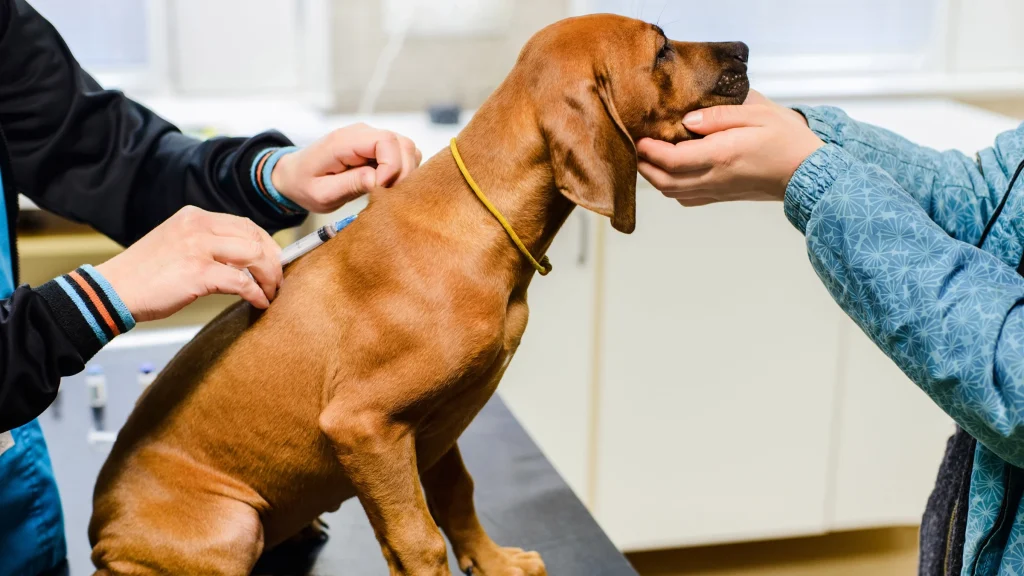
Is your dog coughing more than usual? You might be wondering, “Does my dog have kennel cough?”
It’s a common concern for many pet owners because kennel cough can look like a simple cold but may need special care. Knowing the signs early can help you protect your furry friend and avoid spreading it to other dogs.
Keep reading to learn how to spot kennel cough, what to do next, and how to keep your dog healthy and happy.
Symptoms Of Kennel Cough
Recognizing the symptoms of kennel cough early can make a big difference in your dog’s comfort and recovery. This contagious respiratory infection often shows up with signs that are easy to spot if you know what to watch for. Paying close attention to these symptoms helps you decide when it’s time to visit your vet.
Persistent Coughing
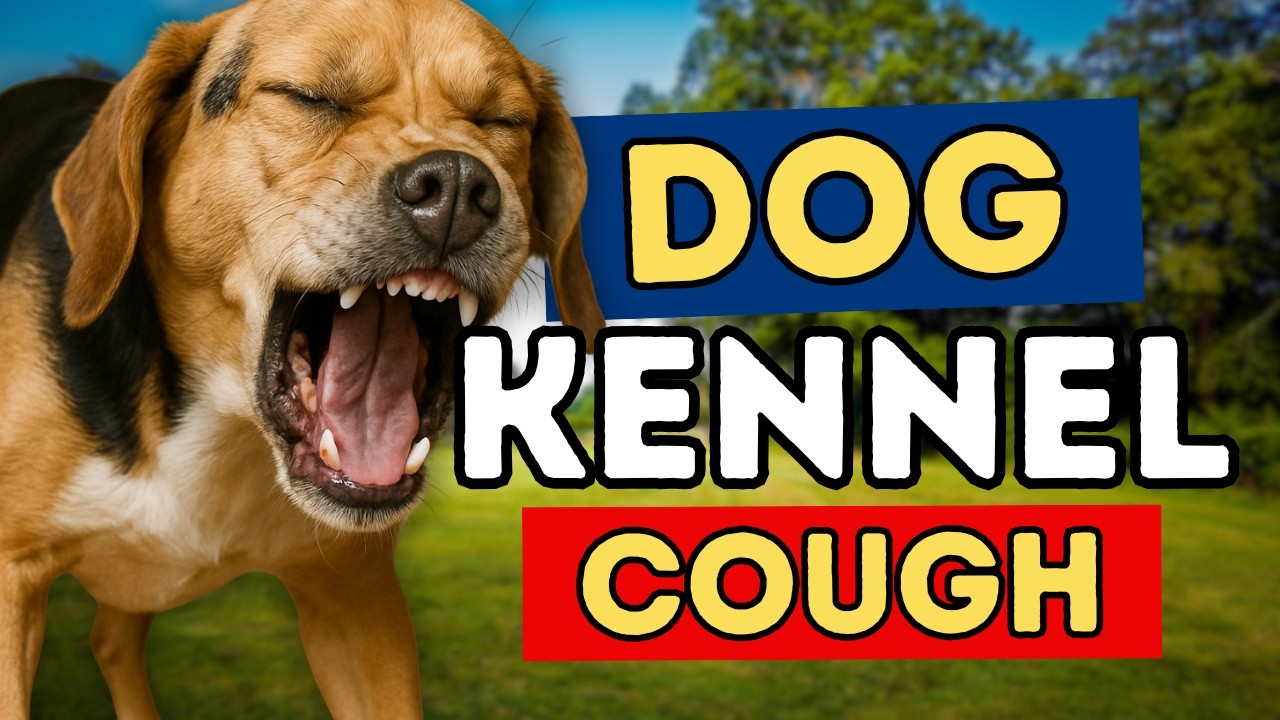
The most common sign of kennel cough is a dry, hacking cough that won’t go away. It often sounds like your dog is trying to clear something stuck in their throat. If your dog’s cough lingers for more than a few days or worsens, it’s a red flag you shouldn’t ignore.
Sneezing And Nasal Discharge
Along with coughing, sneezing can indicate kennel cough, especially if it’s frequent. You might also notice a clear or slightly cloudy discharge from your dog’s nose. These symptoms suggest your dog’s respiratory system is irritated and fighting off an infection.
Lethargy And Reduced Appetite
Dogs with kennel cough often seem unusually tired and less interested in food. This drop in energy and appetite happens because their body is using extra energy to fight the illness. Have you noticed your dog sleeping more than usual or skipping meals? That’s a sign to keep a closer eye on their health.
Wheezing And Gagging
Some dogs with kennel cough experience wheezing sounds when they breathe or episodes of gagging. This happens because their airways are inflamed and more sensitive. If your dog is struggling to breathe or frequently gagging, you should consult your vet immediately.
Credit: zigly.com
Common Causes
Understanding the common causes of kennel cough can help you protect your dog from this contagious respiratory illness. It’s not just about where your dog goes, but also about what they encounter and how their environment affects their health. Let’s look closely at the main factors that contribute to kennel cough.
Infectious Agents
Kennel cough is caused by a combination of viruses and bacteria. The most common culprit is Bordetella bronchiseptica, a bacteria that attaches to your dog’s airways, causing irritation and coughing. Other viruses like canine parainfluenza and adenovirus can also weaken your dog’s respiratory defenses, making infection easier.
Have you ever noticed how your dog’s symptoms spike after visiting certain places? It might be the infectious agents they picked up there.
Exposure To Other Dogs
Dogs that spend time in social settings like dog parks, grooming salons, or boarding kennels are at higher risk. Close contact with other dogs increases the chance of catching kennel cough, especially if one of them is already sick. Even a brief encounter with an infected dog can spread the illness.
Think about your dog’s recent outings—have they been around many dogs lately? This could be a key factor in why they’re coughing.
Poor Ventilation And Crowded Spaces
Places with poor airflow and too many dogs packed together create the perfect storm for kennel cough. Germs linger longer in stagnant air, increasing the risk of infection. Crowding means more coughing dogs and more germs being passed around.
Does your dog’s daycare or boarding facility have good ventilation? If not, it might be time to ask questions or find a better option.
Stress And Weakened Immunity
Stress from travel, new environments, or changes in routine can weaken your dog’s immune system. When immunity drops, your dog becomes more vulnerable to infections like kennel cough. Puppies, seniors, and dogs with existing health issues are especially at risk.
Have you noticed your dog getting sick more often after stressful events? Managing stress could be a key to keeping kennel cough at bay.
Home Remedies
Home remedies can help ease your dog’s kennel cough symptoms. These remedies support recovery and comfort your pet. They work best alongside any advice from your vet. Simple care at home can reduce coughing and irritation.
Hydration And Rest
Keep your dog well hydrated. Fresh water helps soothe the throat and thin mucus. Encourage your dog to drink often. Rest is crucial for healing. Provide a quiet, comfortable space. Avoid too much activity to prevent coughing fits.
Using A Humidifier
Dry air can worsen coughing. Using a humidifier adds moisture to the air. This helps reduce throat irritation. Place the humidifier near your dog’s resting area. Make sure the room is not too hot or cold. Steam from a shower can work if a humidifier is not available.
Honey And Natural Soothers
Honey can calm your dog’s throat. A small amount of honey may reduce coughing. Use only plain, natural honey. Avoid giving honey to puppies under one year. Other natural soothers include pumpkin puree or slippery elm, which coat the throat gently.
Avoiding Irritants
Keep your dog away from smoke, strong perfumes, and dust. These irritants make coughing worse. Clean your dog’s bedding regularly. Use mild cleaning products with no strong smells. Avoid crowded places where your dog could catch more infections.
When To See A Vet
Knowing when to see a vet for kennel cough is crucial to protect your dog’s health. While many cases improve on their own, some signs mean it’s time to get professional help. Paying attention to your dog’s behavior and symptoms can make a big difference in how quickly they recover.
Signs Of Severe Illness
Watch for persistent coughing that worsens or sounds like choking. If your dog struggles to breathe, seems very weak, or has a high fever, these are warning signs. Also, if your pet stops eating or drinking, don’t wait—contact your vet immediately.
Duration Of Symptoms
Coughing from kennel cough typically lasts about two to three weeks. If your dog’s symptoms continue beyond this or get worse after initial improvement, it’s time to seek veterinary advice. Lingering symptoms can indicate a secondary infection or other complications.
Complications To Watch For
Some dogs develop pneumonia or other serious lung infections after kennel cough. Look for rapid breathing, lethargy, or a bluish tint to gums and tongue. These signs require urgent veterinary care to prevent long-term damage.
Veterinary Treatments Available
Your vet might prescribe antibiotics if a bacterial infection is suspected. They can also recommend cough suppressants or anti-inflammatory medications to ease your dog’s discomfort. In severe cases, hospitalization and oxygen therapy might be necessary to help your pet recover fully.
Prevention Tips
Preventing kennel cough in your dog requires a proactive approach. You can reduce the risk by understanding key prevention strategies that fit your dog’s lifestyle. These simple steps help keep your furry friend safe and healthy.
Vaccination Options
Vaccines play a crucial role in protecting your dog against kennel cough. Ask your vet about available vaccines, including intranasal and injectable types. Each targets different bacteria and viruses, so combining them might offer better protection.
Vaccination isn’t a one-time fix. Regular booster shots are essential to maintain immunity over time. Have you checked your dog’s vaccine schedule lately?
Limiting Exposure Risks
Keep your dog away from crowded places like dog parks or boarding kennels during outbreaks. Avoid close contact with dogs showing coughing or sneezing symptoms. Even a quick sniff can spread germs.
Think about your dog’s daily routine. Could you adjust walks or playdates to safer environments? Small changes can make a big difference in exposure risk.
Maintaining Clean Environments
Cleanliness reduces the chance of infection spreading in your home and yard. Wash your dog’s bedding, toys, and bowls frequently with hot water and pet-safe detergent. Germs can linger on surfaces longer than you expect.
If your dog visits daycare or grooming centers, ask about their sanitation practices. A clean environment protects all dogs, not just yours.
Boosting Your Dog’s Immunity
A strong immune system helps your dog fight off infections naturally. Feed a balanced diet rich in vitamins and minerals, and ensure plenty of fresh water. Regular exercise also supports immune health.
Have you noticed how your dog’s energy changes with diet or activity? Paying attention to these signs can help you spot when their immunity might be dipping.
Credit: www.youtube.com
.png)
Credit: drfrommdvm.com
Frequently Asked Questions
What Are The Symptoms Of Kennel Cough In Dogs?
Kennel cough symptoms include a persistent, dry cough, sneezing, and nasal discharge. Your dog may also experience a mild fever and lethargy. In some cases, a decrease in appetite can occur. If you notice these signs, it’s advisable to consult a veterinarian for a proper diagnosis and treatment plan.
How Do Dogs Contract Kennel Cough?
Dogs typically contract kennel cough through direct contact with infected dogs. It can spread through shared food bowls, toys, or exposure to contaminated environments like kennels and parks. The bacteria or virus causing kennel cough is airborne, making it highly contagious among dogs in close proximity.
Is Kennel Cough Dangerous For My Dog?
Kennel cough is usually not dangerous for healthy dogs. However, it can lead to more severe respiratory issues in puppies, older dogs, or those with weakened immune systems. If symptoms persist or worsen, consult your veterinarian for appropriate treatment to prevent complications.
Can Kennel Cough Be Prevented In Dogs?
Yes, kennel cough can be prevented through vaccination. Regular vaccination helps protect your dog from the most common strains. It’s also important to maintain good hygiene and avoid exposing your dog to infected animals. Consult your veterinarian about the best preventive measures for your pet.
Conclusion
Kennel cough can make your dog uncomfortable and tired. Watch for coughing, sneezing, or a runny nose. Keep your dog away from other dogs if sick. Visit a vet for proper advice and treatment. Rest and care help your dog heal faster.
Early action can stop the illness from getting worse. Protect your dog by knowing the signs well. Your dog’s health depends on your quick response. Stay calm and act wisely to help your furry friend.

Emily Barker is the founder of ChillDogLife.com, a space dedicated to helping pup parents discover the best dog products, lifestyle tips, and cozy ideas for happier homes.
A lifelong dog lover, Emily combines her passion for pets with a knack for research to share trusted recommendations on everything from toys and furniture to health and everyday care.
Her goal is simple: to make life easier, stylish, and more joyful for dogs and the people who love them.




