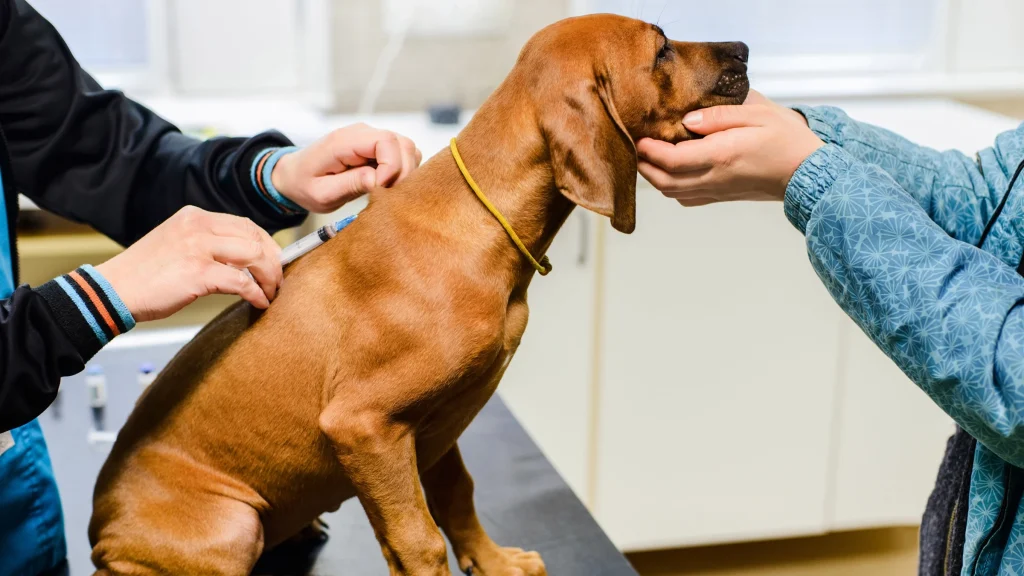
Have you noticed your dog coughing or gagging lately? You might be wondering, “How does my dog get kennel cough?” Understanding how this common but contagious illness spreads can help you protect your furry friend.
Whether your dog loves socializing at the park, visiting boarding kennels, or simply meeting other dogs, knowing the causes and risks is key to keeping them healthy. Keep reading to discover what puts your dog at risk and how you can stop kennel cough before it starts.
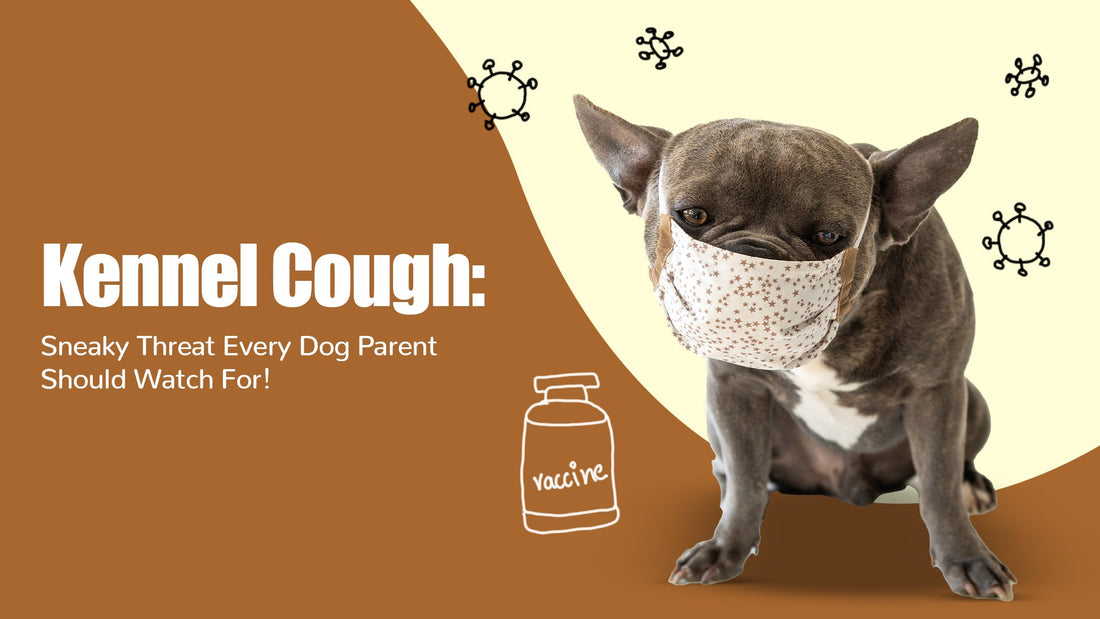
Credit: zigly.com
What Is Kennel Cough
Kennel cough is a common respiratory infection in dogs. It affects the throat and windpipe, causing a harsh cough. Many dogs catch this illness, especially in places with many dogs close together.
This infection spreads easily. It is similar to a cold in humans but usually is not very dangerous. Most dogs recover quickly with rest and care.
What Causes Kennel Cough?
Kennel cough happens from viruses and bacteria. The most common cause is the bacterium called Bordetella bronchiseptica. Other viruses can also cause or worsen it.
How Does Kennel Cough Spread?
The infection spreads through air when dogs cough or sneeze. It also spreads by direct contact with infected dogs or contaminated surfaces. Places like kennels and dog parks are high-risk areas.
Who Can Get Kennel Cough?
Any dog can get kennel cough. Puppies and older dogs are more at risk. Dogs in crowded or stressful environments catch it more often.
Common Causes
Understanding the common causes of kennel cough is key to preventing your dog from catching this contagious illness. Whether it’s a playful romp at the dog park or a stay at a boarding facility, knowing the factors involved can help you keep your furry friend healthy. Let’s dive into the main causes of this condition.
Bacterial Infections
Bacterial infections are a frequent culprit behind kennel cough. Bordetella bronchiseptica is the primary bacterium responsible. If your dog mingles with others that carry this bacterium, the risk of infection increases. It’s much like how a cold spreads among humans in crowded places. Have you ever noticed how quickly a cough can go around at a family gathering? The same principle applies here.
Viral Infections
Viruses also play a significant role in the spread of kennel cough. Canine parainfluenza virus and canine adenovirus are two common viruses that contribute to this condition. When your dog is in close proximity to an infected dog, these viruses can easily transfer. Just like how flu season affects us, these viruses can be particularly rampant during certain times of the year.
Environmental Factors
Environmental factors can make your dog more susceptible to kennel cough. Crowded places like shelters, dog parks, and kennels with poor ventilation can increase the likelihood of transmission. Think about how stuffy rooms make it easier for germs to linger. Regularly airing out spaces and maintaining cleanliness can help reduce this risk. Does your dog spend time in crowded areas? Consider how you can make those environments safer.
How Dogs Catch It
Kennel cough spreads easily among dogs. It is a contagious respiratory infection. Understanding how dogs catch it helps protect your pet. The infection passes through close contact and shared environments.
Direct Contact
Dogs catch kennel cough by touching other infected dogs. Sniffing, playing, or licking spreads germs quickly. Close contact allows bacteria and viruses to transfer easily. Dogs in crowded places face higher risks.
Airborne Transmission
Coughing and sneezing release tiny droplets into the air. Healthy dogs breathe these droplets and get infected. Airborne germs can travel several feet. This makes kennel cough highly contagious in kennels and parks.
Contaminated Surfaces
Germs live on surfaces like bowls, toys, and bedding. Dogs touch these surfaces and pick up the infection. Shared items in kennels or daycare centers spread kennel cough fast. Regular cleaning helps reduce this risk.
.png)
Credit: drfrommdvm.com
Recognizing Symptoms
Recognizing the symptoms of kennel cough early helps protect your dog’s health. This contagious illness affects the respiratory system. Noticing signs quickly can lead to better care and faster recovery.
Persistent Cough
The most common sign is a harsh, dry cough. It often sounds like a honking noise. The cough may last for weeks and worsen with excitement or exercise. Watch if your dog gags or retches after coughing.
Sneezing And Runny Nose
Sneezing happens as the infection irritates the nose. A clear or cloudy discharge may come from the nostrils. These symptoms show that the respiratory tract is inflamed. They often appear before or along with coughing.
Lethargy And Loss Of Appetite
Your dog may seem tired and less playful. Energy levels drop as the body fights infection. Eating less is common because the dog feels unwell. These signs mean your dog needs rest and possibly vet care.
Diagnosing Kennel Cough
Diagnosing kennel cough in your dog requires careful observation and professional insight. The symptoms can mimic other respiratory issues, so pinpointing the cause is crucial for effective treatment. Knowing what to expect during diagnosis can help you feel more confident when visiting the vet.
Veterinary Examination
Your vet will start by asking about your dog’s recent activities and exposure to other dogs. They’ll listen closely to your dog’s breathing and cough sounds using a stethoscope. This hands-on check helps identify signs of irritation or infection in the airways.
Sometimes, your vet might check your dog’s temperature and look for other symptoms like nasal discharge or swollen lymph nodes. These clues help build a clear picture of your dog’s health. Have you noticed if your dog’s cough worsens after exercise or excitement? Sharing details like this can guide the vet’s assessment.
Diagnostic Tests
If the vet needs more information, they may suggest diagnostic tests to confirm kennel cough. A common test is a throat swab, where a small sample is taken to detect bacteria or viruses causing the cough.
Chest X-rays might be recommended if the cough is severe or persistent, to check for complications like pneumonia. Blood tests can also reveal if your dog’s immune system is fighting an infection.
Understanding these tests can ease your worries. Would you feel more prepared if your vet explained each step before proceeding? Don’t hesitate to ask questions; knowing what’s happening helps you care better for your furry friend.
Treatment Options
Treating kennel cough quickly helps your dog feel better. It lowers the chance of spreading the illness. Treatment depends on how bad the symptoms are. Mild cases may only need simple care. Severe cases might require medicines from a vet. Follow all advice carefully for the best results.
Medications
Veterinarians often prescribe medicines to ease symptoms. Antibiotics help fight bacterial infections that cause coughing. Cough suppressants reduce the urge to cough, allowing rest. Some dogs might need anti-inflammatory drugs to ease throat pain. Always give medicines as directed. Never use human cough medicines on dogs.
Home Care Tips
- Keep your dog in a quiet and warm place.
- Provide plenty of fresh water to stay hydrated.
- Avoid smoky or dusty areas that may irritate the throat.
- Use a humidifier or sit with your dog in a steamy bathroom.
- Limit exercise to prevent worsening cough.
- Clean bedding and toys to reduce germs.
- Separate your dog from other pets during recovery.
Preventive Measures
Preventing kennel cough requires a mix of smart actions you can take daily. It’s not about avoiding all outdoor fun but about making choices that keep your dog safer. Taking simple steps can reduce your dog’s risk of catching this irritating infection.
Vaccination
Vaccination is a key defense against kennel cough. Talk to your vet about the right vaccines for your dog’s lifestyle. Some vaccines target the main bacteria and viruses that cause kennel cough.
Keep the vaccination schedule updated, especially if your dog often visits parks, groomers, or boarding kennels. Vaccines don’t guarantee complete immunity, but they significantly lower the chances of severe illness.
Hygiene Practices
Good hygiene around your dog and their environment cuts down infection risks. Regularly clean your dog’s bedding, toys, and feeding bowls with pet-safe disinfectants. This stops germs from building up in your home.
After walks or playtime in public areas, wipe your dog’s paws and fur to remove dirt and potential bacteria. Don’t forget to wash your hands before and after handling your dog, especially if they’ve been with other dogs.
Avoiding High-risk Areas
Some places are hotspots for kennel cough because many dogs gather there. Avoid busy dog parks or boarding facilities during outbreaks or peak seasons. Instead, choose quiet walking paths or schedule playdates with healthy dogs you know well.
Have you noticed how your dog reacts to crowded places? Sometimes, limiting exposure to these environments can prevent unnecessary risks. Your choices about where your dog socializes can make a big difference in their health.
When To See A Vet
Knowing when to see a vet is key for your dog’s health. Kennel cough can seem mild, but it can become serious fast. Early care helps your dog recover better and faster. Watch your dog closely for signs that need expert attention.
Persistent Or Severe Coughing
A cough that lasts more than two weeks needs a vet check. Loud, harsh coughing or coughing fits are warning signs. If your dog struggles to breathe or coughs up blood, seek help immediately.
Loss Of Appetite And Lethargy
Refusing food or water for more than a day is a concern. Low energy and weakness can mean the illness is worsening. A vet can find out if your dog needs extra treatment.
Difficulty Breathing Or Noisy Breathing
Labored breathing or wheezing shows the infection may affect the lungs. Rapid breathing or open-mouth breathing means urgent care is needed. Do not delay if you see these signs.
Fever And Nasal Discharge
A high fever above 102.5°F (39.2°C) is a sign of infection. Thick, colored nasal discharge may indicate a bacterial infection. These symptoms require a vet’s diagnosis and possible antibiotics.
Young, Old, Or Immunocompromised Dogs
Puppies, senior dogs, and dogs with weak immune systems need extra care. They can get sicker faster and need professional treatment early. Regular vet visits help prevent complications.

Credit: www.youtube.com
Frequently Asked Questions
What Causes Kennel Cough In Dogs?
Kennel cough is caused by a combination of viruses and bacteria. Bordetella bronchiseptica is the primary bacteria involved. It spreads easily in crowded places like kennels, dog parks, and shelters. Dogs catch it through airborne droplets or direct contact with infected dogs.
How Does Kennel Cough Spread Among Dogs?
Kennel cough spreads through coughing, sneezing, or close contact. Infected dogs release germs into the air or onto surfaces. Other dogs inhale these germs or touch contaminated objects. Shared water bowls and toys also increase the risk of transmission.
Can My Dog Get Kennel Cough From Other Animals?
Yes, dogs can catch kennel cough from other dogs and some animals. Cats and wild animals can occasionally carry the bacteria or viruses. However, dogs are the primary source of infection and spread in most cases.
How Long Is Kennel Cough Contagious In Dogs?
Dogs with kennel cough are contagious for about 2 to 3 weeks. They spread the infection even before symptoms appear. Isolation during this period helps prevent passing the disease to other dogs.
Conclusion
Dogs catch kennel cough mainly from close contact with other dogs. Crowded places like kennels or dog parks spread the infection fast. The cough is caused by bacteria and viruses passing through the air or shared items. Keeping your dog away from sick dogs helps prevent illness.
Vaccines can reduce the risk but do not fully stop it. Watch for symptoms like a harsh cough or sneezing. Early care helps your dog heal quickly and avoid complications. Stay informed and protect your pet’s health every day.

Emily Barker is the founder of ChillDogLife.com, a space dedicated to helping pup parents discover the best dog products, lifestyle tips, and cozy ideas for happier homes.
A lifelong dog lover, Emily combines her passion for pets with a knack for research to share trusted recommendations on everything from toys and furniture to health and everyday care.
Her goal is simple: to make life easier, stylish, and more joyful for dogs and the people who love them.




