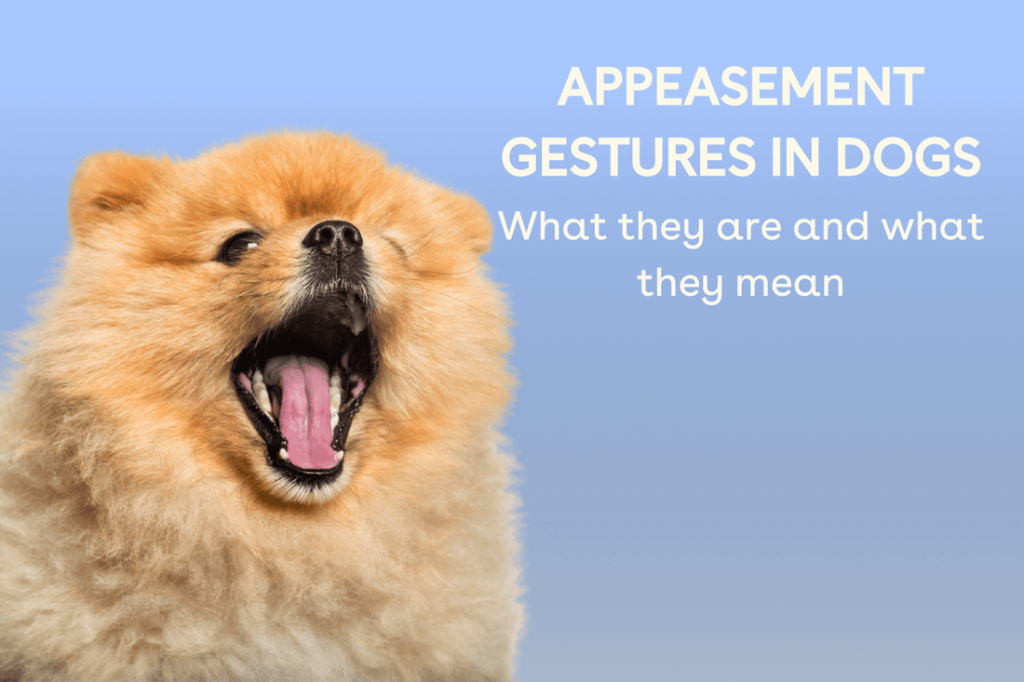
Have you ever noticed your dog lowering its head, avoiding eye contact, or licking its lips when you’re nearby? These subtle signs are more than just cute habits—they reveal something important about how your dog feels and communicates with you.
Understanding appeasement behavior in dogs can help you build a stronger, more trusting bond. If you want to know why your furry friend acts this way and how you can respond to make them feel safe and loved, keep reading.
This insight could change the way you connect with your dog forever.
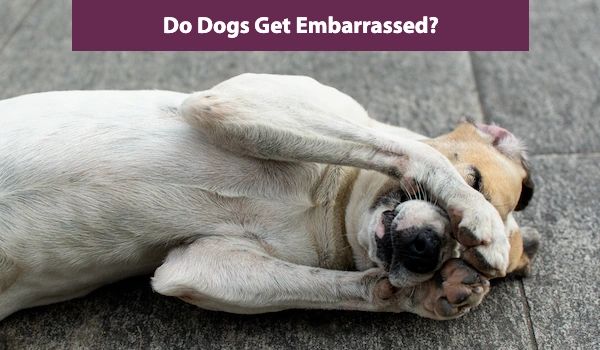
Credit: angelstotheanimals.org
Calm Signals In Dogs
Dogs use calm signals to communicate peaceful intentions. These behaviors help avoid conflict and show friendliness.
Understanding calm signals can improve your bond with dogs. It helps you read their feelings and react kindly.
Types Of Calm Signals
Calm signals include body language and actions that dogs use to calm themselves and others. These signs vary but all show peaceful intent.
- Looking away to avoid direct eye contact
- Yawning without being tired
- Sniffing the ground or air
- Walking slowly or pausing
- Turning the head or body away
- Soft blinking or closing eyes
Purpose Of Calm Signals
Dogs use calm signals to reduce tension and avoid fights. These signs help them stay safe and keep peace in their group.
Calm signals also help dogs communicate with people. They show that the dog feels relaxed or wants to calm a tense situation.
Common Examples
| Calm Signal | Description | Meaning |
| Yawning | A slow, relaxed yawn when not tired | Shows stress or calming intent |
| Looking Away | Turning eyes or head aside | Avoids conflict or shows respect |
| Soft Blinking | Slow, gentle eye closure | Indicates relaxation and trust |
| Sniffing | Sniffing ground or air calmly | Distracts or calms self and others |
| Slow Movements | Moving gently or pausing often | Shows calm and non-threat |
Reasons For Appeasement Behavior
Dogs show appeasement behavior to avoid fights and keep peace. This behavior helps them feel safe and calm.
Understanding why dogs act this way can help owners respond better. It shows what makes dogs feel nervous or stressed.
Stress And Anxiety Triggers
Dogs use appeasement signs when they feel scared or stressed. Loud noises, strangers, or sudden changes can cause this.
These behaviors help dogs calm themselves and others. They try to show they do not want trouble.
- Thunderstorms or fireworks
- Meeting new people or animals
- Changes in routine or environment
Social Hierarchy And Conflict Avoidance
Dogs use appeasement to avoid fights with other dogs or people. This keeps their social group peaceful.
Showing submission or respect helps dogs stay safe. It stops conflicts before they start.
- Lower rank dogs show calming signals to higher rank dogs
- Appeasement helps keep order in groups
- It reduces tension during interactions
Environmental Factors
Some places or situations make dogs feel uneasy. This leads to more appeasement behavior.
Busy parks, crowded rooms, or new homes can cause dogs to act this way. They try to stay safe by calming others.
- Busy or noisy areas
- Unfamiliar places
- Stressful events like vet visits
Identifying Peaceful Traits
Dogs use many signals to show they want peace. These signs help avoid fights and keep calm. Learning these signs helps you understand your dog better.
Peaceful traits show in how dogs move, sound, and act. Watching closely can tell you if your dog feels safe or stressed.
Body Language Indicators
Dogs show peace through soft body moves. They may lower their head or avoid eye contact. Their tail might wag slowly and gently. A relaxed body means the dog feels calm.
- Soft eyes and slow blinking
- Relaxed ears, not pinned back
- Lowered body posture
- Slow wagging tail
- Avoiding direct stare
Vocalizations And Sounds
Peaceful dogs use quiet sounds to communicate. Whining softly or gentle whimpering can mean they want to calm a situation. Low growls may warn without threat. Barking is usually soft and short.
| Sound Type | Meaning |
| Soft Whining | Seeking comfort or calm |
| Gentle Whimpering | Non-aggressive attention request |
| Low Growl | Warning without threat |
| Short, Soft Bark | Alert but calm |
Behavioral Patterns
Peaceful dogs often show friendly actions. They may lick faces or noses to show respect. Rolling onto their backs shows trust. They avoid tense moves and stay close to calm people.
- Licking faces or noses
- Rolling on back to show trust
- Moving slowly and gently
- Staying close to calm people
- Turning head away in tense moments
Benefits Of Appeasement In Dogs
Appeasement behavior in dogs helps keep peace between dogs and people. It includes actions like lowering their body, avoiding eye contact, or licking lips.
These behaviors prevent fights and make living together easier. Dogs use appeasement to show they mean no harm.
Promoting Social Harmony
Appeasement helps dogs get along with other dogs and people. It stops conflicts before they start.
When a dog shows calming signals, others understand they want peace. This keeps groups calm and safe.
- Reduces tension in dog groups
- Prevents fights and injuries
- Encourages friendly behavior
Reducing Aggression
Dogs use appeasement to avoid aggressive encounters. It shows submission and respect to others.
This behavior lowers the chance of biting or growling. It helps dogs stay calm in stressful situations.
- Signals peaceful intentions
- Stops fights before they happen
- Calms nervous or scared dogs
Strengthening Human-dog Bond
Appeasement behaviors help dogs build trust with humans. Dogs show they respect and want to please their owners.
When humans understand these signals, they respond kindly. This creates a positive relationship between dogs and people.
- Improves communication between dog and owner
- Builds trust and respect
- Creates a calm and happy home
Training To Encourage Calm Behavior
Dogs use appeasement behavior to show they are not a threat. Training can help your dog stay calm in many situations. Calm dogs are happier and easier to manage.
Teaching calm behavior takes patience and kindness. Use gentle methods that your dog understands. This guide covers key ways to support calmness.
Positive Reinforcement Techniques
Reward your dog when they act calm. This helps them learn what you want. Use treats, praise, or petting as rewards.
- Give a treat when your dog sits quietly
- Use a soft voice to praise calm actions
- Ignore jumping or barking to avoid reward
- Repeat rewards often in early training
- Gradually reduce treats, keep praise
Creating A Calm Environment
A calm place helps your dog relax. Reduce loud noises and bright lights. Provide a soft bed and favorite toys.
| Calm Environment Tips | How to Do It |
| Quiet Space | Choose a low-traffic room |
| Comfort | Use soft bedding and blankets |
| Lighting | Keep lights dim or use natural light |
| Familiar Items | Include toys or blankets your dog likes |
| Temperature | Keep room warm but not hot |
Responding To Stress Signals
Watch for signs your dog feels stress. These include yawning, lip licking, or turning away. Respond quickly and calmly.
Tips to Respond to Stress:
- Stop what you are doing and give space
- Speak softly and avoid direct eye contact
- Offer a safe retreat area or crate
- Use gentle petting if the dog allows
- Do not punish stress signals

Credit: johinds.com
Common Misinterpretations
Dogs use appeasement behavior to communicate. People often misinterpret these signals. Understanding them helps improve interactions with dogs.
Misreading appeasement can lead to confusion. It’s important to recognize what these behaviors truly mean.
Mistaking Calm Signals For Fear
Dogs show calm signals to avoid conflict. People might think the dog is scared. This is a common mistake.
Yawning or turning away are calm signals. These don’t always mean the dog is afraid. They can be signs of peace.
- Yawning can be a calming gesture
- Turning away shows non-aggression
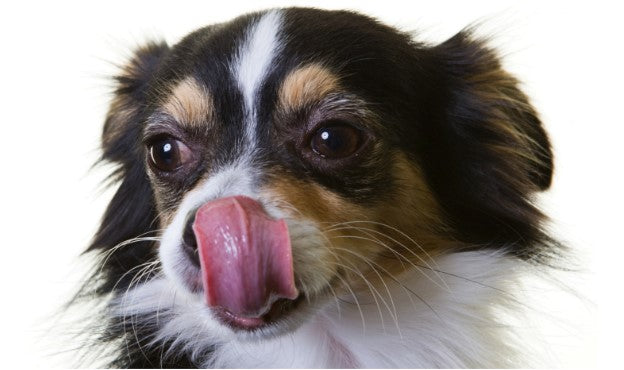
- Licking lips is often a soothing sign
Overlooking Subtle Signs
Some appeasement behaviors are subtle. People might miss them. Paying attention is key to understanding dogs better.
Dogs might lower their body or wag their tail slowly. These can be signals of appeasement. They help avoid misunderstandings.
- Lowered body posture shows submission
- Slow tail wagging can mean appeasement
- Soft eye contact indicates peace
Differentiating Appeasement From Submission
Appeasement and submission are different. People often confuse them. Recognizing each helps in understanding dog behavior.
Submission involves more extreme gestures. Appeasement is about calming situations. Knowing this difference is crucial for dog owners.
| Appeasement | Submission |
| Gentle gestures | Extreme postures |
| Calming signals | Full body roll-over |
| Neutralizing tension | Showing complete surrender |
Appeasement Behavior Across Breeds
Dogs show appeasement behavior to communicate peacefully with others. This behavior varies among different breeds.
Understanding these tendencies helps in training and socializing dogs better. Let’s explore how breeds differ in their appeasement behavior.
Breed-specific Tendencies
Some breeds are more prone to appeasement behavior than others. This can be influenced by their historical roles and traits.
- Golden Retrievers often show appeasement by wagging their tails.
- Border Collies might crouch down to appear less threatening.
- Boxers can be seen licking other dogs to show submission.
Influence Of Genetics And Socialization
Genetics play a role in how a dog behaves. Early socialization is crucial to develop healthy appeasement behaviors.
| Factor | Impact on Behavior |
| Genetics | Inherent traits influence response to situations. |
| Socialization | Exposure to different environments shapes reactions. |
| Training | Consistent training reinforces positive behaviors. |
Credit: www.laylopets.com
Frequently Asked Questions
What Is Appeasement Behavior In Dogs?
Appeasement behavior in dogs includes actions like yawning, licking lips, and avoiding eye contact. These signals reduce stress and prevent conflict with other dogs or humans.
Why Do Dogs Show Appeasement Behavior?
Dogs show appeasement behavior to communicate submission and avoid aggression. It helps maintain peace within their social group or with unfamiliar individuals.
How Can You Recognize Appeasement Signals In Dogs?
Look for body language like lowered ears, tail tucking, slow blinking, and gentle licking. These signs indicate a dog is trying to calm a situation.
Does Appeasement Behavior Mean A Dog Is Scared?
Not always. Appeasement can signal fear, but often it’s a peaceful gesture to prevent fights and show respect.
Conclusion
Dogs use appeasement behavior to stay calm and avoid conflict. These signals help dogs show respect and keep peace with others. Knowing these signs can improve your bond with your dog. It also helps you understand your dog’s feelings better.
Paying attention to these behaviors makes training easier and safer. Trust grows when you respond kindly to your dog’s signals. This creates a happy and peaceful home for both of you. Understanding appeasement is key to a strong dog-owner relationship.

Emily Barker is the founder of ChillDogLife.com, a space dedicated to helping pup parents discover the best dog products, lifestyle tips, and cozy ideas for happier homes.
A lifelong dog lover, Emily combines her passion for pets with a knack for research to share trusted recommendations on everything from toys and furniture to health and everyday care.
Her goal is simple: to make life easier, stylish, and more joyful for dogs and the people who love them.




