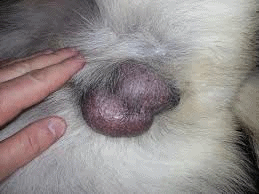
Have you noticed strange behavior in your dog and wondered if it could be linked to a health issue? If your dog has cryptorchidism, a condition where one or both testicles don’t descend properly, you might be curious about how this affects their behavior.
Understanding cryptorchid dog behavior can help you spot signs early and take the right steps to keep your furry friend happy and healthy. Keep reading to discover what you need to know and how it might impact your dog’s daily life.
Cryptorchidism In Dogs
Cryptorchidism is a condition where one or both testicles fail to descend into the scrotum. It is common in dogs and affects their reproductive health.
Understanding the causes and types of cryptorchidism helps dog owners and vets manage this condition better.
Causes Of Cryptorchidism
Cryptorchidism happens when testicles do not move down during puppy development. Several factors can cause this condition.
- Genetic inheritance from parent dogs
- Hormonal imbalances during fetal growth
- Problems in the muscle that pulls the testicles down
- Environmental influences before birth
- Injuries or infections affecting development
Types Of Cryptorchidism
There are different types of cryptorchidism based on where the testicles stop during descent.
| Type | Description |
| Unilateral | One testicle is undescended, the other is normal |
| Bilateral | Both testicles fail to descend |
| Abdominal | Testicle stays inside the abdomen |
| Inguinal | Testicle is stuck in the inguinal canal |

Credit: www.reddit.com
Behavioral Changes To Watch
Cryptorchid dogs may show different behaviors than other dogs. These changes can signal discomfort or stress.
Pay attention to how your dog acts. Noticing changes early helps keep your dog healthy and happy.
Aggression And Dominance
Cryptorchid dogs sometimes act more aggressive. They may try to control other dogs or people.
This behavior can include growling, snapping, or guarding toys and food. It may be linked to hormones.
Anxiety And Restlessness
Dogs with cryptorchidism can feel anxious or restless. They may pace, whine, or have trouble sleeping.
These signs show your dog might be uncomfortable. Stress can affect their overall health.
Territorial Marking
Cryptorchid dogs often mark their territory more. They may urinate inside the house or on objects.
This behavior is a way to show control. It can be stronger than in dogs without this condition.
- Urine marking on furniture or walls
- Frequent scent marking on walks
- Increased interest in marking new areas
Health Implications
Cryptorchidism in dogs means one or both testicles do not descend properly. This condition can cause several health problems. Understanding these risks helps owners care for their pets better.
Below are key health concerns linked to cryptorchidism. Each issue affects your dog’s well-being in different ways.
Risk Of Testicular Cancer
Undescended testicles stay inside the body where the temperature is higher. This raises the chance of developing testicular cancer. The risk is much greater than in dogs with normal testicle descent.
- Testicular tumors often form in retained testicles.
- Cancer signs may include swelling or lumps in the groin.
- Early removal of undescended testicles reduces cancer risk.
- Regular vet checks help catch problems early.
Hormonal Effects
Cryptorchidism can change hormone levels in dogs. The retained testicle may produce abnormal amounts of testosterone. This imbalance can cause behavior changes and physical symptoms.
| Hormonal Effect | Possible Result |
| High testosterone | Increased aggression or marking |
| Low testosterone | Less muscle mass, weaker bones |
| Uneven hormone levels | Physical asymmetry, uneven growth |
Fertility Concerns
Dogs with cryptorchidism often face fertility problems. The retained testicle usually does not produce healthy sperm. This lowers the chances of successful breeding.
Common fertility issues include:
- Reduced sperm count
- Lower sperm quality
- Possible infertility if both testicles are affected
- Breeding dogs should be tested before use
Credit: www.researchgate.net
Diagnostic Methods
Cryptorchidism in dogs means one or both testicles did not move into the scrotum. To treat this, vets must find where the testicle is. This needs careful checks and tests.
Different methods help vets locate the undescended testicle and check the dog’s health. These methods guide the right treatment plan.
Physical Examination
The vet starts with a full physical exam. They feel the scrotum to see if both testicles are there. If one is missing, they look for a small lump or swelling along the groin or belly.
Sometimes, the undescended testicle is hidden deep in the abdomen. The vet checks the dog's behavior and any signs of pain or discomfort.
Ultrasound And Imaging
Ultrasound helps find the testicle inside the dog’s body. It uses sound waves to create images of soft tissues. This test is quick and painless.
- Locate testicle position inside the abdomen
- Check for any abnormal growth or tissue
- Guide the vet on the best surgery approach
Hormonal Testing
Blood tests check hormone levels to confirm cryptorchidism. These tests measure hormones that testicles produce.
| Hormone | Purpose |
| Testosterone | Shows testicle function |
| Anti-Müllerian Hormone (AMH) | Detects presence of testicular tissue |
| Luteinizing Hormone (LH) | Helps assess hormone feedback |
Treatment Options
Cryptorchidism in dogs means one or both testicles did not descend. Treatment is important to avoid health risks.
There are different ways to treat this condition. The best option depends on the dog’s health and age.
Surgical Removal
Surgical removal is the most common treatment for cryptorchid dogs. The vet removes the undescended testicle.
This surgery helps prevent cancer and other problems. It is safe and done under anesthesia.
- Vet locates the hidden testicle
- Removes the testicle through a small incision
- Closes the incision with stitches
- Dog recovers in a few days
Hormonal Therapy
Hormonal therapy uses medicine to help the testicle descend. This option is less common than surgery.
It works best when started early in puppies. The medicine mimics hormones that trigger testicle descent.
- Hormone injections or pills
- Monitored by the vet closely
- May not work for all dogs
- Possible side effects include restlessness
Post-treatment Care
After treatment, dogs need rest and care to heal well. Follow the vet’s instructions carefully.
Keep the dog calm and avoid running or jumping. Check the surgery area for swelling or redness.
- Give all prescribed medicines
- Use an e-collar if needed to stop licking
- Keep the area clean and dry
- Visit the vet for follow-up checks
Managing Behavior At Home
Cryptorchid dogs require extra attention and care to manage their behavior. Proper training and environmental enrichment can help reduce anxiety and aggression.
Training Tips
Positive reinforcement training is essential for cryptorchid dogs. Reward good behavior with treats and praise.
- Use short training sessions to avoid overwhelming your dog
- Focus on one command at a time to avoid confusion
- Be consistent with commands and hand signals
Environmental Enrichment
Providing a stimulating environment can help reduce anxiety and boredom in cryptorchid dogs. Add puzzle toys, scratching posts, and interactive games to keep your dog engaged.
| Puzzle Toys | Hide treats or kibble in puzzle toys to challenge your dog |
| Scratching Posts | Provide vertical scratching posts to redirect scratching behavior |
| Interactive Games | Play fetch, hide-and-seek, or scent work with your dog |
Handling Anxiety
Cryptorchid dogs can experience anxiety due to their condition. Desensitize your dog to triggers and provide a safe space for relaxation.
- Identify triggers that cause anxiety in your dog
- Gradually expose your dog to triggers in a controlled environment
- Provide a quiet, comfortable space for your dog to relax
Preventive Measures
Cryptorchidism in dogs happens when one or both testicles do not move into the scrotum. This can cause health problems for the dog later on. Preventing this condition is important for a dog’s well-being.
There are simple steps dog owners and breeders can take to reduce the risk of cryptorchidism. Early care and attention help keep dogs healthy.
Breeding Practices
Choosing healthy dogs for breeding lowers the chance of cryptorchidism. Avoid breeding dogs that have the condition or carry the gene for it.
Keep good records of family health history. This helps breeders make smart choices and stop passing the condition to puppies.
- Do not breed dogs with cryptorchidism
- Check family health history for related cases
- Work with a vet or genetic counselor for advice
Early Detection
Check young male puppies early for testicle position. This helps find cryptorchidism before it causes problems.
Look for missing testicles or small scrotum. Early detection means treatment can start quickly.
- Examine puppies at 6 to 12 weeks old
- Feel the scrotum for testicles
- Report any concerns to a veterinarian
Regular Vet Checkups
Take your dog to the vet regularly. The vet can spot cryptorchidism early and suggest the best care.
Vets may recommend surgery if a testicle is not in the right place. This helps prevent cancer and other issues.
- Schedule checkups during puppy growth stages
- Follow vet advice for surgery or treatment
- Keep records of your dog’s health visits

Credit: www.reddit.com
Frequently Asked Questions
What Is A Cryptorchid Dog?
A cryptorchid dog has one or both testicles that fail to descend into the scrotum. This condition is common in some breeds and may cause health or behavioral issues.
How Does Cryptorchidism Affect Dog Behavior?
Cryptorchid dogs may show increased aggression or anxiety. Hormonal imbalances can influence their mood and social interactions.
Can Cryptorchid Dogs Still Mate?
Yes, cryptorchid dogs can mate, but fertility may be reduced. Retained testicles often produce fewer viable sperm.
Is Surgery Necessary For Cryptorchid Dogs?
Surgery is recommended to remove undescended testicles. This prevents health risks like testicular cancer and reduces unwanted behavior.
Conclusion
Cryptorchid dogs may act a little different from others. They can show signs of discomfort or restlessness. Training and patience help manage their behavior well. Regular vet visits keep your dog healthy and happy. Understanding your pet’s needs builds a strong bond.
Every dog deserves care and attention, no matter what. Stay calm, be kind, and enjoy your time together. Small steps lead to big improvements in behavior. Your dog will thank you with love and loyalty.

Emily Barker is the founder of ChillDogLife.com, a space dedicated to helping pup parents discover the best dog products, lifestyle tips, and cozy ideas for happier homes.
A lifelong dog lover, Emily combines her passion for pets with a knack for research to share trusted recommendations on everything from toys and furniture to health and everyday care.
Her goal is simple: to make life easier, stylish, and more joyful for dogs and the people who love them.




