Are you struggling to manage your dog’s aggressive behavior? It can be frustrating and even scary when your furry friend shows signs of aggression.
But the good news is, with the right training, you can transform your dog’s behavior and create a safer, happier environment for both of you. You’ll discover practical tips and proven techniques to help you understand why your dog acts aggressively and how you can effectively train them to stay calm and controlled.
Keep reading to take the first step toward a peaceful and confident relationship with your dog.
Credit: theonlinedogtrainer.com
Causes Of Aggressive Behavior
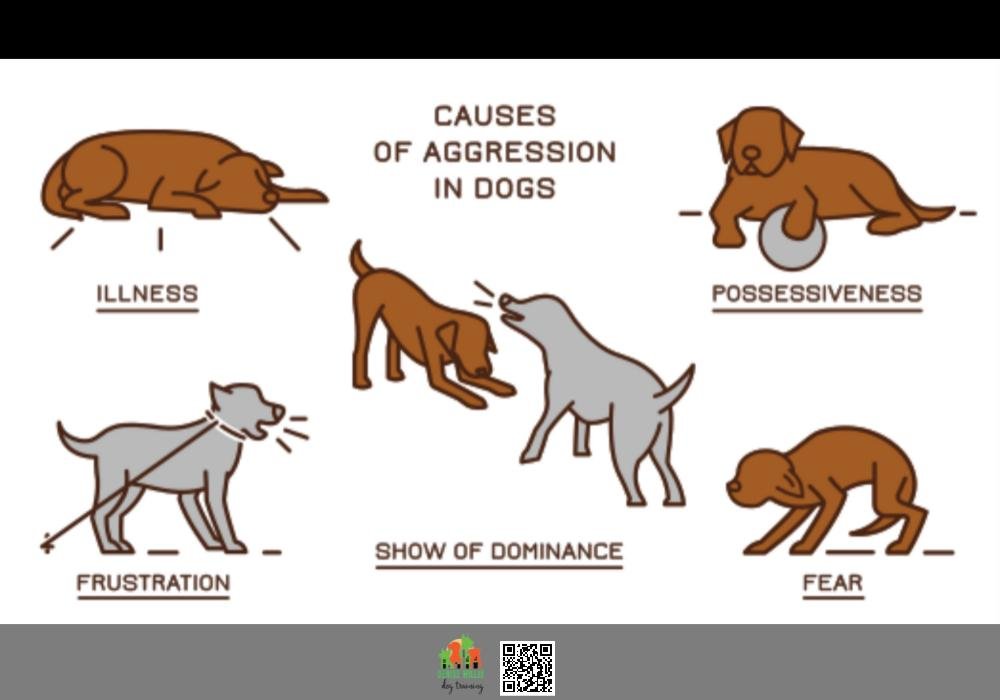
Aggressive behavior in dogs can be confusing and dangerous. Understanding the causes helps with training and safety.
Many factors affect why a dog shows aggression. These include genetics, environment, health, and emotions.
Genetic Factors
Some dogs inherit traits that make them more prone to aggression. These traits come from their parents.
Breed and family history can influence how a dog acts. Aggression may be stronger in certain bloodlines.
- Some breeds have higher guarding instincts
- Aggressive behavior can run in families
- Genes affect how dogs react to threats
Environmental Influences
The place a dog grows up shapes its behavior. Poor socialization can increase fear and aggression.
Negative experiences with people or animals can cause a dog to act aggressively to protect itself.
- Early neglect or abuse raises aggression risk
- Lack of training leads to bad behavior
- Stressful environments make dogs anxious
Health Issues
Pain and illness can make dogs irritable and aggressive. They may bite to protect themselves.
Some health problems affect the brain or nerves, causing sudden changes in behavior.
- Injuries can cause pain-based aggression
- Neurological diseases may alter mood
- Hormonal imbalances affect behavior
Fear And Anxiety
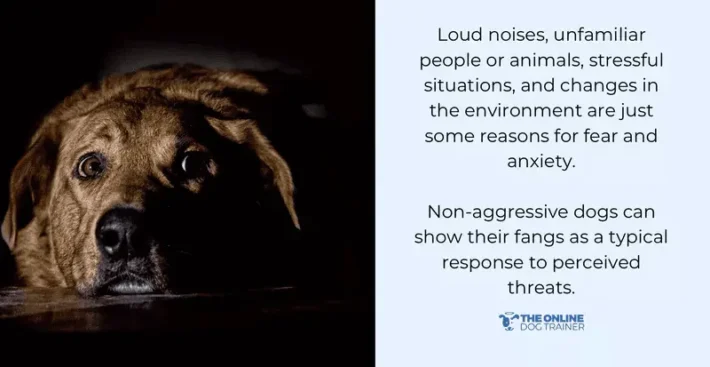
Fear often triggers aggressive reactions in dogs. They try to scare away threats.
Anxiety causes stress, which can lead to growling, barking, or biting to feel safe.
- Fear of strangers or new places
- Separation anxiety causes distress
- Loud noises may startle and scare dogs
Types Of Aggression In Dogs
Dogs can show aggression for different reasons. Understanding these types helps in training and managing behavior. Aggression is a way dogs communicate their feelings or protect themselves.
Each type of aggression has its own triggers and signs. Learning about these types will help you keep your dog and others safe.
Territorial Aggression
Territorial aggression happens when a dog defends its space. The dog may growl or bark at strangers near its home or yard. This behavior is natural but needs control to avoid problems.
Protective Aggression
Protective aggression occurs when a dog feels its family or owner is in danger. The dog may act aggressively to guard loved ones. This type of aggression shows loyalty but can be risky if not managed.
Fear-based Aggression
Fear-based aggression happens when a dog feels scared or threatened. It may bite or snap to protect itself. This aggression is a defense mechanism and often needs careful training.
Redirected Aggression
Redirected aggression occurs when a dog is angry or scared but cannot reach the cause. The dog may attack another dog or person nearby instead.
| Signs | Example | How to Manage |
|---|---|---|
| Growling at strangers near home | Territorial Aggression | Train boundaries and socialization |
| Protecting family members | Protective Aggression | Teach calm responses and control |
| Biting when scared | Fear-Based Aggression | Use gentle exposure and rewards |
| Attacking wrong target | Redirected Aggression | Remove triggers and redirect focus |
Assessing Aggression Levels
Understanding a dog’s aggression is key to safe handling and training. Aggression varies in type and intensity. Assessing these levels helps create effective training plans.
Owners and trainers must watch for signs and consider risk factors. Professional evaluation often guides the best approach to manage aggressive behavior.
Behavioral Signs
Recognizing behavioral signs helps identify aggression early. These signs can show how serious the aggression might be.
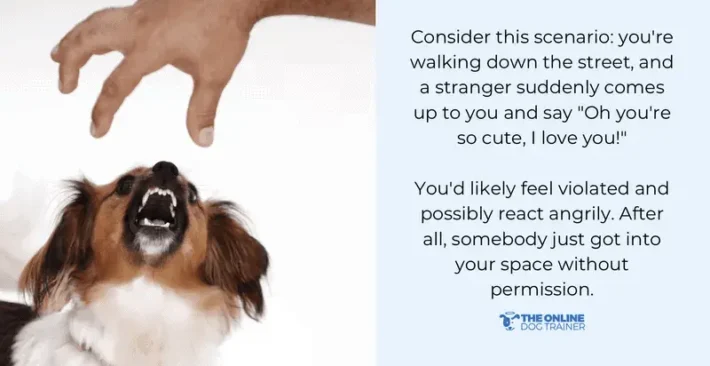
- Growling or snarling when approached
- Showing teeth or snapping
- Rigid body posture or staring
- Sudden lunging or biting attempts
- Excessive barking or lunging at strangers
- Raised hackles on the back
Risk Factors
Some factors increase the chance of aggressive behavior. Knowing these risks can help prevent problems.
| Risk Factor | Description | Impact on Aggression |
|---|---|---|
| Breed | Certain breeds may show more guarding or protective traits | Can increase aggression risk |
| Lack of Socialization | Poor early social experiences with people or animals | Leads to fear and defensive aggression |
| Past Abuse | History of mistreatment or trauma | May cause fear-based aggression |
| Health Issues | Pain or illness affecting behavior | Can trigger irritability and aggression |
| Territorial Behavior | Protecting home or owner | May cause defensive attacks |
Professional Evaluation
Experts use tests and observations to measure aggression. They recommend safe methods to manage or reduce it.
Common evaluation steps include:
- Interviewing the owner about the dog’s history
- Observing the dog in different settings
- Testing reactions to triggers safely
- Assessing body language and stress signs
- Recommending a training or behavior plan
Basic Training Foundations
Training a dog with aggressive behavior starts with strong basic foundations. These foundations help create a safe and calm environment.
Building trust, using clear commands, and applying positive reinforcement guide your dog toward better behavior.
Building Trust
Trust is the key to working with an aggressive dog. The dog needs to feel safe and understand you are a leader.
Spend quiet time near your dog without forcing interaction. Let the dog approach you when ready.
- Speak softly and avoid sudden movements
- Offer treats calmly to build positive associations
- Be patient and consistent with your presence
Consistency In Commands
Use the same words and tone for each command. This helps the dog learn what you expect.
Practice commands daily in short sessions. Repeat commands clearly and reward good responses.
- Choose simple commands like “sit,” “stay,” and “come”
- Use the same command words every time
- Keep sessions short to avoid stress
Positive Reinforcement
Reward your dog when it shows calm or correct behavior. This encourages the dog to repeat good actions.
Use treats, praise, or gentle petting as rewards. Avoid punishment, which can increase aggression.
- Give treats immediately after good behavior
- Use happy tones to praise your dog
- Ignore unwanted behavior to reduce its occurrence
Behavior Modification Techniques
Aggressive dog behavior can be changed with careful training. Behavior modification helps dogs learn new reactions.
Trainers use special techniques to reduce aggression. These methods teach dogs to stay calm and controlled.
Desensitization
Desensitization means slowly exposing dogs to what makes them angry. This exposure happens in small, safe steps.
Over time, dogs get used to the trigger and react less. This lowers their aggressive response.
- Start far away from the trigger
- Keep the dog calm and relaxed
- Gradually get closer over days or weeks
- Stop if the dog shows stress
Counter-conditioning
Counter-conditioning changes how dogs feel about triggers. It pairs the trigger with something positive.
Dogs learn to expect good things instead of reacting with anger. This builds a new, calm response.
- Use treats or toys when the trigger appears
- Reward calm behavior immediately
- Repeat often to create new habits
- Avoid punishment during training
Impulse Control Exercises
Impulse control helps dogs think before they act. Exercises teach dogs to wait and stay calm.
These exercises build patience and reduce sudden aggressive moves.
- Teach “sit” and “stay” commands
- Use “leave it” to stop unwanted actions
- Practice waiting for food or toys
- Reward calm and slow responses
Tools And Equipment
Aggressive dog behavior training requires the right tools. Using proper equipment makes training safer and more effective.
Tools like leashes, muzzles, and collars help control dogs. Safe environments are also important for training aggressive dogs.
Proper Use Of Leashes And Muzzles
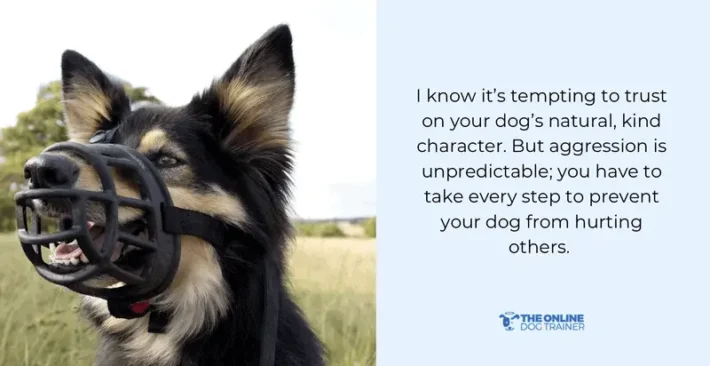
Leashes keep dogs secure and controlled. Use a strong leash that fits the dog’s size. Muzzles prevent bites and protect others.
Choose a muzzle that fits well. It should allow the dog to pant and drink. Always supervise a muzzled dog.
- Leashes should be durable and comfortable
- Muzzles must allow breathing and drinking
- Supervise dogs while muzzled
Training Collars
Training collars help correct behavior. Use them carefully and only for short periods. They should not cause pain or distress.
Consult a professional before using a training collar. Proper fit and technique are important for safety.
- Use collars for short training sessions
- Ensure collars fit properly
- Seek professional advice for best results
Safe Environments
Choose a safe and controlled environment for training. Avoid distractions that may trigger aggressive behavior.
A fenced area or an empty park works well. Ensure the space is secure and free of hazards.
- Pick quiet, enclosed spaces
- Check for potential hazards
- Minimize distractions during training
Handling Aggressive Incidents Safely
Dealing with aggressive dog behavior requires calm and careful action. Safety is the top priority for both the handler and the dog. Knowing how to manage these moments helps reduce harm and stress.
Training focused on handling aggression teaches ways to control situations and prevent injuries. It also helps improve the dog’s behavior over time.
De-escalation Tactics
When a dog shows signs of aggression, it’s important to stay calm and avoid sudden moves. Use body language that is non-threatening and speak in a soft voice.
- Keep your hands low and avoid direct eye contact
- Give the dog space to move away if it wants
- Use a firm but gentle tone to give simple commands
- Distract the dog with a toy or treat if safe to do so
- Step back slowly to reduce tension
Emergency Response
If the dog attacks or bites, act quickly to protect yourself and others. Use tools like a leash or barrier to separate the dog if possible.
| Action | Description |
| Stay calm | Take deep breaths and keep your voice steady |
| Use a barrier | Place an object between you and the dog |
| Avoid pulling | Do not pull the dog’s collar or tail to prevent more aggression |
| Seek help | Call for assistance from another person or professional |
| Attend to wounds | Clean and dress any bites immediately after the incident |
Preventing Future Outbursts
Preventing aggression starts with identifying triggers and creating a safe environment. Consistent training and positive reinforcement help the dog learn better ways to respond.
- Observe and note situations that cause stress
- Use rewards to encourage calm behavior
- Avoid punishment as it can increase fear or anger
- Provide regular exercise and mental stimulation
- Consult a professional trainer or behaviorist for guidance
Credit: theonlinedogtrainer.com
Role Of Professional Trainers And Behaviorists
Professional trainers and behaviorists help with aggressive dog behavior. They use skills and knowledge to guide dogs and owners. Their role is key in creating safe and calm environments.
These experts understand dog psychology and body language. They design plans to change bad habits and reduce aggression. Working with them can prevent serious incidents.
When To Seek Help
Look for professional help if your dog shows sudden aggression or grows worse over time. Signs include biting, lunging, or stiff body posture. If you feel unsafe handling your dog, call an expert early.
- Your dog bites family or strangers.
- Growling or snapping happens often.
- Aggression appears without clear cause.
- Training efforts do not improve behavior.
- You feel stressed or afraid of your dog.
Choosing The Right Expert
Pick a trainer or behaviorist with experience in aggression cases. Check their certifications and ask about methods. Positive reinforcement is safer and more effective than punishment.
| Expert Type | Focus Area | Key Quality |
| Certified Dog Trainer | Basic obedience and behavior | Positive reinforcement skills |
| Veterinary Behaviorist | Medical and psychological issues | Doctorate and clinical experience |
| Animal Behaviorist | Behavioral science and aggression | Advanced training in behavior |
Collaborative Training Plans
Trainers and owners must work as a team. Clear goals and trust help dogs learn better. Plans should fit the dog’s needs and the owner’s lifestyle.
- Assess the dog’s history and triggers.
- Set realistic and clear behavior goals.
- Use reward-based training methods.
- Practice regularly with consistent rules.
- Track progress and adjust the plan.
Maintaining Long-term Progress
Training an aggressive dog requires ongoing effort. Long-term progress depends on consistent care and attention.
This guide explains how to keep the good behavior by regular practice, watching triggers, and socializing your dog.
Regular Practice
Practice the training exercises daily. Short, frequent sessions work best. Consistency helps your dog remember commands and control impulses.
- Set a fixed time each day for training.
- Use the same commands and gestures every time.
- Reward calm and positive behavior immediately.
- Repeat exercises to reinforce good habits.
- Keep sessions short to avoid stress or boredom.
Monitoring Triggers
Know what causes your dog to act aggressively. Watch for sights, sounds, or people that trigger bad behavior.
| Trigger Type | Examples | Action |
| Visual | Other dogs, strangers | Keep distance or use distraction |
| Auditory | Loud noises, sirens | Provide a safe, quiet space |
| Situational | Leash pulling, crowded places | Train calm responses and avoid stress |
Ongoing Socialization
Socialize your dog with other animals and people. This lowers fear and aggression over time.
Tips for safe socialization:
- Start with calm dogs and friendly people.
- Use a leash for control during meetings.
- Watch your dog’s body language for signs of stress.
- End sessions before your dog feels overwhelmed.
- Gradually increase social situations and environments.
Credit: theonlinedogtrainer.com
Frequently Asked Questions
What Causes Aggressive Dog Behavior?
Aggressive behavior in dogs can stem from fear, pain, territorial instincts, or lack of socialization. Genetics and past trauma may also contribute. Understanding the cause is key to effective training and management.
How Can Training Reduce Dog Aggression?
Training helps by teaching dogs proper social skills and impulse control. Positive reinforcement methods encourage good behavior, while consistency builds trust and reduces fear or anxiety that triggers aggression.
When Should I Seek Professional Help For Aggression?
If your dog shows frequent biting, growling, or unpredictable aggression, consult a professional trainer or behaviorist. Early intervention prevents escalation and ensures safety for your dog and others.
Can Aggressive Behavior Be Completely Cured?
While some dogs improve significantly, complete cure depends on the cause and severity. Ongoing management, training, and environmental control are often necessary to keep aggression under control.
Conclusion
Aggressive dog behavior training takes patience and care. Consistency helps your dog learn better habits. Stay calm and use clear commands every day. Reward good behavior to encourage positive changes. Avoid harsh punishments; they can cause fear. Training helps keep both you and your dog safe.
Trust grows stronger with time and effort. Remember, small steps lead to big improvements. Keep practicing, and you will see progress. Your dog can become calmer and happier.

Emily Barker is the founder of ChillDogLife.com, a space dedicated to helping pup parents discover the best dog products, lifestyle tips, and cozy ideas for happier homes.
A lifelong dog lover, Emily combines her passion for pets with a knack for research to share trusted recommendations on everything from toys and furniture to health and everyday care.
Her goal is simple: to make life easier, stylish, and more joyful for dogs and the people who love them.




