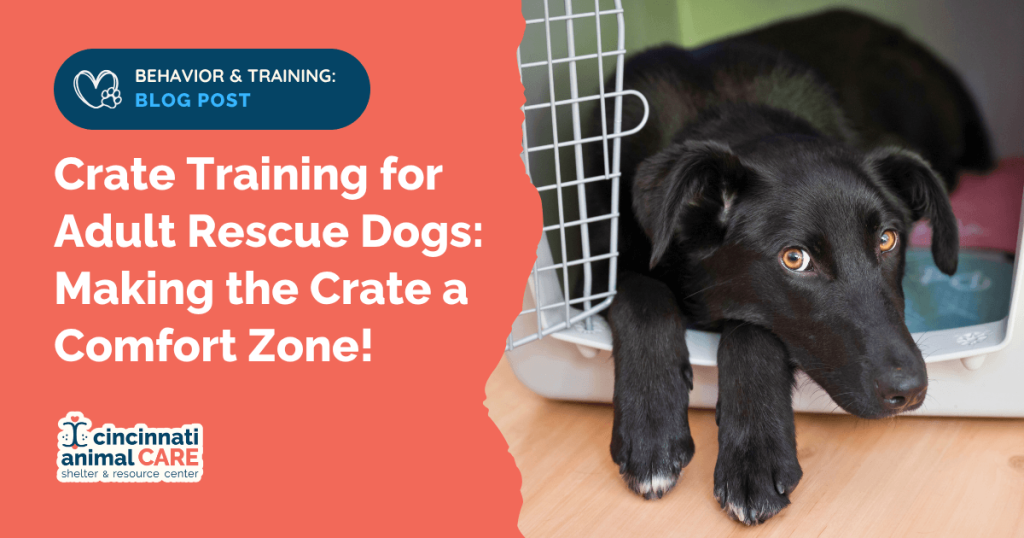
Bringing a dog home from a shelter is a wonderful decision, but it comes with its own set of challenges—especially when it comes to crate training. If you want your new furry friend to feel safe and comfortable while keeping your home organized, crate training is key.
But how do you start, especially when your dog is adjusting to a new environment? This guide will walk you through simple, effective steps to help your shelter dog love their crate. By the end, you’ll have the tools to build trust, create a calm space, and make crate time a positive part of your dog’s life.
Ready to turn your crate into your dog’s favorite spot? Let’s dive in.

Credit: www.youtube.com
Choosing The Right Crate
Choosing the right crate is the first step to successful crate training. The crate must feel safe and comfortable for your new dog from the shelter. A good crate helps the dog relax and adjust to its new home quickly. Size, type, and location of the crate all affect your dog’s experience.
Size And Comfort
The crate should be big enough for your dog to stand, turn, and lie down comfortably. Too small feels cramped. Too large may make the dog feel less secure. Use the dog’s shoulder height and length as a guide.
Add a soft blanket or dog bed inside the crate. This makes it cozy and inviting. Avoid hard or cold surfaces. Comfort helps your dog see the crate as a safe spot.
Types Of Crates
- Wire Crates:Well-ventilated and durable. Good for dogs that like to see their surroundings.
- Plastic Crates:Enclosed and cozy. Great for shy or nervous dogs who want a den-like space.
- Soft-Sided Crates:Lightweight and portable. Best for calm dogs or travel use.
Choose a crate that suits your dog’s personality and your lifestyle.
Location For The Crate
Place the crate in a quiet but not isolated spot. Near family activity helps the dog feel part of the home. Avoid noisy or busy areas that may stress the dog.
Keep the crate away from direct sunlight or drafts. A stable temperature makes the crate more comfortable. The right location encourages your dog to use the crate happily.

Credit: www.youtube.com
Preparing Your Dog
Create a calm space for your dog near the crate to build comfort. Introduce the crate slowly, allowing your dog to explore at their own pace. Use treats and praise to make the crate a positive place.
Bringing a shelter dog into your home is an exciting journey filled with love and companionship. However, transitioning them into your space requires patience, particularly when crate training. Preparing your dog for crate training sets the foundation for a comfortable and stress-free experience. It’s all about building trust and ensuring your furry friend associates the crate with positive experiences.Introducing The Crate Slowly
When introducing a crate to your new dog, patience is key. Place the crate in a quiet, accessible area of your home where your dog feels safe. Leave the crate door open and let your dog explore it at their own pace. Sit nearby and encourage them to approach the crate, but don’t force them inside. It’s important that they see the crate as a safe haven, not a place of confinement.Using Treats And Toys
Incorporate treats and toys to make the crate inviting. Place their favorite toy inside and toss in a few treats to spark curiosity. As your dog steps inside to retrieve the treats, praise them warmly. This reinforces the idea that entering the crate results in positive rewards. Interactive toys can also keep them occupied and relaxed while inside. What better way to make the crate an exciting place than with their beloved playthings?Creating Positive Associations
Positive associations are crucial for successful crate training. Begin feeding your dog near the crate, gradually moving their dish inside as they become more comfortable. If your dog chooses to nap inside the crate, quietly celebrate this win. It shows they’re beginning to associate the crate with relaxation and safety. Remember, the goal is to create a positive relationship with the crate. How would you feel about a space that’s all yours, filled with comfort and treats? That’s the feeling you want your dog to have. By preparing your dog thoughtfully, you’re not just teaching them to use a crate—you’re helping them feel at home.Establishing A Routine
Creating a consistent routine helps shelter dogs feel safe and comfortable in their new home. Dogs thrive on predictability, which reduces stress and builds trust. A clear daily schedule guides your dog through feeding, rest, and bathroom times.
Start by setting fixed times for key activities. Consistency helps your dog understand expectations. It also supports smooth crate training and faster adjustment.
Feeding Schedule
Feed your dog at the same times each day. This creates a natural rhythm and helps regulate digestion. Use the crate as a calm space before and after meals. Avoid free feeding, as it can confuse your dog.
- Serve meals in the crate to associate it with positive experiences.
- Keep feeding times about 8-12 hours apart, depending on age and breed.
- Remove food after 15-20 minutes to encourage eating at set times.
Crate Time Limits
Gradually increase the time your dog spends in the crate. Start with short periods, then extend as your dog adjusts. Avoid leaving your dog in the crate too long to prevent anxiety.
- Begin with 10-15 minutes and slowly add more time.
- Ensure the dog can hold its bladder comfortably during crate time.
- Use crate time for naps and quiet rest, not punishment.
Bathroom Breaks
Regular bathroom breaks are essential to prevent accidents and build good habits. Take your dog outside immediately after crate time and meals.
- Offer bathroom breaks every 2-3 hours for puppies or newly adopted dogs.
- Watch for signs your dog needs to go, like sniffing or circling.
- Reward your dog after successful bathroom trips to reinforce good behavior.

Credit: www.monsterk9.com
Handling Common Challenges
Crate training a dog from a shelter brings challenges that need patience and care. Many dogs feel unsure or scared in a new environment. Understanding common problems helps make the process smoother for both you and your dog. Handling these issues calmly builds trust and comfort.
Dealing With Whining
Whining is normal at first. Dogs use it to ask for attention or express stress. Avoid opening the crate every time your dog whines. This teaches them that noise gets a response. Instead, wait for a quiet moment. Then, reward your dog with praise or a treat. Keep the crate near your living area. Your dog will feel less alone and less likely to whine. Use soft bedding and toys for comfort. Speak gently to reassure your dog without encouraging noise.
Preventing Separation Anxiety
Separation anxiety is common in shelter dogs. Start by leaving your dog alone in the crate for short times. Increase the duration slowly each day. Give your dog a special toy or treat during these times. Avoid dramatic goodbyes or greetings. Stay calm to show your dog that being alone is safe. Keep a consistent schedule for crate time. Predictability helps your dog feel secure. Play calming music or use a white noise machine to create a relaxing atmosphere.
Managing Accidents
Accidents happen, especially in the beginning. Clean the crate thoroughly to remove odors. Use an enzyme cleaner to prevent re-marking. Limit crate time to prevent your dog from needing a bathroom break. Take your dog outside often, especially after meals or naps. Praise your dog immediately after they go outside. Avoid punishing accidents; it creates fear. Watch for signs your dog needs to go out. Consistent routines reduce accidents over time.
Building Trust And Patience
Building trust and patience is the foundation of successful crate training, especially for a dog coming from a shelter. These dogs often carry the weight of past experiences, making it essential for you to create a safe and predictable environment. Patience allows your dog to explore the crate at their own pace, while trust ensures they see it as a positive space rather than a place of punishment.
Consistency In Training
Consistency helps your dog understand what to expect, reducing their anxiety. Use the crate at the same times each day, such as during meal times or naps. This regular schedule shows your dog that the crate is part of their daily routine, not a sudden or scary change.
Keep your commands and tone steady every time you encourage your dog to enter the crate. If you say “crate” in a happy voice once but sound harsh another time, your dog might get confused. Consistency builds a clear message that makes learning easier.
Rewarding Good Behavior
Positive reinforcement is key to helping your dog enjoy crate time. Each time your dog enters the crate willingly, reward them with a treat or gentle praise. This creates a connection between the crate and positive experiences.
Notice small victories, like your dog staying calm inside the crate for a few minutes. Reward these moments immediately to encourage them to repeat the behavior. Have you tried using a special toy or chew that your dog loves only when in the crate? This can make the crate more inviting.
Adjusting To Your Dog’s Needs
Every shelter dog has a unique personality and history, so it’s important to observe and adapt. If your dog seems fearful, start by leaving the crate door open and placing treats nearby. Let them approach on their own terms instead of forcing entry.
Watch for signs of stress like whining or scratching, and adjust your approach accordingly. Maybe shorter crate sessions work better at first, gradually increasing time as your dog feels more comfortable. Are you ready to slow down and meet your dog where they are emotionally?
Transitioning Out Of The Crate
Transitioning your shelter dog out of the crate is a crucial phase that requires patience and attention to your dog’s comfort and behavior. Moving too quickly can cause anxiety or setbacks, while moving too slowly may delay their progress. It’s about finding the right balance that helps your dog feel confident and secure in their new home environment.
Gradual Increase In Freedom
Start by allowing your dog short periods outside the crate while you’re nearby. You might open the crate door during calm moments and reward your dog for staying relaxed.
Slowly extend these sessions to different rooms, so your dog gets used to exploring without feeling overwhelmed. Keep a close eye on their behavior—are they curious or nervous? Adjust the pace based on their comfort.
Think about how you’d feel if suddenly given full freedom without knowing the boundaries. How can you help your dog build trust with each step?
Maintaining Safety
Safety must remain a priority as you give your dog more freedom. Remove or secure anything that could be harmful, like electrical cords, toxic plants, or small objects they might swallow.
Use baby gates or closed doors to limit access to areas that aren’t dog-proofed yet. This way, your dog can explore safely without constant supervision.
Remember, a secure space helps your dog feel calm and prevents accidents. Have you checked your home from your dog’s perspective to spot possible hazards?
Long-term Benefits
Giving your dog freedom gradually helps them develop good habits and confidence. They learn boundaries without feeling trapped, which reduces anxiety and destructive behavior.
From personal experience, dogs that transition smoothly tend to be more relaxed and better adjusted in new environments. They also build trust with their owners, making training easier overall.
What long-term changes do you hope to see in your dog’s behavior as they grow more independent? Keeping this in mind can guide how you manage their freedom.
Frequently Asked Questions
How Long Does Crate Training Take For Shelter Dogs?
Crate training duration varies by dog, but it usually takes 1 to 3 weeks. Consistency and patience speed the process. Start with short crate sessions and gradually increase time. Positive reinforcement helps dogs feel safe and comfortable in the crate.
Can Crate Training Reduce Anxiety In Shelter Dogs?
Yes, crate training can reduce anxiety by creating a secure space. The crate becomes a safe zone where the dog feels calm. This helps them adjust to new environments and routines. Always use positive reinforcement to build trust and reduce stress.
What Size Crate Is Best For Shelter Dogs?
Choose a crate large enough for the dog to stand, turn, and lie down comfortably. Avoid crates that are too big, as they may feel less secure. Measure your dog’s height and length before purchasing to ensure the right fit.
How To Introduce A Shelter Dog To A Crate?
Introduce the crate slowly using treats and praise. Leave the door open initially to let the dog explore. Place toys and bedding inside to encourage comfort. Gradually close the door for short periods, increasing time as the dog adapts.
Conclusion
Crate training a shelter dog takes time and patience. Start slow, use treats, and keep sessions short. Make the crate a safe and happy place. Respect your dog’s feelings and progress at their pace. Consistency helps your dog feel comfortable and secure.
Celebrate small wins to build trust and confidence. A well-trained dog enjoys better behavior and less stress. Keep training simple and stay positive every day. Your shelter dog will learn to love their crate soon.

Emily Barker is the founder of ChillDogLife.com, a space dedicated to helping pup parents discover the best dog products, lifestyle tips, and cozy ideas for happier homes.
A lifelong dog lover, Emily combines her passion for pets with a knack for research to share trusted recommendations on everything from toys and furniture to health and everyday care.
Her goal is simple: to make life easier, stylish, and more joyful for dogs and the people who love them.




