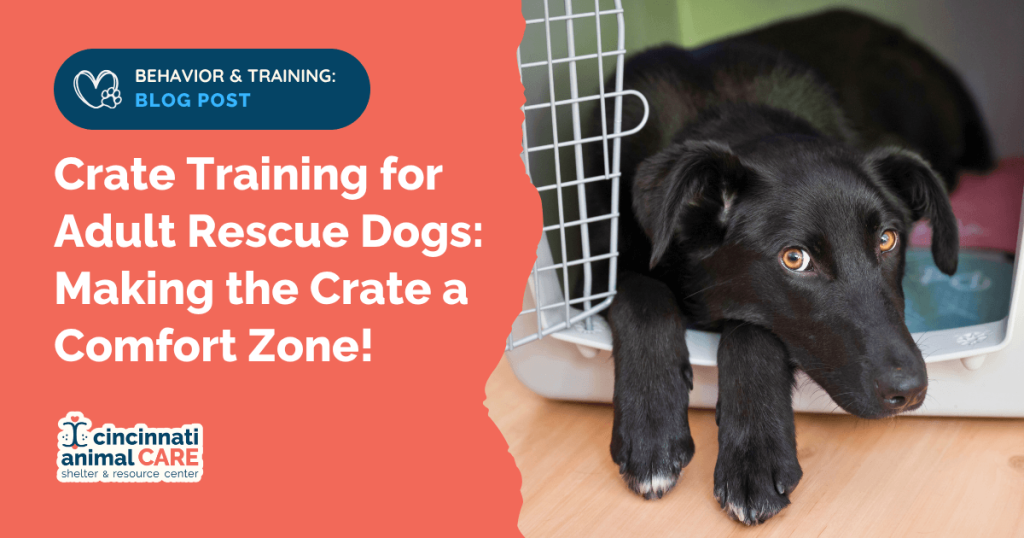
If you have an adult dog and want to teach them to love their crate, you’re in the right place. Crate training isn’t just for puppies—it can bring calm, safety, and structure to your home, no matter your dog’s age.
You might wonder if it’s too late or if your dog will resist. The truth is, with the right steps, you can help your dog see their crate as a cozy, safe space. Keep reading, and you’ll discover simple, effective ways to make crate training work for you and your furry friend—without stress or frustration.
Credit: www.purina.com
Benefits Of Crate Training
Crate training an adult dog offers many important benefits. It creates a safe space for your dog and helps with behavior. The crate becomes a personal den where your dog feels calm. This training also supports housebreaking efforts and makes travel easier. Understanding these benefits can encourage consistent crate use for a happier dog and owner.
Safety And Security
The crate acts as a safe zone for your dog. It protects them from household hazards when unsupervised. Dogs naturally seek small, cozy spaces to feel secure. A crate meets this need by providing a quiet retreat. It also helps reduce anxiety in stressful situations. Your dog learns to associate the crate with comfort and safety.
Housebreaking Aid
Crate training assists with housebreaking your adult dog. Dogs avoid soiling their sleeping area. This natural instinct helps teach bladder and bowel control. Regular crate time encourages your dog to hold it until taken outside. It also helps reduce accidents inside the home. Consistency with crate use speeds up the housebreaking process.
Travel Convenience
Using a crate simplifies travel with your dog. It provides a secure space during car rides. Your dog stays calm and less stressed in the crate. Many airlines require crates for pet travel. Having your dog used to a crate makes trips smoother. It also prevents distractions for the driver, improving safety.

Credit: www.monsterk9.com
Choosing The Right Crate
Choosing the right crate is a crucial step in successfully crate training your adult dog. The right crate can make your dog feel safe and comfortable, encouraging positive associations. It’s not just about size but also about material and placement, which can affect your dog’s willingness to use the crate.
Size And Comfort
Your dog’s crate should be big enough for them to stand, turn around, and lie down comfortably. Avoid crates that are too large, as they can encourage your dog to use one corner as a bathroom. Consider your dog’s breed and size carefully—measure your dog from nose to tail and add a few inches for comfort.
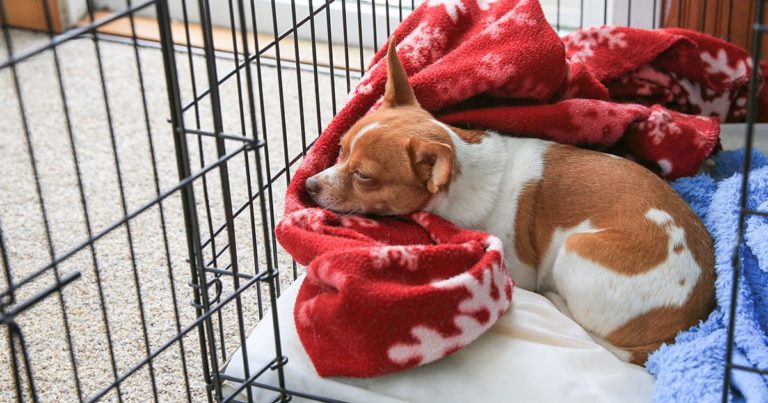
Adding soft bedding inside the crate helps make it inviting. Think about your dog’s preferences; some dogs like a simple mat, while others prefer a cozy blanket. Have you noticed your dog seeking out a particular spot to rest? Try mimicking that comfort inside the crate.
Material Types
Crates come in various materials, each with pros and cons. Wire crates offer excellent ventilation and visibility but might feel less secure to some dogs. Plastic crates provide a den-like environment, which can help anxious dogs feel safer.
Consider your dog’s behavior: if your dog tends to chew, a sturdy metal crate may be better. For travel, lightweight plastic crates are easier to carry. Have you thought about whether your dog prefers to see their surroundings or likes a more enclosed space?
Placement Tips
Where you place the crate impacts your dog’s comfort and training success. Choose a quiet spot with low foot traffic to minimize stress and distractions. However, avoid isolating your dog completely; placing the crate near family activity can help them feel included.
Keep the crate away from direct sunlight or cold drafts to maintain a comfortable temperature. Observe how your dog reacts to different rooms—do they seem calmer in a certain area? Adjust placement based on their behavior to make the crate a positive retreat.
Preparing Your Dog
Preparing your adult dog for crate training is a key step that sets the tone for success. It requires patience, clear communication, and understanding your dog’s unique personality. This phase is about making the crate a place your dog chooses to enter, not one they feel forced into.
Introducing The Crate
Start by placing the crate in a common area where your dog feels comfortable. Leave the door open and add soft bedding inside to make it inviting. Let your dog explore the crate at their own pace without pressure.
You can encourage curiosity by tossing treats or favorite toys near and inside the crate. Watch for signs of interest, and celebrate small steps like sniffing or stepping inside. Have you noticed your dog’s natural curiosity could work to your advantage here?
Creating Positive Associations
Make the crate a source of good things. Feed your dog meals inside or just outside the crate to build a positive connection. Use a calm and happy tone when your dog is near or inside the crate.
Try short crate sessions paired with rewards like praise or treats. This helps your dog link the crate with comfort and safety. What treats or rewards does your dog respond to best?
Addressing Anxiety
Some adult dogs may feel anxious about the crate because it’s new or reminds them of past experiences. If your dog whines or resists, never force them inside. Instead, sit quietly nearby to offer reassurance and calm energy.
Consider using calming aids like a favorite blanket, gentle music, or pheromone sprays. If anxiety is strong, break crate time into very short, positive sessions. Have you observed what calms your dog during stressful moments?
Step-by-step Training Process
Crate training an adult dog requires patience and a clear plan. The process works best when broken into manageable steps that help your dog feel safe and comfortable. You’ll guide your dog to see the crate as a positive space, not a place of punishment.
Short Initial Sessions
Start by introducing your dog to the crate for just a few minutes at a time. Keep these sessions brief, around 5 to 10 minutes, so your dog doesn’t feel overwhelmed. Let your dog explore the crate on their own terms—never force them inside.
Try sitting nearby and speaking softly to create a calm environment. Have the door open initially, allowing your dog to come and go freely. This builds trust and curiosity rather than fear.
Gradual Time Increase
Once your dog enters the crate comfortably, slowly increase the time they spend inside. Add a few minutes every day or every other day, based on how relaxed they seem. Watch for signs of stress like whining or scratching, and pause the increase if needed.
Close the crate door during these sessions, but stay close at first. You might sit nearby and read or watch TV, so your dog knows you’re still around. This helps them adjust without feeling isolated.
Using Treats And Toys
Treats and toys turn the crate into a fun and rewarding space. Toss a favorite chew toy or give a tasty treat inside to encourage your dog to enter willingly. This positive connection makes the crate a place your dog looks forward to.
Rotate the toys to keep things exciting and avoid boredom. You can also try puzzle feeders inside the crate to keep your dog mentally engaged. Think about what motivates your dog most—food, play, or comfort—and use that to your advantage.
Handling Common Challenges
Crate training an adult dog can bring some challenges. These issues are common but manageable with patience and the right approach. Understanding these obstacles helps you handle them calmly and effectively.
Barking And Whining
Dogs bark or whine to express discomfort or need. Often, they want attention or feel anxious in the crate. Stay calm and avoid giving attention immediately. Wait for silence before opening the crate. Praise your dog only when quiet. This teaches calm behavior inside the crate.
Reluctance To Enter
Some dogs resist entering the crate at first. Make the crate inviting by placing soft bedding and favorite toys inside. Use treats to encourage your dog to go in. Never force your dog. Let them explore at their own pace. Patience builds trust and comfort.
Accidents Inside The Crate
Accidents happen, especially during early training. Keep the crate clean and dry. Take your dog outside often to relieve themselves. Watch for signs that they need to go out. Avoid punishment for accidents. Clean up thoroughly to remove odors. This helps prevent repeat accidents.
Maintaining Consistency
Maintaining consistency is key to successful crate training for adult dogs. It builds trust and helps your dog feel secure. Consistency reduces confusion and speeds up learning. Without it, your dog may become anxious or resist the crate.
Creating a steady routine and tracking progress keeps training on the right path. Adjusting methods when needed ensures your dog stays comfortable and motivated. Small, steady steps lead to big results in crate training.
Establishing Routine
Set specific times for crate sessions each day. Use the crate at regular intervals, such as after meals or playtime. Stick to the same schedule to help your dog understand expectations. A clear routine makes the crate a normal part of daily life.
Monitoring Progress
Watch your dog’s behavior during crate time. Note signs of stress or comfort. Track how long your dog stays calm inside the crate. Celebrate small wins like entering the crate without hesitation. Regular checks help spot areas that need improvement.
Adjusting Training As Needed
Change your approach if your dog struggles with crate time. Try shorter sessions or add treats and toys for comfort. Increase crate time gradually to build tolerance. Be patient and flexible to match your dog’s pace. Adjustments keep training positive and effective.
When To Seek Professional Help
Crate training an adult dog can be challenging. Some dogs adjust quickly, but others struggle. Recognizing when to seek professional help saves time and stress. Professionals provide guidance tailored to your dog’s unique needs. They spot issues early and offer solutions that work.
Behavioral Issues
Some dogs show signs of aggression or fear around the crate. They may growl, bark, or try to escape. These behaviors can worsen without expert help. A trainer or behaviorist can assess the root cause. They teach you how to manage and reduce these behaviors safely.
Severe Anxiety
Severe anxiety often shows as constant whining, pacing, or destructive chewing. Dogs may also have accidents outside the crate. This level of stress needs more than basic training tips. A professional can create a calming plan. They may suggest calming aids or special exercises to ease anxiety.
Customized Training Plans
Each dog learns differently. Professionals design training plans based on your dog’s personality and history. They adjust the plan as your dog progresses. Customized plans improve success rates and make training less stressful. Working with an expert ensures your dog feels safe and confident in the crate.
Credit: www.diamondpet.com
Frequently Asked Questions
How Long Does Crate Training An Adult Dog Take?
Crate training an adult dog can vary in time. It usually takes a few days to several weeks. Patience and consistency are crucial. Each dog is unique, so adapt your approach as needed. Positive reinforcement speeds up the process, ensuring a comfortable environment.
Can An Adult Dog Sleep In A Crate?
Yes, an adult dog can sleep in a crate. Crates provide a secure, den-like environment for dogs. Ensure the crate is comfortable with bedding. Introduce the crate gradually, associating it with positive experiences. This encourages your dog to see the crate as a cozy sleeping space.
How Do I Make The Crate Comfortable?
To make a crate comfortable, add soft bedding and favorite toys. Ensure the crate is the right size, allowing your dog to stand, turn, and lie down. Keep it clean and free from drafts. Introduce the crate positively, with treats and praise, to create a welcoming environment.
Is Crate Training Cruel For Adult Dogs?
Crate training isn’t cruel when done correctly. It’s a safe, secure space for your dog. Introduce the crate gradually, using positive reinforcement. Ensure the crate is never used for punishment. Dogs naturally seek den-like spaces, making crates a comforting option when used appropriately.
Conclusion
Crate training an adult dog takes time and patience. Start slow and keep training sessions short. Use treats and praise to encourage good behavior. Make the crate a safe, comfortable space for your dog. Stay consistent and calm during the process.
Remember, every dog learns at its own pace. This training helps your dog feel secure and happy. With care, your adult dog will enjoy its crate. Trust in the journey and celebrate small wins. Your effort makes a big difference in your dog’s life.

Emily Barker is the founder of ChillDogLife.com, a space dedicated to helping pup parents discover the best dog products, lifestyle tips, and cozy ideas for happier homes.
A lifelong dog lover, Emily combines her passion for pets with a knack for research to share trusted recommendations on everything from toys and furniture to health and everyday care.
Her goal is simple: to make life easier, stylish, and more joyful for dogs and the people who love them.




