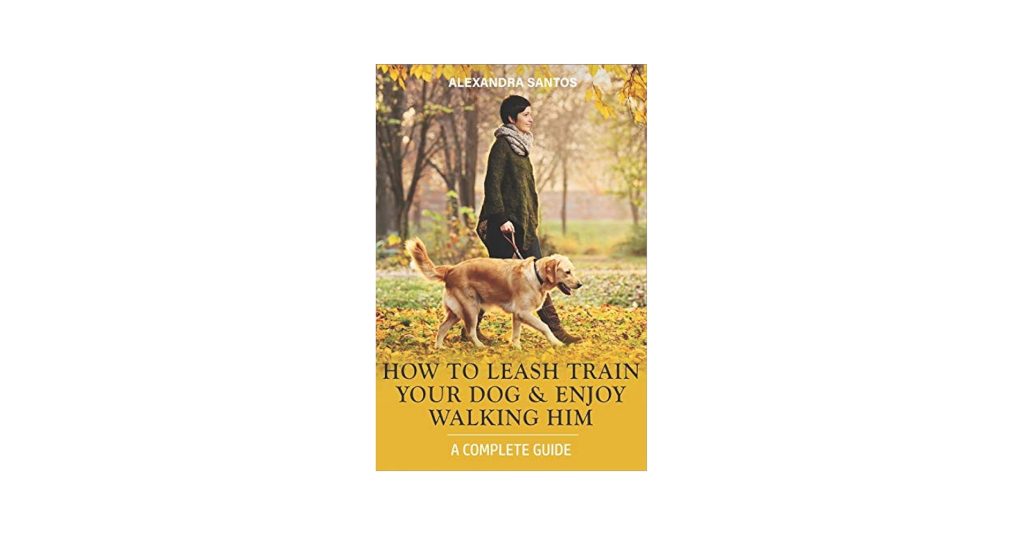
Training your dog to walk nicely on a leash can change your daily walks from stressful to enjoyable. If your furry friend pulls, jumps, or gets distracted, you’re not alone—and the good news is, you can fix it.
Imagine walking your dog calmly by your side, feeling proud and relaxed every time you step outside. This guide will show you simple, effective steps to leash train your dog, helping you build better control and a stronger bond. Ready to make walks fun again?
Keep reading to discover how.

Credit: www.youtube.com
Choosing The Right Leash And Collar
Choosing the right leash and collar sets the foundation for good leash training. These tools must fit your dog's size and personality. The right gear helps your dog stay comfortable and safe. It also makes training easier and more effective.
Types Of Leashes
- Standard Leash:Usually 4 to 6 feet long. Good for control and close walks.
- Retractable Leash:Allows more freedom. Not great for training beginners.
- Chain Leash:Strong and durable. Best for dogs that chew leashes.
- Slip Lead:Combines collar and leash. Use only with training knowledge.
- Hands-Free Leash:Worn around the waist. Useful for jogging or running.
Selecting The Best Collar
- Flat Collar:Common and comfortable. Good for ID tags and daily use.
- Martingale Collar:Tightens slightly when the dog pulls. Prevents slipping out.
- Head Collar:Controls the dog’s head gently. Helps reduce pulling.
- Harness:Distributes pressure across the body. Great for small or sensitive dogs.
Safety Considerations
- Choose a leash and collar that fit well. Avoid too tight or loose.
- Check the material. Strong and durable materials last longer.
- Inspect equipment regularly for wear and tear.
- Use reflective or bright colors for night walks.
- Avoid collars that can choke or harm your dog.
Preparing Your Dog For Leash Training
Begin by letting your dog wear the leash indoors to get used to its feel. Use treats and praise to create positive associations with the leash. Keep sessions short and calm to build comfort and trust.
Preparing your dog for leash training is crucial. It’s the foundation for a successful experience. A calm and prepared dog responds better to training. This process requires patience and consistency. Let’s explore some methods to get started.Building Positive Associations
Start by creating a positive link with the leash. Use treats and toys during this time. Let your dog sniff and explore the leash. Reward them for showing interest. This makes the leash a source of good things. Practice this in short sessions. This keeps your dog engaged and happy. Gradually, your dog will view the leash as something enjoyable.Introducing The Collar And Leash Indoors
Begin indoors where it’s familiar and safe. Attach the collar and let your dog wear it. Do this for short periods at first. Once your dog is comfortable, attach the leash. Let them drag it around. Supervise to avoid tangling or accidents. Reward calm behavior with treats or praise. This reinforces that the collar and leash are normal. Repeat these steps until your dog feels at ease. This sets a positive tone for outdoor walks later.Basic Leash Training Techniques
Mastering basic leash training techniques sets a strong foundation for enjoyable walks with your dog. It’s more than just holding a leash; it’s about clear communication and building trust. These simple steps can transform your daily walks from stressful struggles into fun bonding moments.
Teaching Heel Position
Start by choosing a side—usually left—where your dog will walk close to you. Use a short leash to keep your dog near your leg, preventing wandering. Reward your dog every few steps to encourage staying in position.
If your dog veers ahead or lags, gently guide them back to heel without pulling hard. Patience is key; it may take several short sessions over days. Your dog will learn that walking by your side means treats and praise.
Using Treats And Rewards
Treats work wonders to motivate your dog during leash training. Carry small, tasty bites and offer them right after your dog follows a command or stays close. This instant reward helps your dog connect good behavior with positive outcomes.
Don’t rely only on treats—mix in verbal praise and petting. Over time, your dog will respond even when treats aren’t visible. What reward does your dog respond to best? Experiment to find the most effective motivator.
Managing Pulling And Tugging
Pulling is one of the most common leash problems and can be frustrating. When your dog pulls, stop walking immediately. Wait patiently until the leash slackens, then resume walking.
This teaches your dog that pulling delays the fun walk. Avoid jerking the leash or yanking back—it can harm your dog and damage trust. Consistency matters more than force; your calm persistence will pay off.
Troubleshooting Common Challenges
Leash training can bring challenges that test your patience and your dog’s comfort. Problems like fear, distractions, or aggression may arise. These issues need gentle handling and clear strategies to keep training positive and safe.
Understanding common problems helps you stay calm and consistent. It improves your dog’s response and builds trust. Below are solutions to typical challenges you might face during leash training.
Handling Fear And Anxiety
Some dogs feel scared when first on a leash. They might pull, freeze, or try to run away. Fear can stop progress quickly.
- Use a soft voice to soothe your dog.
- Start in quiet, familiar places to reduce stress.
- Give treats and praise for calm behavior.
- Keep training sessions short and positive.
- Allow your dog to explore gently at its own pace.
Patience is key. Avoid forcing your dog forward. Let trust build slowly.
Dealing With Distractions
Distractions like other dogs, noises, or people can pull your dog’s attention away. This often causes pulling or ignoring commands.
- Practice leash training in low-distraction areas first.
- Use high-value treats to keep focus.
- Increase distractions gradually as your dog improves.
- Keep your dog close and use a calm, firm voice.
- Stop and wait if your dog gets too distracted.
Consistency helps your dog learn to ignore distractions over time.
Correcting Aggressive Behavior
Aggression on leash is serious and needs careful handling. It may appear as barking, lunging, or growling at others.
- Keep a safe distance from triggers.
- Use calm commands and avoid yelling.
- Reward calm behavior immediately.
- Distract your dog with toys or treats to redirect focus.
- Seek professional help for severe aggression.
Never punish aggression. It can worsen fear and behavior issues.
Advanced Training Tips
Once your dog is comfortable on the leash, it’s time to challenge both of you with advanced training tips. These techniques help build endurance, improve focus, and prepare your dog for real-world situations. You’ll see noticeable progress when you push beyond the basics thoughtfully and consistently.
Increasing Walk Duration
Gradually extending your walk time helps your dog build stamina without overwhelming them. Add five to ten minutes every few days and watch how their energy levels adjust. If your dog starts pulling or losing interest, it might be a sign to slow down the pace of increase.
Keep an eye on their body language. Are they still alert and responsive? Or do they seem tired or distracted? Adjust the length accordingly to keep walks enjoyable, not exhausting.
Training In Different Environments
Changing locations is key to solidifying leash skills. Try busy parks, quiet trails, or city streets to expose your dog to a variety of sights and sounds. This variety helps prevent distractions from breaking their focus.
Think about your own distractions during a walk—does your dog handle noise and movement well? If not, take small steps by introducing mild distractions first, then gradually increase the challenge. This builds confidence for both of you.
Incorporating Commands During Walks
Using commands like “heel,” “sit,” or “stay” during your walk sharpens your dog’s discipline. It’s a chance to practice obedience in real-time and keep their mind engaged. Try giving commands before crossing streets or when encountering other dogs to reinforce good behavior.
To keep training fun, mix up commands and reward with treats or praise immediately. Have you noticed how your dog reacts when you ask for a “sit” in an exciting setting? Their response can tell you a lot about their focus and readiness for more advanced training.

Credit: stationerypal.com
Maintaining Good Leash Habits
Maintaining good leash habits is essential for a smooth and enjoyable walking experience with your dog. It ensures safety, strengthens your bond, and makes daily walks something you both look forward to. Keeping these habits consistent helps your dog understand what you expect, reducing frustration for both of you.
Consistent Practice
Practice leash walking regularly to build strong habits. Short, frequent walks work better than occasional long ones because your dog learns to associate good behavior with walking time.
Try to keep the same commands and signals every time. Consistency in your tone and gestures helps your dog respond faster and more accurately.
Remember, even experienced dogs benefit from occasional refresher sessions. Do you notice how your dog’s attention improves with regular repetition?
Regular Exercise Benefits
Regular exercise keeps your dog calm and less likely to pull or get distracted on a leash. A tired dog is a good walker because they have less excess energy.
Exercise also improves your dog’s overall health and mood, making training more effective. Think about the last time you exercised—did it make focusing easier afterward?
Try combining leash training with fun activities like fetch or a new walking route to keep your dog mentally and physically engaged.
Monitoring Your Dog’s Comfort
Always watch your dog’s body language during walks. Signs of stress like excessive panting, pulling away, or stiff movements mean it’s time to pause and adjust.
Comfort also includes the right leash and collar type. A harness might suit some dogs better than a collar, especially if they tend to pull.
Ask yourself: Is your dog relaxed or tense? Adjust your pace or take breaks to keep the experience positive for both of you.
Credit: pethelpful.com
Frequently Asked Questions
How Long Does Leash Training Take For Dogs?
Leash training duration varies by dog age and temperament. Typically, consistent daily sessions over 2-4 weeks show progress. Patience and positive reinforcement speed learning. Small, frequent training sessions yield better results than long, infrequent ones.
What Are Common Leash Training Mistakes To Avoid?
Avoid pulling, harsh corrections, and inconsistent commands. Don’t use retractable leashes during training. Avoid rushing progress or ignoring distractions. Consistency and positive rewards ensure successful leash training.
How To Prevent A Dog From Pulling On Leash?
Use a front-clip harness or gentle leader for control. Stop walking when the dog pulls. Reward walking beside you calmly. Train with short, frequent sessions focusing on loose-leash walking.
When Should I Start Leash Training My Puppy?
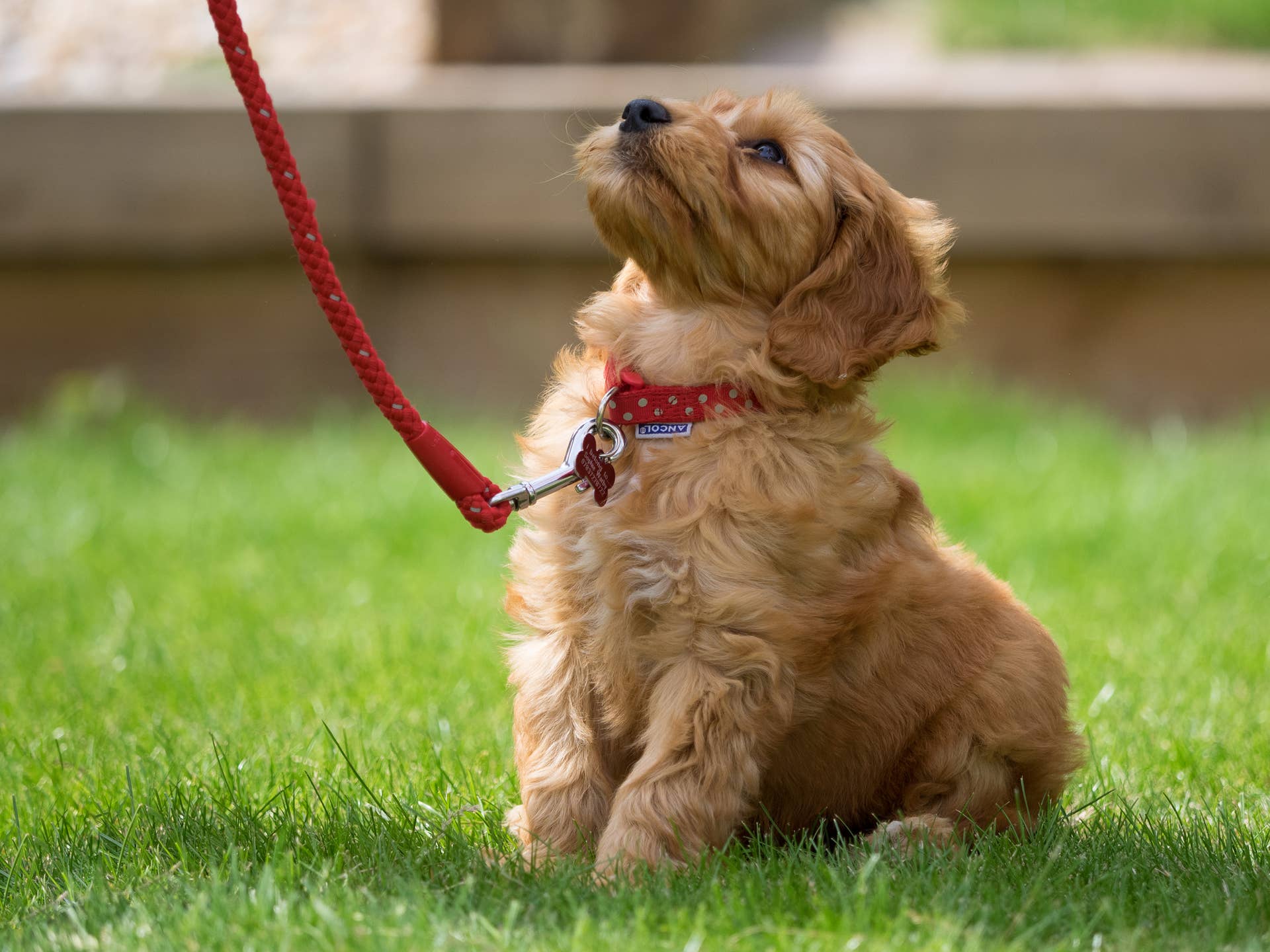
Start leash training as early as 8 weeks old. Early training builds good habits and socialization. Use gentle encouragement and short sessions to keep puppies engaged.
Conclusion
Leash training your dog takes time and patience. Consistency helps your dog learn good walking habits. Start slow and use gentle encouragement. Celebrate small wins to keep your dog motivated. Remember, every dog learns at its own pace. A well-trained dog enjoys walks more and stays safer.
Keep practicing regularly for best results. Enjoy the process and build a strong bond. Your efforts will make walks pleasant for both of you. Patience and kindness go a long way in training.

Emily Barker is the founder of ChillDogLife.com, a space dedicated to helping pup parents discover the best dog products, lifestyle tips, and cozy ideas for happier homes.
A lifelong dog lover, Emily combines her passion for pets with a knack for research to share trusted recommendations on everything from toys and furniture to health and everyday care.
Her goal is simple: to make life easier, stylish, and more joyful for dogs and the people who love them.




