
Choosing the right harness for your dog is just the first step. But how should a dog harness fit to keep your furry friend safe and comfortable?
If it’s too tight, your dog might feel trapped or even hurt. Too loose, and your dog could slip out, putting them at risk. You want a harness that stays snug without causing discomfort. You’ll discover simple tips to find the perfect fit for your dog’s harness.
Keep reading to make walks more enjoyable and worry-free for both you and your pet.
Choosing The Right Harness Type
Choosing the right harness type for your dog is crucial for comfort, control, and safety during walks. Each harness style serves a different purpose and fits your dog’s body in unique ways. Understanding these differences helps you pick one that matches your dog’s behavior, size, and walking needs.
Back-clip Harnesses
Back-clip harnesses have the leash attachment on the dog’s back, making them simple to put on and comfortable for everyday use. They work well for dogs that walk calmly without pulling. However, if your dog tends to pull, this type might give them more freedom to do so.
Think about your dog’s walking habits. Is your dog an easy walker, or do they pull often? This choice can save you frustration on daily strolls.
Front-clip Harnesses
Front-clip harnesses attach the leash at the chest, offering better control for dogs that pull. When your dog pulls, the harness redirects their attention back to you, helping to discourage the behavior. This type is great for training and managing strong or excitable dogs.
Have you noticed your dog pulling hard during walks? A front-clip harness could be the tool you need to regain control without hurting your dog.
Dual-clip Harnesses
Dual-clip harnesses combine the best of both worlds with leash attachments on the back and front. This versatility allows you to switch based on your walking situation or training goals. You get more control when needed and comfort when your dog behaves well.
Are you looking for flexibility in your walks? A dual-clip harness adapts to your dog’s behavior and your control preferences.
Step-in Harnesses
Step-in harnesses require your dog to step into the harness before you secure it on their back. They are usually easy to put on and take off, especially for dogs that dislike overhead straps. This design offers a snug fit and avoids pressure on the neck.
Does your dog resist harnesses that go over their head? A step-in harness might make the process easier and more comfortable for both of you.
Credit: medium.com
Measuring Your Dog Accurately
To ensure your dog's harness fits comfortably, accurate measurements are essential. A well-fitted harness enhances your dog’s comfort and safety. Avoid guessing your dog’s size to prevent discomfort or escape. Below, learn how to measure your dog accurately for a perfect harness fit.
Neck Measurement
Use a flexible measuring tape around your dog’s neck base. This area is just above the shoulders. Ensure the tape sits snug but not tight. Leave enough room for two fingers to slide under the tape. This ensures a comfortable fit without being too loose.
Chest Girth Measurement
Wrap the measuring tape around the widest part of your dog’s chest. This is usually right behind the front legs. Keep the tape level and snug. Allow two fingers’ space for comfort and flexibility. This helps prevent the harness from being too tight or restrictive.
Length Considerations
Measure from the base of your dog’s neck to the base of the tail. This length is crucial for harnesses that cover more of the body. Ensure the harness allows free movement without causing chafing. Double-check measurements to guarantee a proper fit.
Key Fit Features To Check
Choosing the right dog harness means checking several key fit features. These features ensure comfort, safety, and control during walks. Pay close attention to these aspects to make the harness suitable for your dog’s size and shape.
Adjustable Straps
Adjustable straps allow the harness to fit your dog’s body perfectly. They let you tighten or loosen the harness easily. This helps accommodate growth or changes in weight. Adjustable straps prevent chafing and slipping during movement.
Snugness Without Tightness
The harness should fit snugly but not be too tight. It should stay in place without pressing hard on the dog’s skin. A good fit avoids discomfort and breathing problems. You should be able to slide two fingers between the harness and your dog’s body.
Freedom Of Movement
Your dog needs to move naturally in the harness. It should not restrict walking, running, or jumping. Check that the harness does not rub under the legs or around the shoulders. A well-fitted harness lets your dog explore with ease.
Padding And Material
Soft padding adds comfort and protects your dog’s skin. Choose harnesses made from breathable, durable materials. These reduce irritation and overheating. Quality materials also ensure the harness lasts through active use.

Credit: www.mountaindog.uk
Common Fit Issues And Fixes
Getting the right fit for your dog’s harness can be trickier than it seems. Small adjustments make a big difference in your dog’s comfort and safety. Let’s look at common fit problems and how you can fix them quickly to keep your furry friend happy on every walk.
Harness Too Loose
A harness that’s too loose can slip off or cause your dog to pull harder. You want to fit it snug enough so you can slide two fingers between the harness and your dog’s body.
If you notice slipping, try tightening the adjustable straps evenly on both sides. Sometimes, switching to a harness with more adjustment points helps you get a better fit. Also, check the size chart carefully before buying — sizing varies by brand.
Harness Too Tight
A tight harness restricts movement and can cause discomfort or breathing issues. Watch for signs like your dog struggling to breathe, moving stiffly, or trying to bite at the harness.
Loosen the straps gradually until you can fit two fingers under the harness comfortably. If your dog has a thick coat or muscle mass, you may need a size up. Don’t ignore tight spots near joints or under the armpits—they can cause pain during walks.
Chafing And Irritation
Repeated rubbing can cause chafing or raw spots, especially on sensitive areas like the chest or underarms. Check your dog’s skin regularly for redness or hair loss where the harness touches.
To reduce irritation, try harnesses with padded straps or softer materials. Applying a little pet-safe balm on irritated spots can soothe the skin. Also, adjust the harness to avoid rubbing on bony areas or folds in your dog’s skin.
Harness Twisting Or Sliding
If the harness twists or slides out of place, it can cause uneven pressure and discomfort. This often happens if the harness is the wrong shape for your dog’s body or if the straps aren’t balanced.
Make sure all straps are tightened evenly and check that clips and buckles are secure. Switching to a harness style designed for your dog’s breed or body shape can prevent shifting. Ask yourself: does the harness stay put during play or does it constantly move?
Special Considerations For Different Breeds
Choosing the right harness for your dog means thinking about their unique body shape and lifestyle. Each breed has specific needs that affect how a harness should fit. You want to keep your dog comfortable and safe while ensuring the harness works well for their daily activities.
Small Breeds
Small dogs often have delicate frames, so a harness should be lightweight and adjustable. Too tight, and it can restrict movement; too loose, and your dog might slip out. Look for harnesses with soft padding that won’t irritate their skin or fur.
If your small dog pulls, a front-clip harness can help redirect them gently without causing neck strain. Have you noticed your tiny pup trying to back out of harnesses? That’s a sign you need a snug but comfortable fit that doesn’t give too much room to wiggle free.
Large Breeds
For large dogs, durability matters as much as fit. Their harness needs strong materials and secure buckles to handle their power. Make sure the harness sits well on their chest without rubbing under the armpits.
Large breeds often require wider straps to distribute pressure evenly. If the harness digs in or chafes, it can cause discomfort or skin damage. Try adjusting the straps to avoid sensitive spots, and consider harnesses with breathable mesh to reduce sweating during walks.
Short-nosed Dogs
Dogs with short noses, like Bulldogs or Pugs, breathe differently, so avoid harnesses that put pressure on their throat. A harness that fits around the chest and shoulders works best for them. It helps keep their airway clear and prevents choking.
Pay attention to how the harness fits around their neck and shoulders. Does it allow free movement without squeezing? Your dog’s breathing should stay normal even during exercise. If you notice any coughing or gagging, adjust the fit or try a different style.
Active And Working Dogs
Active dogs need harnesses that can keep up with their energy. Look for designs that offer extra support and flexibility. A well-fitted harness should stay in place during running, jumping, and training.
Durability is key here, but so is comfort. Padding in high-contact areas prevents sores during long wear. Ask yourself: Does the harness allow your dog full range of motion? If not, it might be time to upgrade to a performance harness suited for their lifestyle.
Adjusting Harness For Growth And Weight Changes
Adjusting a dog harness is important as your pet grows or changes weight. A harness that fits well keeps your dog safe and comfortable. It also prevents chafing or slipping out during walks. Regular checks and adjustments help maintain the right fit over time.
Puppies And Growing Dogs
Puppies grow fast. Their bodies change shape quickly. Check the harness size every few weeks. Adjust straps to allow room for growth. The harness should be snug but not tight. Leave space for two fingers between the harness and fur. Replace the harness if it becomes too small.
Weight Gain Or Loss
Weight changes affect how a harness fits. If your dog gains weight, the harness may feel tight. Loosen the straps carefully to avoid discomfort. Weight loss can make the harness loose. Tighten the straps so the harness fits securely. Watch for signs of rubbing or pinching as you adjust.
Seasonal Fur Changes
Dogs grow thicker fur in colder months. This extra fur can make a harness feel tight. Loosen the harness slightly during winter. In warmer months, fur thins out. Tighten the harness to keep a good fit. Adjusting for fur changes helps avoid skin irritation and keeps your dog comfortable.
Tips For Putting On And Taking Off
Putting on and taking off a dog harness can be a smooth process with the right approach. It’s not just about slipping it on; the fit and comfort matter deeply for your dog’s safety and happiness. Let’s look at practical tips that make this routine easy and stress-free for both of you.
Step-by-step Guide
- Hold the harness so the straps form a loop and the buckle is unfastened.
- Encourage your dog to step into the harness with their front legs, one at a time.
- Lift the harness up, positioning the chest strap comfortably across the chest.
- Fasten the buckle securely but not too tight, ensuring two fingers can fit between the harness and your dog’s body.
- Adjust any straps so the harness doesn’t slide or pinch.
- To remove, unbuckle and gently guide your dog’s legs out without rushing.
This approach gives your dog room to move freely without slipping out. Have you noticed your dog pulling more when the harness is too loose? Proper fitting can reduce that behavior.
Making It Comfortable
Comfort comes first. Look for soft padding on the harness, especially around the chest and underarms. Rough edges or tight spots can cause chafing or irritation.
Adjust straps little by little instead of all at once. Observe your dog’s reaction; if they seem uneasy, loosen the straps slightly. Does your dog prefer more freedom or a snug feel? Tailor the fit to their preference while maintaining security.
Getting Your Dog Used To The Harness
Introducing the harness should be a positive experience. Let your dog sniff and explore the harness before putting it on. Reward calm behavior with treats or praise.
Start by putting the harness on for short periods indoors. Gradually increase the time as your dog gets comfortable. Have you tried distracting your dog with a favorite toy or game during this process? It can make the harness feel less like a restraint.
By building positive associations, your dog will look forward to wearing the harness instead of resisting it.
Safety And Comfort Enhancements
Safety and comfort are key when choosing a dog harness. A well-fitted harness protects your dog during walks and keeps them comfortable. Certain features enhance both safety and comfort. These details make a big difference in your dog’s experience.
Reflective Strips
Reflective strips increase your dog’s visibility in low light. They reflect light from cars and street lamps. This helps drivers see your dog from a distance. Reflective strips are essential for early morning or evening walks. They add an extra layer of safety without discomfort.
Breathable Materials
Breathable materials keep your dog cool and dry. These fabrics allow air to flow through the harness. They prevent overheating and skin irritation. Soft, lightweight fabrics reduce chafing and rubbing. Breathable materials improve your dog’s comfort, especially in warm weather.
Quick-release Buckles
Quick-release buckles make putting on and taking off easy. They save time and reduce stress for both you and your dog. In emergencies, these buckles allow fast removal of the harness. Strong and secure, they prevent accidental openings. Quick-release buckles add convenience and safety in one.

Credit: ezydog.com.au
Frequently Asked Questions
How Tight Should A Dog Harness Fit?
A dog harness should fit snugly but not too tight. You should be able to slide two fingers between the harness and your dog’s body. This ensures comfort and prevents chafing while maintaining control during walks.
Where Should A Dog Harness Sit On The Body?
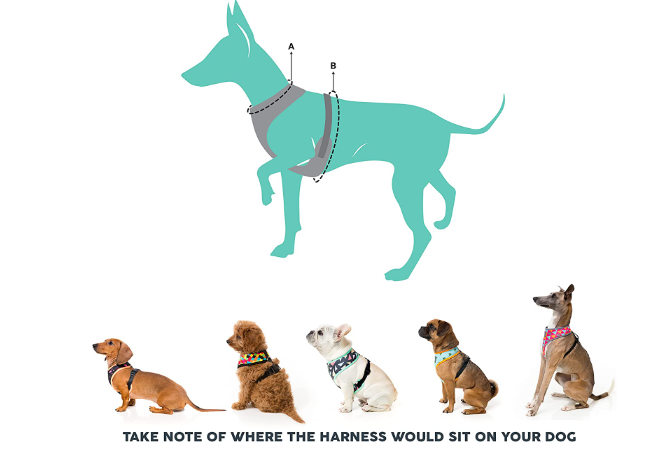
A dog harness should sit comfortably around the chest and shoulders. It should avoid pressure on the neck or throat. Proper placement helps distribute pulling force evenly, reducing strain and improving your dog’s comfort.
Can A Loose Harness Cause Problems?
Yes, a loose harness can cause chafing and escape risks. It may also reduce control during walks. Always ensure a snug fit for safety, comfort, and effective handling of your dog.
How To Measure My Dog For A Harness?
Measure your dog’s chest girth at the widest part behind the front legs. Also, measure the neck circumference where the collar normally sits. Use these measurements to choose the right harness size for the best fit.
Conclusion
A dog harness should fit snugly but not too tight. It must allow your dog to move and breathe easily. Check straps around the chest and neck for comfort. Adjust the harness often, especially for growing dogs. A good fit keeps your dog safe and happy.
Take time to find the right size and style. Your dog will enjoy walks more with a proper harness. Simple steps make a big difference in your dog’s comfort. Keep your furry friend secure and comfortable every time.

Emily Barker is the founder of ChillDogLife.com, a space dedicated to helping pup parents discover the best dog products, lifestyle tips, and cozy ideas for happier homes.
A lifelong dog lover, Emily combines her passion for pets with a knack for research to share trusted recommendations on everything from toys and furniture to health and everyday care.
Her goal is simple: to make life easier, stylish, and more joyful for dogs and the people who love them.




