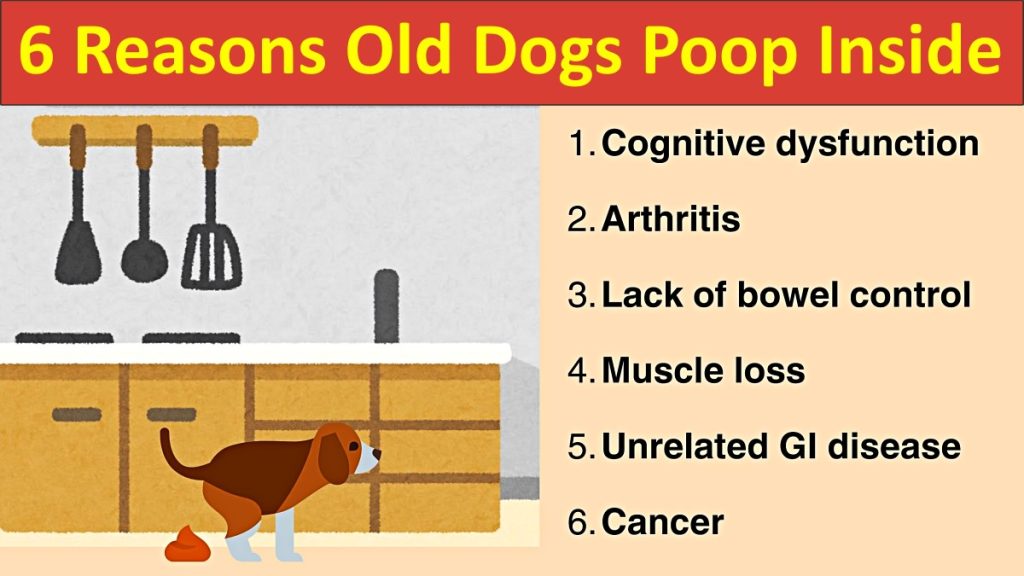
Have you ever woken up to find that your dog pooped on your bed? It’s confusing, frustrating, and honestly, a little gross.
You might be wondering why your furry friend suddenly decided to make your cozy spot their bathroom. Understanding the reasons behind this behavior can help you fix the problem and keep your bed clean. You’ll discover the surprising causes and simple solutions that can bring peace back to your home.
Keep reading—you’re about to unlock the secrets your dog is trying to tell you.
Common Causes Of Indoor Accidents
Indoor accidents like your dog pooping on your bed can be frustrating and confusing. Understanding why this happens is the first step to addressing the issue effectively. Dogs don’t usually choose your bed as a bathroom spot without a reason behind it.
Medical Issues To Consider
Health problems can cause sudden indoor accidents. Conditions such as gastrointestinal upset, parasites, or urinary tract infections may make it hard for your dog to control their bowels. If your dog’s behavior changes overnight, a vet visit is crucial to rule out medical causes.
Remember, dogs can’t tell you when they feel sick, so watch for other signs like lethargy or loss of appetite. Ignoring medical issues can worsen the problem and create more accidents.
Behavioral Triggers
Stress and anxiety can push your dog to soil places they usually avoid. Changes in the environment, loud noises, or separation anxiety might trigger this behavior. Think about recent events that could have unsettled your dog—have you moved furniture, added a new pet, or had visitors?
Sometimes, dogs use accidents as a way to get attention or express discomfort. Reflect on how you respond to these incidents; your reaction can either calm your dog or unintentionally encourage the behavior.
Changes In Routine
Dogs thrive on routine, and disruptions can confuse them about when and where to relieve themselves. A shift in your schedule, missed walks, or changes in feeding times can lead to indoor accidents. Has your dog’s daily routine been consistent lately?
Keeping a steady schedule for walks, feeding, and playtime helps your dog know when it’s time to go outside. Even small changes can make a big difference in their bathroom habits.

Credit: www.reddit.com
Stress And Anxiety Factors
Stress and anxiety can cause dogs to act out, including pooping on beds. Changes in routine or loud noises often trigger these behaviors. Dogs may seek comfort by marking familiar places during stressful times.
Stress and anxiety can be significant factors in why your dog might choose to poop on your bed. Understanding these emotional triggers can help you address the issue effectively. Often, your dog’s behavior is a way of communicating discomfort, fear, or stress.Separation Anxiety
Dogs are incredibly social animals and often experience separation anxiety when left alone. If your dog is used to constant companionship, suddenly being left alone can trigger stress. This may lead them to seek comfort in your scent-filled bed, resulting in accidents. Consider your dog’s routine. Has something changed that might make them feel more isolated? Providing a comforting item like your unwashed shirt or a special toy might help ease their anxiety when you’re away.Environmental Changes
Even minor changes in your home environment can unsettle your dog. Moving to a new home, rearranging furniture, or even a new family member can impact your dog’s sense of security. Observe any recent changes. Did you move the bed or bring in new furniture? Try maintaining some consistency in their sleeping area to help them feel safe and secure.Fear And Trauma
Past traumas or fear can manifest in unexpected ways. Loud noises, strangers, or even other animals might trigger an anxious response in your dog. Think about recent events that might have frightened your pet. Was there a thunderstorm or a new visitor? Creating a safe space where your dog can retreat might help them feel more at ease during stressful situations. Addressing these stress and anxiety factors requires patience and understanding. By tuning into your dog’s emotional cues, you can create a more harmonious living environment for both of you.Territorial Marking Explained
Territorial marking is a natural behavior for dogs, but it can be frustrating when your dog chooses your bed as the spot. Understanding why your dog poops on your bed often involves looking at how they use scent to communicate ownership and boundaries. This behavior is more than just a mess; it’s a message your dog is trying to send.
Understanding Scent Marking
Dogs use scent marking to claim their space and communicate with other animals. They have scent glands in their paws and around their anus, which release unique smells. When your dog poops on your bed, it’s a way of saying, “This is mine.”
Think about it: your bed carries your scent, which is comforting to your dog. By adding their scent, your dog blends their identity with yours, creating a shared territory. This can be a sign of attachment but also a way to protect what they see as their space.
Triggers For Marking Beds
Several triggers can push your dog to mark your bed specifically:
- New pets or people:Your dog might feel the need to assert dominance or security when the household changes.
- Stress or anxiety:Changes in routine or environment can cause your dog to mark more frequently.
- Unneutered males:These dogs tend to mark more as part of their natural instincts.
- Unfamiliar smells on your bed:If your bed smells like another animal or person, your dog might try to cover it with their scent.
Have you noticed your dog marking after a guest visit or a move? That could be the trigger you’re missing. Identifying the cause helps you address the behavior more effectively.
Credit: pethelpful.com
Training And Hygiene Challenges
Training and hygiene challenges often play a big role when your dog chooses your bed as a bathroom spot. Understanding these issues can help you address the root causes effectively. Let’s look at some common hurdles that can lead to this frustrating behavior.
Inconsistent House Training
Inconsistent house training confuses your dog about where it’s okay to go. If you switch between different commands or punishments, your dog may not connect the dots clearly. This can cause accidents in unusual places, like your bed.
Think about how you trained your dog from the start. Did you use the same routine every day? Dogs thrive on consistency. Without it, they might not fully grasp what you expect.
Try setting a clear schedule for bathroom breaks and stick to it. Reward your dog immediately after they go outside to reinforce good behavior. Have you noticed if your dog’s accidents happen more when your routine changes?
Cleaning And Smell Issues
Dogs rely heavily on scent. If your bed or bedroom still smells like urine, your dog might return to the spot. Ordinary cleaning products often don’t remove all odors.
Use enzymatic cleaners specifically designed to break down pet waste odors. These cleaners target the source rather than just masking the smell. Have you ever cleaned a spot thoroughly but your dog went back to the same place anyway?
Pay attention to bedding and mattresses. Washing sheets isn’t enough if the mattress absorbs the smell. You might need to deep clean or replace items to fully eliminate the scent.
How To Prevent Future Incidents
Stopping your dog from pooping on your bed again takes a mix of training, environment control, and understanding your dog’s feelings. Each dog is different, so combining these approaches can help you find what works best for your furry friend. Let’s look at practical ways to keep your bed off-limits and make your dog feel secure and happy.
Effective Training Tips
Start by clearly teaching your dog where it’s okay to go potty. Use positive reinforcement like treats and praise when they use their designated spot.
Supervise your dog closely, especially after meals or naps, so you can guide them if they head toward your bed. If you catch them in the act, calmly interrupt and take them to the right place.
Consistency is key. Keep the same commands and routines to avoid confusing your dog. Have you noticed how quickly dogs learn when you stick to a schedule?
Managing Stress In Dogs
Stress can make dogs act out in unexpected ways, including inappropriate pooping. Watch for signs like pacing, whining, or restlessness, which might point to anxiety.
Try calming activities such as daily walks, playtime, or puzzle toys to keep your dog mentally and physically engaged. Sometimes, a simple change in routine can reduce their stress significantly.
Consider if any new changes in your home, like visitors or loud noises, might be unsettling your dog. How do you think your dog feels when things get chaotic around the house?
Maintaining A Clean Environment
Keep your bedroom door closed or use a baby gate to block your dog’s access when you’re not around. This simple step can prevent accidents before they happen.
Regularly clean your dog’s bedding and the areas they use for potty breaks. This helps reduce confusion and keeps smells from attracting them back to the wrong spots.
Use enzymatic cleaners to eliminate odors completely. Have you ever noticed how lingering smells can encourage repeat behavior? Removing them stops your dog from thinking the bed is still a bathroom.
Credit: www.preventivevet.com
When To Seek Professional Help
Knowing when to seek professional help is crucial if your dog has started pooping on your bed. Sometimes, this behavior is more than just a bad habit or a one-time accident. It might signal underlying health or emotional issues that require expert attention.
Veterinary Consultation
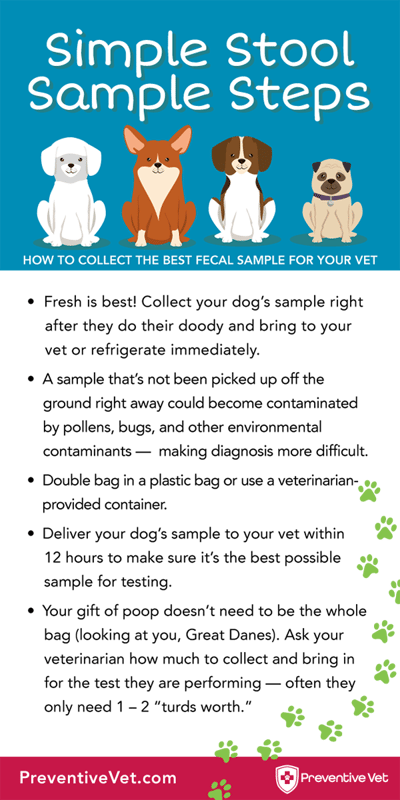
If your dog suddenly begins pooping on your bed without any clear reason, it’s time to visit the vet. Health problems like digestive issues, infections, or even neurological disorders can cause loss of bowel control.
Imagine a normally well-trained dog that starts having accidents overnight. Could it be a urinary tract infection or a sudden allergy? A vet can run tests to rule out medical causes and recommend treatment if needed.
Don’t ignore repeated accidents, especially if your dog shows signs of discomfort, lethargy, or changes in appetite. Early medical intervention can save your dog from prolonged distress and prevent further messes.
Behavioral Specialist Intervention
Sometimes, pooping on the bed is a sign of stress, anxiety, or confusion. If your dog’s health is fine, a behavioral specialist might help you understand the root cause.
Have there been recent changes in your home, like a new baby, a move, or a new pet? Dogs can feel unsettled and express it through unwanted behaviors.
A specialist can guide you through training techniques and environmental adjustments to ease your dog’s anxiety. They might suggest creating a safe space or using calming products to support your pet’s emotional well-being.
Ask yourself: Is your dog getting enough exercise and mental stimulation? Lack of these can also lead to destructive or inappropriate behaviors.
Frequently Asked Questions
Why Did My Dog Poop On My Bed Suddenly?
Dogs may poop on beds due to stress, illness, or changes at home. Anxiety or disrupted routines often cause this behavior. A vet checkup can rule out medical issues. Proper training and comforting can help prevent future accidents.
Can Health Issues Cause Dogs To Poop Indoors?
Yes, health problems like infections or digestive issues can cause indoor pooping. If your dog suddenly poops inside, consult a vet. Early diagnosis helps treat the condition and avoid repeated accidents.
How Can I Stop My Dog From Pooping On The Bed?
Maintain a consistent potty schedule and clean accidents thoroughly. Use positive reinforcement for outdoor pooping. Provide mental stimulation and reduce stress. Consult a trainer or vet for persistent issues.
Is Anxiety A Reason For Bed Pooping In Dogs?
Yes, anxiety often leads dogs to poop in unusual places. Separation, loud noises, or new environments can trigger this. Managing stress and creating a safe space helps reduce anxiety-related accidents.
Conclusion
Dogs may poop on beds for many reasons, like stress or health issues. Observe your dog’s behavior to find clues. Keep their bathroom routine consistent and clean areas well. Training and patience help prevent this problem. Consult a vet if accidents continue.
Understanding your dog’s needs builds trust and comfort. This way, you protect your home and keep your dog happy.

Emily Barker is the founder of ChillDogLife.com, a space dedicated to helping pup parents discover the best dog products, lifestyle tips, and cozy ideas for happier homes.
A lifelong dog lover, Emily combines her passion for pets with a knack for research to share trusted recommendations on everything from toys and furniture to health and everyday care.
Her goal is simple: to make life easier, stylish, and more joyful for dogs and the people who love them.




