
Is your dog barking nonstop in their kennel? It can be frustrating for both you and your furry friend.
You want your dog to feel safe and calm, but constant barking makes that hard. Luckily, you don’t have to live with this noisy problem. You’ll discover simple, effective ways to help your dog stop barking in their kennel. These tips are easy to follow and will bring peace back to your home.
Keep reading to learn how to make your dog’s kennel a quiet, comfortable space they love.
Credit: theraleighbeergarden.com
Reasons Dogs Bark In Kennels
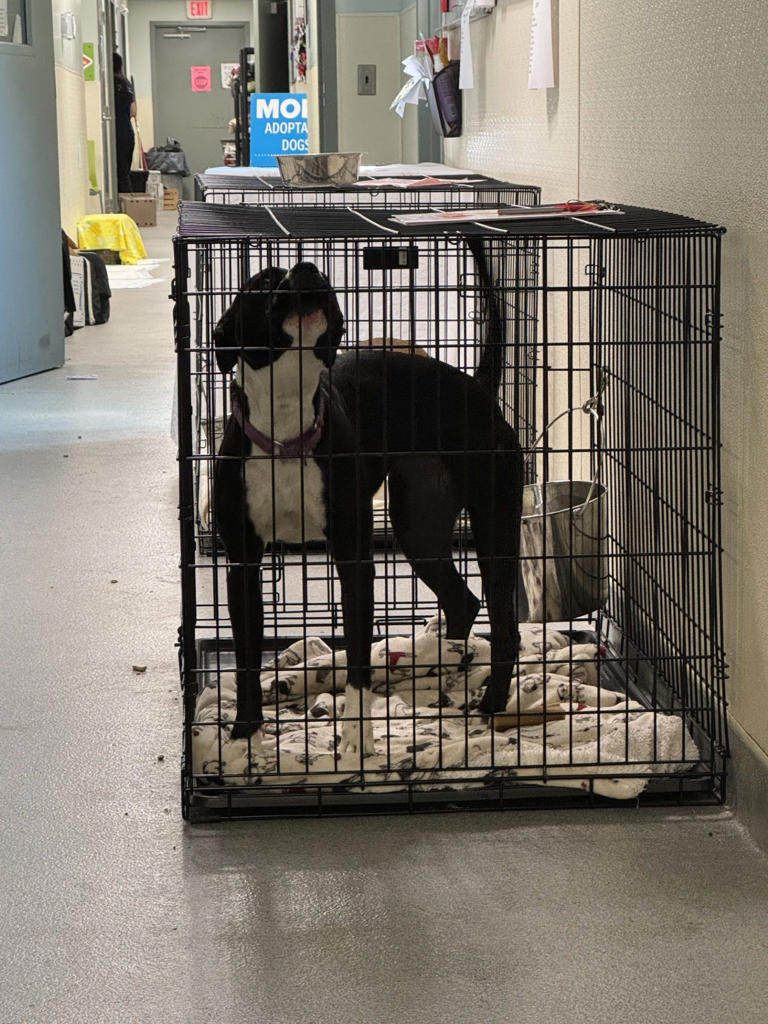
Dogs bark in kennels for many reasons. Understanding these reasons helps reduce barking. Barking is a natural way dogs express feelings. Kennels can cause unique challenges for dogs. These challenges may trigger barking more often than usual.
Separation Anxiety
Dogs feel lonely and scared when left alone. Separation anxiety causes loud and constant barking. They want to find their owner or get comfort. This anxiety can lead to restless behavior and stress.
Boredom And Lack Of Stimulation
Kennels may not offer enough activities. Dogs get bored with nothing to do. Boredom makes dogs bark to pass time. Mental and physical exercises help reduce this barking.
Fear And Stress
New places and sounds can frighten dogs. Fear triggers barking as a warning or defense. Stress in kennels comes from strange smells or noises. Calm and familiar items help lower stress levels.
Attention Seeking
Dogs bark to get noticed by people. Barking is a way to ask for play or care. If barking brings attention, dogs repeat it. Teaching quiet behavior helps control this habit.
Preparing The Kennel Environment
Preparing the kennel environment is key to reducing your dog’s barking. A calm, cozy space helps your dog feel safe and relaxed. Dogs often bark due to discomfort or boredom. Setting up the kennel correctly can prevent these triggers.
Comfortable Bedding And Toys
Soft bedding makes the kennel inviting and warm. Choose materials that are easy to clean and gentle on your dog’s skin. Provide chew toys or puzzle toys inside the kennel. These keep your dog busy and reduce anxiety. Rotate toys regularly to maintain interest.
Minimizing Noise And Distractions
Place the kennel in a quiet corner of your home. Avoid spots near loud appliances or busy hallways. Use white noise machines or soft music to mask sudden sounds. Cover part of the kennel with a breathable cloth to block visual distractions. This creates a peaceful, secure retreat.
Proper Kennel Size
The kennel should be just large enough for your dog to stand, turn, and lie down comfortably. Too small causes stress, too large encourages barking for attention. Measure your dog before choosing the kennel size. A well-fitted kennel feels like a cozy den, promoting calmness.
Training Techniques To Reduce Barking
Reducing barking in a kennel requires patience and the right training techniques. You need methods that encourage calm behavior and teach your dog when it’s okay to be quiet. These strategies help your dog feel more comfortable and less anxious, which naturally cuts down on excessive barking.
Positive Reinforcement
Positive reinforcement rewards your dog for staying quiet instead of barking. When your dog stops barking, immediately offer a treat, praise, or a favorite toy. This teaches your dog that silence brings good things, making them more likely to repeat the behavior.
Try to catch your dog in the act of being calm, not just after barking stops. For example, if your dog is quiet for a few seconds, reward that moment. This builds a clear connection between quiet behavior and positive outcomes.
Desensitization To Triggers
Identify what makes your dog bark in the kennel—strangers, noises, or other dogs—and expose your dog to these triggers slowly. Start with low levels of the trigger and gradually increase exposure while keeping your dog calm.
Imagine your dog barks at the sound of footsteps. Play soft footsteps sounds from a distance and reward calm behavior. Over time, your dog learns the trigger isn’t a threat and stops barking.
Teaching Quiet Commands
Teach your dog a simple “quiet” command to control barking on cue. When your dog barks, say “quiet” calmly and wait for them to stop. Once silent, immediately give a treat or praise.
Practice this consistently. Soon, your dog will understand that “quiet” means stop barking and that silence earns rewards. This command gives you a powerful tool to manage barking in the kennel or anywhere else.
Exercise And Mental Stimulation
Exercise and mental stimulation are key to reducing barking in kennels. Dogs often bark out of boredom or excess energy. Keeping your dog active helps lower stress and restlessness. A tired dog is a calm dog. Mental challenges also keep their mind busy and less focused on noise or loneliness.
Daily Physical Activities
Regular exercise helps your dog release energy naturally. Simple activities include:
- Short walks around the neighborhood
- Playing fetch in a safe yard
- Running alongside you during a bike ride
- Chasing a ball or frisbee
- Interactive play sessions with you
These activities tire your dog physically. A tired dog barks less in the kennel. Consistency matters most. Exercise your dog every day for at least 30 minutes.
Interactive Toys And Puzzles
Interactive toys challenge your dog’s mind. They reduce boredom and anxiety. Examples include:
- Treat-dispensing balls
- Puzzle feeders
- Chew toys with hidden compartments
- Snuffle mats that hide kibble
These toys encourage problem-solving and focus. Your dog stays busy and quiet inside the kennel. Rotate toys regularly to keep interest high. Mental stimulation complements physical exercise well.
Using Tools And Products
Stopping a dog from barking in a kennel can be challenging. Tools and products offer extra support to calm your pet. These items help reduce noise and ease anxiety in different ways.
Choosing the right tool depends on your dog’s size, temperament, and barking cause. Using these aids alongside training boosts success. Here are some popular options to consider.
Anti-bark Collars
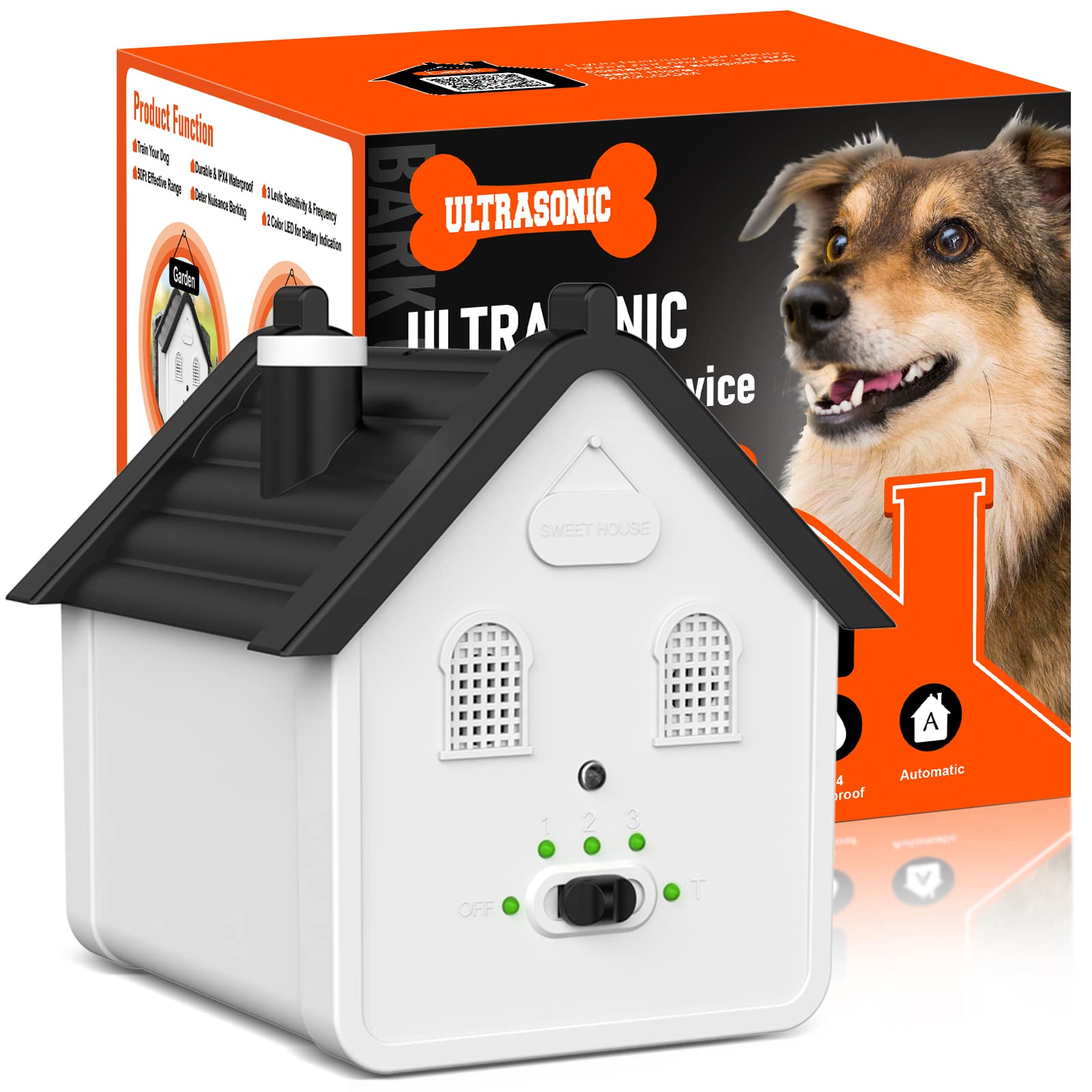
Anti-bark collars send a signal when your dog barks. This signal can be a gentle vibration or a sound only dogs hear. The goal is to distract your dog and stop barking.
Use collars designed for comfort and safety. Avoid harsh corrections or shocks. These collars work best with training and patience.
White Noise Machines
White noise machines mask outside sounds that trigger barking. They create a consistent, soothing background noise. This helps your dog feel less alert to sudden noises.
Place the machine near the kennel for best results. White noise also helps dogs relax and sleep better. It is an easy, non-invasive way to reduce barking.
Calming Sprays And Diffusers
Calming sprays and diffusers release natural scents that relax dogs. Ingredients like lavender and chamomile help reduce stress. These products create a peaceful kennel environment.
Use sprays on bedding or diffusers near the kennel area. They are safe and simple to use daily. These scents work well combined with other calming methods.
Credit: www.whole-dog-journal.com
When To Seek Professional Help
Knowing when to seek professional help for your dog’s barking in the kennel is crucial. Sometimes, the issue goes beyond simple training and requires expert attention. Recognizing the signs early can save you and your dog from prolonged stress and frustration.
Signs Of Severe Anxiety
Your dog’s barking might be more than just a habit—it could be a sign of severe anxiety. Look for behaviors like pacing, drooling, destructive chewing, or attempts to escape the kennel.
If your dog seems unable to calm down even after you return, or if the barking happens nonstop, anxiety might be the root cause. These signs show your dog is overwhelmed and may need more than just basic training to feel safe.
Behaviorist And Trainer Assistance
Professional behaviorists and trainers can offer targeted help when your dog’s barking is tied to anxiety or fear. They assess your dog’s unique triggers and develop a personalized plan to reduce stress and improve behavior.
Working with a specialist can introduce techniques like gradual desensitization or positive reinforcement tailored specifically to your dog’s needs. Have you tried all the usual tricks but still hear nonstop barking? A professional might be the key to finding a lasting solution.
Credit: www.msn.com
Frequently Asked Questions
How Can I Calm My Dog In A Kennel?
To calm your dog in a kennel, create a soothing environment. Use soft bedding, play calming music, and provide familiar toys. Consistency in routine helps them feel secure. Gradually increase kennel time, rewarding calm behavior with treats and praise. Patience and understanding are key to helping your dog adjust.
Why Does My Dog Bark In The Kennel?
Dogs bark in kennels due to anxiety, boredom, or discomfort. They might feel isolated or stressed. Understanding the cause is crucial. Ensure the kennel is comfortable and familiar. Regular exercise and mental stimulation reduce boredom. Addressing these needs can help reduce excessive barking over time.
What Toys Help Reduce Kennel Barking?
Interactive toys, like puzzle feeders and chew toys, can reduce kennel barking. These toys engage your dog’s mind and provide entertainment. They help distract from anxiety and boredom. Rotate toys regularly to maintain interest. Always choose safe, durable toys appropriate for your dog’s size and chewing habits.
How Long Should Dogs Stay In Kennels?
Dogs shouldn’t stay in kennels for extended periods. Ideally, limit kennel time to a few hours. Puppies need more frequent breaks. Ensure they have regular exercise, potty breaks, and social interaction. Prolonged confinement can lead to stress and behavioral issues.
Balance kennel time with activities and attention.
Conclusion
Stopping a dog from barking in a kennel takes time and patience. Consistent training helps your dog feel calm and secure. Use quiet rewards and gentle corrections to guide behavior. Make the kennel a positive, safe space your dog enjoys.
Remember, every dog learns at its own pace. Stay calm and keep trying daily. Soon, barking will reduce, making kennel time peaceful for both of you.

Emily Barker is the founder of ChillDogLife.com, a space dedicated to helping pup parents discover the best dog products, lifestyle tips, and cozy ideas for happier homes.
A lifelong dog lover, Emily combines her passion for pets with a knack for research to share trusted recommendations on everything from toys and furniture to health and everyday care.
Her goal is simple: to make life easier, stylish, and more joyful for dogs and the people who love them.




