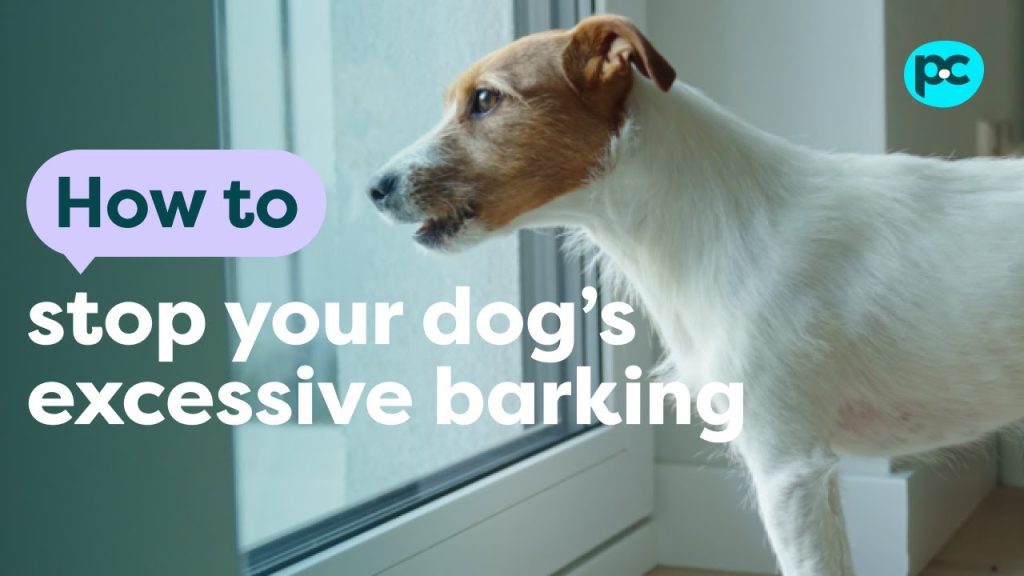
Is your dog constantly barking in the kennel, leaving you frustrated and exhausted? You’re not alone.
Excessive barking can disturb your peace and make your furry friend unhappy too. But what if you could stop the noise and create a calm, comfortable space for your dog? You’ll discover simple, effective ways to quiet your dog’s barking in the kennel.
Keep reading—you’ll soon have a happier dog and a quieter home.

Credit: pupford.com
Reasons Dogs Bark In Kennels
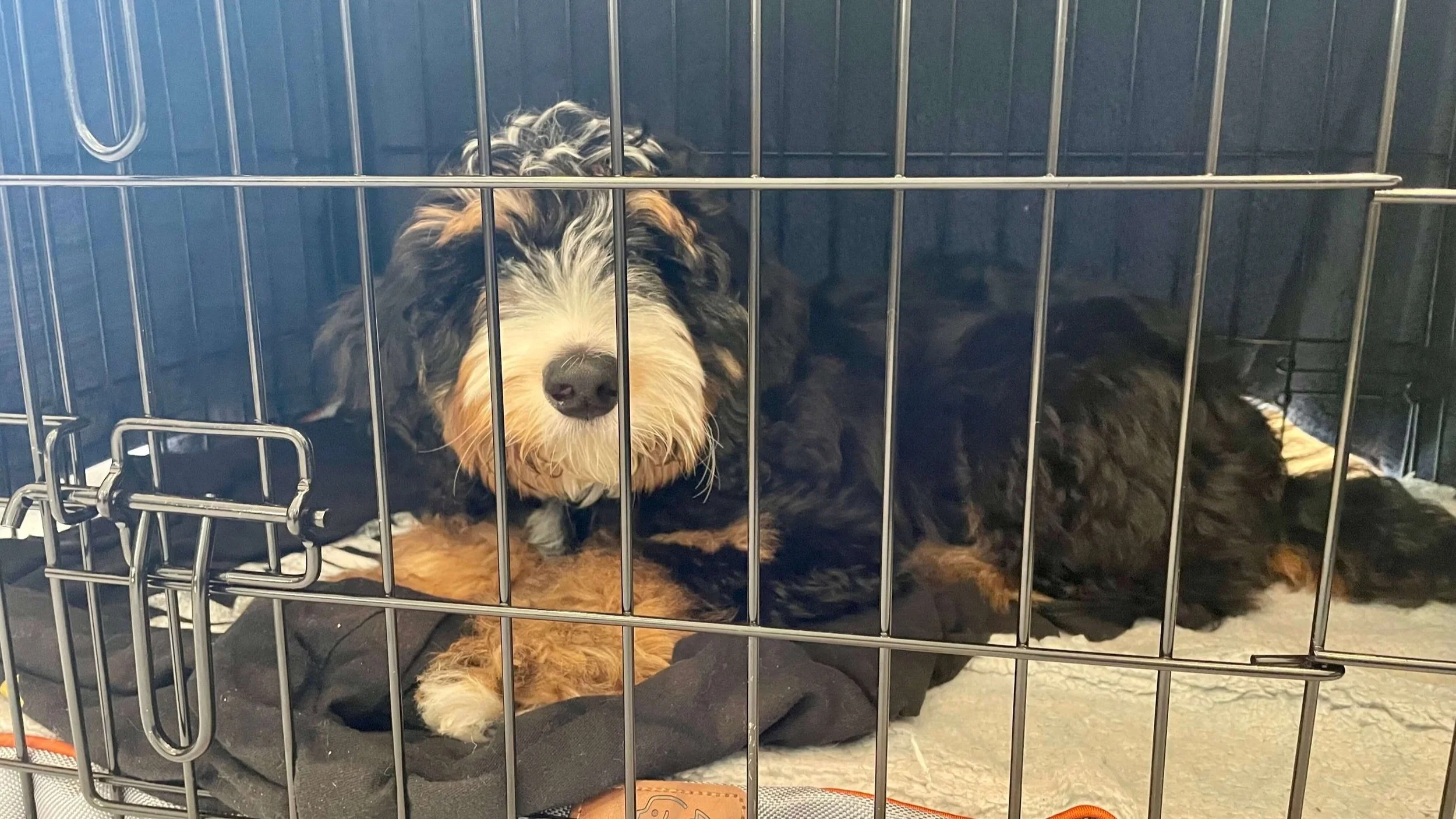
Dogs often bark in kennels for various reasons. Understanding why your dog barks helps to manage this behavior. Barking can signal different feelings or needs. Identifying the cause allows you to respond correctly and keep your dog calm.
Separation Anxiety
Many dogs bark due to separation anxiety. They feel lonely and stressed when left alone. Barking is their way to call for you. This behavior shows their discomfort and need for company.
Boredom And Lack Of Stimulation
Dogs need mental and physical activity every day. In a kennel, they may feel bored without toys or interaction. Barking can happen from excess energy or frustration. Providing stimulation reduces this kind of barking.
Fear And Stress
New environments or loud noises can scare dogs. Kennels may seem strange or threatening. Barking is a natural reaction to fear or stress. Recognizing this helps you create a more secure space for your dog.
Attention-seeking Behavior
Dogs quickly learn barking gains attention. They bark to get you to notice them. This behavior can become a habit in kennels. Teaching your dog to wait calmly helps reduce attention barking.
Credit: www.dogsavvylosangeles.com
Preparing The Kennel Environment
Creating the right environment inside your dog’s kennel can significantly reduce excessive barking. Dogs often bark due to discomfort, stress, or simply because their surroundings are not suited to their needs. By focusing on comfort, noise control, and space, you can create a peaceful area that encourages calm behavior.
Comfortable Bedding
Your dog’s kennel should feel like a cozy retreat. Soft, supportive bedding cushions joints and helps your dog relax. Choose materials that are easy to clean and durable, like memory foam or thick blankets.
I once switched to an orthopedic bed for my older dog, and the difference was clear—less restlessness and fewer barks. Have you noticed your dog pacing or whining because the floor feels hard? A good bed can make a big difference in calming them down.
Noise Reduction Techniques
Unexpected sounds often trigger barking, especially if your dog is sensitive. Try covering part of the kennel with a breathable blanket to muffle noises without blocking airflow. White noise machines or soft music can also help mask disruptive sounds.
Think about the location of the kennel too. Placing it away from busy streets or loud appliances reduces startling noises. Have you tested how your dog reacts to sounds around the kennel? Small adjustments can quiet their environment and their voice.
Appropriate Kennel Size
Space matters when it comes to reducing barking. A kennel that’s too small makes your dog feel trapped and anxious, leading to more noise. On the other hand, a kennel that’s too large can feel empty and encourage wandering or barking out of boredom.
Measure your dog while standing and lying down to find the perfect size. Your dog should be able to turn around comfortably but not have excess space to roam. How does your dog behave when confined? Adjusting kennel size might be the key to less barking.
Training Techniques To Reduce Barking
Training your dog to stop barking in the kennel requires consistent techniques that focus on changing their behavior in a positive way. Using training methods that encourage calmness and control helps your dog feel more comfortable and less likely to bark excessively. Here are some effective approaches you can try that focus on encouragement, gradual exposure, and clear communication.
Positive Reinforcement
Rewarding your dog when they stay quiet in the kennel is a powerful way to encourage good behavior. Use treats, praise, or a favorite toy immediately after your dog stops barking. This helps your dog link being calm with something positive.
Try to catch your dog’s quiet moments often. The more you reward silence, the more your dog will want to repeat it. Have you noticed how your dog’s attention shifts when you hold a treat? Use that to your advantage.
Desensitization And Counter-conditioning
Your dog may bark because they feel stressed or frightened by certain noises or sights outside the kennel. Start by exposing your dog to these triggers at a very low level—so low that they don’t bark. Gradually increase the intensity over time.
At the same time, pair the presence of the trigger with something your dog loves, like treats or playtime. This changes their emotional response from fear or excitement to calmness. Have you tried noticing what makes your dog bark before the noise gets too loud?
Using Commands And Signals
Teaching your dog a clear command like “quiet” or “enough” gives you a way to communicate what you expect. When your dog barks, calmly say the command and wait for them to stop. Once they do, immediately reward their silence.
Hand signals can also work well, especially in noisy environments where your voice may not be heard clearly. Consistency is key: use the same word and gesture every time. How often do you practice commands with your dog to reinforce their understanding?

Credit: www.dogsavvylosangeles.com
Providing Mental And Physical Stimulation
Providing mental and physical stimulation is key to reducing barking in the kennel. Dogs often bark out of boredom or excess energy. Keeping them busy helps lower their stress and restlessness.
Engaging your dog with activities inside and outside the kennel can calm their mind. It also helps them feel content and less likely to bark for attention.
Regular Exercise
Exercise helps your dog burn extra energy. A tired dog barks less and rests more peacefully. Daily walks, runs, or play sessions improve behavior and mood.
Exercise also strengthens the bond between you and your dog. Plan at least 30 minutes of activity each day. Adjust based on your dog’s breed and age.
Interactive Toys
Interactive toys keep dogs entertained in the kennel. Toys that move or make noise stimulate curiosity and focus. They reduce boredom and stop repetitive barking.
Choose toys that suit your dog’s size and play style. Rotate toys regularly to maintain interest. Chew toys, balls, and squeaky toys are great options.
Puzzle Feeders
Puzzle feeders challenge your dog’s mind while feeding. They slow down eating and provide mental work. This distraction helps reduce anxious barking.
Use puzzle feeders during kennel time to keep your dog busy. Start with simple puzzles and increase difficulty as your dog learns. This makes feeding time fun and calming.
Using Tools And Aids Safely
Using tools and aids can help reduce barking in the kennel. These devices support training but need careful use. Safety matters to keep your dog calm and healthy. Always choose the right tool for your dog’s size and temperament.
Observe your dog’s reaction closely. Stop using any tool if it causes stress or pain. Combine tools with positive reinforcement for better results. Tools alone do not fix barking problems.
Anti-bark Collars Options
Anti-bark collars offer different types of signals to discourage barking. Some use harmless vibrations or sounds. Others emit a mild static shock, but only a low level is safe. Avoid collars that cause pain or fear. Always select collars with adjustable settings. Check for quality and proper fit to prevent discomfort.
White Noise Machines
White noise machines create a steady sound to mask triggers. They help block noises that make dogs bark. Place the machine near the kennel but not too loud. This soothes dogs and reduces barking without stress. White noise is safe and easy to use for long periods.
Remote Training Devices
Remote training devices allow owners to give commands from a distance. They include sound cues or vibrations to get your dog’s attention. Use these devices with clear commands and rewards. Avoid overusing to prevent confusion or fear. These tools help reinforce good behavior in the kennel calmly.
When To Seek Professional Help
Knowing when to seek professional help is important for stopping your dog’s barking in the kennel. Persistent barking may signal deeper issues. Experts can provide the right guidance and support.
Behavioral Experts
Behavioral experts understand dog psychology well. They identify triggers causing excessive barking. Experts create tailored plans to change behavior. Their advice often leads to lasting results.
Veterinary Advice
Sometimes barking links to health problems. Pain, discomfort, or illness can cause noise. A vet can check your dog’s health thoroughly. Treating medical issues often reduces barking.
Training Classes
Training classes teach dogs good habits. Professionals use proven methods to reduce barking. Classes also help owners learn effective techniques. Group settings can improve social skills too.
Frequently Asked Questions
How Can I Calm My Dog In A Kennel?
To calm your dog in a kennel, introduce comforting items like toys or blankets. Ensure the kennel is a familiar and safe space. Use calming music or scents to soothe anxiety. Consistent training and positive reinforcement can help reduce barking and promote relaxation.
Why Does My Dog Bark In The Kennel?
Dogs bark in kennels due to anxiety, boredom, or seeking attention. The environment may be unfamiliar or lack stimulation. Address these issues by providing toys, regular exercise, and a comfortable kennel setup. Understanding the cause can help in managing and reducing barking behavior effectively.
What Techniques Stop Kennel Barking?
To stop kennel barking, use desensitization and positive reinforcement techniques. Reward quiet behavior and gradually increase kennel time. Ensure your dog is well-exercised and mentally stimulated. Consistency in training and patience is key to seeing positive results over time.
Are There Tools To Help Reduce Barking?
Yes, tools like anti-bark collars, noise machines, and calming sprays can help reduce barking. These tools should complement training and behavioral adjustments. Always choose humane options and consult with a professional if unsure about the best approach for your dog.
Conclusion
Stopping a dog from barking in the kennel takes patience and care. Consistent training helps your dog learn quiet behavior. Provide comfort and meet your dog’s needs daily. Use gentle commands and rewards to encourage silence. Avoid punishment; it can make barking worse.
Remember, each dog is different and learns at its own pace. Stay calm and keep trying. Quiet kennels mean happy dogs and peaceful homes. Keep practicing these tips for the best results.

Emily Barker is the founder of ChillDogLife.com, a space dedicated to helping pup parents discover the best dog products, lifestyle tips, and cozy ideas for happier homes.
A lifelong dog lover, Emily combines her passion for pets with a knack for research to share trusted recommendations on everything from toys and furniture to health and everyday care.
Her goal is simple: to make life easier, stylish, and more joyful for dogs and the people who love them.




