If your dog spends time in an outside kennel, you want to make sure they stay warm and comfortable, especially when the weather turns cold. You might wonder how to protect your furry friend from chilly winds, dampness, and freezing nights.
Keeping your dog warm isn’t just about comfort—it’s about their health and happiness. You’ll discover simple, effective ways to create a cozy shelter that your dog will love. By the end, you’ll know exactly how to make your dog’s outside space a safe and snug haven, no matter the season.
Keep reading to learn the best tips that will keep your dog warm and happy all year round.
Choosing The Right Kennel
Choosing the right kennel is the first and most important step to keeping your dog warm outdoors. Not all kennels are built the same, and the materials, size, and design can make a huge difference in how well your dog stays cozy. Think about what your dog needs and how the kennel will protect against cold weather.
Insulated Materials
Insulation is key to preventing heat loss. Look for kennels made with insulated walls or those that allow you to add insulation easily. Materials like foam panels or thick plastic help trap warmth inside the kennel.
Wooden kennels often provide better natural insulation than metal or wire. If you choose metal, make sure it has a layer of insulation or a windproof cover. Have you noticed how your dog seeks shelter on cold days? That’s a clue—your kennel should block wind and cold just as well.
Size And Design
Your dog's kennel should be just the right size—not too big and not too small. A kennel that’s too large lets heat escape, while one that’s too tight can be uncomfortable. Aim for a space where your dog can turn around easily and lie down fully stretched.
Design features like a slanted roof help rain and snow slide off, keeping the interior dry. A small doorway flap can reduce cold drafts. Think about how your dog moves in and out—easy access keeps the kennel inviting during chilly weather.
Elevated Flooring
Keep your dog off the cold ground by choosing a kennel with elevated flooring. Raising the floor just a few inches stops cold and moisture from seeping in from the ground. This simple detail can make a big difference in warmth.
Adding straw or a thick blanket on top of the floor adds extra insulation. Have you ever felt the cold ground through your shoes? Your dog feels it even more. Elevation helps create a barrier against that chill.
Proper Bedding Options
Keeping your dog warm in an outside kennel starts with choosing the right bedding. Proper bedding traps heat and creates a cozy spot that protects your dog from cold and damp surfaces. It’s not just about comfort; the right materials can significantly affect your dog’s health during chilly weather.
Warm Blankets And Mats
Thick blankets and insulated mats work well to keep your dog warm. Look for blankets made of fleece or wool since they hold heat better than cotton. Mats with foam or thermal layers add extra insulation from cold ground.
Have you noticed how your dog curls up differently when lying on a warm blanket? That’s a clear sign they feel more comfortable. Swap out wet or dirty blankets regularly to avoid dampness that can make your dog cold.
Straw And Hay Benefits
Straw and hay are natural insulators that trap warm air close to your dog’s body. They don’t absorb moisture quickly, which helps keep the bedding dry. Plus, straw is inexpensive and easy to replace.
Try layering a thick bed of straw in the kennel floor. Your dog will have a soft, warm layer that breathes well. Just make sure to remove soiled straw often to prevent mold or pests.
Heated Pads
Heated pads provide consistent warmth and are perfect for very cold climates. Choose pads designed specifically for pets, with chew-resistant cords and waterproof covers. These pads plug into an outlet and gently warm the kennel floor.
Have you seen your dog’s energy change when the kennel is warmer? Heated pads can reduce stress and promote better sleep. Always monitor the pad’s temperature to ensure it’s safe and comfortable for your dog.
Weatherproofing Techniques
Keeping your dog warm in an outside kennel requires smart weatherproofing techniques. These help protect your furry friend from harsh winds, rain, and cold temperatures. Simple adjustments can make a huge difference in comfort and safety.
Windbreaks And Covers
Adding windbreaks around the kennel blocks chilly gusts that can quickly lower your dog’s body temperature. You can use solid panels, burlap screens, or even thick bushes as natural barriers.
Consider placing a sturdy, removable cover over the top of the kennel. This keeps cold air from swirling inside while still allowing ventilation. I once used a heavy-duty tarp secured with bungee cords, and my dog stayed noticeably warmer during a cold snap.
Waterproofing The Kennel
Waterproofing prevents rain and snow from soaking the kennel’s floor and walls. Start by applying a waterproof sealant on wooden surfaces or use weather-resistant materials like plastic or metal panels.
Adding a raised floor inside the kennel keeps your dog off cold, wet ground. You can use pallets or a sturdy platform to elevate bedding and promote drainage. Have you checked your kennel’s roof for leaks? A tight, sloped roof helps water run off instead of pooling.
Positioning For Shelter
Where you place the kennel matters. Position it in a spot shielded by your house, a fence, or dense trees. This natural shelter cuts down exposure to wind and rain.
Face the kennel entrance away from prevailing winds to reduce drafts inside. Even a small change in direction can create a cozy microclimate. Think about the sun’s path too—does the kennel get afternoon warmth? That warmth can be a valuable extra layer on cold days.

Credit: waudog.com
Feeding And Hydration Tips
Keeping your dog warm in an outside kennel isn’t just about providing shelter—it also involves smart feeding and hydration strategies. What your dog eats and drinks plays a big role in maintaining their body heat during cold weather.
High-calorie Diets
Cold weather makes dogs burn more energy to stay warm. Increasing their calorie intake helps meet this extra demand. Adding foods rich in fats and proteins, like cooked chicken or special high-calorie kibble, can boost their energy.
Have you noticed your dog seeming hungrier during winter? This is a natural sign that they need more fuel to keep warm. Adjust their meals accordingly to avoid weight loss and keep their coat healthy.
Warm Water Supply
Providing warm water encourages your dog to drink enough, which is crucial for staying hydrated and regulating body temperature. Cold water might deter them from drinking, especially in freezing conditions.
Try offering water heated to a comfortable temperature—about room temperature or slightly warmer. This simple change can make a big difference in your dog’s willingness to stay hydrated.
Avoiding Frozen Bowls
Frozen water bowls are a common winter problem that can leave your dog thirsty and uncomfortable. To prevent this, use insulated or heated water bowls designed for outdoor use.
You can also place the bowl in a sheltered area or bring it inside periodically to refill with fresh, unfrozen water. Have you checked your dog’s water bowl today to make sure it’s not frozen solid?
Clothing And Accessories
Clothing and accessories help keep dogs warm in outside kennels. They provide an extra layer of protection against cold air and wind. Proper clothing prevents heat loss and helps dogs feel cozy. Choosing the right items depends on your dog’s size, breed, and activity level. The right fit and material improve comfort and warmth.
Dog Sweaters And Jackets
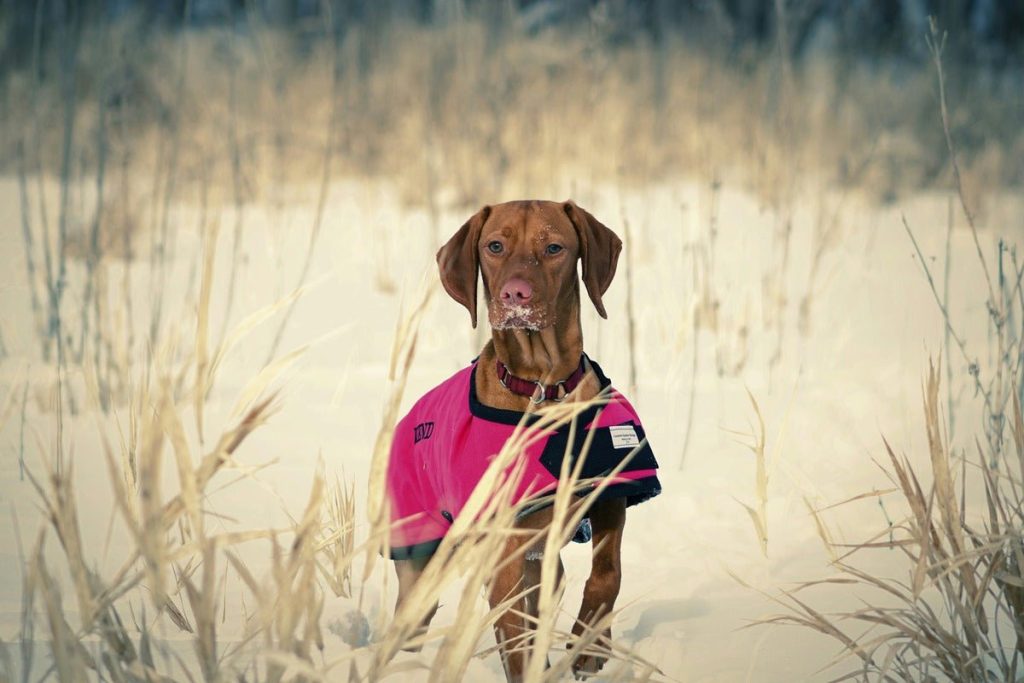
Dog sweaters and jackets offer excellent insulation. Wool and fleece are common warm materials. These fabrics trap body heat close to the skin. Sweaters fit snugly and cover the chest and back. Jackets often include water-resistant layers for wet weather. Look for adjustable straps to ensure a good fit. Clothes should allow easy movement without tightness. Bright colors or reflective strips increase visibility outdoors. Changing layers as temperature shifts keeps your dog comfortable.
Booties For Paw Protection
Booties protect paws from cold, ice, and rough surfaces. Cold ground can cause discomfort and frostbite. Booties made from waterproof materials keep paws dry. Soft lining adds warmth and cushioning. Secure fasteners prevent booties from slipping off. Some dogs may need time to get used to wearing them. Check paws regularly for signs of irritation or damage. Booties also guard against salt and chemicals used on roads. Keeping paws safe helps dogs enjoy time outside longer.
Regular Health Checks
Keeping your dog warm in an outside kennel goes beyond just providing blankets or shelter. Regular health checks play a crucial role in ensuring your furry friend stays safe and comfortable during colder months. By closely observing your dog’s health, you can catch early signs of cold-related issues and act quickly.
Monitoring For Hypothermia
Hypothermia can sneak up on dogs, especially those spending long hours outside. Watch for signs like shivering, lethargy, and pale gums. If your dog seems unusually weak or confused, it’s time to bring them inside immediately.
Checking your dog’s body temperature can help you stay ahead of danger. Normal dog temperature ranges between 101°F and 102.5°F. If it drops below 99°F, hypothermia might be setting in.
Have you noticed your dog’s behavior change when it’s cold? Keeping a close eye can save your pet’s life by spotting early warnings.
Grooming For Warmth
Keeping your dog’s coat clean and well-groomed helps trap heat close to their body. Avoid shaving or cutting their fur too short during cold seasons, as this removes their natural insulation.
Regular brushing removes dirt and mats that can trap moisture, which makes your dog colder. Moist fur loses its ability to keep your pet warm, so a dry, fluffy coat is your best defense.
Have you ever thought about how your dog’s grooming routine affects their warmth? A simple grooming habit can make a big difference in how your dog handles cold weather.
Safe Heating Solutions
Keeping your dog warm in an outside kennel requires careful attention to safety. While it’s tempting to add extra heat sources, not all options are safe for your furry friend or your home. Choosing the right heating solution protects your dog and prevents accidents.
Electric Heaters
Electric heaters can provide consistent warmth, but you must select models designed for outdoor use and pets. Look for heaters with automatic shutoff features in case they tip over or overheat. Placing the heater where your dog cannot chew or knock it over is essential to avoid injuries.
Have you checked whether your chosen heater has a waterproof rating? Outdoor kennels can be damp, and water exposure can cause short circuits or electric shocks. A heater with proper insulation and safety certification gives you peace of mind.
Heating Pads Safety
Heating pads made for pets offer a gentle, direct heat source. Use only pads with a chew-resistant cord and a low voltage to reduce risks. Many pads come with temperature controls; setting a moderate temperature prevents burns or overheating.
Place the pad under a blanket or bedding so your dog can move away if it gets too warm. Regularly check the pad for wear and tear, especially if your dog likes to chew. How often do you inspect your pet’s gear for safety? It’s a critical habit.
Avoiding Fire Hazards
Fires can start quickly with unsafe heating equipment. Keep flammable materials like straw, blankets, or wood away from all heat sources. Never leave electric heaters unattended or plugged in overnight.
Consider using battery-powered or solar options that eliminate electrical risks. Installing a smoke detector near the kennel can alert you early if something goes wrong. What steps have you taken to create a fire-safe environment for your pet?
Credit: www.renogy.com

Credit: barrelwarmer.com
Frequently Asked Questions
How Can I Insulate My Dog’s Kennel?
To insulate your dog’s kennel, use straw or thermal blankets. These materials retain heat and provide comfort. Ensure the kennel is elevated to prevent cold drafts. Additionally, seal any gaps to keep warmth inside. These measures help maintain a cozy environment during cold weather.
What Bedding Is Best For Outdoor Kennels?
For outdoor kennels, straw or cedar shavings are ideal. They provide warmth and comfort, especially in cold weather. These materials are also resistant to moisture. Ensure regular replacement to maintain cleanliness and effectiveness. Clean and dry bedding is essential for your dog’s health and comfort.
Do Heated Pads Work For Dog Kennels?
Yes, heated pads are effective for dog kennels. They provide consistent warmth, especially in colder climates. Ensure the pad is waterproof and designed for outdoor use. Always monitor its temperature to avoid overheating. Heated pads are a reliable option for keeping your dog warm.
How Often Should I Check My Dog’s Kennel?
Check your dog’s kennel daily, especially in extreme weather. Ensure it is dry, clean, and free from drafts. Inspect bedding for dampness and replace if necessary. Regular checks help maintain a healthy and comfortable environment. Your dog’s well-being depends on consistent care and attention.
Conclusion
Keeping your dog warm in an outside kennel takes simple steps. Use soft bedding and cover the shelter well. Block wind and rain to protect your pet. Check on your dog often, especially in cold weather. Warm water and good food help keep energy high.
Small changes can make a big difference. Your dog will stay safe and comfortable outside. Caring for your pet shows how much you love them. Stay mindful and keep your furry friend cozy all winter.

Emily Barker is the founder of ChillDogLife.com, a space dedicated to helping pup parents discover the best dog products, lifestyle tips, and cozy ideas for happier homes.
A lifelong dog lover, Emily combines her passion for pets with a knack for research to share trusted recommendations on everything from toys and furniture to health and everyday care.
Her goal is simple: to make life easier, stylish, and more joyful for dogs and the people who love them.




