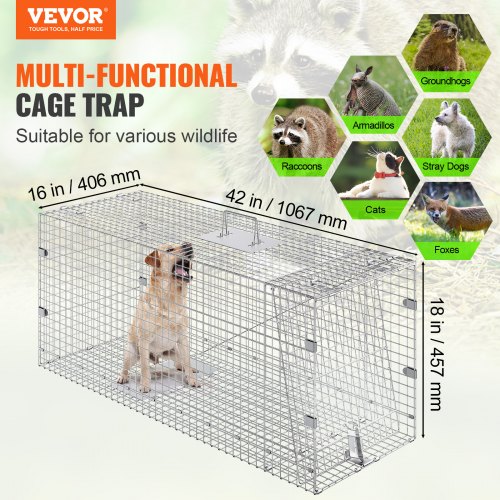
Have you ever come across a stray dog and wondered how to help it safely? Trapping a stray dog might seem tricky, but with the right approach, you can make the process smooth and stress-free for both you and the animal.
Whether you want to rescue, feed, or take the dog to a shelter, knowing how to trap it correctly is key. Keep reading, and you’ll learn simple, effective steps that anyone can follow to handle this delicate situation with care and confidence.
Your actions can make a real difference—let’s get started.

Credit: www.amazon.ca
Preparing To Trap A Stray Dog
Preparing to trap a stray dog takes careful thought and planning. You want to ensure the dog’s safety while making the process as smooth as possible. Setting yourself up well beforehand increases your chances of success and reduces stress for everyone involved.
Gathering Necessary Supplies
Start by collecting the right tools. You’ll need a sturdy trap or cage designed for animals, strong gloves, and some kind of bait that appeals to the dog’s likely diet. Avoid using anything harmful or that could scare the dog away.
Think about having a leash and a blanket handy too. The leash helps you control the dog once trapped, and the blanket can calm it down by covering the cage. Have water available nearby, especially if the process takes time.
Choosing The Right Location
Pick a quiet, low-traffic spot where the dog feels safe enough to approach. Dogs are cautious around loud noises and crowds, so a calm corner or a shaded area often works best. Are there places the dog seems to return to or linger around?
Place the trap near food sources or shelter spots the dog uses. This increases the chance it will enter willingly. Avoid busy roads or areas with lots of distractions that could scare the dog off at the last moment.
Assessing The Dog’s Behavior
Observe the dog’s actions before you attempt trapping. Is it shy or aggressive? Does it show signs of hunger or illness? Understanding these behaviors helps you choose the right approach and avoid causing the dog unnecessary fear.
For example, a very timid dog might need a slower, quieter approach, while a more confident dog might be easier to bait quickly. Watching how the dog reacts to people nearby can give you clues about the best time and method to trap it safely.

Credit: www.youtube.com
Safe Trapping Methods
Trapping a stray dog requires patience and care to ensure the animal’s safety and comfort. Using safe trapping methods helps you avoid injury to the dog and yourself. It also builds trust, making the capture less stressful for everyone involved.
Using Humane Traps
Humane traps are designed to catch dogs without causing harm. These traps close gently once the dog steps inside, preventing panic or injury.
Choose traps that are the right size for the dog you’re trying to catch. Too small, and the dog might get hurt; too big, and the trap may not trigger properly.
Keep the trap clean and place it in a quiet area where the dog feels safe. This increases your chance of success and reduces stress for the animal.
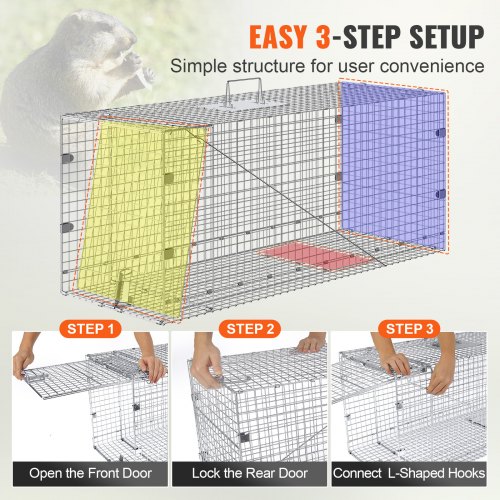
Setting Up A Live Cage Trap
Live cage traps allow you to capture the dog alive and unharmed. Set the trap on flat ground and ensure it’s stable so it won’t tip over.
Check the trap frequently to minimize the time the dog spends inside. Leaving an animal trapped for too long can cause distress and health issues.
Consider covering part of the trap with a blanket to give the dog a sense of security once caught.
Baiting Techniques That Work
Effective baiting is key to luring a stray dog into your trap. Use strong-smelling foods like cooked chicken, hot dogs, or canned tuna to attract the dog’s attention.
Place the bait at the far end of the trap so the dog must fully enter before reaching the food. This ensures the trap triggers properly.
Have you noticed how some dogs prefer certain smells over others? Pay attention to what the dog seems interested in during your initial observations to improve your bait choice.
Approaching The Dog Safely
Approaching a stray dog requires care and patience. The dog may feel scared or threatened. Approaching too fast can cause the dog to run or react badly. Understanding the dog's behavior is key to gaining trust and making the trapping process safer.
Reading Body Language
Watch the dog’s posture and movements closely. A relaxed dog will have a loose body and wagging tail. A scared or nervous dog might crouch low or tuck its tail. Raised hackles or a stiff stance can signal fear or aggression. Eyes that avoid direct contact show caution. Notice these signs before moving closer.
Avoiding Aggressive Reactions
Do not make sudden moves or loud noises. Speak softly to avoid startling the dog. Do not stare directly into the dog’s eyes. This can be seen as a challenge. Keep your body sideways, not facing the dog head-on. Give the dog space to move away. Back off if the dog growls or shows teeth. Safety is the top priority.
Using Calm And Gentle Movements
Move slowly and smoothly toward the dog. Extend your hand with fingers curled, palm down. Let the dog sniff your hand before trying to touch. Avoid reaching over the dog’s head. Pet gently under the chin or on the chest if the dog allows. Stay low and avoid looming over the dog. Calm actions help build trust.
After The Dog Is Trapped
After successfully trapping a stray dog, your responsibility shifts to ensuring the dog’s safety and well-being. This stage is crucial because the dog is likely scared, confused, and possibly injured. How you handle this moment can make a big difference in the dog’s recovery and future.
Transporting The Dog Carefully
Moving the dog safely is your top priority. Use a secure, well-ventilated crate or carrier to prevent escape and reduce stress. Avoid sudden movements or loud noises that might frighten the dog even more.
If you don’t have a crate, create a temporary one with a sturdy box and soft blankets. Remember, a calm environment during transport can prevent injuries to both you and the dog.
Contacting Animal Control Or Rescue Groups
Reach out to local animal control or rescue organizations promptly. They have the resources to provide medical care and shelter for the dog. Often, they can also scan for a microchip to locate the owner quickly.
Don’t hesitate to ask for advice on what to do next. Many groups offer guidance on temporary fostering or veterinary care, which can be lifesaving for a stray dog in distress.
Providing Immediate Care
Check the dog for visible injuries or signs of illness without forcing interaction. Offer water and a small amount of food, but avoid overwhelming the dog with too much at once. If the dog is extremely fearful or aggressive, wait for professional help.
Basic first aid, like cleaning minor wounds, can be helpful but only if you feel confident doing so. Your calm and gentle approach will build trust and improve the dog’s chances of healing and finding a forever home.
Preventing Future Strays
Stopping dogs from becoming strays again is very important. It helps keep them safe and reduces the number of stray animals. Taking action in the community and providing care can make a big difference. Here are some ways to prevent future strays.
Community Awareness
Teaching people about stray dogs helps reduce the problem. Communities can share tips on caring for pets. People learn to report lost dogs quickly. Awareness programs encourage kindness and responsibility. This creates a safer environment for all animals.
Spaying And Neutering Programs
Controlling dog populations lowers stray numbers. Spaying and neutering stop unwanted litters. These programs are often affordable or free. They help keep dogs healthy and calm. Many shelters and vets offer these services.
Creating Safe Outdoor Spaces
Safe spaces prevent dogs from running away. Fenced yards protect pets from dangers. Outdoor areas with shade and water keep dogs comfortable. These spaces reduce the chance of dogs getting lost. Owners should check fences regularly for holes or weak spots.
Credit: www.vevor.ca
Frequently Asked Questions
How To Safely Approach A Stray Dog?
Approach a stray dog slowly and calmly, avoiding direct eye contact. Extend your hand palm-down, allowing the dog to sniff. Speak softly to reassure it. Avoid sudden movements, which may frighten the dog. Always prioritize your safety and assess the dog’s body language before proceeding.
What Tools Are Needed To Trap A Stray Dog?
Use humane traps, such as a live animal trap, to safely capture stray dogs. Include a blanket or towel for comfort. Use food, like canned dog food, as bait. Ensure the trap is sturdy and large enough for the dog.
Wear gloves for safety while handling the trap.
How To Gain A Stray Dog’s Trust?
Gaining a stray dog’s trust requires patience and consistency. Offer food and water regularly. Maintain a calm demeanor and avoid sudden movements. Spend time near the dog without forcing interaction. Gradually decrease the distance between you and the dog. This builds trust over time.
What Precautions Should Be Taken When Trapping?
When trapping a stray dog, prioritize your safety and the dog’s well-being. Use humane traps and avoid direct contact until professional help arrives. Ensure the trap is stable and secure. Monitor the trap frequently to prevent stress or injury. Contact local animal control for assistance if needed.
Conclusion
Trapping a stray dog takes care, patience, and respect. Use gentle methods and safe traps to avoid harm. Stay calm and move slowly to gain trust. Always keep the dog’s safety as your top priority. Once trapped, contact local shelters or animal services for help.
Your efforts can save a stray dog’s life. Remember, kindness makes the process easier for both you and the dog. Small steps lead to big differences in their well-being. Keep trying, and don’t lose hope.

Emily Barker is the founder of ChillDogLife.com, a space dedicated to helping pup parents discover the best dog products, lifestyle tips, and cozy ideas for happier homes.
A lifelong dog lover, Emily combines her passion for pets with a knack for research to share trusted recommendations on everything from toys and furniture to health and everyday care.
Her goal is simple: to make life easier, stylish, and more joyful for dogs and the people who love them.




