
If you’ve recently had your male dog neutered or are thinking about it, you’re probably wondering how this will change his behavior. You might ask yourself, “Will he become calmer?
Aggressive? Or maybe even sad? ” Understanding what happens after neutering can help you prepare and take the best care of your furry friend. You’ll discover the common changes in your dog’s behavior and what you can do to support him through this transition.
Keep reading to learn how neutering affects your dog and what to expect in the days and weeks ahead.
Behavioral Changes Post-neutering
Neutering a male dog can cause several behavior changes. These changes happen because of hormone shifts.
Understanding these changes helps owners care better for their pets after surgery.
Calmness And Activity Levels
After neutering, many male dogs become calmer. They may show less hyperactive behavior.
Some dogs reduce their running and jumping. They might prefer resting more than before.
- Lower energy levels are common
- Dogs may sleep more
- Playtime might be less intense
Aggression And Dominance Shifts
Neutering often reduces aggressive behavior in male dogs. This happens because testosterone levels drop.
Dogs may show less dominance toward other dogs and people. They become more relaxed in social situations.
- Less growling and snapping
- Reduced fighting with other dogs
- More friendly behavior
Territorial Marking Adjustments
Neutering can change how male dogs mark their territory. Many dogs mark less after surgery.
This happens because the urge to mark decreases without male hormones. Owners may see fewer urine marks indoors.
- Less frequent urine marking
- Reduced scent marking outside
- Better control of indoor accidents

Credit: www.dwdogtraining.com
Health Benefits Affecting Behavior
Neutering a male dog changes his body and behavior. It helps keep him healthy and calm.
These changes can reduce bad habits and improve his mood. Let’s look at some health benefits.
Reduced Risk Of Certain Diseases
Neutering lowers the chance of prostate problems and testicular cancer. These diseases cause pain and stress.
Dogs that are neutered often live longer and feel better. Healthy dogs behave better too.
- Lower risk of prostate enlargement
- No risk of testicular cancer
- Less chance of some infections
Hormonal Influence On Mood
Neutering reduces male hormones like testosterone. These hormones affect mood and behavior.
With fewer hormones, dogs may be less aggressive and less likely to roam. They often become calmer and more relaxed.
- Less marking and spraying indoors
- Reduced aggression toward other dogs
- Lower desire to escape and roam
Common Myths And Facts
Many dog owners wonder how neutering changes their male dog's behavior. There are many ideas about what happens after neutering. Some are true, and some are not.
Knowing facts helps owners take good care of their pets. It also helps them understand what to expect after the surgery.
Neutering And Weight Gain
Some people say neutered dogs always gain weight. This is not always true. Neutering can slow a dog’s metabolism a little.
If the dog eats the same amount of food and moves less, it can gain weight. Owners should watch their dog’s diet and exercise.
- Neutering may reduce energy use
- Weight gain happens if food intake is not adjusted
- Regular exercise helps keep weight normal
Impact On Playfulness
People think neutered dogs become less playful. This is false. Most dogs keep their playful nature after neutering.
Playfulness depends on the dog’s personality and health, not only hormones. Neutering may reduce some aggressive play but not all playfulness.
- Playfulness usually stays the same
- Neutering may lower aggressive behavior
- Energy levels vary by dog
Changes In Libido
Neutering lowers a male dog’s libido. This means less interest in mating and related behaviors.
Dogs may stop marking territory or roaming to find mates. This change helps many owners manage their dogs better.
- Libido drops after neutering
- Less roaming and marking behavior
- Dogs become calmer around females in heat
Timing And Age Considerations
Neutering a male dog changes its behavior. The timing and age at neutering play important roles. These factors affect how the dog acts after surgery.
Understanding early and late neutering effects helps dog owners make the best choices. It also shows long-term behavioral outcomes to expect.
Early Vs. Late Neutering Effects
Neutering a dog early means before six months of age. Late neutering happens after the dog is fully grown. Each timing has different effects on behavior.
- Early neutering may reduce aggression more effectively.
- It can lower the chance of marking territory indoors.
- Late neutering might not stop some adult behaviors like mounting.
- Early neutering could affect growth, making some dogs taller.
- Late neutering allows full hormonal development first.
Long-term Behavioral Outcomes
Long-term effects depend on when neutering happens. Behavior changes can last for years after the procedure.
| Behavior | Early Neutering | Late Neutering |
| Aggression | Usually reduced | May persist |
| Marking | Often stops | May continue |
| Mounting | Less common | Possible |
| Activity Level | Can be calmer | Variable |
| Growth | May affect bone length | Normal growth |
Managing Behavior After Surgery
Neutering can change how a male dog acts. These changes affect behavior after surgery.
Careful management helps your dog stay calm and heal well during recovery.
Post-operative Care Tips
Keep your dog quiet and avoid rough play for at least two weeks. Give pain medicine as the vet says. Check the surgery site daily for swelling or redness.
- Limit running and jumping
- Use an Elizabethan collar to stop licking
- Feed a light meal after surgery
- Provide a comfortable, clean resting area
- Follow vet instructions for medication
Training Adjustments
Neutering may lower aggression, but training must continue. Use gentle commands and reward calm behavior. Avoid pushing your dog to act like before surgery.
| Training Focus | Reason |
| Calm behavior | Helps healing and reduces stress |
| Short training sessions | Prevents tiredness and frustration |
| Positive rewards | Encourages good habits |
| Avoid rough play | Prevents injury |
Recognizing Unusual Behavior
Watch for signs that need vet attention. Your dog may act different after surgery, but some behaviors are not normal.
- Loss of appetite for more than 24 hours
- Continuous whining or crying
- Swelling or bleeding at surgery site
- Excessive licking or biting of the wound
- Sudden aggression or fear
- Vomiting or diarrhea
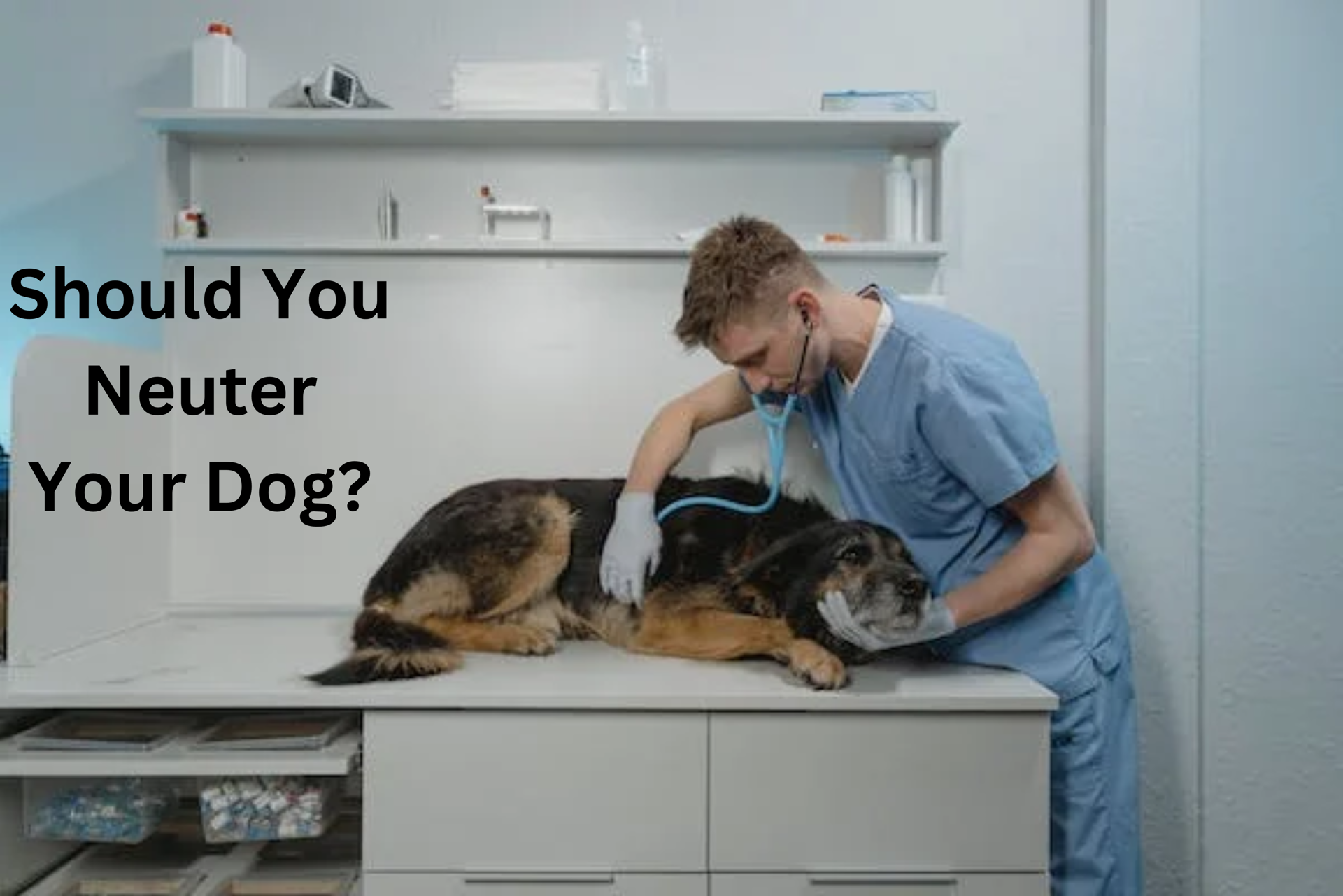
Credit: pethelpful.com
When To Consult A Veterinarian
Neutering a male dog can lead to changes in behavior. It’s important to know when to reach out to a veterinarian. This helps ensure your pet stays healthy and happy after the procedure.
Some changes are normal, but others need a professional’s attention. Here, we focus on behavioral and health concerns that might arise.
Behavioral Concerns
After neutering, male dogs may show different behavior. It’s crucial to observe these changes. Some behaviors might need a vet’s advice.
If your dog becomes aggressive or fearful, consult a veterinarian. Also, if he shows signs of depression or anxiety, seek help.
- Sudden aggression towards humans or other pets
- Increased anxiety or nervous behavior
- Lack of interest in activities
Health Complications
Neutering is generally safe, but health issues can occur. It’s vital to monitor your dog for any signs of complications.
If your dog has trouble urinating or shows signs of pain, see a vet. Also, if he has a fever or the incision site looks infected, get professional help.
- Difficulty urinating or defecating
- Redness, swelling, or discharge at the incision site
- Fever or lethargy
Credit: www.dwdogtraining.com
Frequently Asked Questions
How Does Neutering Affect Male Dog Behavior?
Neutering reduces testosterone, which lowers aggression and dominance behaviors. It also decreases marking and roaming tendencies. Many dogs become calmer and less territorial after neutering. However, individual responses vary depending on age and personality.
When Do Behavior Changes Appear After Neutering?
Behavior changes typically appear within 2 to 4 weeks post-surgery. Some effects may take a few months to fully develop. Early neutering often leads to more noticeable behavioral improvements compared to older dogs.
Does Neutering Reduce Male Dog Aggression?
Yes, neutering often lowers aggression linked to hormones. It helps reduce fighting, territorial disputes, and dominance challenges. However, aggression caused by fear or training issues may not change significantly.
Will Neutering Affect My Dog’s Energy Levels?
Neutering usually causes a slight decrease in energy levels. Dogs may become calmer and less hyperactive. Proper exercise and diet are important to maintain a healthy weight and activity after neutering.
Conclusion
Neutering can change a male dog's behavior in many ways. Some dogs become calmer and less aggressive. Others may show less interest in marking or roaming. These changes usually happen slowly over weeks or months. Each dog reacts differently, so patience is important.
Watch your dog closely and give plenty of love and care. Neutering helps with health and behavior, but it is not a quick fix. Understanding your dog’s needs after surgery helps build a stronger bond. Keep learning and supporting your furry friend every step of the way.

Emily Barker is the founder of ChillDogLife.com, a space dedicated to helping pup parents discover the best dog products, lifestyle tips, and cozy ideas for happier homes.
A lifelong dog lover, Emily combines her passion for pets with a knack for research to share trusted recommendations on everything from toys and furniture to health and everyday care.
Her goal is simple: to make life easier, stylish, and more joyful for dogs and the people who love them.




