
If you have a female dog, understanding her behavior when she’s in heat is crucial for both her comfort and your peace of mind. You might notice changes in her mood, energy, or even her daily routine that leave you wondering what’s going on.
Knowing what to expect can help you support her better and avoid surprises. You’ll discover the key signs of a female dog in heat and learn practical tips to manage this natural phase smoothly. Keep reading to make sure you’re fully prepared to care for your furry friend during this important time.
Signs Of Heat Cycle
The heat cycle is a natural process for female dogs. It shows they are ready to mate.
Recognizing the signs helps you care for your dog during this time. The signs include changes in her body and behavior.
Physical Changes
During the heat cycle, female dogs show clear physical signs. Their bodies prepare for possible pregnancy.
- Swollen vulva that looks larger than usual
- Red or pink discharge from the vulva
- Frequent licking of the genital area
- Increased urination to mark territory
- Changes in appetite or energy levels
Behavioral Shifts
Behavior changes are common during a dog’s heat cycle. These help attract male dogs.
| Behavior | Description |
| Restlessness | She may pace or seem uneasy. |
| Increased Affection | She might seek more attention from people. |
| Mounting | She may try to mount other dogs or objects. |
| Tail Position | Holding tail to the side to signal readiness. |
| Vocalization | More whining or barking than usual. |
Duration And Stages
The heat cycle in female dogs lasts several weeks. It includes different stages with specific behaviors.
Understanding these stages helps owners care for their dogs during this time.
Proestrus Phase
Proestrus is the first stage of the heat cycle. It usually lasts 7 to 10 days. During this phase, the female dog shows swelling of the vulva and a bloody discharge. She may attract male dogs but will not allow mating yet.
Estrus Phase
Estrus is the second stage when the female is fertile and ready to mate. This phase lasts about 5 to 9 days. The discharge changes to a lighter color. The dog shows behavior changes like increased friendliness or restlessness.
- Swelling of the vulva decreases
- Discharge changes in color and amount
- Female accepts male dogs for mating
- Behavior becomes more playful or affectionate
- Ovulation occurs during this phase
Diestrus And Anestrus
Diestrus follows estrus and lasts about 60 to 90 days. If the female is pregnant, this phase supports the pregnancy. If not, the body returns to normal. Anestrus is the resting phase between cycles. It usually lasts four to five months. During anestrus, the dog shows no signs of heat or fertility.
| Stage | Duration | Main Behavior |
| Proestrus | 7–10 days | Swelling, bloody discharge, no mating |
| Estrus | 5–9 days | Fertile, accepts males, lighter discharge |
| Diestrus | 60–90 days | Pregnancy or rest, no heat signs |
| Anestrus | 4–5 months | Resting, no heat or fertility |
Managing Behavior Changes
Female dogs show different behaviors when they are in heat. These changes can be hard to handle. Knowing what to expect helps you manage her better.
Understanding these behaviors lets you keep your dog calm and comfortable during this time.
Increased Affection
Female dogs often become more loving during heat. They may want more petting and attention than usual. This is normal and a way to seek comfort.
Give gentle pets and calm talks to help her feel safe. Avoid rough play to keep her relaxed.
Restlessness And Agitation
Your dog might pace or have trouble settling down. This restlessness shows she is uncomfortable or anxious. Changes in hormones cause this feeling.
Provide a quiet space for her to rest. Short walks can help use up extra energy. Try to keep her routine steady to reduce stress.
- Offer a cozy bed in a calm room
- Take her outside for brief, calm walks
- Keep feeding and sleeping times regular
Vocalization Patterns
Dogs in heat may bark or whine more than usual. This vocalizing is a way to express discomfort or seek attention. It can be loud and frequent.
Stay close and speak softly to calm her. Avoid yelling or punishment. Use gentle sounds to help her feel secure.

Credit: www.seeworldgps.com
Preventing Unwanted Pregnancies
Female dogs in heat attract male dogs easily. This can lead to unwanted pregnancies. It is important to take steps to prevent this.
Careful supervision and the use of protective gear help keep your dog safe. These methods reduce the chance of accidental mating.
Supervision And Containment
Always watch your female dog closely when she is in heat. Avoid letting her roam outside without supervision. Use secure fences or a leash during walks.
- Keep your dog indoors or in a secure yard
- Do not leave her alone near male dogs
- Walk your dog during quiet times to avoid encounters
- Use a leash at all times outside the home
Using Protective Gear
Protective gear helps prevent mating during heat. Special dog diapers or pants cover the female’s scent and prevent contact.
| Type of Gear | Purpose | Notes |
|---|---|---|
| Dog Diapers | Cover scent and discharge | Change often to keep clean |
| Protective Pants | Prevent mating by blocking access | Should fit snugly but comfortably |
| Leashes and Harnesses | Control movement and limit contact | Use even at home for safety |
Health And Hygiene Tips
Female dogs go through heat cycles that need special care. Their health and cleanliness are very important during this time.
Proper hygiene helps keep your dog comfortable and prevents infections. Watch her behavior to spot any health problems early.
Cleaning And Care
During heat, female dogs may have discharge and bleeding. Clean her regularly to avoid dirt buildup and bad smells.
Use soft, damp cloths to gently wipe her private area. Change her bedding often to keep it fresh and dry.
- Wear protective dog diapers to reduce mess
- Wash your hands after cleaning
- Keep her away from male dogs to prevent unwanted mating
- Provide a quiet and comfortable resting place
Recognizing Health Issues
Some problems need quick attention during your dog’s heat cycle. Watch for signs that may show illness or infection.
Check if she has unusual discharge, bad smell, swelling, or pain. Lethargy or loss of appetite can also mean health issues.
- Heavy bleeding for more than two weeks
- Fever or constant licking of the genital area
- Swelling or redness that worsens
- Behavior changes like aggression or hiding
Exercise And Diet Adjustments
When a female dog is in heat, her behavior may change. It’s important to adjust her exercise and diet accordingly.
Proper care helps maintain her health during this period. Let’s explore safe activities and nutritional needs.
Safe Physical Activities
Exercise is important for dogs in heat, but it must be safe and controlled. Avoid strenuous activities.
- Short walks are ideal.
- Keep her on a leash to avoid unwanted encounters.
- Interactive playtime at home is safe and fun.
Nutritional Needs
Diet adjustments ensure your dog gets the right nutrients while in heat. Focus on balanced meals.
| Nutrient | Importance |
| Protein | Supports muscle maintenance |
| Fiber | Aids digestion |
| Vitamins | Boosts immune system |
When To Consult A Vet
Female dogs go through heat cycles that cause many normal changes. Most signs are not a reason to worry. Still, some symptoms need a vet’s attention.
Knowing when to seek help can keep your dog safe and healthy. Watch for unusual behavior or health problems during her heat.
Unusual Symptoms
If your dog shows strange symptoms, call the vet. These signs may mean an infection or other health issues.
- Heavy bleeding that lasts more than three weeks
- Foul odor from the genital area
- Swelling that gets worse or very painful
- Loss of appetite or vomiting
- Very tired or weak behavior
- Fever or shivering
- Excessive licking of the genital area
Spaying Considerations
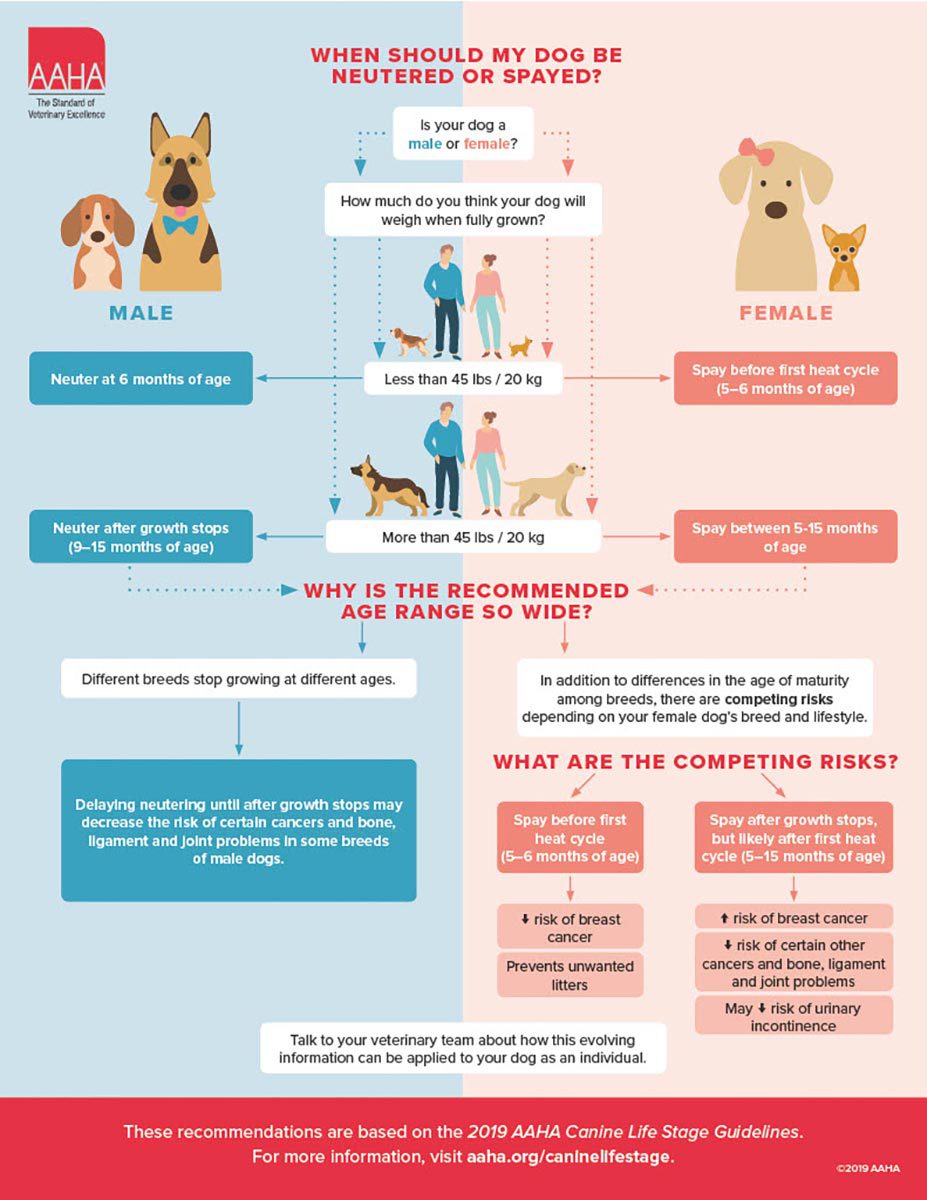
Spaying your female dog can stop heat cycles and reduce health risks. Some owners wonder if they should wait or act during heat.
| Factor | Advice |
| Age | Best after first heat but before 2 years old |
| Health | Vet should check before surgery |
| Behavior | Spaying can reduce some heat behaviors |
| Timing | Avoid spaying during heat due to higher risks |
Discuss spaying options with your vet. They will help decide the best time for your dog’s surgery.
Credit: wopet.com
Credit: southeastoakvillevet.ca
Frequently Asked Questions
What Are Common Signs Of A Female Dog In Heat?
A female dog in heat shows swelling of the vulva, bleeding, and increased urination. She may also become more affectionate or restless. These signs typically last 2-3 weeks and indicate her fertile period for breeding.
How Often Do Female Dogs Go Into Heat?
Most female dogs go into heat twice a year, approximately every six months. Smaller breeds may cycle more frequently, while larger breeds might have one cycle annually. The heat cycle begins around six months of age but varies by breed.
Can Female Dogs In Heat Be Aggressive?
Yes, some female dogs may show aggression during heat due to hormonal changes. They might be protective or irritable. This behavior is temporary and usually resolves after the heat cycle ends.
How To Care For A Female Dog In Heat?
Provide extra hygiene care with dog diapers or pads to manage bleeding. Keep her away from male dogs to prevent unwanted mating. Offer comfort and monitor her behavior for any unusual symptoms.
Conclusion
Understanding a female dog’s behavior in heat helps you care for her better. Expect changes in mood and actions during this time. Watch for signs like restlessness and increased attention from male dogs. Keep her safe and comfortable to reduce stress.
Proper care supports her health and well-being. Stay patient and gentle throughout the cycle. This knowledge makes managing her heat period easier. You’ll help her feel calm and secure. Simple steps can make a big difference for your dog.

Emily Barker is the founder of ChillDogLife.com, a space dedicated to helping pup parents discover the best dog products, lifestyle tips, and cozy ideas for happier homes.
A lifelong dog lover, Emily combines her passion for pets with a knack for research to share trusted recommendations on everything from toys and furniture to health and everyday care.
Her goal is simple: to make life easier, stylish, and more joyful for dogs and the people who love them.




