
Have you recently neutered your dog or are you considering it? You might be wondering how this procedure will affect your furry friend’s behavior.
Understanding the changes that can happen after neutering is important for you to support your dog in the best way possible. From mood shifts to energy levels, your dog’s behavior might surprise you. Keep reading to discover what to expect, so you can help your dog adjust smoothly and enjoy a happier, healthier life together.

Credit: www.adoptapet.com
Common Behavioral Changes
Neutering a dog can lead to several changes in behavior. These changes often help make dogs calmer and easier to manage.
Many owners notice shifts in how their dogs act after the surgery. These changes are mostly positive and affect natural instincts.
Reduced Aggression
Neutering often lowers aggressive behavior in dogs. This happens because the surgery reduces hormone levels that cause fights and dominance issues.
Decreased Marking
Marking territory by urinating is common in intact dogs. After neutering, many dogs mark less often. This change helps keep your home and yard cleaner.
- Less frequent urination indoors
- Reduced scent marking on furniture and walls
- Lower chance of marking during walks
Lowered Roaming Tendencies
Dogs often roam to find mates before neutering. After the surgery, the desire to roam usually drops. This makes dogs safer and easier to keep close.
| Behavior | Before Neutering | After Neutering |
| Aggression | High | Lower |
| Marking | Frequent | Reduced |
| Roaming | Common | Less common |
Credit: www.dwdogtraining.com
Positive Effects On Temperament
Neutering a dog can bring many changes in how it behaves. These changes often help improve the dog’s temperament.
Many owners notice their dogs become easier to handle and more pleasant after neutering. This helps both the dog and the family.
Calmer Demeanor
Neutering often leads to a calmer dog. The removal of reproductive hormones lowers aggression and restless behavior.
Dogs usually show less barking, marking, and roaming after neutering. This makes them more relaxed at home.
Improved Social Interactions
Neutered dogs tend to get along better with other dogs and people. They show less dominance and fighting behaviors.
This helps dogs enjoy group play and meet new dogs calmly. It also makes walks and visits easier for owners.
Enhanced Focus And Trainability
After neutering, dogs often pay more attention during training. They get fewer distractions from mating instincts.
This helps dogs learn commands faster and follow rules better. Training becomes a more positive experience for both dog and owner.
Potential Negative Behaviors
Neutering a dog can bring health benefits but may also cause some behavior changes. Not all changes are positive. Some dogs show new or stronger negative behaviors after neutering.
Understanding these possible changes helps owners prepare and manage their dog's behavior better.
Weight Gain Risks
Neutered dogs often have slower metabolism. This means they burn fewer calories than before. If food intake stays the same, weight gain happens easily.
Extra weight can cause health problems like joint pain and diabetes. It can also make dogs less active and more tired.
- Monitor your dog’s food portions closely
- Provide regular exercise to prevent obesity
- Choose a balanced diet suitable for neutered dogs
Possible Increased Fearfulness
Some dogs become more fearful after neutering. They may hide or avoid new people and places. This change can make training and socializing harder.
Fearfulness can lead to anxiety and stress. Owners should be patient and gentle while helping the dog build confidence.
- Use calm and positive training methods
- Expose the dog slowly to new experiences
- Provide a safe and quiet space at home
Changes In Activity Levels
Many neutered dogs show lower energy levels. They may play less and rest more. This can affect their mood and behavior.
Lower activity can also increase the risk of weight gain. Owners should encourage regular play and walks to keep their dog healthy.
- Plan daily exercise routines
- Use toys and games to stimulate activity
- Keep playtime fun and engaging
Timing And Age Factors
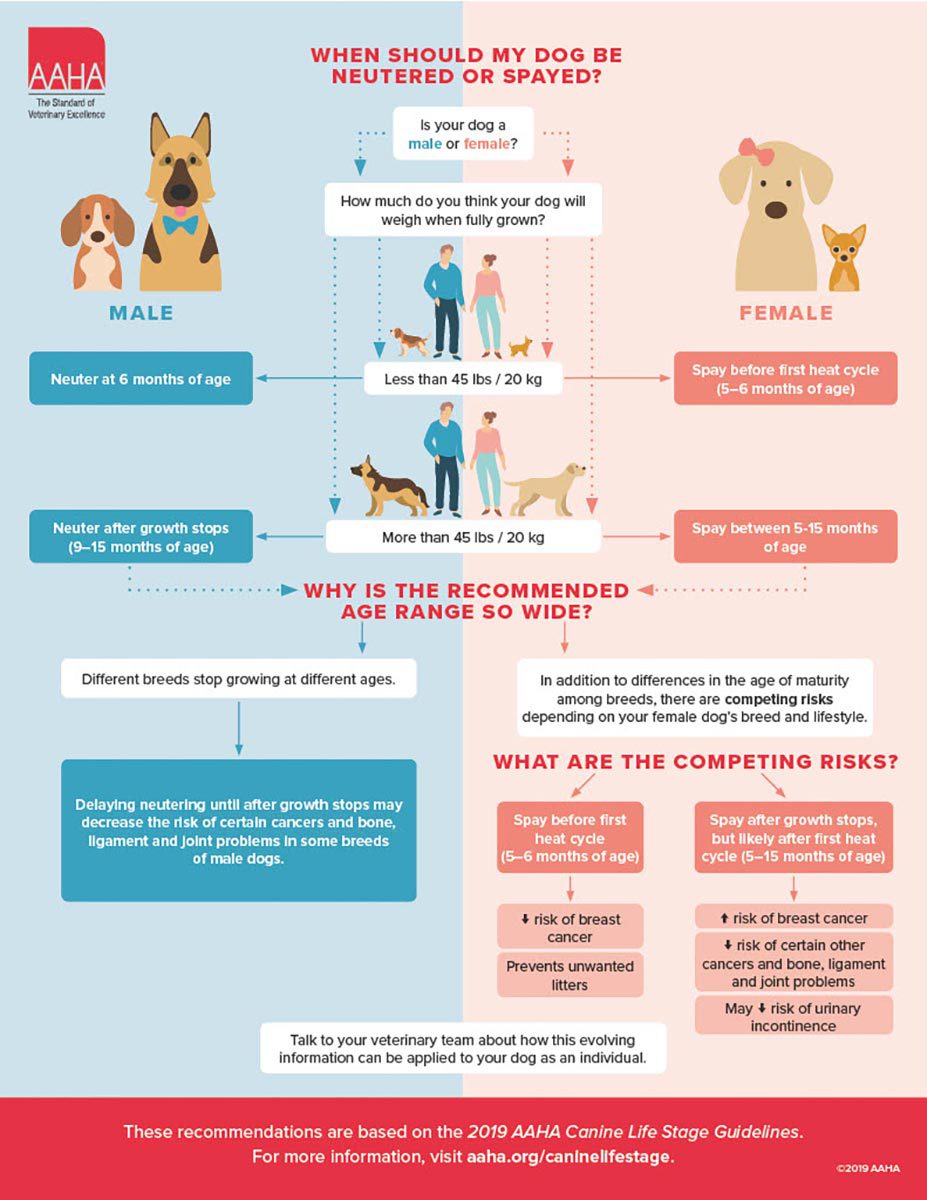
Neutering a dog can change its behavior. The timing and age of neutering play a big role in these changes. Knowing when to neuter helps owners make good choices.
This guide explains the effects of neutering at different ages. It covers early neutering, adult neutering, and breed-specific factors.
Early Neutering Impact
Neutering puppies before six months may affect their behavior and growth. Early neutering can lower some aggressive behaviors but might increase fearfulness.
- Reduces roaming and marking behaviors
- May delay bone growth and muscle development
- Can lead to higher anxiety in some dogs
- Often lowers chances of certain cancers
Neutering In Adult Dogs
Adult dogs often show fewer behavior changes after neutering. Most adult dogs calm down, but the effects depend on their past behaviors.
| Age at Neutering | Common Behavioral Changes | Health Impact |
| 6 months to 1 year | Less marking, less aggression | Good bone and muscle development |
| 1 to 3 years | Moderate calming effect | Lower cancer risk |
| Over 3 years | Minimal behavior change | Mixed health effects |
Breed-specific Considerations
Different breeds react differently to neutering. Some breeds may need special timing to avoid health or behavior problems.
Here are some breed-specific notes:
- Large breeds:Early neutering may delay bone growth too much.
- Small breeds:Early neutering usually has fewer risks.
- Working dogs:Timing can affect energy and training ability.
- Breed prone to anxiety:Neutering time may impact fear and stress levels.
Post-neutering Care Tips
Neutering your dog brings many benefits. It also causes some changes in behavior.
Proper care after the surgery helps your dog stay healthy and happy. Follow these tips to support your pet.
Managing Energy And Exercise
Your dog may have less energy after neutering. Limit intense exercise during recovery. Short walks are better than running or jumping.
- Keep walks calm and short for two weeks
- Avoid rough play with other dogs
- Watch for signs of tiredness or discomfort
- Gradually increase activity after vet approval
Diet Adjustments
Neutered dogs may need fewer calories. Adjust food to prevent weight gain. Choose healthy, balanced meals.
| Food Type | Before Neutering | After Neutering |
| Dry Kibble | 2 cups/day | 1.5 cups/day |
| Wet Food | 1 can/day | 3/4 can/day |
| Treats | 5 treats/day | 3 treats/day |
Monitoring Behavioral Shifts
Neutering often lowers aggression and marking. Watch your dog for new or unusual behaviors. Talk to your vet if you see problems.
- Increased calmness or tiredness
- Less interest in marking territory
- Changes in appetite
- Signs of stress or anxiety
Credit: southeastoakvillevet.ca
Owner Expectations And Myths
Neutering dogs is a common practice with many benefits. Owners often have expectations about how their dog's behavior will change. Some beliefs are myths that can lead to misunderstandings.
Understanding what to truly expect after neutering can help owners make informed decisions. Let’s look at some common misconceptions and realistic outcomes.
Common Misconceptions
Many owners believe that neutering will solve all behavior problems. This is not true. Neutering can help with some issues, but not all.
- Neutering stops all aggression: Neutering may reduce aggression linked to hormones, but not all aggressive behavior.
- Neutering changes personality: Dogs will keep their core personality traits after the procedure.
- Neutering makes dogs lazy: Reduced energy levels can occur, but it varies by dog.
Realistic Behavior Outcomes
Neutering can lead to several positive behavior changes. However, it’s important to know what changes to realistically expect.
Some behaviors may improve after neutering. Here are examples of realistic outcomes:
- Reduced roaming: Neutered dogs are less likely to wander away from home.
- Decreased marking: Male dogs may mark less indoors after neutering.
- Lower risk of certain diseases: Health benefits can affect overall behavior positively.
When To Seek Professional Help
If behavior issues persist after neutering, it may be time to seek professional help. A vet or dog behaviorist can offer guidance.
Consider professional help if your dog shows any of these signs:
- Severe aggression that doesn’t improve
- Anxiety or fearfulness that affects daily life
- New or worsening behavior problems
Frequently Asked Questions
What Behavioral Changes Occur After Neutering A Dog?
Neutering often reduces aggression, marking, and roaming behaviors. Dogs may become calmer and less dominant, improving overall behavior and social interactions.
How Soon Do Behavioral Changes Appear Post-neutering?
Behavioral changes typically appear within weeks to months. Hormonal adjustments take time, so patience is important during this transition period.
Does Neutering Affect A Dog’s Energy Levels?
Neutering can slightly reduce energy levels. Dogs may become less hyperactive but still require regular exercise and mental stimulation.
Can Neutering Prevent Unwanted Behaviors Like Marking?
Yes, neutering significantly reduces marking and urine spraying in male dogs. It also helps minimize territorial behaviors.
Conclusion
Neutering can change a dog’s behavior in many ways. It often lowers aggression and reduces roaming. Some dogs become calmer and more relaxed after surgery. Training and love remain important for good behavior. Watch your dog closely to see how they adjust.
Each dog reacts differently to neutering. Patience helps your pet feel safe and happy. Understanding these changes makes you a better pet owner. Neutering supports your dog’s health and well-being too. Care and attention bring the best results for your dog.

Emily Barker is the founder of ChillDogLife.com, a space dedicated to helping pup parents discover the best dog products, lifestyle tips, and cozy ideas for happier homes.
A lifelong dog lover, Emily combines her passion for pets with a knack for research to share trusted recommendations on everything from toys and furniture to health and everyday care.
Her goal is simple: to make life easier, stylish, and more joyful for dogs and the people who love them.




