Have you ever wondered why your dog acts a certain way when it’s ready to mate? Understanding dog mating behavior can help you better care for your pet and manage their needs.
Whether you’re a first-time dog owner or simply curious, knowing what to expect can make a big difference. You’ll discover key signs, natural instincts, and helpful tips that will give you a clear picture of how dogs behave during mating.
Keep reading to unlock insights that will deepen your connection with your furry friend.

Credit: www.mediastorehouse.com.au
Mating Season Timing
Dog mating happens mostly during certain times of the year. These times depend on the dog’s breed and environment. Understanding mating season helps in managing dogs properly.
Both male and female dogs have specific periods when they are ready to mate. These periods are important to know for safe and healthy breeding.
Female Heat Cycles
Female dogs go into heat about twice a year. Each heat cycle lasts about three weeks. During this time, females are fertile and can mate.
The heat cycle has four stages: proestrus, estrus, diestrus, and anestrus. The estrus stage is when females accept males and can get pregnant.
- Proestrus: Females show swelling and bleeding
- Estrus: Females are fertile and accept males
- Diestrus: Heat ends, pregnancy may occur
- Anestrus: Resting phase before next cycle
Male Readiness Periods
Male dogs can mate any time of the year. They do not have a heat cycle like females. Males become more active when they sense a female in heat.
During mating season, males show behaviors like marking territory and seeking females. Their sperm quality is highest when a female is ready to mate.
- Males can mate year-round
- Heightened activity during female heat
- Marking territory to attract females
- Best fertility during female estrus stage
Credit: www.petscare.com
Pre-mating Signals
Dogs use various signals before mating to communicate readiness. These signs help males and females find the right time to mate.
Understanding these signals can help owners recognize when dogs are ready to breed. These signals include physical changes and behaviors.
Physical Changes In Females
Female dogs show clear physical signs when they are ready to mate. The most obvious sign is swelling of the vulva. This change indicates she is in heat.
Females also have a bloody discharge during the early heat phase. This discharge lessens as mating time approaches. The female may also lick her genital area more often.
- Swollen vulva
- Bloody discharge
- Increased licking of genital area
Behavioral Cues In Males
Male dogs show interest in females by changing their behavior. They may become more alert and focused on the female. Males often sniff the female’s rear area closely.
Some males may also try to stay near the female and show signs of restlessness. They may bark or whine more than usual to get attention.
- Increased sniffing of female
- Restless and alert behavior
- Barking or whining to get attention
Scent Marking
Scent plays a key role in dog mating behavior. Females release special odors when in heat. These smells attract males and signal readiness.
Males mark their territory with urine to show dominance. This scent marking helps males compete for the female’s attention. Both sexes use scent to communicate mating status.
- Females release heat-specific odors
- Males mark territory with urine
- Scent shows mating readiness and dominance
Courtship Behavior
Dog mating starts with courtship behavior. This is how dogs show interest in each other.
Courtship helps dogs decide if they want to mate. It involves many actions and signals.
Play And Interaction
Dogs use play to get close and feel comfortable. Playful actions show they are friendly.
They may chase, nip gently, or bow to invite the other dog to join. This builds trust.
- Chasing each other in a friendly way
- Gentle biting or nipping
- Play bowing with front legs down
- Sniffing to learn about each other
Vocalizations
Dogs use sounds to communicate during courtship. These sounds express feelings and intentions.
Soft growls, whines, and playful barks can show excitement or interest. Loud barking may warn to keep distance.
- Whining to show eagerness
- Soft growling during play
- Playful barking to attract attention
- Quiet sounds to avoid scaring
Body Language
Body language is very important in dog courtship. Dogs use posture and movements to show feelings.
A wagging tail, relaxed ears, and a lowered body signal friendliness. Stiff stance or raised hackles show caution or fear.
- Wagging tail means interest or happiness
- Play bow invites the other dog to play
- Sniffing the rear signals curiosity
- Raised hackles show nervousness or alert

Credit: www.mediastorehouse.com
Mating Process
Dog mating is a natural behavior that involves several steps. It starts with courtship and ends with a special connection called the tie.
Understanding the mating process helps owners know what to expect during breeding. It also shows how dogs communicate and reproduce.
Mounting And Intromission
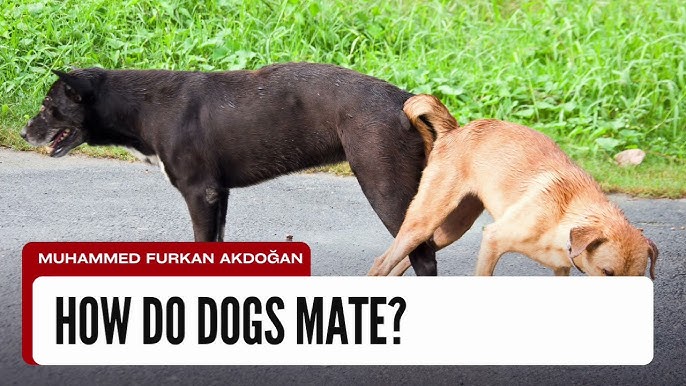
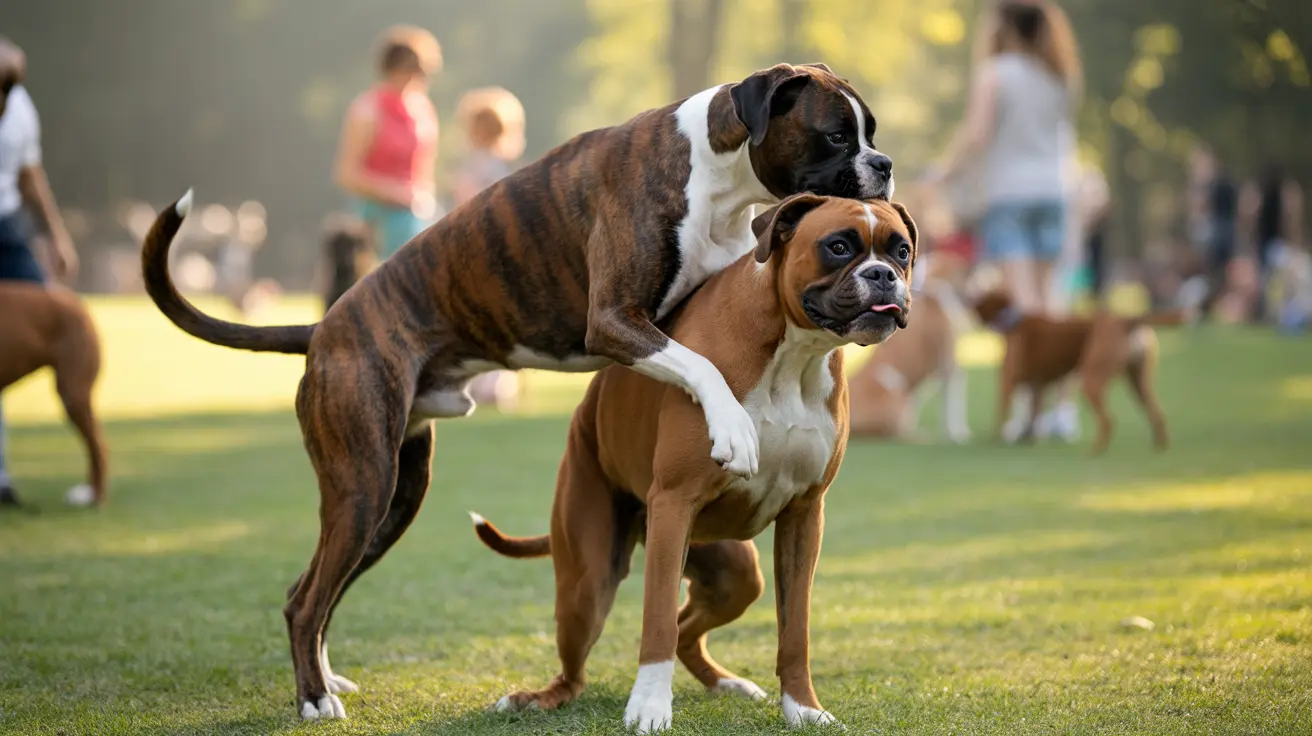
Mounting is when the male dog climbs on the female to begin mating. This action helps align their bodies for reproduction.
Intromission happens when the male inserts his penis into the female’s vagina. This is necessary for fertilization to occur.
The Tie Phase
The tie phase is a unique part of dog mating. After intromission, the male and female stay connected for several minutes.
During this time, the male’s penis swells inside the female. This keeps them locked together to help sperm travel effectively.
Duration And Frequency
Dog mating usually lasts from 5 to 30 minutes. The tie phase can take up most of this time.
Dogs may mate several times during the female’s heat cycle. This increases the chance of pregnancy.
Post-mating Behavior
After mating, dogs exhibit various behaviors that are crucial for the survival of their offspring. This post-mating behavior is essential for the well-being of both the mother and the puppies.
Separation After Tie
After mating, the male dog will often leave the female’s side, allowing her to prepare for whelping. This separation is a natural part of the reproductive process.
During this time, the female dog may become more solitary, seeking a quiet and comfortable place to give birth. This behavior is driven by her natural nesting instincts.
Female Nesting Instincts
As the whelping date approaches, the female dog will often begin to exhibit nesting behavior. This includes selecting a quiet and comfortable place to give birth, such as a den or a hidden area.
- She may line the den with soft materials like blankets or paper towels
- She may also gather her puppies and bring them to the den
- This behavior is essential for the survival of her puppies
Male Behavior Changes
After mating, the male dog's behavior may change significantly. He may become more aggressive or territorial, especially if he feels that his mate is being threatened.
However, he may also become more affectionate and protective of his mate, especially if he senses that she is about to give birth.
Factors Affecting Mating
Dog mating behavior can be influenced by many factors. Understanding these can help in managing breeding.
These factors include age, health, environment, and breed differences. Each plays a vital role in the mating process.
Age And Health
Age is crucial in dog mating. Dogs reach sexual maturity at different ages.
Health also affects mating success. Healthy dogs are more likely to mate successfully.
- Young dogs may not be ready to mate.
- Older dogs may face health challenges.
- Regular vet check-ups are important.
Environmental Influences
The environment can impact dog mating behavior. Stressful settings may hinder successful mating.
Calm and familiar environments are ideal for mating. Dogs feel more comfortable and ready.
- Familiar places reduce stress.
- Quiet settings promote relaxation.
- Proper lighting and temperature are essential.
Breed Differences
Different breeds have unique mating behaviors. Some breeds are more active or selective.
Understanding breed-specific traits helps in planning. It ensures better mating outcomes.
- Small breeds may mature faster.
- Large breeds may have specific needs.
- Research your dog’s breed for better insights.
Signs Of Successful Mating
Dog mating is a natural process that leads to pregnancy. After mating, it is important to watch for signs that show success. These signs help owners know if the female dog is pregnant.
Recognizing early signs of pregnancy can help owners prepare for the arrival of puppies. This guide explains key indicators to look for after mating.
Pregnancy Indicators
Pregnancy signs in dogs usually appear two to three weeks after mating. Physical changes are the first clues that the process worked.
Look for swollen nipples and a soft belly. The nipples may become darker and grow larger. Some dogs also have mild weight gain early on.
- Swollen and darkened nipples
- Soft and slightly enlarged belly
- Mild weight gain
- Less appetite or mild nausea
Behavioral Changes
Pregnant dogs often act differently. They may seem more tired and want extra rest. Some dogs become more affectionate and seek attention.
Other dogs may hide or avoid playtime. These changes help owners notice if mating was successful.
- Increased tiredness and resting
- More affectionate behavior
- Loss of interest in play
- Possible mood swings or irritability
Veterinary Confirmation
A vet can confirm pregnancy with exams and tests. Ultrasound can detect puppies as early as three weeks after mating.
Blood tests check hormone levels to confirm pregnancy. A vet visit ensures the health of the mother and puppies.
- Ultrasound for early puppy detection
- Blood tests to check pregnancy hormones
- Physical exams to track health
- Advice for care during pregnancy
Frequently Asked Questions
What Triggers Dog Mating Behavior In Females?
Female dogs enter heat, releasing pheromones that attract males. This hormonal change signals fertility and readiness to mate, typically occurring twice a year.
How Long Does Dog Mating Behavior Last?
Dog mating behavior lasts about 2 to 3 weeks during the female’s heat cycle. Peak fertility is usually in the middle of this period.
What Signs Indicate A Dog Is Ready To Mate?
Signs include swelling of the vulva, increased urination, and behavioral changes like restlessness or seeking male attention. These indicate the female is in estrus.
How Do Male Dogs Behave During Mating Season?
Male dogs become more restless, mark territory frequently, and actively seek out females. They may display increased aggression or vocalization to attract mates.
Conclusion
Understanding dog mating behavior helps owners care for their pets better. Dogs show clear signs when they are ready to mate. Observing these behaviors can prevent unwanted pregnancies and health issues. Respecting natural instincts keeps dogs calm and happy. Training and supervision are important during this time.
Knowing how dogs communicate helps build a stronger bond. Remember, patience and care make the process easier for both dogs and owners. Stay informed and attentive to your dog’s needs. This knowledge supports a healthy and safe environment for all pets.

Emily Barker is the founder of ChillDogLife.com, a space dedicated to helping pup parents discover the best dog products, lifestyle tips, and cozy ideas for happier homes.
A lifelong dog lover, Emily combines her passion for pets with a knack for research to share trusted recommendations on everything from toys and furniture to health and everyday care.
Her goal is simple: to make life easier, stylish, and more joyful for dogs and the people who love them.




