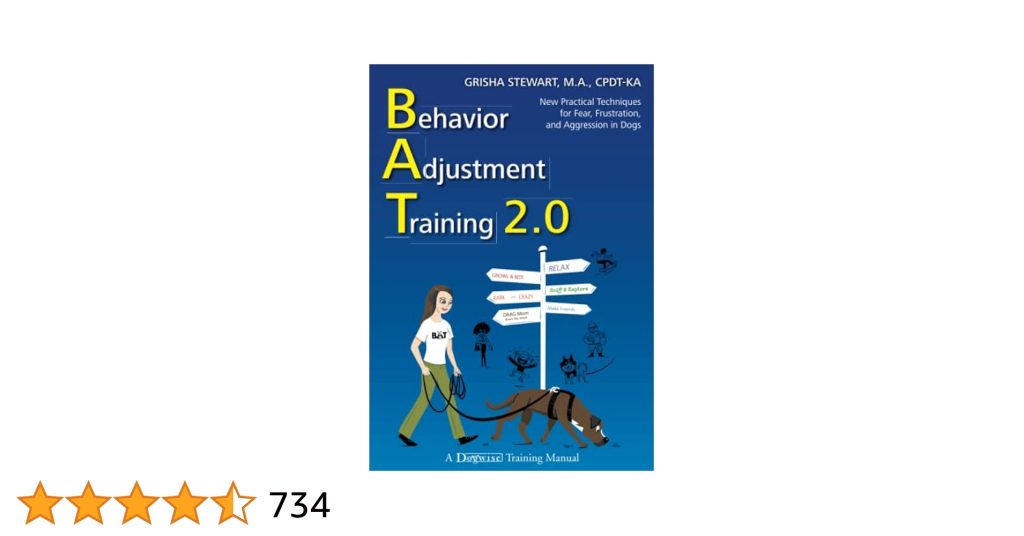
If your dog’s behavior is causing stress or frustration, you’re not alone. You want a happy, well-behaved pet, but sometimes training feels overwhelming or confusing.
That’s where Behavior Adjustment Training (BAT) comes in. This method can change how your dog reacts to triggers and help you build a stronger, calmer relationship. Imagine feeling confident every time your dog meets new people or faces challenges. Keep reading to discover how BAT can transform your dog’s behavior—and your daily life together.
Causes Of Aggression
Aggression in dogs can come from many causes. Understanding these helps trainers and owners manage behavior better.
Some causes are linked to genetics, while others come from the dog’s environment or health. Identifying the right cause is key to effective training.
Genetics And Breed Traits
Certain breeds have traits that may make them more prone to aggression. These traits are inherited and affect how dogs react to situations.
- Guarding instincts in some breeds
- High prey drive in hunting breeds
- Protectiveness over territory or family
- Temperament differences between breeds
Environmental Factors
Where and how a dog lives can affect its behavior. Stress, poor socialization, and lack of training often lead to aggression.
| Factor | Effect on Aggression |
| Isolation | Increases fear and hostility |
| Poor socialization | Leads to fear of strangers |
| Harsh training | Triggers defensive aggression |
| Overcrowding | Causes stress and irritability |
Fear And Anxiety Triggers
Fear is a strong cause of aggression. Dogs may attack if they feel scared or threatened.
- Loud noises like thunder or fireworks
- Strange people or animals
- New places or changes in routine
- Painful or uncomfortable situations
Medical Issues
Health problems can make dogs more aggressive. Pain or illness lowers their patience and tolerance.
| Medical Issue | How It Causes Aggression |
|---|---|
| Arthritis | Pain when touched causes snapping |
| Neurological problems | Confusion leads to irritability |
| Hormonal imbalances | Changes mood and behavior |
| Infections | Discomfort triggers defensive acts |
Credit: store.grishastewart.com
Signs Of Aggressive Behavior
Aggressive behavior in dogs can be dangerous. It is important to spot early signs to prevent problems.
Understanding these signs helps trainers and owners use Behavior Adjustment Training effectively.
Body Language Cues
Dogs show aggression through their body language. Watch for stiff posture or raised hackles.
Other signs include direct staring, tail held high or tucked, and ears pinned back or forward.
- Stiff body and raised fur
- Direct, hard staring
- Tail high or tucked tightly
- Ears pinned back or pointed forward
- Lips curled to show teeth
Vocalizations And Growling
Dogs often use sounds to warn before they act aggressively. Growling is a common sign.
Barking loudly or snarling can also show that a dog feels threatened or ready to attack.
- Low growling or rumbling
- Sharp, loud barking
- Snarling with teeth showing
- Whining that sounds tense
Biting And Lunging
Biting is the most obvious aggressive sign. It can be a quick snap or a hard bite.
Lunging happens when a dog moves suddenly forward to scare or hurt someone.
- Snapping without contact
- Hard, painful bites
- Sudden lunging forward
- Attempting to grab or hold with teeth
Situational Aggression
Aggression can appear in certain situations. Some dogs react only when scared or threatened.
Common triggers include guarding food, protecting territory, or fear of strangers.
- Food or toy guarding
- Protecting home or yard
- Fear of new people or animals
- Stress from loud noises or crowds
Basics Of Behavior Adjustment Training
Behavior Adjustment Training (BAT) helps dogs change unwanted behavior. It uses gentle methods to improve dog reactions.
This training focuses on teaching dogs new responses using rewards and calm exposure to triggers.
Positive Reinforcement
Positive reinforcement means giving rewards when a dog shows good behavior. Rewards can be treats, praise, or toys.
- Reward calm or quiet behavior
- Use treats to encourage focus
- Give praise to build trust
- Avoid punishment to keep learning positive
Desensitization Techniques
Desensitization means slowly exposing a dog to a trigger at a low level. This helps reduce fear or aggression.
Start far from the trigger and give rewards. Gradually get closer as the dog stays calm.
Counter-conditioning
Counter-conditioning changes the dog’s feelings about something scary or upsetting.
| Before | After |
|---|---|
| Dog feels fear or anger | Dog feels calm and happy |
| Trigger causes bad behavior | Trigger leads to good behavior |
Consistency And Patience
Training needs regular practice and calm patience. Dogs learn best with steady routines.
- Train daily in short sessions
- Keep rewards and commands the same
- Watch the dog’s stress signs
- Stay calm even if progress is slow
Step-by-step Training Plan
Behavior Adjustment Training (BAT) helps dogs change unwanted behaviors. It uses gentle steps to improve how dogs react to triggers.
This plan guides you through the process of BAT. It focuses on understanding your dog and training safely.
Assessing Aggression Levels
Start by watching your dog’s reactions. Note what causes aggressive behavior and how strong it is.
Look for signs like growling, snapping, or stiff body posture. Know when your dog feels stressed or scared.
- Identify specific triggers (people, other dogs, objects)
- Record the intensity of the reaction
- Note how long the behavior lasts
- Observe body language before and after aggression
Setting Realistic Goals
Choose goals that match your dog’s needs and abilities. Small changes are better than quick fixes.
Plan goals like reducing growling or increasing distance from triggers. Avoid aiming to stop all aggression immediately.
- Set clear, simple goals
- Focus on one behavior at a time
- Make goals measurable (e.g., less barking)
- Be patient and flexible
Creating A Safe Environment
Prepare a calm place for training. Remove distractions and keep your dog comfortable.
Use tools like leashes or barriers to keep your dog safe. Make sure the environment helps reduce stress.
- Choose quiet, familiar spots
- Limit noise and people nearby
- Use safety gear like harnesses or muzzles if needed
- Have treats and toys ready
Implementing Training Sessions
Start training with short sessions. Use treats and praise to reward calm behavior near triggers.
Gradually decrease the distance from triggers. Stop if your dog shows stress and try again later.
- Keep sessions under 10 minutes
- Reward positive responses immediately
- Increase challenge slowly
- Stay calm and patient throughout
Tracking Progress
Write down what happens in each session. Note improvements or problems you see.
Use your notes to adjust goals and training steps. Celebrate small successes to stay motivated.
- Record date, time, and location
- Note triggers and reactions
- Track how your dog responds over time
- Adjust training based on progress
Tools And Equipment
Behavior adjustment training for dogs needs the right tools. Using proper equipment helps keep training safe and effective.
This guide covers useful items like leashes, treats, clickers, and safety gear. Each tool plays a role in training success.
Leashes And Harnesses
Leashes and harnesses control your dog safely during training. Choose strong, comfortable options that fit well.
- Use a standard leash for basic control
- Try a harness to reduce strain on the dog’s neck
- Consider adjustable leashes for flexibility
- Check hardware for durability and safety
Treats And Rewards
Treats motivate dogs to learn new behaviors. Pick small, tasty rewards that your dog enjoys.
| Treat Type | Best Use | Notes |
| Soft treats | Quick reward during training | Easier to chew and swallow |
| Dry kibble | Low-calorie option | Good for longer sessions |
| Freeze-dried meat | High value reward | Use for difficult commands |
Clickers And Markers
Clickers and markers help dogs know exactly when they do the right thing. They make training clear and consistent.
- Clicker: a small device that makes a clicking sound
- Verbal marker: a word like “Yes!” or “Good!”
- Use immediately after the desired behavior
- Pair with treats for best effect
Muzzles And Safety Gear
Muzzles and safety gear protect both dog and trainer. Use them carefully and only when needed.
| Equipment | Purpose | Tips |
|---|---|---|
| Muzzle | Prevent biting | Choose comfortable, well-fitting models |
| Protective gloves | Protect hands during training | Use for dogs with a history of biting |
| Safety goggles | Protect eyes | Useful for dogs that may snap or scratch |
Common Challenges And Solutions
Behavior adjustment training helps dogs learn better habits. There are common challenges owners face while training their dogs.
Understanding these challenges can make the training process smoother. Let’s explore some solutions to common problems.
Dealing With Setbacks
Setbacks are normal in training. Dogs may forget skills they learned before. This can be frustrating for owners.
Patience is key. Go back to basics if needed. Keep training sessions short and fun for your dog.
- Repeat simple commands
- Use treats for encouragement
- Stay calm and positive
Managing High-drive Dogs
High-drive dogs have lots of energy. They need more physical and mental activities. This can be challenging for some owners.
Daily exercise is important. Use toys and games to keep them busy. This helps them stay focused during training.
- Take long walks or runs
- Play fetch or tug-of-war
- Use puzzle toys for mental stimulation
Avoiding Reinforcement Of Bad Habits
Sometimes, owners may unknowingly reinforce bad habits. This happens when dogs are rewarded for unwanted behavior.
Be mindful of your actions. Only reward good behavior. Ignore or redirect bad behavior to stop it.
- Do not give treats for barking
- Ignore jumping until calm
- Redirect chewing to toys
When To Seek Professional Help
Sometimes, training on your own is not enough. Professional help may be needed for certain issues. This includes aggression or fear.
Seek help if problems persist. A professional trainer can offer guidance and support. This can improve your dog’s behavior significantly.
- Consult a certified dog trainer
- Consider behaviorists for severe issues
- Join group classes for socialization
Maintaining Long-term Behavior
Behavior Adjustment Training helps dogs learn new behaviors. Maintaining these behaviors is important for their well-being. This guide explains key areas to focus on for long-term success.
Focus on ongoing socialization, regular exercise, and reinforcing good behavior. Adjust training methods as dogs age to ensure continued success.
Ongoing Socialization
Socializing your dog should not stop after puppyhood. It is important for them to meet new people and dogs regularly. This helps them stay friendly and reduces fear.
Take them to different places like parks and pet-friendly stores. This keeps them comfortable in new situations. It also helps them learn to behave around different stimuli.
Regular Exercise And Mental Stimulation
Dogs need daily exercise to stay healthy. Walks, playtime, and fetch are great ways to keep them active. Physical activity also helps prevent unwanted behaviors.
Mental stimulation is important too. Puzzle toys and training games challenge their minds. This can help reduce boredom and anxiety.
- Walk for at least 30 minutes daily
- Play fetch in the yard or park
- Use puzzle toys to challenge their minds
Reinforcing Good Behavior
Rewarding good behavior helps dogs remember what is expected. Use treats, praise, or toys to reinforce positive actions. Consistency is key to maintaining these behaviors.
It is important to reward them immediately after they do something good. This helps them connect the reward with the behavior.
Adjusting Training As Dogs Age
As dogs get older, their needs and abilities change. Adjust training to fit their age and health. Older dogs may need shorter training sessions but still benefit from mental challenges.
Be patient and understanding as their energy levels change. Continue to provide support and encouragement throughout their lives.
- Shorten training sessions for older dogs
- Adapt activities to their physical abilities
- Keep mental exercises engaging but not too difficult
Credit: store.grishastewart.com
Credit: shop.clickertraining.com
Frequently Asked Questions
What Is Behavior Adjustment Training For Dogs?
Behavior Adjustment Training (BAT) helps dogs change unwanted behaviors safely. It uses positive reinforcement and controlled exposure to triggers. BAT teaches dogs to stay calm and make better choices. It is effective for fear, aggression, and anxiety issues.
How Does Bat Improve Dog Aggression?
BAT reduces aggression by gradually exposing dogs to triggers at a safe distance. It encourages calm responses through rewards. This method helps dogs learn non-aggressive ways to cope with stress. Over time, dogs associate triggers with positive experiences, decreasing aggressive reactions.
Can Bat Help Fearful Dogs?
Yes, BAT is excellent for fearful dogs. It gently exposes them to scary situations while rewarding calm behavior. This approach builds confidence and reduces anxiety. BAT teaches dogs to handle fear triggers without stress or aggression.
How Long Does Behavior Adjustment Training Take?
The duration varies depending on the dog’s issues and progress. Some dogs improve in a few weeks, while others need months. Consistency and patience are essential. Regular sessions with a professional trainer speed up results.
Conclusion
Behavior adjustment training helps dogs learn good habits and reduce bad ones. It builds trust between you and your dog. Patience and consistency bring the best results. Small steps make a big difference over time. Training helps your dog feel safe and happy.
Each dog learns at its own pace. Keep sessions short and fun to stay focused. This method improves your dog’s behavior gently and kindly. Your efforts create a stronger bond every day. Good behavior brings joy to both you and your dog.

Emily Barker is the founder of ChillDogLife.com, a space dedicated to helping pup parents discover the best dog products, lifestyle tips, and cozy ideas for happier homes.
A lifelong dog lover, Emily combines her passion for pets with a knack for research to share trusted recommendations on everything from toys and furniture to health and everyday care.
Her goal is simple: to make life easier, stylish, and more joyful for dogs and the people who love them.




