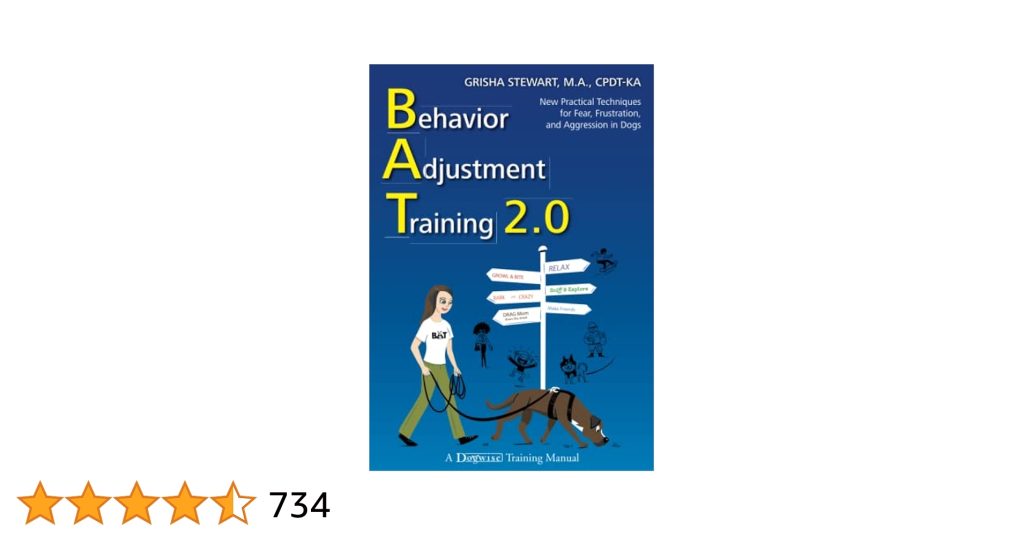
Have you ever wished your dog would listen better or stop unwanted behaviors? Behavior Adjustment Training for Dogs could be the key to transforming your furry friend into a calmer, more obedient companion.
Imagine enjoying walks without pulling, greeting guests without barking, or simply having peace in your home. This method isn’t just about training—it’s about understanding your dog’s needs and helping them adjust in a way that feels natural. Keep reading to discover how Behavior Adjustment Training can change your relationship with your dog for the better.
What Is Behavior Adjustment Training
Behavior Adjustment Training, often called BAT, is a method to help dogs change unwanted behavior. It uses rewards and safe exposure to triggers.
This training helps dogs feel less stressed and more confident around things that scare or upset them.
BAT focuses on teaching dogs new ways to react to their triggers. It uses positive experiences instead of punishment.
- Observe the dog’s body language closely.
- Keep the dog at a comfortable distance from the trigger.
- Reward calm and relaxed behavior with treats or praise.
- Slowly decrease the distance to the trigger as the dog gains confidence.
- Allow the dog to make choices and control the interaction.
How Behavior Adjustment Training Works
BAT helps dogs learn that triggers are not a threat. It changes their emotional response over time.
| Step | Description |
| 1 | Identify the triggers causing the problem behavior. |
| 2 | Keep the dog at a safe distance where it feels calm. |
| 3 | Reward the dog for calm behavior near the trigger. |
| 4 | Gradually bring the dog closer to the trigger. |
| 5 | Repeat until the dog reacts calmly at close range. |
Benefits Of Behavior Adjustment Training
BAT helps dogs stay calm and confident. It reduces fear and aggression without force or fear.
- Improves communication between dog and owner.
- Builds trust and confidence in dogs.
- Reduces stress in challenging situations.
- Encourages positive behavior through rewards.
Credit: store.grishastewart.com
Causes Of Aggression In Dogs
Aggression in dogs can be concerning for pet owners. Understanding the causes is important for effective behavior adjustment training.
Dogs show aggression due to various reasons. Knowing these reasons helps in addressing the behavior properly.
Fear-based Aggression
Fear is a common cause of aggression in dogs. When a dog feels threatened, it may become aggressive to protect itself.
This type of aggression often happens in unfamiliar situations. It is important to help the dog feel safe and secure.
Territorial Aggression
Dogs are naturally protective of their territory. They might show aggression when they perceive an intruder.
This behavior is common when strangers or other animals enter the dog’s space. Training can help manage this behavior.
Possessive Aggression
Possessive aggression occurs when a dog guards its possessions. This includes toys, food, or even people.
Dogs may growl or snap to protect what they value. Understanding this can guide owners in training their pets effectively.
Social Aggression
Some dogs show aggression in social situations. This can happen around other dogs or people.
It often results from poor socialization or past experiences. Training can help improve a dog’s social skills.
Pain-induced Aggression
Pain can cause dogs to act aggressively. When a dog is hurt, it may lash out at others.
Owners should consult a veterinarian if they suspect pain as the cause. Proper care and attention can reduce this aggression.
Core Principles Of Behavior Adjustment Training
Behavior Adjustment Training (BAT) helps dogs change how they react to triggers. It uses calm and safe steps to teach new responses.
This training focuses on building confidence and reducing fear or aggression. It respects the dog’s feelings and pace.
Understanding The Dog’s Perspective
BAT starts by seeing the world from the dog’s point of view. This means noticing what makes the dog scared or upset.
Knowing triggers helps trainers create a safe space for the dog to learn new behaviors.
Use Of Distance And Threshold
Distance is key in BAT. Trainers keep the trigger far enough away so the dog feels safe. This distance is called the threshold.
- Find the distance where the dog notices the trigger but stays calm.
- Work at this distance to build positive feelings.
- Slowly decrease distance as the dog adjusts.
Encouraging Natural Choices
BAT encourages dogs to make good choices on their own. The dog learns that staying calm brings rewards.
This principle helps dogs gain control over their reactions without force. It builds trust between dog and trainer.
Positive Reinforcement
Rewards play a big role in BAT. Trainers use treats, praise, or play to reward calm behavior.
| Reward Type | Purpose |
| Treats | Motivate and reinforce calmness |
| Praise | Build confidence and bond |
| Play | Make training fun and engaging |
Patience And Consistency
BAT takes time. Trainers must be patient and consistent to help dogs learn new habits.
Regular practice and calm guidance help the dog feel safe and ready to change.
Credit: store.grishastewart.com
Step-by-step Training Process
Behavior Adjustment Training helps dogs change unwanted reactions. It uses calm, simple steps to improve behavior.
This process builds trust and safety between dogs and their owners. Each step works to reduce fear or aggression.
Identifying Triggers
First, find what causes your dog to react. Triggers can be people, other dogs, sounds, or places.
Watch your dog closely to see when it shows stress or fear signs. Note these situations carefully.
Creating Positive Associations
Next, help your dog link triggers to good things. Use treats or toys to make positive connections.
Give rewards right after the trigger appears but before the dog reacts badly. This changes how the dog feels.
- Show the trigger at a distance
- Give a treat or praise
- Repeat to build happy feelings
Implementing Counter-conditioning
Change your dog’s emotional response by pairing triggers with rewards. This teaches calm reactions.
Use treats and kind words to switch fear or anger to comfort and joy. Practice often in safe spaces.
- Present trigger at low intensity
- Reward calm or neutral behavior
- Gradually increase trigger exposure
- Always reward positive reactions
Using Desensitization Techniques
Desensitization means slowly exposing your dog to triggers. Start with weak triggers and increase over time.
This step helps your dog get used to triggers without fear. Keep sessions short and positive to avoid stress.
- Begin far from the trigger
- Watch your dog’s comfort level
- Move closer only if calm
- Stop if signs of stress appear
Reinforcing Desired Behavior
Reward your dog when it shows good behavior around triggers. This makes calm behavior stronger over time.
Use treats, praise, or play as rewards. Consistent rewards help your dog learn what you expect.
- Praise calm reactions immediately
- Give treats or favorite toys
- Ignore or redirect bad behavior
- Practice regularly in real life
Tools And Equipment Needed
Behavior Adjustment Training for dogs needs specific tools and equipment. These help guide your dog’s actions safely and effectively.
Using the right tools makes training easier. It also keeps your dog comfortable and focused during sessions.
Leash And Collar
A sturdy leash and collar are basic tools for training. They give you control and help keep your dog safe.
Choose a leash that is about 4 to 6 feet long. Use a flat collar or a martingale collar to prevent slipping.
Treats And Reward Toys
Treats and toys encourage good behavior. Use small, tasty treats your dog loves for quick rewards.
Toys can also motivate your dog. Pick toys that are safe and easy to carry during training sessions.
Clicker
A clicker is a small device that makes a clicking sound. It marks the exact moment your dog does something right.
Clickers help your dog understand which behaviors you want. They are useful in timing rewards correctly.
Crate Or Safe Space
A crate or a quiet space helps your dog calm down. It provides a safe spot during training breaks or after sessions.
Make the space comfortable with a bed or blanket. It should feel like a positive place, not a punishment.
Training Collar Options
Some dogs may benefit from special training collars. These include head halters or harnesses that reduce pulling.
Use these collars carefully and follow instructions. They help control strong or reactive dogs without causing harm.
- Head halters gently guide the dog’s head
- Harnesses distribute pressure evenly
- Avoid choke or prong collars for behavior training
Common Challenges And Solutions
Behavior Adjustment Training (BAT) helps dogs learn better ways to behave around triggers. Many dog owners face challenges during this training.
Understanding common problems can help trainers and owners find simple solutions. This guide covers key challenges and how to handle them.
Fear And Anxiety
Dogs often feel scared or anxious near triggers. This fear can stop progress in training. It is important to keep the dog calm and safe.
Use a distance where the dog feels safe. Reward calm behavior and slowly reduce the distance over time.
- Start training far from the trigger
- Give treats for calm actions
- Do not force the dog to face fear
- Use a calm voice and gentle touch
Lack Of Focus
Dogs may get distracted during BAT sessions. They might look around or lose interest quickly. This slows down learning.
Keep sessions short and fun. Use high-value treats and change the training spot if needed.
- Limit training to 5-10 minutes
- Use special treats your dog loves
- Train in quiet areas at first
- Take breaks if the dog loses interest
Overexcitement Or Aggression
Some dogs get too excited or show aggression during BAT. This can make training unsafe or ineffective.
Teach the dog calm behaviors before starting BAT. Use clear commands and stop if the dog becomes too excited.
- Practice “sit” and “stay” often
- Stop training if the dog growls or lunges
- Use a leash or harness for control
- Reward calm and quiet behavior
Inconsistent Training
Not training regularly or changing methods confuses dogs. Consistency is key to success in BAT.
Set a regular schedule and use the same commands and rewards. Make sure all family members follow the plan.
- Train daily or several times a week
- Use the same words and signals
- Keep rewards consistent
- Communicate with all handlers
Slow Progress
Training may take longer than expected. Dogs learn at different speeds. Patience is important.
Celebrate small improvements. Adjust training distance and difficulty to match your dog’s comfort.
- Track small steps forward
- Keep training sessions positive
- Adjust trigger distance as needed
- Stay patient and calm
Measuring Progress And Success
Behavior Adjustment Training (BAT) helps dogs change how they react to triggers. It is important to track your dog’s progress.
Measuring success shows if the training works and what needs more focus.
Setting Clear Goals
Start by defining what you want your dog to achieve. Goals must be simple and realistic.
Examples include less barking, staying calm near other dogs, or walking without pulling.
- Reduce aggressive reactions
- Increase calm behavior around triggers
- Improve focus on the owner
Using A Progress Journal
Keep a journal to write down daily training results. Note your dog’s reactions and changes.
This helps you see small improvements that might be missed otherwise.
- Record date and time of sessions
- Note trigger types and intensity
- Describe your dog’s behavior and mood
Tracking Behavior Changes
Watch for changes in how your dog reacts to triggers. Look for less fear, barking, or lunging.
Use simple scales like 1 to 5 to rate behavior before and after training.
| Score | Behavior Description |
|---|---|
| 1 | Highly reactive, lunges or barks loudly |
| 3 | Some reaction, but calmer than before |
| 5 | Calm and relaxed near triggers |
Video Or Photo Records
Take videos or photos during training sessions. They show your dog’s progress clearly.
Review the recordings to compare behavior over time and adjust training steps.
Seeking Feedback From Professionals
Ask a dog trainer or behaviorist to watch your sessions. They can spot progress or problems.
Professional advice helps improve your training plan and reach your goals faster.
When To Seek Professional Help
Behavior Adjustment Training (BAT) can help dogs change how they react to triggers. Some dogs need extra support beyond what owners can provide.
Knowing when to ask a professional can save your dog from stress and keep training safe.
Signs Of Aggression Or Fear That Are Hard To Manage
If your dog shows strong aggression or fear, it can be risky to train alone. Professionals know how to handle these behaviors safely.
They use special techniques to reduce fear and prevent harm to you and your dog.
Lack Of Progress After Consistent Training
If your dog does not improve after weeks of BAT, you may need help. A trainer or behaviorist can find new ways to help your dog.
They can also adjust the training plan to fit your dog’s needs better.
Complex Behavior Problems
Some dogs have problems like separation anxiety or resource guarding. These issues can be hard to fix on your own.
A professional can create a clear plan to work on these complex problems safely and effectively.
Uncertainty About Training Techniques
If you feel unsure about how to do BAT, a professional can guide you. They show you the right way to work with your dog.
Getting expert advice helps avoid mistakes that can slow progress or cause stress.
Safety Concerns For You Or Your Dog
When your dog’s behavior feels dangerous, it is time to get help. Professionals know how to keep everyone safe during training.
They teach you ways to protect yourself and your dog while making progress.
Tips For Maintaining Long-term Results
Behavior Adjustment Training (BAT) helps dogs learn new ways to react. Keeping the good behavior over time needs care and effort.
These tips will help you keep your dog calm and balanced after BAT sessions.
Be Consistent With Training
Consistency is key to keep your dog’s progress steady. Use the same commands and signals every time.
Practice regularly in different places and with various distractions. This helps your dog apply lessons in real life.
Observe Your Dog’s Body Language
Watch your dog’s signals to understand how they feel. Signs of stress or discomfort mean you should pause or change the approach.
Respond quickly to these signs to keep training positive and safe for your dog.
Keep Training Sessions Short And Positive
Short sessions help your dog stay focused and enjoy learning. End sessions with praise or treats to build good habits.
- Limit sessions to 5–10 minutes
- Use rewards like treats or petting
- Stop before your dog gets tired or bored
Maintain A Calm Environment
A calm space helps your dog feel safe and ready to learn. Avoid loud noises and sudden changes during training.
Regular walks and quiet time support your dog’s emotional balance outside training.
Use Gradual Exposure To Triggers
Slowly expose your dog to things that cause stress. Keep distance and increase exposure only when your dog stays calm.
- Start from a far distance
- Reward calm behavior
- Move closer only if your dog is relaxed
Seek Support From A Professional Trainer
A trainer can guide you through tough moments. They help adjust techniques to your dog’s needs.
Regular check-ins keep you on track and prevent setbacks.

Credit: www.amazon.com
Frequently Asked Questions
What Is Behavior Adjustment Training For Dogs?
Behavior Adjustment Training (BAT) is a positive reinforcement method. It helps dogs overcome fear and aggression. BAT focuses on controlled exposure to triggers with rewards. This training improves a dog’s confidence and social skills safely.
How Does Bat Help Aggressive Dogs?
BAT teaches dogs to react calmly to triggers. It uses distance and rewards to reduce fear-based aggression. The dog learns to choose calm behavior over aggression. This method promotes long-term behavior change without punishment.
How Long Does Behavior Adjustment Training Take?
The duration varies by dog and issue severity. Typically, noticeable improvements appear in weeks to months. Consistent practice and patience are crucial. Regular sessions help reinforce positive behavior effectively.
Can Bat Be Done At Home?
Yes, owners can practice BAT with guidance. It requires careful trigger management and timing of rewards. Consulting a professional trainer ensures correct technique. Home practice strengthens training results and builds trust.
Conclusion
Behavior Adjustment Training helps dogs learn better habits and reduce stress. It takes time and patience to see good results. Consistent training builds trust between you and your dog. Small steps each day lead to big changes. Dogs respond well to kindness and clear guidance.
This training improves your dog’s life and your bond. Start with simple exercises and stay calm. Every dog can benefit from behavior adjustment training. Keep practicing, and enjoy a happier, well-behaved dog.

Emily Barker is the founder of ChillDogLife.com, a space dedicated to helping pup parents discover the best dog products, lifestyle tips, and cozy ideas for happier homes.
A lifelong dog lover, Emily combines her passion for pets with a knack for research to share trusted recommendations on everything from toys and furniture to health and everyday care.
Her goal is simple: to make life easier, stylish, and more joyful for dogs and the people who love them.




