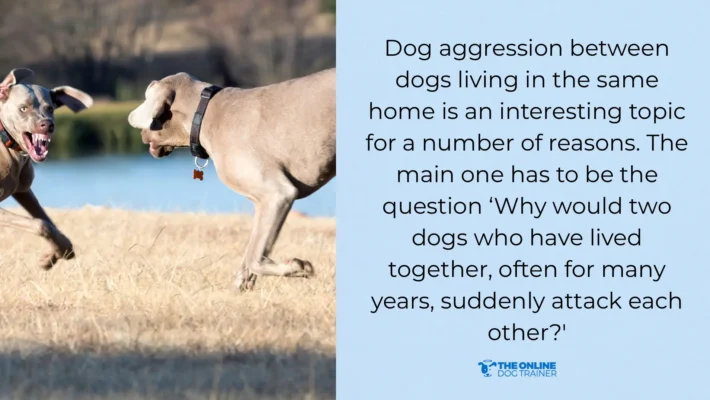
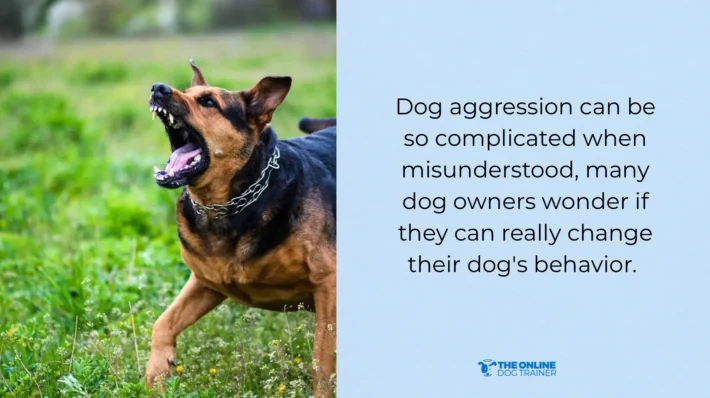
Have you ever watched your dog growl, snap, or lunge at another dog and felt unsure about what to do next? Aggressive dog-to-dog behavior can be scary and confusing for any pet owner.
But understanding why your dog acts this way is the first step to keeping both dogs safe and happy. You’ll discover the key reasons behind this behavior, how to spot early warning signs, and practical steps you can take to manage and reduce aggression.
Keep reading—your dog’s calm and confident future depends on it.

Credit: www.dwdogtraining.com
Causes Of Dog To Dog Aggression
Dogs may show aggression toward other dogs for many reasons. Understanding these causes helps owners manage and prevent fights.
Knowing why a dog acts aggressively can improve safety for both dogs and people around them.
Genetic Influences
Some dogs inherit aggressive traits from their parents. Genetics can make certain breeds more prone to aggression.
These traits do not mean a dog will always be aggressive but raise the chance of aggressive behavior.
Fear And Anxiety
Dogs that feel scared or anxious may growl, bark, or bite other dogs. Fear can trigger sudden aggression.
Stressful situations, loud noises, or strange dogs can cause fear-based aggression.
Territorial Behavior
Dogs may protect their home or yard by acting aggressive toward other dogs. They see others as threats.
This behavior helps dogs keep control of their space but can cause fights if not managed.
Resource Guarding
Dogs guard food, toys, or resting spots by growling or snapping at other dogs. They want to keep these items.
This guarding can lead to aggressive actions if another dog gets too close.
Lack Of Socialization
Dogs not used to meeting others may feel unsure or scared. This can cause them to act aggressively.
Early and regular socialization helps dogs learn how to behave around other dogs calmly.
Health-related Issues
Pain or illness can make dogs irritable and aggressive toward others. They may react to protect themselves.
Health problems like infections or injuries need attention to reduce aggression caused by discomfort.
Signs Of Aggressive Behavior
Aggressive behavior in dogs can be dangerous. Recognizing the signs early helps keep everyone safe.
Dogs show aggression through body language, sounds, and actions. Understanding these signs is important.
Body Language Cues
Aggressive dogs use their bodies to warn others. Watch for stiff posture, raised hackles, and direct eye contact.
- Stiff and tense body
- Raised fur along the back
- Direct staring without blinking
- Tail held high and stiff or tucked tightly
- Ears pinned back or standing straight up
- Wrinkled nose or exposed teeth
Vocalizations
Sounds tell a lot about a dog’s mood. Growling and barking can show fear or anger.
- Low, deep growling
- Sharp, loud barking
- Snarling with teeth showing
- Whining mixed with growls
Physical Actions
Physical signs of aggression include lunging and biting. These actions show a serious threat.
| Action | Description | What It Means |
|---|---|---|
| Snapping | Quick jaw movement without contact | Warning to stay away |
| Lunging | Sudden forward movement towards another dog | Threat or attack attempt |
| Biting | Physical contact with teeth | Defensive or offensive aggression |
| Blocking | Standing in front to stop movement | Guarding territory or object |
Preventing Aggression Between Dogs
Aggressive behavior between dogs can cause injuries and stress. Preventing fights helps keep dogs safe and happy.
Understanding how to reduce aggression is important for all dog owners. Early steps can stop problems before they start.
Early Socialization Strategies
Socializing puppies with other dogs teaches them to behave well. It helps them feel calm and friendly around others.
Start socialization early, between 3 and 14 weeks old. Introduce your puppy to many safe dogs and new places.
- Take puppies to dog-friendly parks
- Invite vaccinated dogs to meet your puppy
- Use treats and praise during interactions
- Watch for signs of fear or stress
Proper Introduction Techniques
Introducing dogs slowly can prevent fights. Let them see each other from a distance before meeting close up.
Use leashes and stay calm during introductions. Allow dogs to sniff and explore each other at their own pace.
- Choose a neutral place for the first meeting
- Keep dogs on loose leashes
- Watch body language for signs of stress
- Separate dogs if any growling or stiff posture appears
Controlled Play Sessions
Supervised play helps dogs learn how to interact safely. Control the environment to keep play friendly and fun.
Use toys and breaks to manage energy. Stop play if it becomes too rough or aggressive.
- Play with dogs in a fenced area
- Use toys to redirect attention
- Give dogs short breaks to calm down
- Separate dogs if fights start
Consistent Training
Training helps dogs understand rules and limits. Consistency from owners builds good habits and respect.
Use positive reinforcement to encourage calm behavior. Teach commands like “sit,” “stay,” and “leave it.”
- Train daily in short sessions
- Reward calm and polite behavior
- Ignore or redirect aggressive actions
- Be patient and consistent with rules
Credit: theonlinedogtrainer.com
Managing Aggression Safely
Aggressive behavior between dogs can be dangerous. Managing it safely protects everyone involved. Careful handling reduces risks and helps build trust.
Using the right tools and methods is key. This guide covers muzzles, leashes, separation, and calming techniques. Each helps control aggression with care.
Using Muzzles And Leashes
Muzzles and leashes keep dogs under control during tense moments. A muzzle stops biting, while a leash limits movement. Both tools protect dogs and people.
- Choose a muzzle that fits well and allows breathing.
- Use a strong leash that offers good grip.
- Introduce the muzzle slowly so the dog feels safe.
- Never leave a muzzled dog unattended.
- Keep the leash short but not tight to avoid stress.
Safe Separation Methods
Separate aggressive dogs calmly to avoid fights. Using barriers or safe rooms helps keep dogs apart. Separation should be quick but gentle.
| Method | Description | Benefits |
| Physical Barrier | Use gates or fences to divide dogs. | Prevents contact without stress. |
| Crate Separation | Place dogs in crates for safety. | Limits movement and calms dogs. |
| Separate Rooms | Keep dogs in different rooms. | Reduces triggers and tension. |
Calming Techniques
Calm dogs reduce chances of aggression. Use quiet voices and gentle touch. Offer distractions like toys or treats.
- Speak softly and slowly
- Avoid direct eye contact
- Provide a safe space
- Use calming scents like lavender
- Practice deep breathing near the dog
Training Approaches For Aggressive Dogs
Aggressive behavior in dogs can cause problems at home and outside. Training helps reduce this aggression safely.
Different methods work for different dogs. This guide covers three main approaches to help calm aggressive dogs.
Positive Reinforcement
Positive reinforcement rewards good behavior with treats or praise. This encourages dogs to repeat calm actions.
- Give a treat when the dog stays calm around other dogs.
- Use a cheerful voice to praise non-aggressive behavior.
- Ignore bad behavior and reward good choices quickly.
- Keep training sessions short and frequent.
Desensitization And Counter-conditioning
This method changes how a dog feels about triggers that cause aggression. It uses slow exposure and positive experiences.
| Step | Description |
| 1. Identify Triggers | Find what makes your dog aggressive. |
| 2. Start Far Away | Expose dog to trigger at a distance. |
| 3. Reward Calmness | Give treats when dog stays calm. |
| 4. Gradually Decrease Distance | Move closer as dog stays relaxed. |
| 5. Repeat Often | Practice regularly to build new reactions. |
Professional Behavioral Therapy
Some aggressive dogs need help from experts. Trainers and vets use special plans to change behavior safely.
- Behavior evaluation to find aggression causes
- Custom training plans with clear goals
- Use of calming tools like muzzles or leashes
- Medication when needed to reduce anxiety
- Ongoing support and progress tracking

Credit: pupford.com
When To Seek Professional Help
Aggressive behavior between dogs can be worrying. It’s important to know when to seek help.
Professional guidance ensures safety for both dogs and their owners. Let’s explore key signs.
Recognizing Dangerous Patterns
Certain behaviors signal danger in dog interactions. Look for patterns that might be harmful.
Growling, biting, and lunging are clear signs. Dogs showing fear or stress may act out aggressively.
- Frequent fights with other dogs
- Unprovoked attacks on familiar dogs
- Attempts to dominate through aggression
Choosing A Behaviorist Or Trainer
Picking the right professional is crucial. They help change harmful dog behaviors safely.
Look for qualified trainers or behaviorists. They should have experience with aggressive dogs.
- Check for certifications and references
- Ask about their training methods
- Ensure they use positive reinforcement
Safety Tips For Dog Owners
Dogs can show aggressive behavior towards other dogs. It’s important to keep them safe. Owners must know how to handle these situations.
By following safety tips, you can prevent conflicts. This helps to protect both dogs and people around them.
Monitoring Interactions
Always watch your dog when near other dogs. Notice signs of aggression, like growling or stiff body posture.
Keep your dog on a leash in public places. This gives you control and helps stop any unwanted interactions.
- Observe body language
- Use a short leash
- Stay close to your dog
Avoiding Triggers
Know what triggers your dog. It could be loud noises or certain dog breeds. Avoid these triggers to prevent aggression.
Training helps dogs to stay calm. Teach them commands like “sit” and “stay” to manage their behavior.
- Identify triggers
- Avoid crowded places
- Practice obedience training
Emergency Preparedness
Be ready for emergencies if a dog fight occurs. Carry a spray bottle with water to break up fights safely.
Know the location of the nearest vet. Quick medical help may be needed if injuries happen.
- Carry a water spray bottle
- Have vet contact info ready
- Stay calm in emergencies
Frequently Asked Questions
What Causes Aggressive Dog To Dog Behavior?
Aggressive behavior often stems from fear, territorial instincts, or poor socialization. Stress and pain can also trigger aggression. Understanding the root cause helps in managing and training dogs effectively to reduce conflicts and promote safe interactions.
How Can I Prevent Dog To Dog Aggression?
Early socialization and positive reinforcement training are key. Supervise interactions and avoid high-stress situations. Use controlled exposure to calm dogs. Consistency and patience help dogs learn appropriate behavior and reduce aggression risks.
What Are Common Signs Of Dog To Dog Aggression?
Growling, barking, snapping, stiff body posture, and direct staring are common signs. Raised hackles and lunging also indicate aggression. Recognizing these early helps prevent fights and ensures safer dog interactions.
When Should I Seek Professional Help For Dog Aggression?
Seek professional help if aggression persists or worsens despite training. A behaviorist or trainer can assess and create a tailored plan. Early intervention improves outcomes and safety for both dogs and owners.
Conclusion
Aggressive dog-to-dog behavior can cause serious problems. Early steps help keep dogs safe and calm. Watch your dog’s body language closely. Teach dogs to be gentle and social from young. Seek help from trainers if needed. Understanding and patience make a big difference.
Peaceful dog interactions are possible with care. Keep learning about dog behavior every day. Your efforts help dogs live happily together. Small changes create a safer environment for all.

Emily Barker is the founder of ChillDogLife.com, a space dedicated to helping pup parents discover the best dog products, lifestyle tips, and cozy ideas for happier homes.
A lifelong dog lover, Emily combines her passion for pets with a knack for research to share trusted recommendations on everything from toys and furniture to health and everyday care.
Her goal is simple: to make life easier, stylish, and more joyful for dogs and the people who love them.




