
If you have a Wiener Dog or are thinking about getting one, understanding their behavior is key to a happy life together. These little dogs are full of personality, and knowing why they act the way they do can help you connect with your furry friend on a deeper level.
Imagine being able to read your Wiener Dog’s moods, anticipate their needs, and enjoy every moment without frustration. Keep reading, and you’ll discover simple secrets to unlocking your dog’s true nature and building a stronger bond every day.

Credit: www.reddit.com
Dachshund Personality Traits
Dachshunds, also called Wiener Dogs, have unique personalities. They are small dogs with big hearts.
Understanding their traits helps owners care for them better. These traits affect how they behave daily.
Loyalty And Affection
Dachshunds are very loyal to their families. They enjoy being close to their owners most of the time.
They often show affection by cuddling and following people around. This makes them great companions.
Stubbornness And Independence
Dachshunds can be stubborn when learning new things. They like to do tasks their own way.
They also enjoy some independence and may ignore commands sometimes. Patience is key when training them.
- May resist training at times
- Likes to explore on their own
- Needs gentle, consistent guidance
Playfulness And Energy Levels
Dachshunds have high energy and love to play. They enjoy games like fetch and chasing toys.
They need regular exercise to stay healthy. Playtime also helps keep them happy and calm.
- Active and lively dogs
- Enjoy short, fun play sessions
- Need daily walks or playtime
Common Behavioral Patterns
Wiener dogs show many unique behaviors. Understanding these helps owners care for them well.
This guide covers their barking, digging, and chasing habits. Each behavior has reasons behind it.
Barking Tendencies
Dachshunds bark a lot to alert their owners. They can be noisy with strangers or strange sounds.
They use barking to express excitement, fear, or to get attention. Training can help control excessive barking.
Digging Instincts
Digging is a natural trait for Wiener dogs. It comes from their history as badger hunters.
- They dig to find small animals underground.
- Digging helps them release energy and stress.
- Sometimes they dig to make a cool resting spot.
- Providing toys or a digging area can reduce unwanted digging.
Chasing And Hunting Drives
Wiener dogs have strong chasing and hunting instincts. They like to follow moving objects or animals.
| Behavior | Description | How to Manage |
| Chasing squirrels | Runs after small animals in yard | Use leash and recall training |
| Hunting smells | Sniffs ground for scents | Offer scent games and play |
| Following cars | Watches or runs after cars | Distract with commands or toys |
Social Behavior
Wiener dogs, also known as Dachshunds, have unique social traits. They love to be part of a family and enjoy company.
Understanding their social behavior helps owners build strong bonds and happy homes.
Interaction With Family
Wiener dogs are loyal and affectionate with family members. They like to stay close and feel safe around loved ones.
They often follow family members from room to room. They enjoy playing and cuddling.
Behavior Around Strangers
Wiener dogs can be shy or cautious with new people. They may bark to alert their owners.
Proper socialization helps them feel more comfortable around strangers. Early exposure is important.
- May be wary at first
- Bark to alert or protect
- Calm with gentle introductions
Compatibility With Other Pets
Wiener dogs usually get along well with other pets. They enjoy the company of other dogs.
Introducing pets slowly helps prevent fights. Supervision is key during early meetings.
- Friendly with other dogs and cats
- May show some stubbornness
- Needs careful introductions
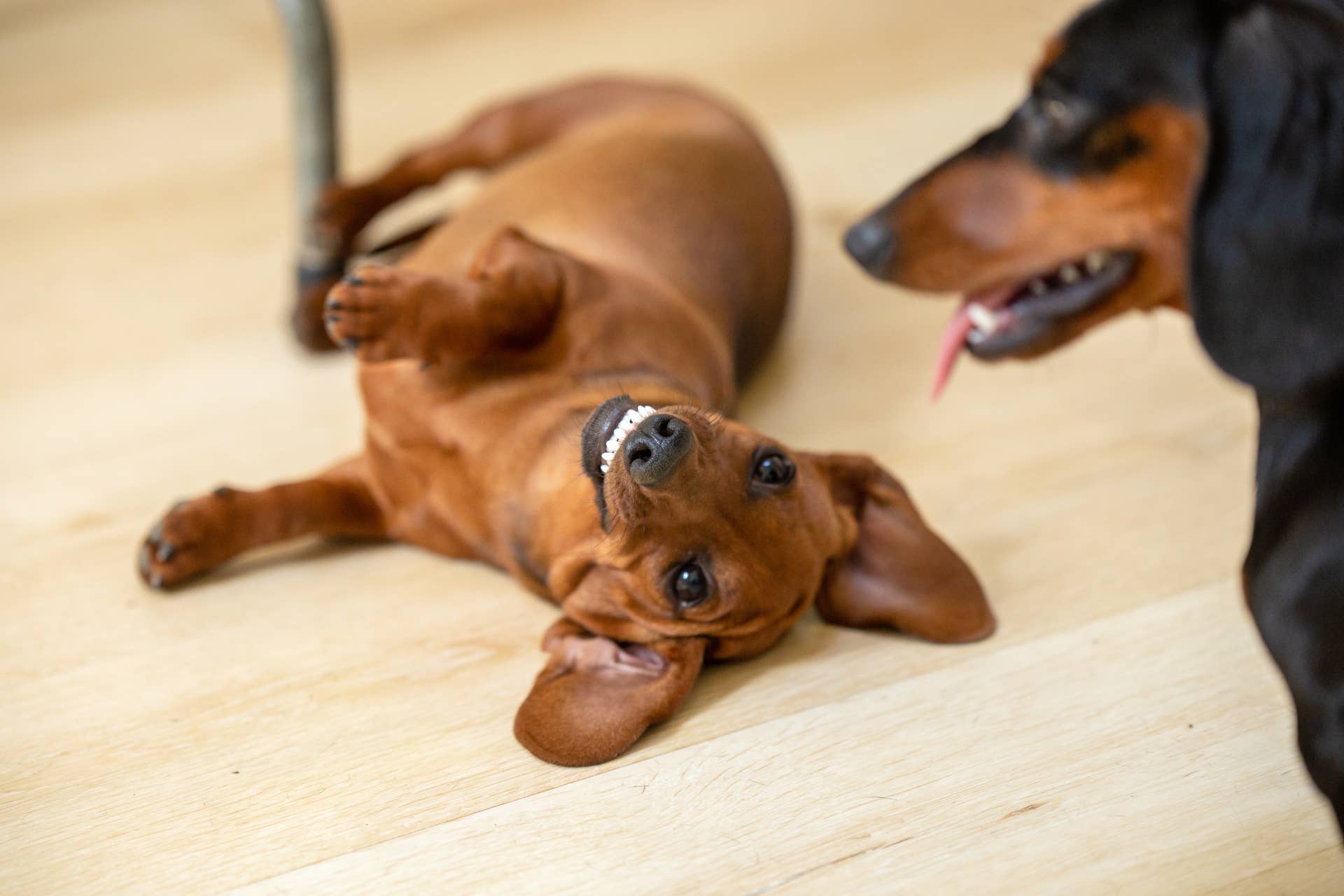
Credit: pethelpful.com
Training Challenges
Wiener dogs, also called Dachshunds, have unique behavior traits. They can be tricky to train because of their strong will.
Understanding their behavior helps with training. Patience and consistency are key when working with these dogs.
Housebreaking Tips
Housebreaking a Wiener dog takes time and effort. They may hide or be stubborn about going outside.
Set a regular schedule for bathroom breaks. Praise them when they go in the right place.
- Take your dog outside first thing in the morning
- Use a specific spot for bathroom breaks
- Watch for signs they need to go
- Clean accidents with odor remover
- Stay calm and patient during accidents
Obedience Training
Wiener dogs can learn commands but may lose focus quickly. Keep training sessions short and fun.
Use treats and praise to reward good behavior. Repeat commands clearly and be consistent with rules.
- Train for 5-10 minutes per session
- Use simple commands like “sit” and “stay”
- Reward immediately after good behavior
- Avoid harsh punishment or yelling
- Practice daily to build habits
Dealing With Stubbornness
Wiener dogs are known for their stubborn streak. They may ignore commands or test limits.
Stay calm and firm when they resist. Use gentle but clear signals to guide them.
- Use consistent commands and gestures
- Do not give in to bad behavior
- Redirect attention with toys or treats
- Be patient and repeat training often
- Keep training sessions positive and short
Health And Behavior Link
Wiener dogs have unique health needs that affect their behavior. Their physical condition can change how they feel and act daily.
Understanding the link between health and behavior helps owners care for their pets better. It also improves the dog’s mood and energy.
Impact Of Physical Health On Mood
When a wiener dog feels good physically, its mood is usually happy and calm. Pain or illness can make the dog restless or grumpy.
Regular vet check-ups catch health issues early. Treating problems like joint pain or dental issues helps keep their mood positive.
Signs Of Anxiety Or Stress
Wiener dogs show stress in many ways. Owners should watch for these signs to help their dogs feel safe and calm.
- Excessive barking or whining
- Pacing or restlessness
- Hiding or avoiding people
- Destructive chewing
- Licking or biting their skin
Knowing these signs lets you act quickly. Giving a calm space or gentle attention often helps reduce stress.
Exercise And Mental Stimulation
Exercise keeps wiener dogs healthy and happy. Mental games also improve their mood and behavior.
| Type | Benefit |
| Daily Walks | Improves physical fitness |
| Fetch Games | Builds focus and energy |
| Puzzle Toys | Enhances problem-solving skills |
| Training Sessions | Strengthens bond with owner |

Credit: www.rover.com
Frequently Asked Questions
What Are Common Traits Of Wiener Dog Behavior?
Wiener Dogs are curious, lively, and affectionate. They often show stubbornness and strong hunting instincts. Socialization is key for balanced behavior.
How Do Wiener Dogs Communicate Their Needs?
They use barking, whining, and body language to express hunger, discomfort, or attention needs. Understanding these signals improves care.
Why Do Wiener Dogs Dig And Burrow Frequently?
Digging is natural due to their hunting background. They burrow to feel secure and explore. Providing toys reduces destructive digging.
How Can I Train A Stubborn Wiener Dog Effectively?
Use consistent, positive reinforcement techniques. Keep training sessions short and engaging. Patience and rewards help overcome their stubborn streak.
Conclusion
Wiener dogs have unique behaviors worth understanding. They are playful, curious, and loyal companions. Their small size does not limit their big personalities. Patience and gentle training help them thrive. Knowing their habits makes living with them easier. These dogs enjoy attention and need love.
Respect their nature for a happy relationship. Enjoy every moment with your wiener dog. They bring joy in many simple ways. Caring for them is a rewarding experience.

Emily Barker is the founder of ChillDogLife.com, a space dedicated to helping pup parents discover the best dog products, lifestyle tips, and cozy ideas for happier homes.
A lifelong dog lover, Emily combines her passion for pets with a knack for research to share trusted recommendations on everything from toys and furniture to health and everyday care.
Her goal is simple: to make life easier, stylish, and more joyful for dogs and the people who love them.




