
Have you ever wondered if it’s too late to help your older dog make new friends? Maybe you’ve noticed your furry companion acting shy or anxious around other dogs or people.
You might think socializing is only for puppies, but that’s not true. Your older dog can learn to feel comfortable and confident in new social settings. Imagine the joy of seeing your dog happily greet others, wagging their tail with excitement.
You’ll discover simple, effective ways to socialize your older dog and strengthen the bond you share. Keep reading—you and your dog deserve this new chapter of happiness.
Credit: www.dogtopia.com
Benefits Of Socializing Older Dogs
Socializing older dogs offers many rewards. It helps them adjust to new situations and feel safe. Social time can bring joy and reduce stress for older pets. It supports their overall well-being and happiness.
Improved Behavior And Confidence
Older dogs learn to handle new experiences better. Socializing reduces fear and anxiety in unfamiliar places. It helps stop unwanted behaviors like barking or hiding. Confidence grows as dogs meet different people and animals. This positive change makes daily life easier for both dogs and owners.
Strengthening Human-dog Bond
Spending social time builds trust between dogs and owners. It shows dogs they are safe and loved. Owners also learn more about their dog’s needs and feelings. This close bond leads to better communication and care. Happy dogs feel more connected to their families.
Enhanced Mental And Physical Health
Socializing keeps dogs’ minds sharp and active. It provides mental challenges that prevent boredom. Physical play during social time helps maintain healthy muscles and joints. Regular interaction can lower stress and improve mood. These benefits support a longer, healthier life for older dogs.
Signs Your Older Dog Needs Socialization
Recognizing when your older dog needs socialization can transform their quality of life. Older dogs might not show obvious signs, but subtle behaviors often reveal their need for more interaction. Paying attention to these signals helps you support your dog’s emotional health and build stronger bonds.
Signs Of Fear Or Anxiety
Your dog may cower, tremble, or try to hide when meeting new people or dogs. They might avoid eye contact or freeze in unfamiliar situations. These reactions suggest your dog feels unsafe and could benefit from gentle socialization to build confidence.
Have you noticed your dog’s tail tucked between their legs or ears pinned back during walks? These are classic signs of anxiety. Addressing these early can prevent deeper fears and improve their comfort around others.
Aggressive Or Withdrawn Behavior
Sudden growling, snapping, or barking at visitors or other dogs can indicate frustration or fear. Alternatively, your dog might completely shut down, refusing to engage or respond to your commands. Both reactions signal a need for socialization to help them feel more secure.
Think about how your dog behaves at the park or near strangers. Do they act out or retreat? Understanding these behaviors can guide you in creating a safe and positive socialization plan tailored to their needs.
Limited Interaction With Other Dogs
If your dog avoids other dogs or shows no interest in playing, it might be a sign they lack social experience. Older dogs can become isolated if they miss out on regular, positive encounters with their peers. Encouraging small, controlled meetings can spark their social skills and reduce loneliness.
Have you tried observing how your dog responds when another dog approaches? Notice if they stiffen or walk away. These cues help you decide when and how to introduce social opportunities without causing stress.
Preparing Your Older Dog For Socialization
Preparing your older dog for socialization requires thoughtful steps tailored to their unique needs. Older dogs may have different energy levels and sensitivities compared to younger pups, so patience and care are essential. By setting a strong foundation, you make social experiences enjoyable and safe for your furry friend.
Assessing Health And Mobility
Start by checking your dog’s overall health. Older dogs often face joint pain, arthritis, or vision issues that can affect how they respond to new situations.
Visit your vet for a thorough health check-up before introducing your dog to social settings. Ask about any mobility aids or supplements that might help ease their movement.
Understanding physical limits helps you avoid pushing your dog too hard, which could cause stress or injury. Have you noticed any signs your dog is uncomfortable or tired during walks?
Creating A Comfortable Environment
Design a calm and safe space for socialization sessions. This could be a quiet park corner or your backyard where distractions are minimal.
Bring familiar items like your dog’s favorite blanket or toys to ease anxiety. These small comforts can make a big difference when meeting new dogs or people.
Keep initial social encounters short and positive to prevent overwhelming your dog. Watch their body language closely—are they relaxed or showing signs of stress?
Setting Realistic Goals
Define what successful socialization looks like for your older dog. It might be as simple as calmly greeting a neighbor or tolerating other dogs nearby.
Celebrate small victories rather than expecting large leaps. Progress may be slow, but consistent effort can build confidence.
Ask yourself: What does your dog enjoy, and how can you tailor social experiences to those preferences? Adjust your approach based on their reactions to keep socialization enjoyable.
Credit: www.houndslounge.com
Techniques To Socialize Older Dogs
Socializing an older dog takes patience and the right approach. Older dogs may have habits and fears formed over years, but they can still learn to enjoy new interactions and environments. The key lies in using gentle, consistent techniques that build trust and confidence.
Positive Reinforcement Training
Positive reinforcement is one of the most effective ways to socialize your older dog. Rewarding good behavior with praise, treats, or affection encourages your dog to repeat those actions. For example, when your dog stays calm around a new person, immediately offer a favorite treat to create a positive association.
Consistency matters here. Use the same cues and rewards to help your dog understand what you expect. Have you noticed how your dog responds better when you stay calm and upbeat? Your attitude can influence their comfort level.
Gradual Exposure To New Experiences
Older dogs often need slow and steady introductions to unfamiliar sights, sounds, and smells. Start by exposing your dog to new things in short, controlled sessions to prevent overwhelm. For instance, if your dog is nervous around other dogs, begin by observing from a distance where they feel safe.
Gradually decrease the distance as your dog becomes more comfortable. This step-by-step approach helps avoid fear or aggression. Think about the last time you faced a new situation—didn’t it help to take it one small step at a time?
Using Treats And Toys Effectively
Treats and toys aren’t just rewards—they are powerful tools to redirect your dog’s focus and ease anxiety. Use high-value treats that your dog really loves to capture their attention during socialization attempts. Toys can also distract and engage your dog, making new experiences less intimidating.
Try combining treats and toys during socialization sessions. For example, offer a chew toy while introducing your dog to a new environment, rewarding calm behavior with occasional treats. This mix keeps your dog motivated and relaxed throughout the process.
Socializing With People And Other Dogs
Socializing an older dog with people and other dogs can be a rewarding experience for both of you. It takes patience and a gentle approach to help your dog feel comfortable and confident in new social settings. You might be surprised at how much positive interaction can improve your dog’s mood and behavior, even later in life.
Introducing To Friendly Dogs
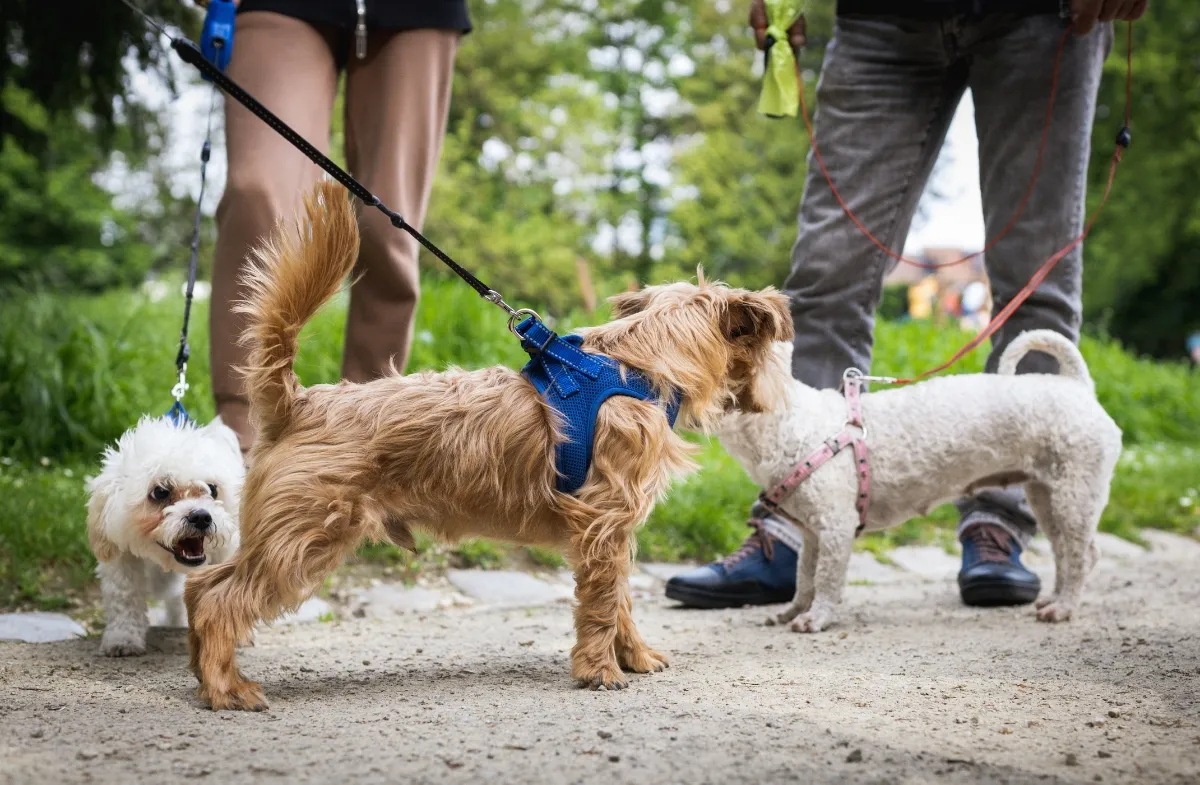
Start by choosing calm and well-mannered dogs for introductions. Let your dog observe from a distance before any close contact to reduce anxiety. Keep initial meetings short and positive, rewarding your dog with treats and praise for calm behavior.
Watch your dog’s body language carefully. Signs like wagging tails and relaxed posture indicate comfort, while stiff bodies or growling mean it’s time to give your dog space. How often do you think your dog needs breaks during these sessions?
Encouraging Interaction With Strangers
Encourage your dog to meet new people in low-pressure settings, such as quiet parks or during slow walks. Ask visitors or neighbors to offer treats and speak softly to your dog. This helps build positive associations with strangers.
Be patient if your dog seems hesitant or shy. Never force interaction, as this can create fear. Instead, let your dog approach at their own pace and reward small steps toward friendliness.
Group Classes And Playdates
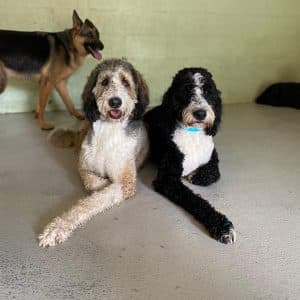
Group classes designed for older dogs can be a great way to socialize in a controlled environment. These classes offer professional guidance and a chance for your dog to meet others in a structured setting.
Arrange playdates with dogs your pet has already met and likes. Keep these sessions short and fun to prevent overwhelm. Have you noticed your dog’s behavior improve after spending time with familiar canine friends?
Overcoming Challenges During Socialization
Socializing an older dog comes with unique challenges. Age, past experiences, and habits affect their reactions. Patience and gentle guidance are key to success. Understanding these obstacles helps create a positive experience for your dog.
Managing Fear And Aggression
Fear and aggression often block social progress. Older dogs may feel unsure in new situations. Watch for signs like growling, barking, or cowering. Stay calm and avoid forcing interactions. Use treats and praise to build trust. Gradual exposure to new people and pets helps ease anxiety.
Dealing With Setbacks
Setbacks are normal in socialization. Your dog might regress or resist at times. Keep sessions short and positive. Avoid punishment, which can increase fear. Celebrate small wins to encourage progress. Consistency and time often lead to improvement.
Knowing When To Seek Professional Help
Some behaviors need expert guidance. If fear or aggression worsens, consult a trainer or behaviorist. Professionals use safe methods to address deep issues. Early help prevents problems from growing. Trust their advice to support your dog’s well-being.
Maintaining Social Skills Long-term
Maintaining social skills in older dogs requires consistent effort and attention. Socializing is not a one-time event but a continuous process. Keeping your dog comfortable around people and other animals helps prevent fear and aggression. It also keeps their mind sharp and their behavior positive. Regular practice and gentle guidance make a big difference over time.
Regular Social Opportunities
Provide your dog with chances to meet others regularly. Short, calm interactions work best for older dogs. Visits to dog parks, pet-friendly stores, or walks around the neighborhood help keep social skills alive. Avoid overwhelming situations. Observe your dog’s comfort and adjust the frequency accordingly.
Ongoing Training And Reinforcement
Keep training simple and consistent. Use positive reinforcement to encourage good behavior. Reward calm greetings and polite play. Practice basic commands like “sit” and “stay” during social moments. This builds confidence and creates clear expectations. Training sessions should be short but frequent.
Monitoring Changes In Behavior
Watch for signs of stress or withdrawal. Changes in appetite, energy, or mood can signal discomfort. Older dogs may become less tolerant of social settings. If behavior changes, reduce social exposure and consult a vet if needed. Staying alert helps maintain your dog’s happiness and safety.
Credit: www.healthypawspetinsurance.com
Frequently Asked Questions
Can Older Dogs Be Socialized Successfully?
Yes, older dogs can be socialized successfully. It requires patience, consistency, and positive reinforcement. Start slowly and introduce new experiences gradually. Use treats and praise to encourage good behavior. Socialization helps improve their confidence and reduces anxiety.
What Are The Benefits Of Socializing Older Dogs?
Socializing older dogs offers numerous benefits. It enhances their quality of life and reduces anxiety. Socialization also improves their behavior and adaptability. It strengthens the bond between dog and owner. Engaging with new environments can make them more confident and happy.
How Do I Start Socializing An Older Dog?
Begin socializing an older dog by introducing them to new environments. Use positive reinforcement with treats and praise. Start with short, controlled outings. Gradually increase exposure to different people, animals, and situations. Be patient and consistent for successful socialization.
Are There Challenges In Socializing Older Dogs?
Yes, challenges exist when socializing older dogs. They may have ingrained habits or anxiety. Patience is key to overcoming these challenges. Gradual exposure and positive reinforcement are crucial. Consulting a professional trainer can provide additional support and guidance.
Conclusion
Socializing an older dog takes time and patience. Start slow and use gentle encouragement. Dogs can learn new behaviors at any age. Small steps build trust and comfort. Consistency helps your dog feel safe around others. Enjoy the process and celebrate progress.
Older dogs can enjoy new friendships too. Your effort makes a big difference in their life. Keep sessions short and positive. Stay calm and patient throughout the journey. Socializing improves your dog’s happiness and well-being. Every dog deserves a chance to connect.

Emily Barker is the founder of ChillDogLife.com, a space dedicated to helping pup parents discover the best dog products, lifestyle tips, and cozy ideas for happier homes.
A lifelong dog lover, Emily combines her passion for pets with a knack for research to share trusted recommendations on everything from toys and furniture to health and everyday care.
Her goal is simple: to make life easier, stylish, and more joyful for dogs and the people who love them.




