
Dealing with an aggressive dog can be tough and sometimes overwhelming. You want the best for your furry friend, but finding the right place to take them can feel confusing.
Where can you go to help your dog feel calmer and safer? You’ll discover the top places that specialize in handling aggressive dogs. Whether you need training, behavior help, or a safe environment, you’ll learn exactly where to turn. Keep reading to find the support your dog needs—and peace of mind for you.

Credit: www.dwdogtraining.com
Signs Of Aggressive Behavior
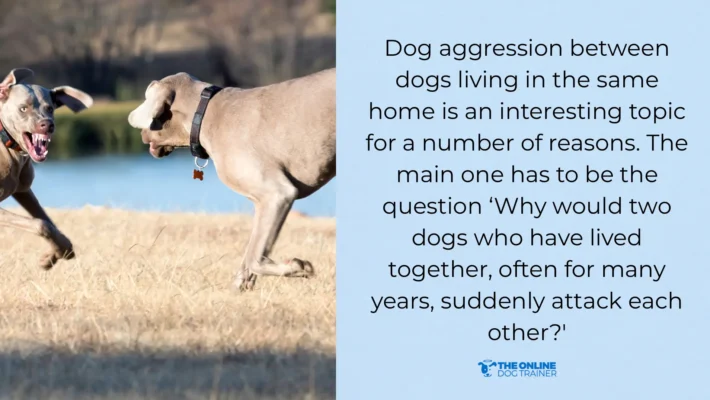
Recognizing signs of aggressive behavior in dogs is crucial for their safety and the safety of others. Aggression can show in many ways. Some dogs growl or bare their teeth. Others may snap or lunge suddenly. Knowing these signals helps you decide where to take an aggressive dog for help. Early detection prevents problems from getting worse.
Common Triggers
- Strangers approaching too fast or too close
- Other dogs entering their space
- Loud noises or sudden movements
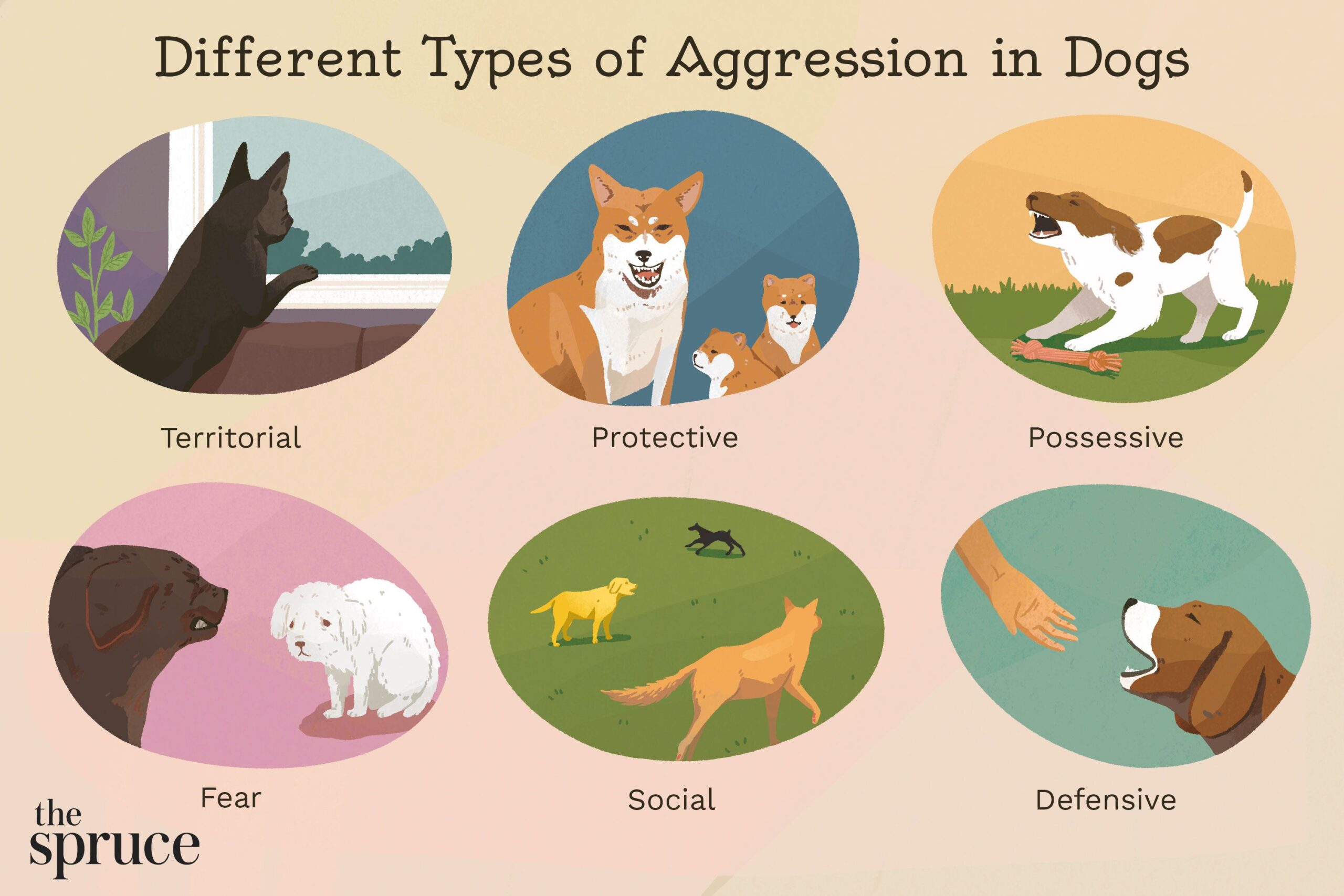
- Protecting food, toys, or resting spots
- Feeling scared or cornered
- Pain or illness causing irritability
These triggers often cause a dog to act defensively or aggressively. Watching your dog’s reactions to these can help spot early warning signs.
Behavioral Patterns
- Growling or snarling without a clear reason
- Stiff body posture and raised hackles
- Direct, hard staring at a person or animal
- Snapping or biting attempts
- Excessive barking or lunging at passersby
- Refusing to obey simple commands
Repeated behaviors like these show a pattern of aggression. Identifying these patterns helps in choosing the right place for training or intervention.
Credit: theonlinedogtrainer.com
Choosing The Right Trainer
Choosing the right trainer for your aggressive dog is crucial for both safety and progress. The wrong approach can escalate the problem, while the right one can transform your dog’s behavior and your relationship. Understanding what to look for helps you make a confident choice that benefits everyone involved.
Certified Professionals
Look for trainers with recognized certifications, such as those from the International Association of Canine Professionals (IACP) or the Certification Council for Professional Dog Trainers (CCPDT).
Certification shows they have completed formal education and adhere to ethical standards. It also means they stay updated on the latest, science-based training methods.
You want someone who values continuous learning and professionalism. Have you checked if the trainer provides references or testimonials from past clients with aggressive dogs?
Experience With Aggressive Dogs
Not all trainers have the skills to handle aggression. Ask about their experience specifically with aggressive breeds or behaviors.
A trainer who has successfully worked with dogs exhibiting aggression understands triggers and safe handling techniques. They can tailor sessions to your dog’s unique needs, rather than using a one-size-fits-all approach.
Consider how they assess aggression: do they focus on understanding the root cause or just controlling the behavior? This insight can make a huge difference in your dog’s progress and your peace of mind.
Specialized Training Centers
Specialized training centers offer a focused environment tailored to help aggressive dogs overcome their behavioral challenges. These centers provide expert guidance and structured programs designed specifically for dogs that show aggressive tendencies. Choosing the right facility can make a significant difference in your dog’s progress and your peace of mind.
Aggression Management Programs
Aggression management programs are carefully designed to address the root causes of aggressive behavior. Trainers use a mix of behavior modification techniques and positive reinforcement to help your dog learn new, calmer responses.
These programs often start with a detailed assessment of your dog’s behavior. This helps trainers tailor the sessions to your dog’s specific needs. Throughout the process, you’ll learn how to manage triggers and support your dog’s progress at home.
Have you noticed certain situations that spark aggression in your dog? Specialized programs teach you how to handle those moments effectively, reducing stress for both you and your pet.
Facility Safety Measures
Safety is a top priority at specialized training centers. These facilities are designed with secure fencing, separate training areas, and controlled environments to protect all dogs and handlers.
Many centers use muzzles and harnesses during sessions to ensure safety without causing discomfort. Staff members are trained to read dog body language and intervene before situations escalate.
Would you feel more confident leaving your dog in a place where every detail is planned to prevent accidents? Facility safety measures create a calm atmosphere that supports your dog’s behavior improvement.
Veterinary Behaviorists
Veterinary behaviorists are specialized veterinarians trained to handle aggressive dogs. They focus on understanding the root causes of aggression. These experts use medical knowledge combined with behavior science. Their goal is to improve your dog's behavior safely and effectively.
Medical Evaluation
A veterinary behaviorist starts with a thorough medical check. They look for pain or illness that may cause aggression. Sometimes, hidden health problems trigger aggressive behavior.
This evaluation includes:
- Physical examination
- Blood tests
- Neurological checks
- Review of medical history
Identifying medical issues helps create a better behavior plan. Treating health problems often reduces aggression naturally.
Behavioral Treatment Plans
After medical issues are ruled out or treated, a plan is made. This plan targets the specific aggressive behaviors your dog shows.
Treatment options may include:
- Behavior modification techniques
- Training exercises
- Environmental changes
- Medication to reduce anxiety or aggression
Veterinary behaviorists tailor each plan to your dog’s needs. They monitor progress and adjust the plan as needed. This approach helps manage aggression safely over time.
Daycare Options For Aggressive Dogs
Finding a safe daycare for an aggressive dog can be challenging. Not all facilities can handle dogs with special needs. Choosing the right daycare means considering safety and care quality. Some daycares specialize in managing aggressive dogs. These places offer a calm and controlled space. They help reduce stress for your dog and others.
Secure Environments
Daycares for aggressive dogs must have secure areas. Fenced yards with no gaps prevent escapes. Separate play zones keep aggressive dogs apart from others. Secure gates and double-door entries add safety. Quiet rooms allow dogs to relax alone. These spaces help avoid conflicts and injuries. Safety is the top priority in these facilities.
Staff Training
Trained staff understand aggressive dog behavior well. They know how to read body language and signs of stress. Staff use calm voices and gentle handling. They apply techniques to prevent fights before they start. Many undergo special courses on dog aggression. Experienced teams keep your dog safe and calm. Proper training ensures dogs get the care they need.
Safe Boarding Facilities
Safe boarding facilities are essential for dogs with aggressive tendencies. These places focus on the dog’s safety and comfort while away from home. They use special methods to manage behavior and reduce stress. Choosing a facility with proper care can prevent accidents and help your dog stay calm.
Isolation Protocols
Good boarding facilities have strict isolation protocols. Aggressive dogs stay in separate areas to avoid conflicts. These spaces are quiet and secure. Staff monitor the dog closely to spot any signs of distress. Isolation helps keep other animals and people safe. It also gives the dog space to relax and feel less threatened.
Emergency Preparedness
Facilities must be ready for emergencies at all times. Staff are trained to handle bites, escapes, or medical issues quickly. Emergency plans include clear steps for calming an aggressive dog. They keep first-aid kits and safety equipment nearby. Communication with the dog owner is fast and clear. This readiness ensures the dog stays protected in any situation.
At-home Training Alternatives
Training an aggressive dog at home can be a safe and effective alternative to public classes or kennels. It allows you to control the environment, reducing stress for your dog and minimizing triggers. You get to work closely with your pet on behavior issues without distractions, which can speed up progress.
Professional In-home Trainers
Hiring a professional trainer who visits your home gives you expert guidance in a familiar setting for your dog. Trainers can observe your dog’s behavior in their natural environment and tailor sessions specifically to your needs. This personalized approach often leads to better results than generic training programs.
Many trainers focus on positive reinforcement and teach you techniques to manage aggression safely. You learn how to read your dog’s body language and respond before situations escalate. Have you noticed subtle signs your dog shows before getting aggressive? A skilled trainer helps you spot those early warnings.
Remote Training Resources
Online courses, video tutorials, and virtual consultations offer flexible options if you can’t have a trainer at home. These resources let you learn at your own pace and revisit lessons whenever needed. Some platforms provide live coaching, so you get immediate feedback on your techniques.
Using remote tools requires discipline and consistency from you. It’s crucial to set a regular training schedule and stick to it. Can you commit to daily sessions that build trust and reduce aggression over time?
- Check forums and review sites for highly recommended trainers or courses.
- Look for programs that include downloadable guides and progress tracking.
- Consider video submissions to trainers for personalized advice.
Credit: suburban-k9.com
Legal And Insurance Considerations
Handling an aggressive dog requires more than training and care. Legal and insurance factors play a crucial role. Owners must understand these aspects to avoid serious problems. Knowing the rules helps protect both the dog and the owner.
Liability Issues
Owners of aggressive dogs face high liability risks. Injuries caused by the dog can lead to lawsuits. Insurance companies may increase premiums or refuse coverage. Some policies exclude coverage for certain breeds or behaviors.
Check your homeowner’s or renter’s insurance policy carefully. Confirm if it covers dog bites or attacks. You might need a separate policy for aggressive dogs. Taking these steps reduces financial risks linked to your pet.
Breed-specific Legislation
Many places have laws targeting specific dog breeds. These rules may restrict or ban certain aggressive breeds. Owners must research local laws before taking their dog outside. Penalties for breaking breed-specific laws can be severe.
Breed restrictions can affect where you can walk or board your dog. Some public spaces may prohibit aggressive or banned breeds. Understanding these laws helps avoid fines and legal troubles.
Frequently Asked Questions
Where Can I Take My Aggressive Dog For Training?
You can take your aggressive dog to a certified dog trainer. Look for trainers specializing in aggression issues. They can provide personalized training plans. Check local dog training centers or seek recommendations from your veterinarian. Remember, professional guidance is crucial for managing aggressive behavior effectively.
What Are The Best Places For Aggressive Dog Rehabilitation?
Consider specialized rehabilitation centers for aggressive dogs. These centers offer structured programs addressing aggression. They have experienced staff trained in handling behavioral issues. Research local facilities and read reviews. Consult with professionals to find the best fit for your dog’s needs.
Can Aggressive Dogs Be Socialized In Public Parks?
Socializing aggressive dogs in public parks requires caution. Start with controlled environments and gradual exposure. Ensure your dog is muzzled and leashed for safety. Work with a professional to assess your dog’s readiness. Public parks may not be ideal initially, but can be part of a long-term plan.
Should I Consult A Vet For My Aggressive Dog?
Yes, consulting a veterinarian is essential for aggressive dogs. Aggression can stem from health issues. A vet can rule out medical causes and provide guidance. They may recommend behaviorists or trainers. Regular check-ups ensure your dog’s health and help manage aggression effectively.
Conclusion
Finding the right place for an aggressive dog takes time and care. Choose trainers or centers with experience in behavior issues. Safety for both dog and people is very important. Patience and consistency help your dog improve. Remember, every dog learns at its own pace.
Support and proper guidance make a big difference. Trust the process and stay calm. Your dog can become calmer and happier with the right help.

Emily Barker is the founder of ChillDogLife.com, a space dedicated to helping pup parents discover the best dog products, lifestyle tips, and cozy ideas for happier homes.
A lifelong dog lover, Emily combines her passion for pets with a knack for research to share trusted recommendations on everything from toys and furniture to health and everyday care.
Her goal is simple: to make life easier, stylish, and more joyful for dogs and the people who love them.




