
Are you struggling to understand why your dog behaves a certain way? Maybe your furry friend barks too much, pulls on the leash, or shows signs of anxiety.
You’re not alone, and the good news is that these behaviors can be changed. Imagine having a calm, happy dog who listens to you and enjoys every moment together. You’ll discover simple and effective dog behavior modification techniques that can transform your relationship with your pet.
Keep reading to unlock the secrets that will make training easier and your dog’s behavior better than ever.
Common Dog Behavior Issues
Dogs often show behaviors that confuse their owners. Some actions can cause problems at home or outside. Understanding these behaviors helps in managing and improving them.
This guide covers common issues like aggression, barking, chewing, and anxiety. Each section explains the problem and ways to handle it.
Aggression And Fear
Aggression often comes from fear or discomfort. Dogs may growl, snap, or bite when they feel threatened. Fear can cause a dog to hide or avoid people and places.
Training and patience help reduce aggressive behavior. Use calm voices and avoid punishing the dog. Building trust and socializing early can prevent fear-based aggression.
Excessive Barking
Dogs bark to communicate, but too much barking is a problem. It can happen from boredom, anxiety, or to alert their owners.
- Identify what triggers the barking.
- Ignore barking for attention.
- Give enough exercise and mental activity.
- Use commands to teach quiet behavior.
Destructive Chewing
Chewing is natural for dogs but can harm furniture or shoes. Puppies chew to ease teething pain. Adult dogs may chew from stress or boredom.
| Cause | Solution |
| Teething | Provide safe chew toys |
| Boredom | Increase playtime |
| Anxiety | Use calming techniques |
| Lack of training | Teach commands to stop |
Separation Anxiety
Separation anxiety happens when dogs fear being alone. They may howl, dig, or urinate indoors. This behavior worsens if owners leave suddenly or often.
To help a dog with separation anxiety:
- Practice short absences and increase time gradually.
- Give toys that keep the dog busy.
- Create a safe, comfortable space.
- Stay calm during departures and arrivals.
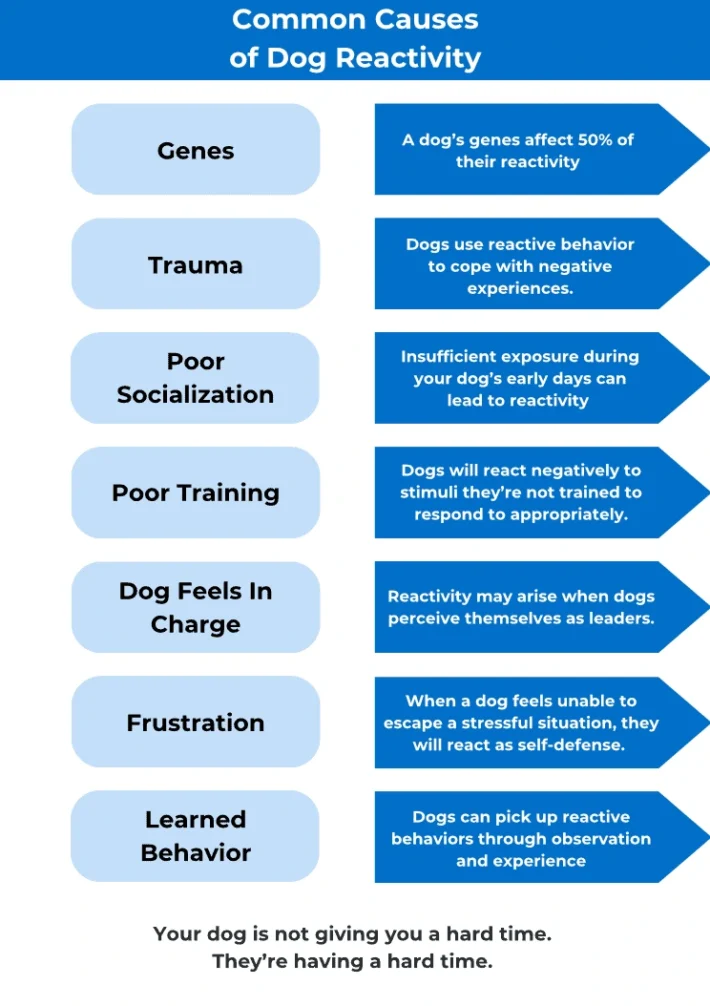
Credit: theonlinedogtrainer.com
Positive Reinforcement Methods
Positive reinforcement helps change dog behavior by rewarding good actions. This approach encourages dogs to repeat those actions.
It is gentle and builds trust between dogs and their owners. Rewards can be treats, praise, or playtime.
Reward-based Training
Reward-based training gives dogs treats or praise when they do what you want. This teaches dogs to link good behavior with rewards.
It helps dogs learn faster and stay motivated. Use small, tasty treats or happy words as rewards.
Clicker Training
Clicker training uses a small device that makes a clicking sound. The sound marks the exact moment the dog does the right thing.
After clicking, the dog gets a reward. This helps dogs understand what behavior earns treats clearly and quickly.
- Use the clicker right after good behavior
- Follow the click with a treat or praise
- Practice often for better results
Timing And Consistency
Giving rewards at the right time is very important. Reward your dog immediately after the good behavior.
Be consistent with your commands and rewards. This helps your dog learn what to expect and what is right.
- Reward good behavior within seconds
- Use the same words for commands
- Train regularly and keep sessions short
Counter-conditioning And Desensitization
Counter-conditioning and desensitization help change a dog’s emotional response. They reduce fear and anxiety by creating new, positive associations.
These methods take time and patience. They improve behavior by slowly introducing the dog to triggers in a safe way.
Reducing Fear Responses
Counter-conditioning replaces a dog’s fear with a pleasant feeling. This happens by pairing the fear trigger with something the dog likes.
- Identify what scares your dog
- Use treats or toys as rewards
- Show the trigger at a low intensity
- Reward calm behavior immediately
- Gradually increase the trigger’s intensity
Gradual Exposure Techniques
Desensitization means slowly exposing a dog to a trigger. The goal is to reduce the dog’s reaction over time.
| Step | Action | Goal |
| 1 | Show trigger at a low level | Dog stays calm |
| 2 | Increase exposure slightly | Dog remains relaxed |
| 3 | Repeat exposures often | Fear response decreases |
| 4 | Use rewards during exposure | Build positive associations |
| 5 | Maintain calm behavior | Long-term change |

Credit: www.dwdogtraining.com
Using Commands And Cues
Commands and cues help guide your dog’s behavior. They give clear signals about what you want your dog to do.
Training with commands builds good habits and improves communication between you and your dog.
Basic Obedience Training
Start with simple commands like sit, stay, and come. Use a calm voice and repeat the command clearly.
Reward your dog with treats or praise when they follow the command. This helps them learn faster.
- Use short, consistent words for commands
- Practice commands in a quiet place first
- Keep training sessions short and fun
- Be patient and consistent with your dog
Advanced Behavior Control
Once your dog knows basic commands, add cues for more control. Use hand signals or different tones of voice.
Teach your dog to respond to commands in distracting places and during walks. This improves their focus and safety.
- Combine verbal commands with hand signals
- Train your dog to wait before crossing streets
- Use cues to stop unwanted behaviors quickly
- Practice in different environments regularly
Managing Unwanted Behaviors
Dogs sometimes show behaviors that owners want to change. Managing these behaviors helps build a better bond. It also keeps your dog safe and happy.
There are different ways to handle unwanted actions. Using the right method depends on the dog and the behavior. Here are some common techniques.
Redirecting Attention
Redirecting attention means moving your dog’s focus from bad behavior to good behavior. This helps stop unwanted actions without punishment.
- Call your dog’s name and offer a toy.
- Ask your dog to sit or lie down.
- Use treats to reward attention shift.
- Give praise when your dog follows commands.
- Keep your dog’s environment interesting to prevent boredom.
Ignoring And Time-outs
Ignoring unwanted behavior works when your dog seeks attention. Do not look or talk to your dog during bad behavior. Time-outs give your dog a short break to calm down.
- Stop all attention immediately.
- Place your dog in a quiet space for a few minutes.
- Release your dog when calm and quiet.
- Repeat if the behavior continues.
- Always praise good behavior after time-out.
Using Deterrents Safely
Deterrents help stop bad behaviors by making them less pleasant. Use them carefully to keep your dog safe and stress-free.
| Deterrent Type | Purpose | Safe Use Tips |
| Bitter Sprays | Stop chewing | Apply on objects only |
| Noise Makers | Interrupt barking | Use briefly and calmly |
| Water Spray | Discourage jumping | Spray gently, avoid face |
| Leash Correction | Discourage pulling | Use short, gentle tugs |
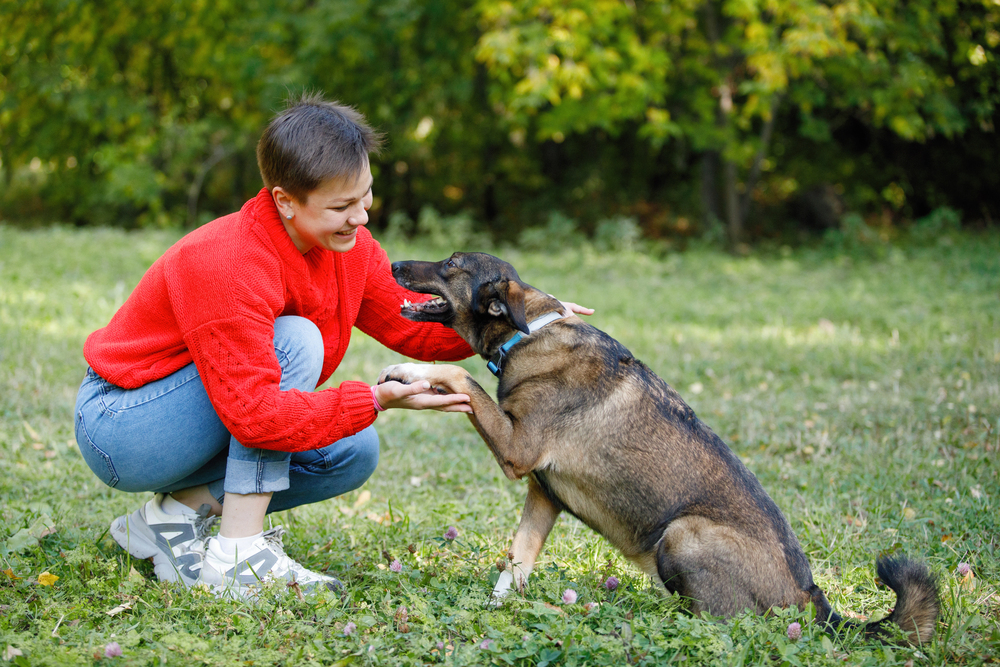
Credit: controlled-k9.com
Role Of Exercise And Mental Stimulation
Exercise and mental stimulation are key to modifying dog behavior. They help in reducing unwanted actions like barking or chewing.
Both physical activity and mental challenges keep dogs happy and healthy. They play a major role in improving your dog’s overall behavior.
Physical Activity Benefits
Physical activity helps dogs release energy. It reduces anxiety and stress, leading to calmer behavior.
Regular walks or runs strengthen muscles and improve heart health. Active dogs are less likely to develop behavior issues.
- Boosts mood and energy levels
- Promotes better sleep patterns
- Strengthens the bond with the owner
Interactive Toys And Games
Interactive toys challenge a dog’s mind. They keep dogs occupied and prevent boredom.
Games like fetch or hide and seek stimulate mental activity. They improve problem-solving skills and increase focus.
- Puzzle toys that release treats
- Games that involve searching for items
- Chew toys for mental engagement
Professional Help And Tools
Dog behavior can sometimes be a challenge. Seeking professional help and using the right tools can make a big difference. Understanding when to get assistance and which tools to use is important.
This guide explores when to consult a trainer, behavioral therapy options, and training aids. These insights will help you address your dog's behavior effectively.
When To Consult A Trainer
Consult a trainer if your dog shows aggressive behavior. Trainers can help if your dog is not responding to basic commands. They provide guidance for specific behavioral issues.
Trainers are useful if your dog has issues with socialization. If your dog barks excessively, a trainer can assist. They are also helpful for leash training problems.
Behavioral Therapy Options
Behavioral therapy helps with anxiety in dogs. It involves sessions with a professional. These sessions are designed to change negative behavior.
Therapy might include desensitization and counterconditioning. These methods help dogs cope with fears and phobias. Therapy can be tailored to your dog’s needs.
Training Aids And Devices
Training aids like clickers are useful for positive reinforcement. They help communicate with your dog effectively. Treats can also be a helpful training tool.
Devices such as harnesses and gentle leaders are useful. They provide better control during walks. These tools are important for managing behavior.
- Clickers for positive reinforcement
- Treats for motivation
- Harnesses for better control
Frequently Asked Questions
What Are Common Dog Behavior Modification Techniques?
Common techniques include positive reinforcement, counter-conditioning, desensitization, and clicker training. These methods promote good habits and reduce unwanted behaviors through consistent, reward-based training.
How Long Does Dog Behavior Modification Usually Take?
The duration varies by dog and behavior severity. Typically, it takes weeks to months of consistent training for noticeable improvements.
Can Behavior Modification Fix Aggressive Dog Behavior?
Yes, but it requires professional guidance. Techniques focus on safety, gradual desensitization, and positive reinforcement to manage and reduce aggression.
Is Positive Reinforcement Effective For Dog Behavior Change?
Absolutely. Positive reinforcement rewards desired behaviors, encouraging dogs to repeat them. It’s a humane and effective training approach.
Conclusion
Changing a dog’s behavior takes time and patience. Use clear, consistent techniques every day. Reward good actions with praise or treats. Avoid punishment; it can cause fear or confusion. Watch your dog’s body language closely. Small steps lead to big changes.
Trust grows with gentle guidance. Stay calm and positive throughout training. These methods build a strong, happy bond. Remember, every dog learns at its own pace. Keep practicing and enjoy your improved relationship.

Emily Barker is the founder of ChillDogLife.com, a space dedicated to helping pup parents discover the best dog products, lifestyle tips, and cozy ideas for happier homes.
A lifelong dog lover, Emily combines her passion for pets with a knack for research to share trusted recommendations on everything from toys and furniture to health and everyday care.
Her goal is simple: to make life easier, stylish, and more joyful for dogs and the people who love them.




