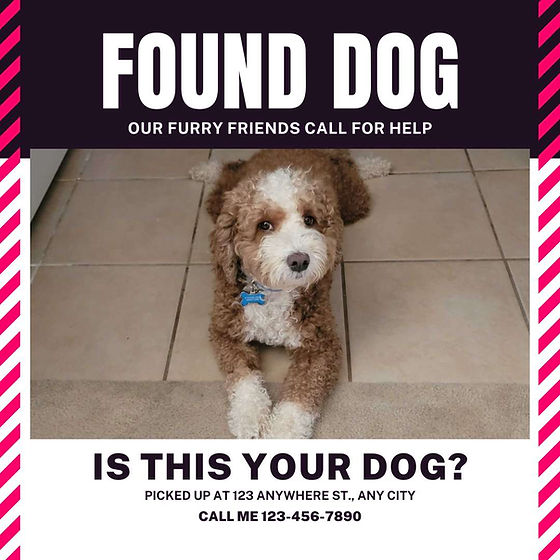
Finding a stray dog near you can be both heartwarming and challenging. You want to help, but you might wonder, “Where should I take this dog?” or “Who can give it the care it needs?” You’re not alone in this.
Whether the dog looks lost, scared, or hurt, knowing the right place to bring it can make all the difference. You’ll discover clear, simple steps and local options to ensure the stray dog gets safe shelter and proper care quickly.
Keep reading—you have the power to change a dog’s life today.

Credit: www.youtube.com
Immediate Steps With A Stray Dog
Finding a stray dog can be both a touching and challenging moment. Acting quickly and thoughtfully can make a big difference in the dog’s well-being and your own safety. Knowing the right immediate steps helps you handle the situation with care and responsibility.
Ensuring Your Safety
Before approaching a stray dog, pause and observe its behavior from a distance. Does it seem scared or aggressive? Your safety matters, so avoid sudden movements or loud noises that might startle the dog.
Wear gloves if you can, especially if the dog looks unwell or injured. Always remember, even the friendliest dog might bite when frightened. Ask yourself—are you prepared to handle a nervous animal safely?
Checking For Identification
Once you feel it’s safe, gently check if the dog has any ID tags on its collar. Look for a phone number or address that could help you locate the owner quickly. If there’s no collar, take the dog to a nearby vet or shelter to scan for a microchip.
This step can save precious time and reunite the dog with its family. Have you ever thought about how many pets go missing without any form of identification?
Providing Basic Care
Stray dogs may be hungry, thirsty, or exhausted. Offer clean water and some food like plain rice or dog biscuits if you have them. Avoid giving human food that could upset their stomach.
Find a quiet, safe spot where the dog can rest. Avoid overwhelming it with too much attention at once. Remember, small acts of kindness can make a big impact on a scared animal’s recovery.
Credit: www.shenandoahcountyva.gov
Local Animal Shelters
Local animal shelters play a crucial role when you find a stray dog nearby. These shelters offer a safe place for lost or abandoned dogs, providing them with care and a chance to find a new home. Knowing how to connect with these shelters quickly can make a big difference for the dog’s well-being.
Finding Nearby Shelters
Start by searching online for animal shelters or rescue centers in your area. Websites like Petfinder or local government pages often list shelter addresses and contact details.
Calling your city’s animal control or humane society can also point you in the right direction. Don’t hesitate to ask neighbors or local vets for recommendations. Sometimes, smaller shelters don’t show up in basic searches but are known in the community.
Shelter Intake Procedures
Each shelter has its own process for accepting stray dogs. Typically, you’ll need to provide details about where and when you found the dog.
Some shelters require you to bring the dog in person, while others offer pickup services. Be ready to answer questions about the dog’s condition and behavior to help the staff prepare for its care.
Understanding these procedures ahead of time saves you stress and speeds up the dog’s entry into the shelter system.
What To Expect At The Shelter
Once you arrive, shelter staff will assess the dog’s health and look for identification like a microchip. They may hold the dog for a period to allow the owner to claim it.
You might notice the shelter is busy and full of animals in need. Your patience and clear communication with staff can ensure the dog gets the proper attention.
Remember, your action can be the first step toward a stray dog’s safe future. How quickly you connect with a shelter can change everything for that dog.
Animal Control And Rescue Services
Animal control and rescue services play a vital role in helping stray dogs find safety. These organizations work to protect animals and connect them with new homes. They provide support, shelter, and medical care for lost or abandoned dogs.
Knowing how to reach out to these services can make a big difference for a stray dog in need. They act quickly to ensure the animal’s well-being and reduce risks to the community.
Contacting Animal Control
Animal control agencies respond to reports of stray or injured dogs. They safely capture and transport the animals to shelters. Contact your local animal control by phone or online to report a stray dog.
- Have the dog’s location and description ready.
- Share any behavior details you observe.
- Follow their instructions for safety.
Animal control helps ensure stray dogs get medical attention and shelter quickly. They also work with local shelters to find homes for these animals.
Role Of Rescue Organizations
Rescue groups save stray dogs from shelters or dangerous situations. They provide foster care and medical treatment. These organizations find foster families or permanent homes for dogs.
- Rescues often specialize in specific breeds or needs.
- They offer rehabilitation for scared or injured dogs.
- Volunteers help with transport, care, and adoption events.
Rescue groups rely on donations and community support. They give stray dogs a second chance at life.
Emergency Assistance Options
Some areas offer emergency help for stray dogs in urgent need. Animal control or rescue services may provide immediate medical aid or shelter.
- Hotlines for reporting injured or dangerous animals.
- Mobile units that respond quickly to emergencies.
- Temporary holding facilities during critical situations.
Emergency options reduce suffering and protect the public. Quick action can save a stray dog’s life.

Credit: www.youtube.com
Veterinary Clinics And Hospitals
Veterinary clinics and hospitals play a crucial role when you find a stray dog nearby. These facilities are equipped to provide immediate health assessments and treatments, ensuring the animal’s safety and well-being. Knowing how vets handle stray dogs can help you decide the best next steps for the animal in need.
Health Check And Care
Veterinary professionals start with a thorough health check to identify injuries, infections, or diseases the stray dog might have. This quick assessment helps determine if the dog needs emergency care or routine treatments like vaccinations and deworming.
During my visit to a local vet with a stray dog, I noticed how they carefully checked for ticks, wounds, and signs of malnutrition before proceeding. It showed me how important these early checks are for the dog’s recovery and future adoption prospects.
Reporting Stray Dogs To Vets
Many clinics keep records of stray dogs brought in, helping trace lost pets or alerting local animal control. Reporting a stray dog to a vet can trigger a network that works to reunite the animal with its owner or find it a new home.
You might wonder if the vet is required to notify authorities. Often, they do this as part of community animal welfare efforts, but it’s good to ask how your local clinic handles these cases.
Temporary Holding By Vets
Some veterinary hospitals offer temporary holding for stray dogs until animal shelters or rescue groups can take over. This service ensures the dog has shelter and medical care during the transition period.
When I once brought a stray dog to a vet, they held the dog overnight and provided medicine, which gave the animal comfort and stability. Would your local vet be willing to do the same? It’s worth calling ahead to find out their policies.
Community Resources And Support
Finding a stray dog can be a heart-wrenching experience, leaving you wondering how best to help. Fortunately, there are numerous community resources and support systems available to guide you in ensuring the stray finds a safe haven. These resources not only assist in immediate needs but also provide long-term solutions for the welfare of the stray.
Using Social Media And Apps
Social media and apps have become powerful tools for reuniting lost pets with their owners or finding new homes. Platforms like Facebook and Instagram allow you to quickly share a stray dog’s picture and story with local community groups. Apps like Nextdoor can also connect you with neighbors who might know the dog’s owner or be willing to help.
Consider joining pet-focused groups on these platforms. It’s surprising how often a simple post can lead to a happy reunion. Have you ever thought about the impact your network can have?
Local Pet Rescue Groups
Local pet rescue groups are a vital resource when dealing with stray dogs. These groups often have the expertise and resources needed to care for stray animals. They can assist with medical needs, fostering, and adoption.
Reach out to these organizations to see how they can help. Many have volunteers ready to take action, ensuring that the stray receives the attention and care it deserves. What local group can you connect with today?
Volunteer And Foster Networks
Volunteer and foster networks play an essential role in providing temporary homes for stray dogs. These networks consist of individuals who open their homes and hearts to animals in need. They provide a nurturing environment until a permanent solution is found.
Consider becoming part of this network if you have the resources and time. It’s an incredibly rewarding experience that makes a significant difference in a stray’s life. Could you be the next hero in a stray dog’s journey?
Legal Considerations
Handling a stray dog involves important legal steps. Knowing the law protects you and the animal. It ensures the dog receives proper care and any owner can reclaim their pet if possible.
Stray Dog Laws In Your Area
Every place has rules about stray animals. Some areas require you to take the dog to a shelter immediately. Others may let you keep the dog for a set time. Check local government or animal control websites for exact laws. This helps avoid fines or legal trouble.
Owner Responsibilities
If you find a stray dog, you must try to locate the owner. Posting found dog notices or checking for a microchip are common steps. You must also keep the dog safe and provide basic needs. Avoid giving the dog away or selling it. Owners have rights to reclaim their pets within a specific time.
Reporting And Documentation
Always report a found dog to local animal control or shelters. Provide detailed information like where and when you found the dog. Keep records of any vet visits or care given. This paperwork helps if the owner claims the dog or if you want to adopt later. Reporting also helps track lost and found animals in your area.
Frequently Asked Questions
Where Can I Safely Take A Stray Dog Near Me?
You can take a stray dog to local animal shelters, rescue groups, or municipal animal control centers. These places provide care and try to reunite dogs with owners or find new homes.
How Do I Find The Nearest Animal Shelter For Strays?
Search online using terms like “animal shelter near me” or check local government websites. You can also call non-emergency municipal services for guidance.
What Should I Do Before Taking A Stray Dog To Shelter?
Secure the dog safely, avoid sudden movements, and check for an ID tag. Try to keep the dog calm and bring a leash or carrier if possible.
Can I Take A Stray Dog To A Vet For Help?
Yes, vets can scan for microchips and provide immediate medical care. They often work with shelters to ensure the dog’s safety and health.
Conclusion
Taking a stray dog to the right place helps both you and the animal. Animal shelters and rescue groups offer safe care and medical help. Local vets can also guide you on the best steps to take. Acting quickly can save a dog’s life and give it a chance for a new home.
Remember, kindness matters. Every small action makes a big difference for these animals in need. Stay aware of nearby resources and help stray dogs find safety and comfort. Your care can change a dog’s future.

Emily Barker is the founder of ChillDogLife.com, a space dedicated to helping pup parents discover the best dog products, lifestyle tips, and cozy ideas for happier homes.
A lifelong dog lover, Emily combines her passion for pets with a knack for research to share trusted recommendations on everything from toys and furniture to health and everyday care.
Her goal is simple: to make life easier, stylish, and more joyful for dogs and the people who love them.




