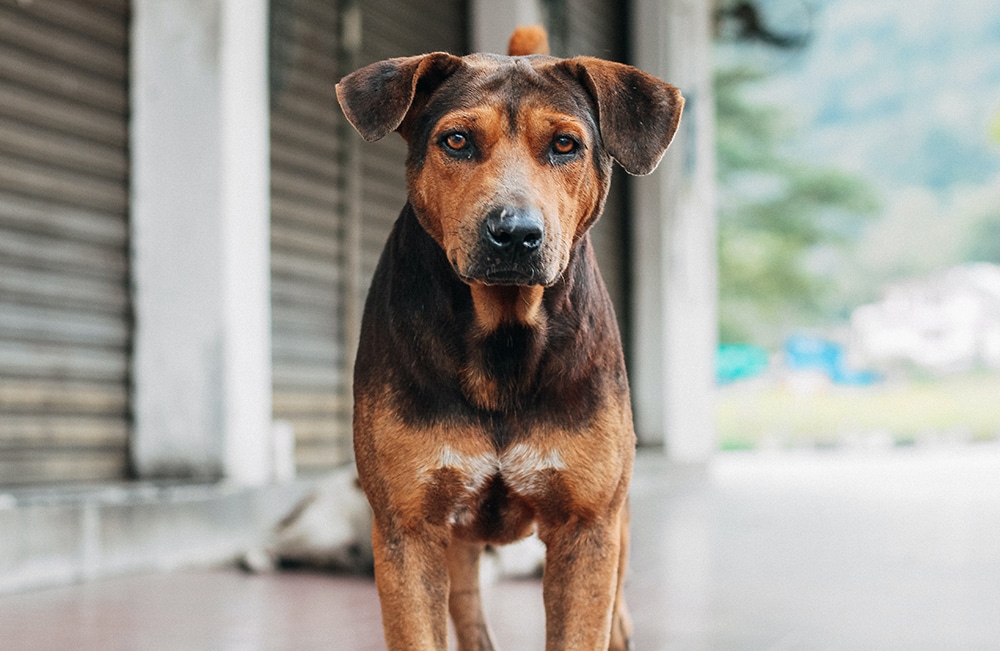
Imagine you’re walking down the street and suddenly spot a stray dog. What do you do next?
You want to help, but you might feel unsure or worried about making the situation worse. Your actions could change that dog’s life—and possibly your own. You’ll discover simple, clear steps to keep both you and the dog safe. By the end, you’ll feel confident about how to handle this unexpected moment with care and kindness.
Keep reading to learn what to do if you see a stray dog.
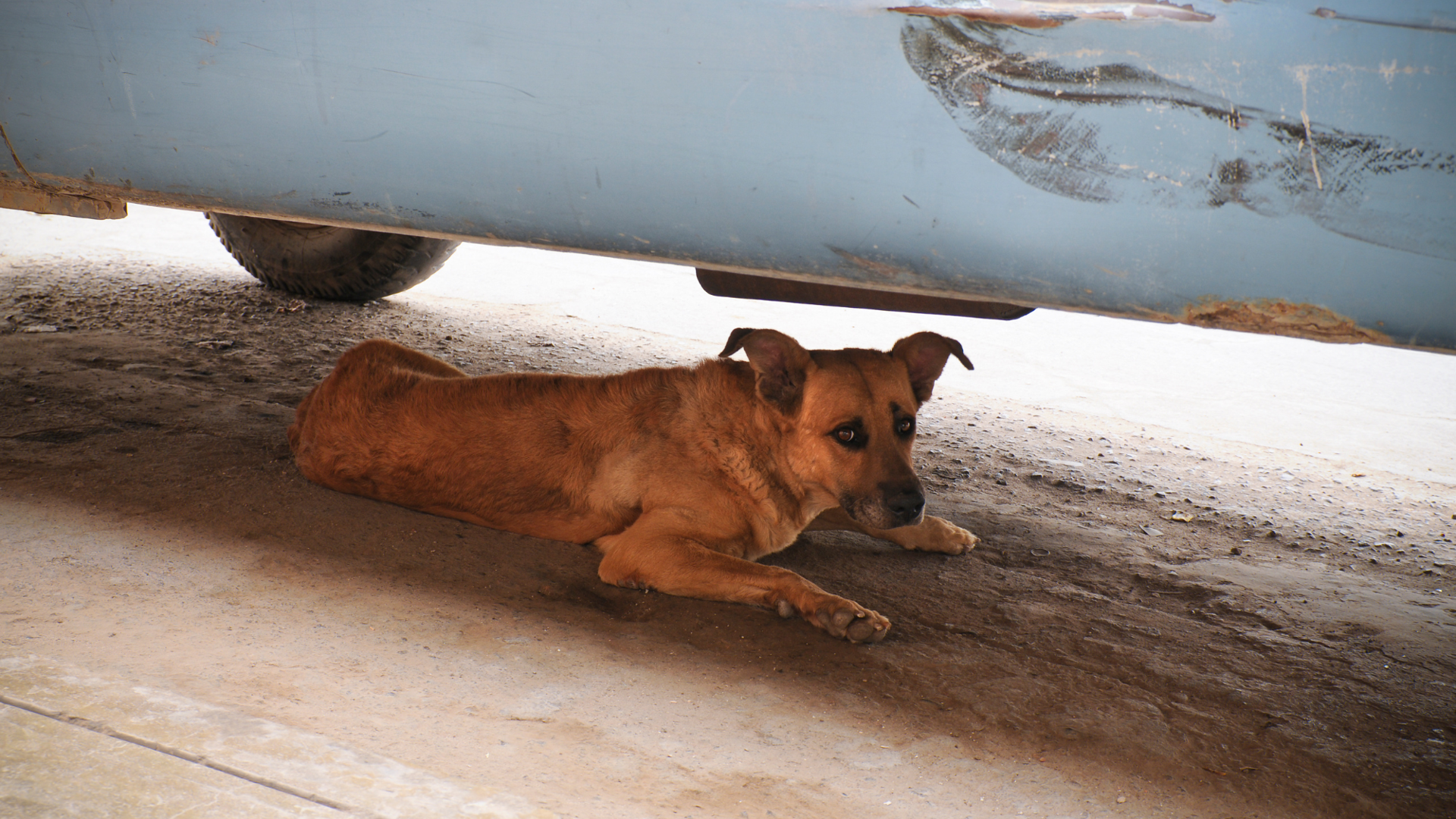
Credit: pethelpful.com
Stay Calm And Assess
Seeing a stray dog can be a tense moment. Staying calm is the first action to take. Calmness helps you think clearly. It also keeps the dog from feeling threatened. Assess the situation carefully before making any move. Understanding the dog’s mood and behavior guides your next steps.
Observe The Dog’s Behavior
Watch the dog closely without sudden movements. Look for signs of fear, aggression, or friendliness. A wagging tail might show friendliness, but stiff posture can mean stress. Notice if the dog is limping or seems hurt. These clues help decide how to approach or avoid the dog.
Keep A Safe Distance
Maintain space between you and the dog to avoid stress. Do not run or make loud noises. Stay still or move slowly if needed. Keep your hands visible and avoid direct eye contact. This shows you are not a threat. Safety for both you and the dog is key.
Avoid Direct Contact
Avoiding direct contact with a stray dog is crucial for safety. Stray dogs may feel scared or threatened. They can react unpredictably if approached too quickly or suddenly. Staying calm and cautious helps protect both you and the dog.
Do Not Approach Quickly
Move slowly and calmly around a stray dog. Quick movements can startle the animal. The dog may think you want to harm it. Give the dog space to feel safe. Stand still or walk away if the dog looks nervous.
Avoid Sudden Movements
Keep your hands and body relaxed. Sudden gestures may scare the dog. Avoid reaching out or waving your arms. Look away gently to show you mean no harm. Slow, steady actions help build trust with the dog.
Protect Yourself
Seeing a stray dog can be unsettling. Protecting yourself is the first priority. Stay calm and move slowly. Avoid sudden moves that might scare the dog. Keep a safe distance to prevent any risk. Safety helps both you and the dog stay calm.
Use Barriers If Needed
Barriers can provide a safe space between you and the dog. Use objects like fences, gates, or cars. These barriers help keep the dog from coming too close. Hold a bag, jacket, or umbrella if no barriers are nearby. This can block the dog’s path and give you time to assess the situation.
Keep Pets And Children Away
Pets and children can attract a stray dog’s attention. Keep them inside or at a safe distance. Children should stay calm and quiet to avoid startling the dog. Hold pets on a leash or inside the house. This reduces the chance of aggressive or fearful reactions from the dog.
Look For Identification
Finding a stray dog can be a sensitive situation. The first action is to find out if the dog has any form of identification. Identification helps reunite the dog with its owner quickly. It also shows if the dog has been cared for and belongs to someone nearby.
Checking for identification gives clear clues about the dog’s background. It can prevent unnecessary worry and keep the dog safe.
Check For Collars Or Tags
Look closely around the dog’s neck. Most owned dogs wear collars. Collars often carry tags with the owner’s contact details. Tags might include a phone number or address. Some tags show the dog’s name too. This helps approach the dog gently. Avoid removing the collar. It is important evidence for the owner.
Scan For Microchips
Microchips are small devices placed under the dog’s skin. They store the owner’s information. Vets or animal shelters have scanners to detect these chips. If you can, take the dog to a nearby vet. The vet can check for a microchip quickly. This method works even without visible tags or collars. A microchip scan is a safe way to find the owner.
Contact Authorities
Contacting the right authorities is a key step when you see a stray dog. It ensures the dog gets professional help quickly. Authorities can check for tags or microchips and provide medical care if needed. Acting fast helps keep the dog safe and protects the community.
Call Animal Control
Animal control officers are trained to handle stray animals safely. They know how to catch dogs without causing stress or harm. Calling them helps prevent accidents or injuries to the dog or people nearby. Provide a clear description of the dog and its location. Stay on the line to answer any questions the officer may have.
Reach Out To Local Shelters
Local animal shelters often take in stray dogs and offer shelter and care. They can scan for identification and try to find the dog’s owner. Shelters have resources to treat injured or sick animals. Contacting a shelter can increase the chance of the dog finding a safe home soon. Share details about the dog’s size, color, and behavior to help staff prepare.
Provide Temporary Help
Seeing a stray dog can stir a mix of emotions—concern, compassion, and sometimes confusion about what to do next. Offering temporary help is a crucial first step that can make a real difference in the dog’s immediate safety and comfort. This section will guide you through simple, effective ways to provide aid without putting yourself or the animal at risk.
Offer Food And Water Safely
Approach the dog calmly and observe its body language before offering food or water. Sudden movements or loud noises might scare it away or cause defensive behavior. Start by placing the food and water a short distance away, then step back to give the dog space to eat comfortably.
Choose plain, easily digestible foods like boiled chicken or dry dog kibble if available. Avoid giving human food like chocolate, onions, or anything spicy, as these can harm dogs. Fresh water is vital—especially on hot days—so always make sure the water you provide is clean.
Create A Safe Space
If the dog seems willing to stay near you, try to create a safe, quiet spot for it. This could be a shaded area or a sheltered corner away from traffic and loud noises. Use a blanket, towel, or cardboard to provide a comfortable surface for the dog to rest on.
Keep other pets and children at a distance to reduce stress for the stray dog. Have you noticed how animals often respond better when they feel less crowded? Giving the dog its own calm space encourages trust and helps you build a connection, which is essential if you plan to help further.
Spread The Word
Spreading the word is crucial when you see a stray dog. The more people know, the higher the chance of finding the owner or helping the dog. Sharing clear information quickly can make a big difference. Use simple messages and clear photos to catch attention.
Use Social Media
Post about the stray dog on popular social platforms. Include a recent photo, location, and time found. Ask friends and local groups to share the post. Many community pages focus on lost pets. Tag local shelters or animal control agencies. This spreads the news fast and reaches many people.
Inform Neighbors
Talk to neighbors nearby about the stray dog. Some may recognize the dog or know the owner. Leave flyers with the dog’s picture and your contact details. Place flyers in common areas like stores or community boards. Direct communication helps locals stay alert and involved.
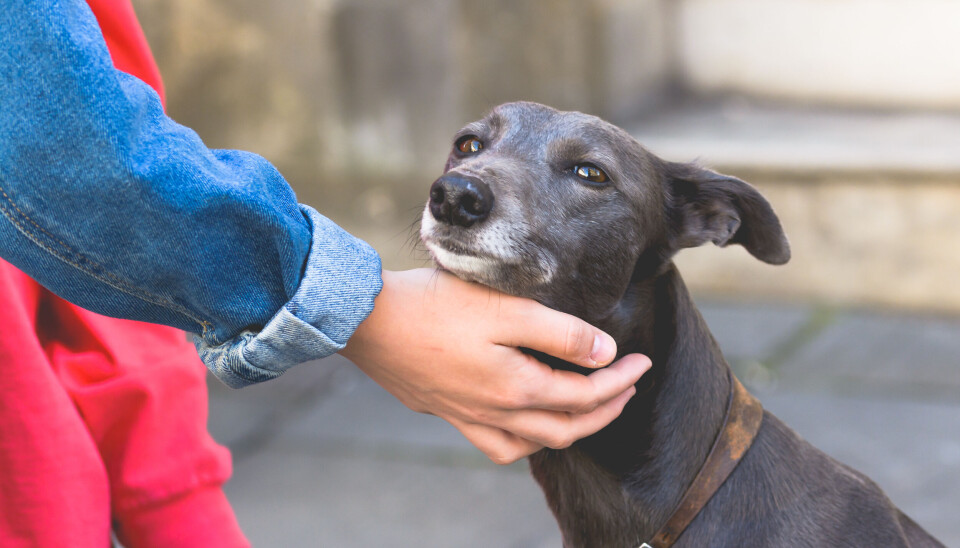
Credit: www.connexionfrance.com
Know When To Seek Help
Encountering a stray dog can be a delicate situation. Knowing when to seek help is crucial for your safety and the well-being of the animal. Not every stray dog needs immediate intervention from professionals, but recognizing the signs that indicate danger is key.
Signs Of Aggression
Watch closely for body language that shows the dog feels threatened or ready to defend itself. Raised hackles, bared teeth, growling, and intense staring are clear warnings. If the dog’s posture is stiff or it starts lunging, do not approach.
Sometimes, a dog may try to warn you before it attacks. Have you noticed a stray backing away but still growling? This is a strong sign it feels cornered and could become aggressive if you get too close.
When To Call Professionals
If the stray dog shows any aggressive signs or seems injured, it’s best to call animal control or a local rescue group immediately. Professionals have the tools and experience to handle scared or dangerous animals safely.
Even if the dog looks calm but you’re unsure about its health or behavior, reaching out is a smart move. Remember, your safety comes first. What would you do if the dog suddenly ran toward you or others around?
In cases where the dog is in a busy area or near traffic, calling for help is even more urgent. Quick response can prevent accidents and ensure the dog gets proper care. Don’t hesitate to ask for assistance when the situation feels beyond your control.

Credit: zigly.com
Frequently Asked Questions
What Should I Do First If I Find A Stray Dog?
First, assess the dog's behavior from a safe distance. If it seems friendly, approach slowly while speaking softly. Avoid sudden movements. If it’s aggressive, maintain distance and contact animal control. Always prioritize your safety when dealing with stray animals.
How Can I Help A Stray Dog Safely?
To help safely, offer water and food from a distance. Use calming tones to gain the dog’s trust. If possible, create a safe, quiet space. Contact local animal shelters or rescue groups for assistance. They can provide professional help and advice.
Can I Take A Stray Dog Home With Me?
Yes, but proceed with caution. Ensure the dog is healthy and non-aggressive first. Quarantine it from your pets to prevent potential disease spread. Contact a vet for a health check-up. Always report the found dog to local authorities or animal shelters.
How Do I Check For A Stray Dog’s Owner?
Look for identification tags or a microchip. Contact local vets and shelters to check for missing reports. Use social media and community boards to post about the found dog. Include a photo and specific details. This increases the chances of finding the owner.
Conclusion
Seeing a stray dog can feel confusing and sad. Stay calm and keep a safe distance. Offer water or food if you can. Contact local shelters or animal control for help. Remember, stray dogs need care and kindness. Your quick action can make a big difference.
Always prioritize your safety and the dog’s well-being. Small steps can bring hope to a lost animal. Helping stray dogs shows compassion and respect for all life.

Emily Barker is the founder of ChillDogLife.com, a space dedicated to helping pup parents discover the best dog products, lifestyle tips, and cozy ideas for happier homes.
A lifelong dog lover, Emily combines her passion for pets with a knack for research to share trusted recommendations on everything from toys and furniture to health and everyday care.
Her goal is simple: to make life easier, stylish, and more joyful for dogs and the people who love them.




