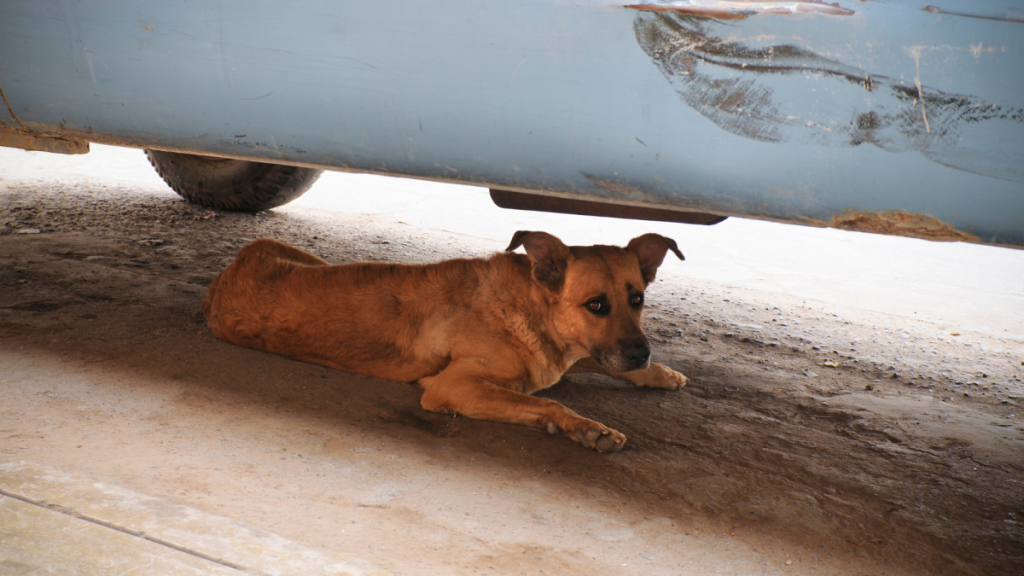
Have you ever come across a stray dog and wondered how to safely capture it? It’s not always easy, but knowing the right steps can make a big difference for both you and the dog.
Whether you want to help a lost pet or protect your neighborhood, this guide will give you simple, clear tips to do it right. Keep reading, and you’ll learn how to approach, calm, and safely catch a stray dog without putting yourself or the animal at risk.
Your quick action could change a dog’s life forever.

Credit: smart.dhgate.com
Preparing For The Rescue
Preparing to rescue a stray dog means setting yourself up for success before you even approach the animal. Taking time to plan ensures the safety of both you and the dog. It also increases your chances of a smooth and effective capture.
Gathering Necessary Supplies
Start by collecting items that will help you safely contain the dog. A sturdy leash or slip lead is essential to control the dog without causing harm. Carry treats or food to coax the dog closer and build trust.
Don’t forget protective gloves to avoid bites or scratches. A blanket or towel can help you wrap the dog gently if it becomes frightened. Having a secure carrier or crate ready will make transport easier and less stressful for the animal.
Assessing The Dog’s Behavior
Spend a few minutes observing the dog from a distance. Is it calm, scared, or aggressive? Understanding its body language will guide how you approach and interact with it.
Look for signs like wagging tail, raised hackles, or growling. These clues tell you whether to proceed slowly or call for professional help. Have you noticed any injuries or limping? That could mean the dog needs urgent care and extra patience.
Ensuring Personal Safety
Your safety comes first. Wear long sleeves and pants to protect your skin from scratches. Avoid sudden movements or loud noises that might startle the dog.
Think about your escape route if the dog becomes aggressive. Is there someone nearby who can assist or call for help? Preparing these details beforehand keeps you in control and reduces risk.
Credit: pethelpful.com
Approaching The Stray Dog
Approaching a stray dog requires patience and sensitivity. Your body language and tone can either build trust or cause fear. How you move and sound will determine if the dog feels safe enough to come closer.
Moving Calmly And Slowly
Quick movements can startle a stray dog, making it run away or become defensive. Walk slowly and keep your body relaxed to show you are not a threat. I once approached a frightened dog by crouching low and moving inch by inch, which helped it stay calm and eventually trust me.
Try to avoid sudden gestures. Instead, pause frequently and let the dog observe you. This slow pace lets the dog decide if it feels comfortable with your presence.
Using Soothing Sounds
Soft, gentle noises can attract a stray dog’s attention without causing alarm. Speak in a calm, quiet voice or use gentle whistles to invite the dog closer. I found that humming a simple tune helped calm a scared dog while I was trying to get near.
Sounds should be steady and low-pitched. Avoid loud calls or shouting, which may frighten the dog even more.
Avoiding Direct Eye Contact
Staring directly into a stray dog’s eyes can feel threatening to them. Instead, glance softly at the dog and look away occasionally. This shows respect for their space and reduces their stress.
You can also focus your gaze slightly to the side, which helps the dog feel less pressured. Have you noticed how dogs avoid eye contact when they’re nervous? Matching their behavior can build trust faster.
Techniques To Capture The Dog
Capturing a stray dog requires patience, care, and the right techniques to ensure both your safety and the dog’s comfort. Understanding how to approach the dog and what tools to use can make a big difference. Here are some practical ways to successfully capture a stray dog without causing stress or harm.
Using Food As Bait
Food is one of the most effective tools to gain a stray dog’s trust. Choose strong-smelling treats like cooked chicken, peanut butter, or canned dog food to attract the dog from a distance.
Place the food in a quiet, open area where the dog feels safe. Sit back and wait patiently, avoiding sudden movements that might scare the dog away. Have you noticed how animals respond better when you stay calm and non-threatening?
Once the dog approaches and starts eating, slowly move closer. Don’t rush; let the dog get comfortable with your presence first.
Setting Up A Safe Trap
If the dog is too scared or aggressive to approach, a humane trap might be necessary. Use a cage trap designed specifically for animals, with an easy-to-open door triggered by the dog stepping on a platform.
Line the trap with soft bedding and place appealing food inside to lure the dog. Check the trap frequently to avoid leaving the dog inside for too long.
Remember, safety comes first. Make sure the trap is in a shaded, quiet place to keep the dog calm once captured.
Employing A Leash Or Harness
Once the dog is close enough, a leash or harness can help secure it safely. Approach slowly and speak softly to avoid startling the dog.
If you have a harness, gently slip it over the dog’s head or use a slip leash that tightens without choking. This gives you control without causing pain.
Never chase the dog aggressively. Instead, let it come to you and offer the leash or harness calmly. Have you ever noticed how animals respond better to gentle actions rather than force?
Handling The Dog After Capture
After safely capturing a stray dog, how you handle the dog next can make a big difference in its recovery and comfort. The moments following capture are delicate, requiring calmness and attention to the dog’s immediate needs. Your actions now can help build trust and set the stage for proper care.
Checking For Injuries
Start by gently examining the dog for any visible injuries. Look for cuts, bruises, or signs of limping without causing the dog stress. If you notice bleeding or swelling, try to keep the dog calm and avoid moving it too much.
Use a soft cloth to clean minor wounds if you have one handy. But if the dog resists or seems in pain, wait for professional help rather than risking further injury. Remember, a scared dog may hide injuries well, so observe its behavior closely for signs of discomfort.
Providing Water And Shelter
Offering fresh water is essential but don’t rush to feed the dog immediately—it might have a sensitive stomach after being stray. Place water within easy reach, and if possible, give the dog space to drink at its own pace.
Next, create a quiet, safe spot for the dog to rest. This could be a shaded area outside or a cozy corner indoors. Your calm presence and a soft blanket or towel can help the dog feel more secure while it recovers from stress and exhaustion.
Contacting Animal Rescue Services
Once the dog is stable, reach out to local animal rescue groups or shelters. They have the resources and expertise to provide medical care, vaccinations, and potentially find the dog a permanent home.
Have details ready about the dog’s condition and location to give rescuers a clear picture. If you’ve ever waited for help yourself, you know how reassuring it is when someone communicates effectively—your clarity can speed up assistance for the dog.
Preventing Future Stray Incidents
Preventing future stray incidents is key to reducing the number of lost and homeless dogs wandering your community. It’s not just about capturing one stray dog; it’s about creating a safer environment where dogs don’t become strays in the first place. You can play an active role in this by raising awareness, encouraging responsible ownership, and supporting local shelters.
Community Awareness
Start by spreading the word about the importance of keeping pets safe and secure. You could organize neighborhood meetings or share flyers that highlight how simple actions, like securing fences and using collars with ID tags, can prevent dogs from running away.
Have you noticed how neighbors often overlook a missing pet until it’s too late? Encouraging your community to watch out for each other’s pets builds a network of alert, caring individuals who can act quickly when a dog goes missing.
Promoting Responsible Pet Ownership
Responsible pet ownership is the foundation of preventing strays. Make sure your pet is spayed or neutered to avoid unwanted litters. This alone can drastically reduce the number of stray dogs.
Educate owners about regular vet visits, proper training, and the importance of microchipping. You might share your own experience—like how microchipping helped reunite a lost dog with its family—to highlight the difference these steps make.
Supporting Local Animal Shelters
Local shelters often struggle with limited resources and overcrowding. Supporting them through donations, volunteering, or fostering can ease the burden and improve care for stray animals.
Consider partnering with shelters to promote adoption events in your area. This not only helps find homes for strays but also raises public awareness about the importance of adopting instead of buying pets.
Credit: smoochie-pooch.com
Frequently Asked Questions
How Do You Safely Approach A Stray Dog?
Approaching a stray dog requires caution. Move slowly and avoid direct eye contact. Speak softly to avoid startling the dog. Use treats to create a positive association. Allow the dog to approach you at its own pace. Always prioritize safety for both the dog and yourself.
What Tools Help In Capturing Stray Dogs?
Use humane tools like a leash, collar, or a large blanket. A catch pole can be effective but requires training. Treats or food can help lure the dog. Always prioritize the dog’s comfort and safety. Never use forceful or harmful methods.
How Can You Gain A Stray Dog’s Trust?
Gaining trust takes patience. Offer food or treats slowly. Avoid sudden movements and keep a low posture. Speak gently and avoid direct eye contact. Allow the dog to sniff your hand. Consistent, gentle interactions build trust over time.
What Should You Do After Capturing A Stray Dog?
After capturing, check for identification tags. Take the dog to a vet for a health check. Report the found dog to local shelters. Ensure it has food, water, and a safe space. Consider fostering if the owner isn’t found promptly.
Conclusion
Catching a stray dog takes patience and care. Approach slowly and speak softly. Use food to gain trust. Stay calm and avoid sudden moves. Always think about the dog’s safety first. Remember, kindness helps build a bond quickly. Keep trying, even if it takes time.
Your effort can save a life. Be ready to contact local shelters for help. Helping a stray dog is a kind and rewarding act.

Emily Barker is the founder of ChillDogLife.com, a space dedicated to helping pup parents discover the best dog products, lifestyle tips, and cozy ideas for happier homes.
A lifelong dog lover, Emily combines her passion for pets with a knack for research to share trusted recommendations on everything from toys and furniture to health and everyday care.
Her goal is simple: to make life easier, stylish, and more joyful for dogs and the people who love them.




