
Are you wondering if dog parks are truly safe places for your furry friend to play? You want your dog to have fun, run free, and make new pals—but you also worry about potential risks.
Knowing what to watch for can help you protect your dog while enjoying the benefits of these lively spaces. Keep reading to discover the key things you need to know to keep your dog safe and happy at the park.

Credit: www.wagntrain.com
Benefits Of Dog Parks
Dog parks offer many benefits for dogs and their owners. These spaces provide a safe place for dogs to play freely and learn good behavior. Visiting dog parks helps dogs stay healthy and happy. It also gives owners a chance to connect with others who love dogs.
Socialization Opportunities
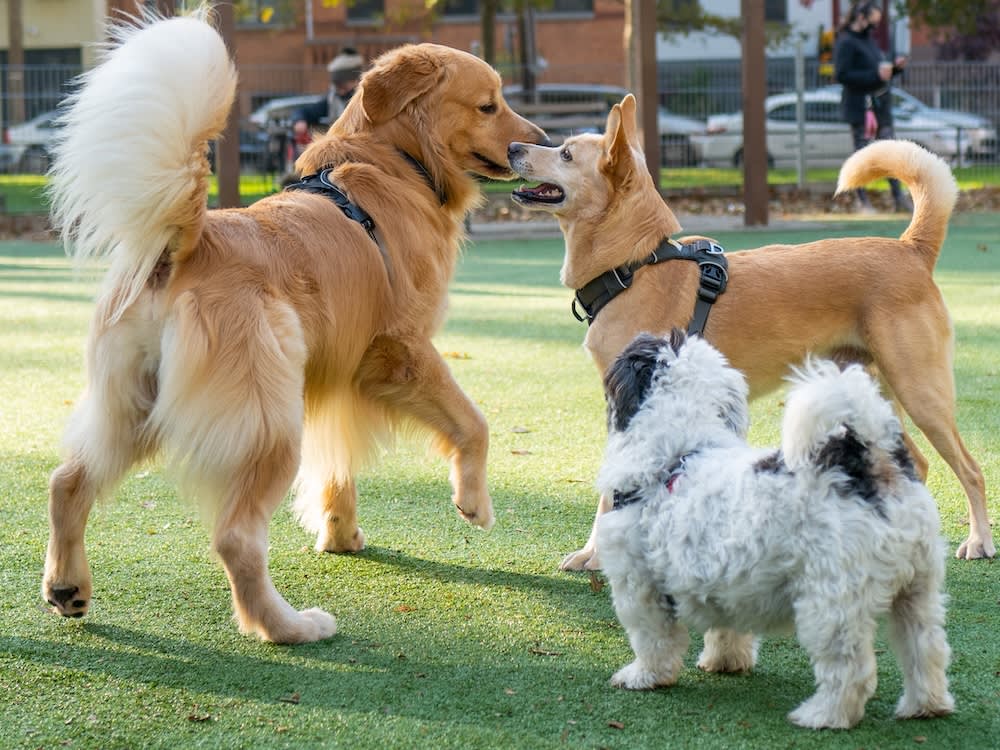
Dog parks let dogs meet and interact with different dogs. This helps them learn how to behave around others. Socializing reduces fear and aggression in dogs. It also improves their confidence. Meeting new dogs regularly helps dogs become friendly and well-adjusted.
Exercise And Stimulation
Dogs need exercise to stay healthy. Dog parks offer plenty of space to run and play. This helps dogs burn energy and build muscles. Playing with other dogs also gives mental stimulation. It keeps dogs alert and prevents boredom. Regular exercise helps reduce behavior problems at home.
Community Building
Dog parks bring together dog lovers from the neighborhood. Owners can share tips and advice about caring for dogs. This creates a friendly and supportive community. It also helps owners watch out for each other’s pets. Meeting regularly at the park builds trust and friendship among neighbors.

Credit: www.forbes.com
Common Risks At Dog Parks
Dog parks offer great fun and exercise but come with some risks. Knowing these common dangers helps keep your pet safe and happy. Watch out for aggressive dogs, health concerns, and environmental risks.
Aggressive Behavior
Some dogs may show aggression, leading to fights or injuries. Signs include growling, snapping, or stiff body language. Not all dogs get along well with others. Owners must watch their dogs closely and step in if needed. Early intervention can stop conflicts before they escalate.
Disease Transmission
Dog parks can spread illnesses among pets. Common diseases include kennel cough, parasites, and skin infections. Dogs share close spaces and sometimes toys or water bowls. Vaccinations and regular vet visits reduce risks. Cleanliness at the park also plays a big role in prevention.
Environmental Hazards
Outdoor spaces have hidden dangers. Sharp objects, broken glass, or trash can cause injuries. Uneven ground or holes may lead to twisted paws or legs. Some plants are toxic to dogs. Always scan the area and remove hazards before playtime. A safe environment keeps dogs happy and healthy.
Choosing The Right Dog Park
Choosing the right dog park can make all the difference in ensuring your furry friend has a safe and enjoyable experience. Not every park suits every dog’s needs, so it’s important to consider several factors before you head out. Think about what environment your dog thrives in and how the park’s features support that.
Size And Layout
Size matters when selecting a dog park. Smaller parks might be perfect for shy or older dogs who prefer less chaos. Larger parks offer more space to run and play, but they can be overwhelming for some dogs.
Look for a layout that includes separate areas for small and large dogs. This separation helps prevent accidental injuries and keeps playtime fun for everyone. Also, check if there are shaded spots and benches for you to relax while watching your dog.
Cleanliness And Maintenance
A clean park is a safe park. Always observe how well the park is maintained before letting your dog off-leash. Are there plenty of trash bins? Is the grass trimmed? Are there any signs of waste left behind?
I once visited a park that looked great at first but had several muddy patches and unattended dog waste. It wasn’t just unpleasant—it posed health risks for my dog. A well-maintained park reduces the risk of infections and parasites.
Rules And Regulations
Every dog park has its own set of rules, but some are more strictly enforced than others. Read the posted regulations carefully. Does the park require up-to-date vaccinations? Are aggressive dogs banned? Are puppies allowed?
Clear rules help protect your dog and others. If you find the rules vague or spot owners ignoring them, think twice about visiting. A park with enforced guidelines shows that safety is a priority for the community.
Credit: www.kinship.com
Preparing Your Dog For The Park
Taking your dog to a park can be a joyful experience for both of you, but it requires some preparation to ensure safety and fun. Understanding your dog’s health, behavior, and social abilities can make a big difference in how well they adapt to the park environment. Let’s break down what you need to check before stepping into that lively dog park.
Vaccinations And Health Checks
Your dog’s health is the first priority before visiting any dog park. Make sure your dog’s vaccinations are up to date, including rabies, distemper, and parvovirus. These vaccines protect your dog from common but dangerous illnesses that can spread easily in places where many dogs gather.
Schedule a visit to your vet for a health check to rule out any contagious conditions like fleas, ticks, or skin infections. Even if your dog looks healthy, some illnesses don’t show clear symptoms but can still affect others. Have you ever met a dog at a park that seemed sick but wasn’t obviously so? That’s why these checks matter.
Training And Social Skills
Training your dog is essential before exposing them to a group setting. Your dog should reliably respond to basic commands like “come,” “sit,” and “leave it.” These commands help you maintain control if a situation gets tense or your dog gets overly excited.
Social skills are equally important. Practice interactions with other dogs in controlled environments, like playdates or obedience classes. Observe your dog’s behavior: do they play gently, or do they tend to be aggressive or overly shy? Understanding this can save you from uncomfortable or dangerous encounters.
Assessing Your Dog’s Temperament
Every dog has a unique personality, and not all dogs feel comfortable in a dog park setting. Ask yourself how your dog reacts to new dogs and strangers. Are they curious and friendly, or do they prefer to keep to themselves?
Consider your dog’s energy level too. High-energy dogs may thrive at the park, but more reserved or anxious dogs might find it overwhelming. Think about your dog’s past experiences and how they handled similar situations. Could your dog handle the noise and chaos, or would they be stressed?
Safe Practices Inside The Park
Ensuring safety inside a dog park goes beyond just arriving and letting your dog off the leash. It requires active involvement and smart decisions on your part. Safe practices help prevent accidents and make the experience enjoyable for everyone.
Supervising Your Dog
Always keep a close eye on your dog’s behavior. Dogs can get distracted or overwhelmed quickly, leading to unexpected reactions.
If your dog starts showing signs of stress or aggression, step in calmly and remove them from the situation. You might notice your dog stiffening or growling—these are early warnings not to ignore.
Have you ever caught your dog about to get into a scuffle? Being attentive can stop fights before they start.
Managing Interactions
Not all dogs play the same way. Some prefer chasing games while others enjoy gentle sniffing. Watch how your dog interacts with others and guide their play accordingly.
Teach your dog basic commands like “come” and “leave it” to control their behavior when needed. This control can prevent a small disagreement from escalating.
Encourage positive greetings and discourage rough play by redirecting your dog’s attention. You can carry treats to reward good behavior and promote calm interactions.
Handling Emergencies
Accidents happen, even in the safest environments. Be prepared with a small first aid kit and know the location of the nearest vet clinic.
Stay calm if an emergency occurs; your dog will pick up on your mood. Quick and composed action can make a big difference.
Have you planned what you would do if your dog suddenly got injured or scared? Planning ahead helps you react faster and more effectively.
Alternatives To Dog Parks
Dog parks aren’t the only place where your furry friend can get exercise and social interaction. Sometimes, they might not be the safest or most comfortable option for your dog. Luckily, there are several alternatives that can give your dog a fun and secure environment to play and socialize.
Private Playdates
Setting up playdates with friends’ dogs can be a great way to control your dog’s social environment. You get to know the other dogs and their behavior before introducing them. This reduces the risk of unexpected aggression or stress for your dog.
Invite a few dogs over to your home or meet at a neutral spot where you feel safe. You can supervise closely and intervene quickly if needed. Have you noticed how calmer dogs tend to be when they’re around familiar faces?
Fenced Backyard Play
If you have a fenced backyard, it can serve as a private play area for your dog. Your dog can run freely without the worries of other unknown dogs or distractions. It’s also easy to keep an eye on them and stop any rough play before it escalates.
Adding toys or agility equipment can make backyard playtime even more stimulating. Have you tried setting up simple obstacle courses? They challenge your dog’s mind and body without the risks of a crowded park.
Dog Daycare Options
Dog daycares offer supervised play in a controlled environment. Staff members are trained to manage dog interactions and prevent conflicts. This can be especially helpful if your dog needs socialization but you’re unsure about dog parks.
Look for daycares that provide group sizes that match your dog’s comfort level. Some places even offer separate areas for small or shy dogs. Could a daycare visit be the key to your dog’s social development without the stress of open dog parks?
Frequently Asked Questions
Are Dog Parks Safe For All Dogs?
Dog parks can be safe for many dogs but not all. Socialization skills, temperament, and health conditions matter. Always supervise your dog and observe the park’s environment. Introduce your dog gradually to ensure a positive experience. Consult with a vet or trainer if unsure.
What Should I Look For In A Dog Park?
Check for clean facilities, secure fencing, and separate areas for different dog sizes. Ensure there are shaded areas and fresh water available. Observe how other dogs and owners interact. A well-maintained park with responsible pet owners is ideal for your dog's safety.
How Can I Keep My Dog Safe At The Park?
Always keep an eye on your dog and avoid distractions. Ensure your dog is vaccinated and healthy before visiting. Familiarize yourself with the park’s rules. Introduce your dog to new friends slowly. If any situation looks tense, calmly remove your dog.
Can Small Dogs Safely Play In Dog Parks?
Small dogs can play safely in parks with designated areas for them. Ensure the park has size-specific areas. Supervise interactions with larger dogs. Introduce small dogs to new environments gradually. If your dog shows signs of stress, it might be best to leave.
Conclusion
Dog parks can be safe with the right care and attention. Watch your dog closely and follow park rules. Choose parks that are clean and well-maintained. Socialize your dog slowly to avoid stress or fights. Good supervision helps keep all dogs happy and safe.
Remember, safety depends on both dog owners and park conditions. Enjoying dog parks can be fun if you stay alert and prepared. Safety starts with you and your furry friend.

Emily Barker is the founder of ChillDogLife.com, a space dedicated to helping pup parents discover the best dog products, lifestyle tips, and cozy ideas for happier homes.
A lifelong dog lover, Emily combines her passion for pets with a knack for research to share trusted recommendations on everything from toys and furniture to health and everyday care.
Her goal is simple: to make life easier, stylish, and more joyful for dogs and the people who love them.




