Are you wondering when it’s safe to take your puppy to the dog park? You want your furry friend to have fun and make new friends, but you also want to keep them healthy and safe.
Knowing the right time to visit the dog park can make a big difference in your puppy’s growth and happiness. You’ll discover exactly when your puppy is ready to join the fun and how to make the experience positive for both of you.
Keep reading to learn the key signs and expert tips that will help you make the best choice for your puppy’s first dog park visit.
Ideal Age For Dog Park Visits
Knowing the ideal age for your puppy to start visiting the dog park is crucial for their health and social growth. Too early, and they risk exposure to harmful diseases; too late, and they might miss key socialization windows. Let’s break down the key factors that help you decide the right time to take your puppy to the dog park.
Vaccination Milestones
Your puppy needs essential vaccinations before stepping into a dog park filled with other dogs. Most vets recommend waiting until your pup has completed at least two rounds of core vaccinations, usually around 12 to 16 weeks old.
Common vaccines include those for distemper, parvovirus, and rabies. Without these, your puppy’s immune system is vulnerable to serious infections that can be life-threatening.
Ask yourself: Has your puppy’s vet given the green light based on their vaccination status? Never rush this step for the sake of socializing.
Behavioral Readiness
Physical health is one thing, but behavioral readiness plays an equally important role in a successful dog park visit. Your puppy should be comfortable around other dogs and people, showing signs of confidence rather than fear or aggression.
Observe how your puppy reacts during controlled playdates or on-leash encounters. If they seem overly anxious or reactive, it’s better to wait and work on social skills in safer environments.
Remember, a well-adjusted puppy benefits more from dog park time, making it a positive experience for everyone involved.
Physical Development
Physical strength and coordination develop as your puppy grows, helping them handle the sometimes rough-and-tumble play at dog parks. Younger puppies with fragile bones and joints can easily get hurt if they jump into high-energy play too soon.
By around four months, most puppies gain better muscle control and endurance, making play safer. However, every breed develops differently—small breeds might mature faster, while large breeds take longer.
Think about your puppy’s size, breed, and overall health before deciding. Is your puppy physically ready to keep up and avoid injury during play?
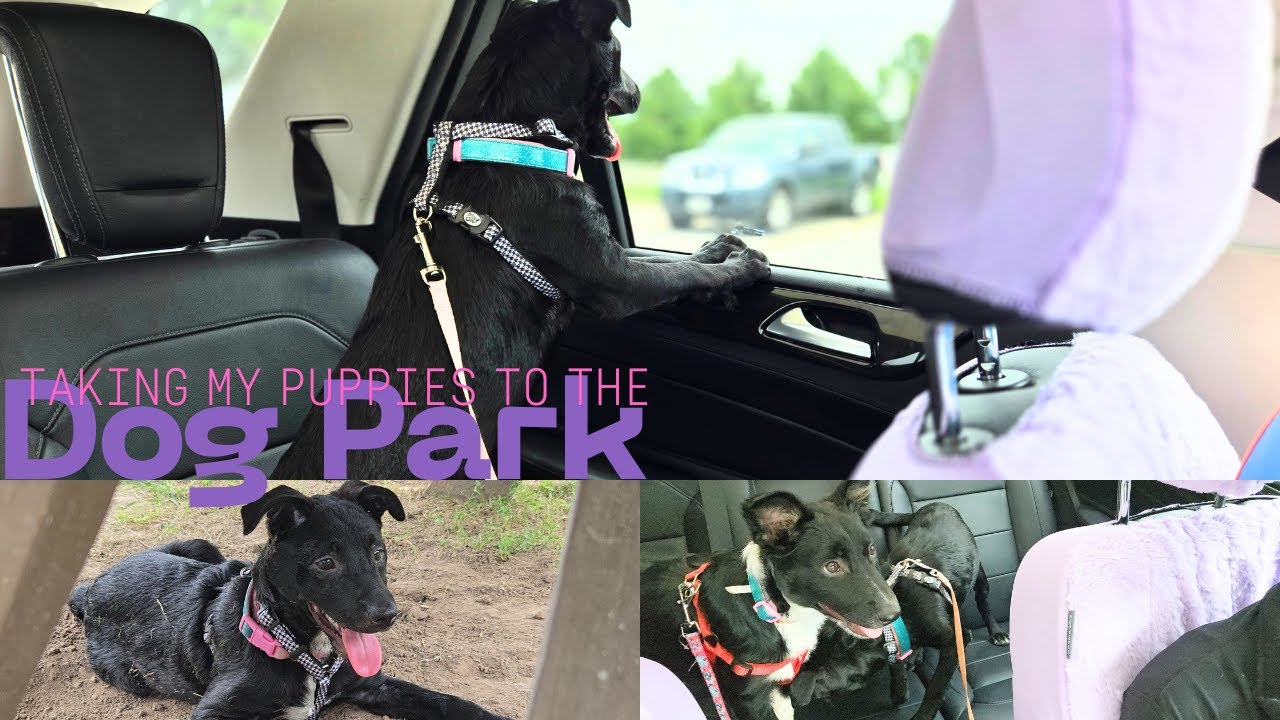
Credit: www.youtube.com
Preparing Your Puppy
Preparing your puppy for the dog park is key to a safe and happy experience. This phase builds your puppy’s confidence and manners. It also helps avoid stress or accidents at the park. Early preparation sets the foundation for good behavior around other dogs and people.
Basic Training Commands
Teach your puppy simple commands like sit, stay, come, and leave it. These commands help keep control in busy places. Use short training sessions to keep your puppy’s attention. Reward with treats and praise to encourage good behavior. Reliable commands ensure your puppy listens even with distractions.
Socialization Techniques
Introduce your puppy to different sounds, sights, and animals early. Arrange playdates with vaccinated, friendly dogs in safe environments. Allow your puppy to explore new places gradually. Encourage calm and positive interactions with people and dogs. Socialization helps your puppy feel comfortable at the dog park.
Health Checkups
Visit the vet for full vaccinations before visiting the dog park. Discuss flea, tick, and worm prevention with your vet. Ensure your puppy is free of contagious diseases. Regular health checks keep your puppy and others safe. A healthy puppy is ready to enjoy social time without risks.
Choosing The Right Dog Park
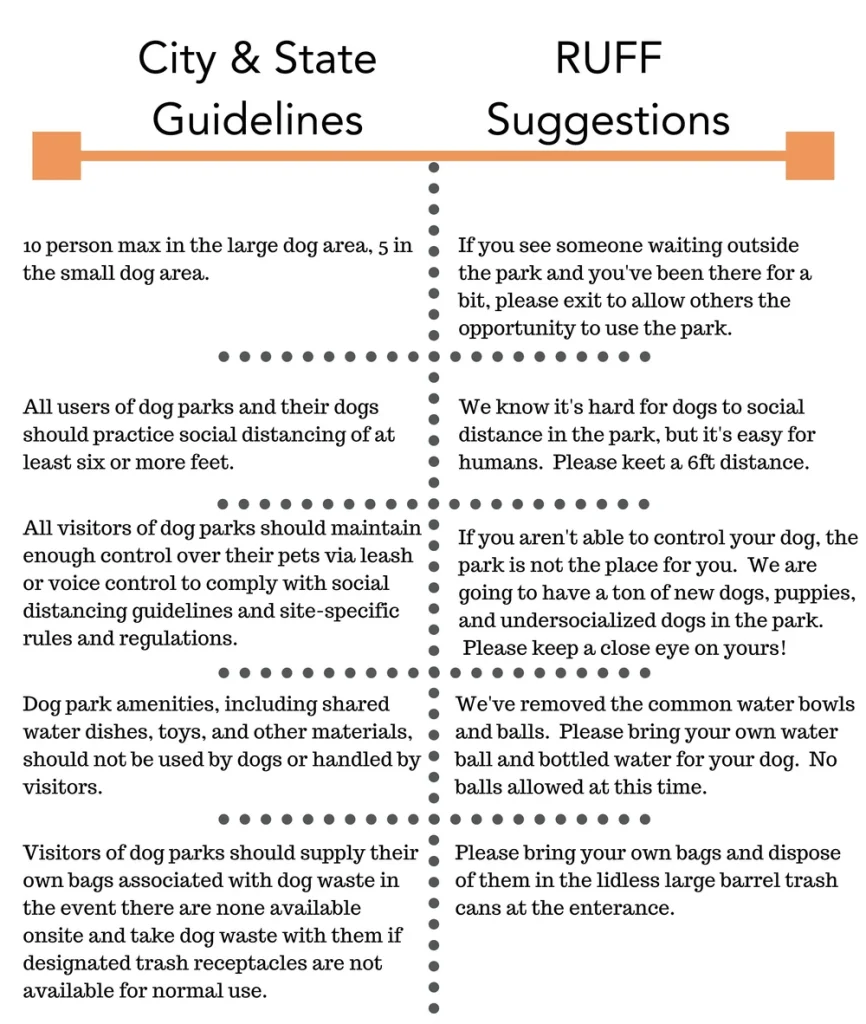
Choosing the right dog park is key for your puppy’s first visit. The park should match your puppy’s size, energy, and social skills. A good park helps your puppy feel safe and have fun. You must think about the park’s size, safety, and special areas for puppies. These details make a big difference in your puppy’s experience.
Park Size And Layout
A park that is too big can overwhelm a small puppy. A smaller, well-organized park is easier to manage. Look for clear paths and open spaces. These help your puppy move freely without feeling lost. A park with separate areas for big and small dogs is ideal. This keeps puppies safe from bigger dogs that may play rough.
Safety Features
Safety is the top priority. The park should have secure fencing that your puppy cannot jump over. Gates must close tightly to prevent escapes. Check for clean water sources and shaded spots for rest. Avoid parks with broken equipment or sharp objects. A well-maintained park reduces risks of injury and illness.
Puppy-friendly Zones
Look for parks that offer puppy-only areas. These zones have softer ground and gentle toys. They allow puppies to learn social skills with other young dogs. Puppy zones reduce stress and help shy puppies feel welcome. Friendly staff or volunteers can guide new puppy owners too.
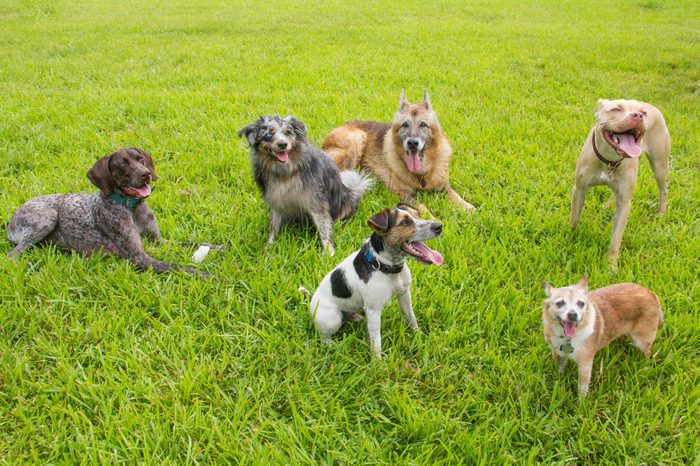
Credit: www.rd.com
Safety Tips At The Dog Park
Taking your puppy to the dog park can be a joyful experience, but it also demands careful attention to safety. The park is full of new sights, sounds, and furry friends, which can overwhelm a young dog. Keeping your puppy safe means staying alert, understanding their limits, and guiding their social interactions thoughtfully.
Supervision Strategies
Always keep your eyes on your puppy. Puppies are curious and can quickly get into trouble if left unattended. Stand close enough to step in if play gets too rough or if your puppy approaches a dog that seems uncomfortable.
Use a leash when entering or leaving the park to control your puppy’s movements. Some parks allow leashes inside, and even if they don’t, having a leash ready can help you quickly regain control. This small precaution can prevent unwanted chases or escapes.
Recognizing Stress Signals
Watch for signs that your puppy feels stressed or scared. These include tucked tails, ears pinned back, yawning, lip licking, or trying to hide behind you. Recognizing these signs early helps you intervene before your puppy becomes overwhelmed.
If your puppy shows stress, don’t hesitate to remove them from the situation. Giving your puppy a break allows them to calm down and prevents negative associations with the park. Have you noticed your puppy’s unique stress cues?
Managing Interactions
Not all dogs at the park are friendly or well-socialized. Before allowing your puppy to interact, observe the other dogs’ behavior. If a dog is overly boisterous, aggressive, or anxious, steer your puppy away.
Introduce your puppy slowly to new dogs. Let them sniff and greet at their own pace, and watch their body language carefully. Interrupt play if it becomes too intense or if either dog looks uncomfortable.
Remember, your role is to be your puppy’s protector and guide. How will you balance letting your puppy explore while keeping them safe?
Common Risks And Prevention
Taking your puppy to the dog park can be exciting, but it comes with risks you need to manage carefully. Understanding common dangers and how to prevent them helps keep your furry friend safe and happy. Let’s look at some risks you might not have considered and practical ways to avoid them.
Disease Transmission
Puppies are vulnerable to diseases, especially before completing their full vaccination series. Dog parks often have many dogs, increasing the chance of catching infections like parvovirus or kennel cough.
You can reduce this risk by ensuring your puppy has all necessary vaccines before visiting. Also, watch for signs of illness in other dogs and avoid the park if many dogs seem sick. Cleaning your puppy’s paws and coat after each visit helps prevent bringing germs home.
Aggressive Behavior
Not every dog at the park is friendly, and some may react aggressively to puppies. Your pup might also feel scared or overwhelmed, which can lead to defensive behavior.
Stay close and observe interactions carefully. If you notice growling, snapping, or tense body language, calmly remove your puppy from the situation. Early socialization classes can build your puppy’s confidence and help you read dog behavior better.
Environmental Hazards
Dog parks can hide hazards like broken glass, sharp sticks, or even toxic plants. These dangers might cause injuries or poisoning if you’re not vigilant.
Before letting your puppy roam, scan the area for anything unsafe. Carry a basic first aid kit and know your nearest vet’s location. Teaching your puppy the “leave it” command can stop them from picking up dangerous objects.
Post-visit Care
Taking your puppy to the dog park is exciting, but what you do after the visit is just as important. Post-visit care helps keep your puppy healthy and reinforces good behavior. It also gives you a chance to bond and address any issues that might have come up during playtime.
Cleaning And Grooming
After a fun day at the dog park, your puppy might be covered in dirt, grass, or even bugs. A quick bath or wipe-down helps remove any debris that could irritate their skin or cause infections. Pay special attention to their paws, ears, and underbelly where dirt tends to hide.
Brushing your puppy’s coat afterward also helps spot ticks or fleas early. Have you ever found a tick during grooming? Catching them fast can save your puppy from serious health problems.
Monitoring Health
Keep an eye on your puppy’s behavior and body for signs of illness or injury. Look for limping, unusual lethargy, coughing, or excessive scratching. Sometimes, symptoms don’t show up immediately but appear hours after the park visit.
If your puppy starts sneezing or seems off, consider a vet check. Early action can prevent minor problems from turning serious. You know your puppy best—trust your instincts when something feels wrong.
Reinforcing Training
The dog park can be overwhelming for a puppy, so reinforcing training after the visit is key. Practice commands like “come,” “sit,” and “leave it” to remind your puppy of boundaries. Positive reinforcement with treats or praise helps your puppy connect good behavior with rewards.
Use what you observed at the park to focus your training. Did your puppy chase other dogs or get distracted easily? Tailor your practice sessions to address these challenges and make the next visit smoother.

Credit: www.redbarn.com
Frequently Asked Questions
What Age Can Puppies Visit A Dog Park?
Puppies can typically visit a dog park once they’ve completed their vaccinations, around 16 weeks old. This ensures they’re protected from potential diseases. Always consult with your vet to confirm it’s safe. Early socialization is important, but safety and health should be the priority.
Are Dog Parks Safe For Young Puppies?
Dog parks can be risky for young puppies if they’re not fully vaccinated. Unvaccinated puppies are vulnerable to diseases. Always ensure your puppy is up-to-date on vaccinations. Begin socializing them in controlled environments first before introducing them to a dog park.
How Do I Prepare My Puppy For The Park?
Start by ensuring your puppy is comfortable with basic commands like sit, stay, and come. Gradually introduce them to other dogs in controlled settings. Make sure they’re fully vaccinated. Bring water, poop bags, and a leash. Monitor their behavior closely at the park.
Should Puppies Be On A Leash At The Park?
Keeping puppies on a leash initially is advisable, especially in the beginning. This helps you control their interactions and ensure safety. Once they’re comfortable and well-behaved, you can gradually let them explore. Always adhere to the park’s rules regarding leashes.
Conclusion
Puppies need vaccines before visiting dog parks safely. Socializing early helps them grow confident and friendly. Watch your puppy closely during first visits. Choose quiet times to avoid too much noise or crowd. Always clean up after your puppy to keep parks safe.
With care and patience, your puppy will enjoy the park. Happy, healthy play builds strong bonds and good habits. Take your time and enjoy each step of puppyhood.

Emily Barker is the founder of ChillDogLife.com, a space dedicated to helping pup parents discover the best dog products, lifestyle tips, and cozy ideas for happier homes.
A lifelong dog lover, Emily combines her passion for pets with a knack for research to share trusted recommendations on everything from toys and furniture to health and everyday care.
Her goal is simple: to make life easier, stylish, and more joyful for dogs and the people who love them.




