Are you thinking about spaying your dog but wonder if it’s really necessary? Understanding the benefits of spaying can help you make the best choice for your furry friend’s health and happiness.
Spaying does more than just prevent unwanted puppies—it can protect your dog from serious health issues and improve her behavior. Keep reading to discover how this simple procedure can bring peace of mind to you and a longer, healthier life to your beloved pet.
Health Benefits
Spaying your dog offers significant health benefits that go beyond just preventing unwanted litters. It plays a crucial role in safeguarding your pet’s long-term well-being. Understanding these health advantages can help you make informed decisions for your furry friend’s care.
Lower Risk Of Cancer
Spaying greatly reduces the risk of certain cancers in your dog, especially mammary gland tumors. These tumors are often malignant and can be life-threatening if not caught early.
The earlier you spay, typically before the first heat cycle, the stronger the protective effect. This simple surgery can add years to your dog’s life by preventing these serious illnesses.
Prevention Of Uterine Infections
Pyometra, a dangerous infection of the uterus, affects many unspayed female dogs. It requires emergency veterinary care and can be fatal if untreated.
Spaying removes the uterus entirely, eliminating the risk of this painful and potentially deadly condition. Have you ever considered how much stress and vet bills you could avoid by preventing this?
Reduced Chance Of Hormonal Disorders
Spaying helps balance your dog’s hormones by removing the ovaries and uterus, which produce reproductive hormones. This can reduce behaviors linked to hormone fluctuations, like aggression or anxiety during heat cycles.
Additionally, spayed dogs have a lower chance of developing hormone-related disorders such as ovarian cysts or false pregnancies. Protecting your dog from these issues means fewer health problems and a happier pet overall.

Credit: zigly.com
Behavior Improvements
Spaying your dog can lead to noticeable behavior improvements that make daily life easier for both you and your pet. These changes often result in a happier, more relaxed companion who fits smoothly into your home routine. Understanding these benefits helps you see why spaying is more than just a health decision—it’s a way to improve your dog’s overall behavior.
Decreased Aggression
Spaying reduces hormone-driven aggression in many dogs. Without the influence of certain reproductive hormones, your dog may become less territorial and less prone to fights. This change can make social interactions with other dogs and people safer and more pleasant.
If your dog has shown signs of snapping or growling, spaying might help calm these tendencies. Have you noticed fewer aggressive episodes after your dog was spayed? Many owners share that their pets become more approachable and less reactive.
Less Roaming And Marking
Unspayed dogs often roam in search of a mate, which can be stressful and dangerous. Spaying reduces this urge, helping your dog stay closer to home and out of trouble. It also decreases the tendency to mark territory indoors or outdoors with urine.
By reducing roaming and marking behaviors, spaying helps maintain a cleaner home environment. If you’ve struggled with your dog escaping or marking furniture, spaying might be the practical solution you need.
Calmer Temperament
Many dogs become noticeably calmer after spaying. Without hormonal fluctuations, mood swings and anxiety related to heat cycles disappear. This results in a more even-tempered dog who is easier to train and live with.
Calmness can improve your bond with your dog and make daily activities more enjoyable. Have you experienced a shift in your dog’s mood after spaying? This calmer behavior often means fewer stress-filled moments for both of you.
Impact On Pet Population
Spaying your dog has a strong effect on the pet population. It helps lower the number of unwanted dogs. This action supports communities and animal shelters in many ways. Keeping the pet population controlled means fewer animals suffer from neglect or homelessness. It also makes neighborhoods safer and cleaner.
Reducing Stray Dog Numbers
Stray dogs often face hunger, disease, and danger. Spaying helps stop the birth of puppies that may become strays. Fewer strays mean less risk of dog attacks and traffic accidents. It also reduces the spread of diseases among animals and people. Communities see fewer problems related to stray dogs when spaying is common.
Helping Control Overpopulation
Dog overpopulation causes many issues for shelters. Many animals compete for limited homes and resources. Spaying cuts down the number of unwanted litters. This lowers the stress on shelters and rescue groups. It allows more animals to find loving families. Overpopulation control also helps keep pet care affordable and manageable for owners.

Credit: 4pawsclinic.org
Timing And Considerations
Deciding when to spay your dog involves more than just picking a date. Timing can impact her health, behavior, and recovery. Understanding the right age and potential risks will help you make the best choice for your furry friend.
Best Age For Spaying
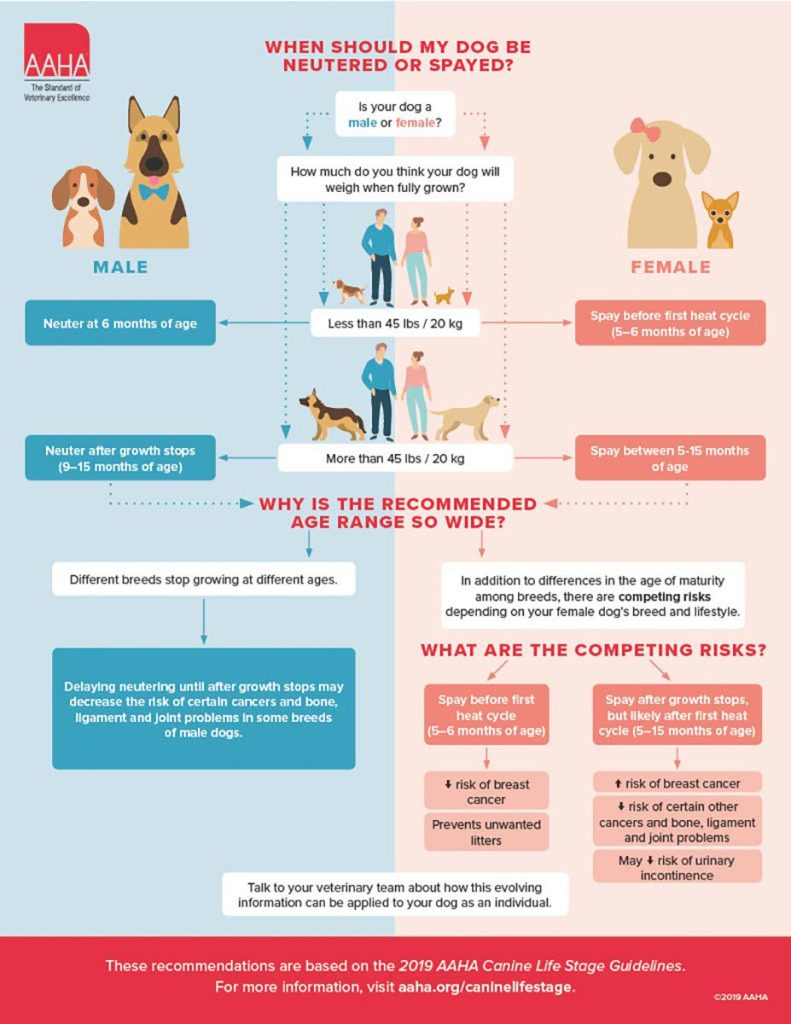
Most vets recommend spaying between 6 and 9 months of age, often before your dog experiences her first heat cycle. Spaying early can reduce the risk of certain cancers and unwanted behaviors like roaming or marking.
However, some breeds may benefit from waiting until they are older to support bone growth and development. You might ask your vet about your dog’s specific breed and lifestyle before scheduling the surgery.
Think about your dog’s environment too. If she’s around male dogs or could accidentally get pregnant, earlier spaying might be safer.
Potential Risks And Side Effects
Spaying is generally safe, but like any surgery, it carries some risks. These include reactions to anesthesia, bleeding, or infection.
Some dogs may experience temporary side effects such as fatigue, swelling at the incision site, or changes in appetite. These usually resolve within a few days.
Long-term effects might include weight gain or hormonal changes. You can manage these by adjusting diet and exercise routines.
Have you noticed any behavior or health issues in your dog that make you hesitate? Discuss these concerns with your vet to weigh the benefits against any risks specific to your pet.
Myths Vs Facts
Many people have strong opinions about spaying dogs. Some believe myths that can cause confusion. It is important to separate myths from facts. Understanding the truth helps make better choices for your pet’s health.
Common Misconceptions
- Spaying makes dogs fat and lazy.
- Dogs should have one litter before spaying.
- Spaying changes a dog’s personality negatively.
- The surgery is too risky for healthy dogs.
- Spaying prevents all health problems.
These ideas are common but not always true. Many come from old beliefs or incomplete information.
Scientific Evidence
Studies show spaying helps prevent certain cancers. It lowers the risk of infections in the uterus. Spayed dogs often live longer and healthier lives.
Weight gain is linked to diet and exercise, not spaying alone. Personality changes are usually mild or non-existent. Modern surgery is safe with low complication rates.
Spaying does not prevent all diseases but greatly reduces many risks. Veterinary experts recommend spaying to improve overall health and behavior.

Credit: 4pawsclinic.org
Frequently Asked Questions
What Are The Health Benefits Of Spaying A Dog?
Spaying your dog reduces the risk of uterine infections and breast cancer. These conditions can be fatal in dogs. Additionally, spaying prevents unwanted pregnancies, helping to control the pet population. It also eliminates the risk of ovarian and uterine tumors, contributing to a longer, healthier life for your pet.
Does Spaying Affect My Dog’s Behavior?
Spaying can lead to a calmer dog by reducing hormone-driven behaviors. Dogs may become less aggressive and roam less. Spaying can also reduce marking and mounting behaviors. While behavior changes can occur, each dog is unique, and other factors may also influence behavior.
At What Age Should I Spay My Dog?
The ideal age to spay a dog varies based on breed and health. Generally, spaying is recommended before the first heat cycle, around 6 to 9 months. However, larger breeds may benefit from waiting longer. Consult your veterinarian for personalized advice on the best timing for your dog.
Is Spaying My Dog A Painful Procedure?
Spaying is a surgical procedure performed under anesthesia, minimizing pain during the operation. Post-surgery, your veterinarian will provide pain management to ensure comfort. Most dogs recover quickly with proper care. Always follow your vet’s instructions for post-operative care to ensure a smooth recovery.
Conclusion
Spaying your dog helps keep her healthy and happy. It lowers the risk of certain cancers and infections. Spaying also prevents unwanted puppies and eases behavior problems. Many pets live longer and more active lives after the surgery. Talk to your vet to learn the best time to spay.
Caring for your dog includes making smart health choices. This simple step offers many benefits for both pets and owners. Safe, healthy, and happy dogs make great companions.

Emily Barker is the founder of ChillDogLife.com, a space dedicated to helping pup parents discover the best dog products, lifestyle tips, and cozy ideas for happier homes.
A lifelong dog lover, Emily combines her passion for pets with a knack for research to share trusted recommendations on everything from toys and furniture to health and everyday care.
Her goal is simple: to make life easier, stylish, and more joyful for dogs and the people who love them.




