You’ve worked hard to house train your dog, so it’s frustrating and confusing when accidents start happening inside your home. You might wonder, “Why is my house trained dog having accidents all of a sudden?” It’s not just about bad behavior—there are often hidden reasons behind this change.
Understanding what’s going on can help you fix the problem quickly and keep your home clean and comfortable. Keep reading to discover the common causes and simple solutions that can bring peace back to your routine.
Credit: pethelpful.com
Common Causes Of Accidents
Seeing your house-trained dog suddenly start having accidents can be frustrating and confusing. Understanding the common causes behind this behavior can help you address the issue more effectively. Accidents often signal that something is off, whether physically, emotionally, or environmentally.
Health Issues
Physical problems are a frequent cause of accidents in dogs who were once reliable. Urinary tract infections, bladder stones, or kidney issues can make it difficult for your dog to hold their bladder.
Imagine your dog squirming or whining before an accident; this could be a sign of discomfort. If your dog is older, diabetes or arthritis might also play a role. A visit to the vet can help you rule out or treat these conditions quickly.
Behavioral Problems
Changes in your dog’s behavior can lead to accidents inside the house. Anxiety, stress, or excitement sometimes cause a loss of control, especially if your dog is left alone for long periods.
Think about your dog’s routine—have there been disruptions or new stressors? Sometimes, a dog might mark territory if there are new pets or people in the home. Recognizing these triggers can help you manage or modify behavior.
Environmental Changes
Dogs are creatures of habit, and sudden environmental changes can confuse them. Moving to a new house, rearranging furniture, or even changing their bathroom spot can cause accidents.
Have you recently introduced new scents or sounds around your home? These can make your dog unsure of where to go. Patience and consistent routines often help your dog adjust and regain their house training.
Age-related Factors
As dogs age, their control over bladder and bowels can weaken. Senior dogs may struggle with incontinence or cognitive decline, leading to accidents even if they were house trained.
Have you noticed your older dog becoming forgetful or disoriented? These signs often accompany age-related accidents. Adjusting bathroom breaks and providing easy access to outdoor areas can make a big difference.
Signs To Watch For
Noticing accidents from a house-trained dog can be worrying. It often signals a change in health or behavior. Watching for certain signs can help identify the cause. Early detection makes it easier to find a solution.
Frequent Accidents
Accidents happening more often than usual are a clear warning. This includes urinating or pooping inside the home regularly. The dog may seem unable to hold it as long as before. Tracking accident frequency helps spot problems quickly.
Changes In Urination Patterns
Look for any new habits around bathroom needs. The dog might urinate in small amounts many times a day. Or, it may strain or show discomfort while urinating. These changes can point to infections or bladder issues.
Behavioral Changes
Watch for shifts in your dog’s mood or actions. A normally calm dog might become restless or anxious. Some dogs hide or avoid you after an accident. These behaviors often relate to stress or health problems.
Physical Symptoms
Physical signs often accompany accidents. Check for redness, swelling, or discharge near the urinary opening. Notice if your dog licks the area more than usual. Weakness, vomiting, or loss of appetite may also appear.
Medical Conditions Affecting House Training
When your house-trained dog suddenly starts having accidents, it’s natural to think it’s a behavioral issue. However, underlying medical conditions often play a big role. Identifying these health problems early can save your dog discomfort and prevent further damage to your home.
Urinary Tract Infections
Urinary tract infections (UTIs) are a common culprit behind unexpected accidents. They cause discomfort and urgency, making it hard for your dog to hold their bladder. You might notice frequent trips to the water bowl or licking around the genital area.
If you spot these signs, visiting the vet is crucial. A simple urine test can confirm the infection, and antibiotics usually clear it up quickly. Have you ever noticed your dog acting restless or whining when trying to go outside? That’s a red flag worth checking out.
Bladder Stones
Bladder stones are mineral deposits that form inside your dog’s bladder, causing irritation and blockage. This condition often leads to painful urination and accidents inside the house. Your dog might strain or show blood in their urine.
Bladder stones require veterinary attention and sometimes surgery. Diet changes or medications can help prevent recurrence. If your dog’s accidents come with signs of pain, don’t wait to get professional advice.
Kidney Disease
Kidney disease affects your dog’s ability to concentrate urine, leading to increased urination and accidents. It’s more common in older dogs but can affect any age. You might notice your dog drinking more water or seeming lethargic.
Routine blood work can detect kidney problems early. Managing kidney disease involves diet changes and medication. Think about whether your dog’s accidents started alongside other symptoms like weight loss or decreased appetite.
Diabetes
Diabetes causes excessive thirst and urination, which can overwhelm your dog’s house-training habits. Dogs with uncontrolled diabetes may have accidents simply because they need to go more often. Increased hunger and sudden weight loss are other signs to watch for.
Diagnosing diabetes is straightforward with blood and urine tests. Treatment includes insulin and dietary management. If your dog’s accidents come with increased drinking and eating, consider a vet visit to rule out diabetes.
Credit: medium.com
Behavioral Causes Of Accidents
Behavioral causes often lead to accidents in house-trained dogs. These reasons relate to your dog’s feelings and habits rather than health issues. Understanding these causes helps address the problem effectively. Here are some common behavioral reasons why your dog may have accidents inside.
Anxiety And Stress
Dogs feel anxious in new or loud environments. Stress can make them lose control of their bladder. Changes like moving house or new pets increase stress levels. Anxiety causes accidents even in well-trained dogs.
Incomplete Training
Some dogs might not have finished learning proper bathroom habits. Training can be rushed or inconsistent. A dog may not fully understand where to go. This leads to occasional indoor accidents.
Marking Territory
Dogs mark to show ownership of a place. This behavior is common in males but can happen with females. Marking leaves a small urine spot on surfaces. It is different from normal peeing and serves as communication.
Separation Anxiety
Separation anxiety causes stress when dogs are alone. They may urinate or defecate inside due to fear. Signs include pacing, whining, or destructive behavior. This leads to accidents despite good training.
Adjusting Training Techniques
Adjusting training techniques can help solve accidents in a house-trained dog. Small changes in how you train can make a big difference. Dogs need clear signals and consistent routines to stay on track. Sometimes, your dog may need a refresher or a new approach to understand better.
Reinforcing Commands
Use simple and clear commands every time your dog needs to go outside. Repeat these commands regularly to help your dog remember. Keep the tone firm but kind. Consistent use of the same words helps your dog connect the command to the action.
Positive Reinforcement
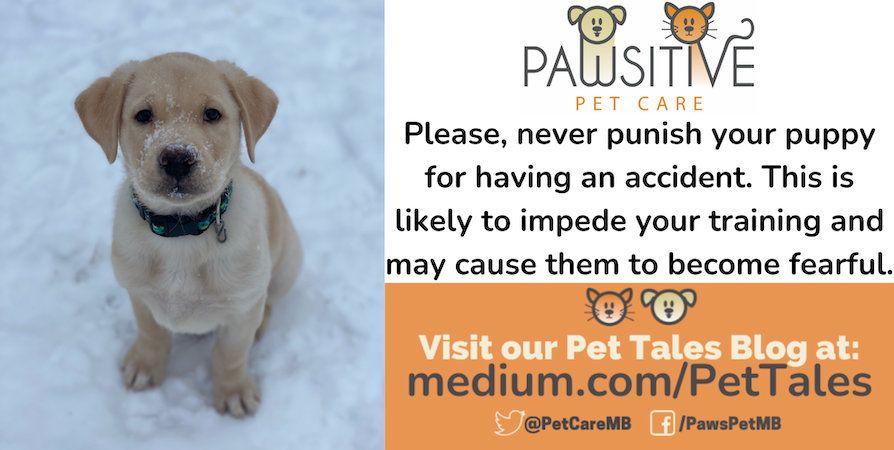
Reward your dog immediately after they do the right thing. Use treats, praise, or petting as rewards. This builds good habits and encourages your dog to repeat the behavior. Avoid punishment; it can cause fear and confusion.
Consistent Schedule
Set regular times for feeding and bathroom breaks. Dogs respond well to routines. A predictable schedule helps prevent accidents by allowing your dog to know when to expect potty time. Keep the timing consistent every day.
Crate Training
Crate training gives your dog a safe, comfortable space. Dogs usually avoid soiling their sleeping area. Use the crate to help control bathroom habits. Make sure the crate is not too big or too small. Gradually increase the time your dog spends inside.

Credit: www.reddit.com
Managing Environmental Factors
Managing environmental factors is crucial when your house-trained dog starts having accidents. Changes around your home can confuse your pet and disrupt their bathroom habits. By paying close attention to these factors, you can identify triggers and create a supportive environment for your dog.
Changes In Routine
Dogs thrive on consistency. A sudden change in your daily schedule—like different walk times or feeding hours—can upset their bathroom routine.
Think about how your dog’s accidents began. Did you start a new job, or has your dog been left alone longer? Adjusting back to a predictable routine often helps your dog regain control.
New Pets Or Family Members
Introducing new pets or family members can cause stress or anxiety for your dog. This emotional upheaval may lead to accidents even in previously trained dogs.
Watch how your dog interacts with newcomers. Sometimes, extra attention and reassurance can ease their stress and prevent mishaps.
Access To Outdoor Areas
Limited or changed access to outdoor spaces can confuse your dog about where they’re allowed to go. Maybe a gate is closed or a favorite bathroom spot is blocked.
Ensure your dog has easy, consistent access to outdoor areas. If outdoor time is restricted, increase indoor potty options like training pads to maintain good habits.
Cleaning And Odor Removal
Lingering smells from previous accidents can attract your dog back to the same spot. Dogs have an incredible sense of smell, and even faint odors can trigger repeat accidents.
Use enzyme-based cleaners to fully remove urine smells. Avoid ammonia-based products, which can mimic the scent of urine and confuse your dog further.
When To Consult A Veterinarian
Knowing when to seek veterinary advice is crucial if your house-trained dog suddenly starts having accidents. These incidents might signal underlying health or behavioral issues that need professional attention. Ignoring these signs can worsen your dog’s condition and lead to more stress for both of you.
Persistent Accidents
If your dog continues to have accidents despite consistent training and a stable routine, it’s time to consult a vet. Persistent accidents can indicate medical problems such as urinary tract infections or bladder stones. Don’t wait for the problem to resolve on its own; early diagnosis can save your dog discomfort and prevent complications.
Signs Of Illness
Accidents combined with other symptoms like lethargy, changes in appetite, or unusual drinking habits often point to illness. Watch closely for signs such as blood in urine, excessive licking, or frequent attempts to urinate. These symptoms require immediate veterinary evaluation to rule out serious conditions.
Behavioral Assessments
Sometimes, accidents stem from anxiety, stress, or changes in your dog’s environment. A vet can help assess if behavioral issues are the root cause. They might recommend strategies or refer you to a behaviorist to address problems like separation anxiety or fear-based urination.
Specialist Referrals
If your vet suspects complex health or behavioral issues, they may refer you to a specialist. This could be a veterinary neurologist, dermatologist, or a certified dog behaviorist. Getting expert advice ensures your dog receives targeted care that addresses the specific cause of accidents.
Frequently Asked Questions
Why Is My House Trained Dog Suddenly Having Accidents?
Sudden accidents may indicate health issues like urinary tract infections or bladder problems. Stress and changes in routine can also cause accidents. Consult a vet to rule out medical causes and maintain consistent training to address behavioral factors.
Can Stress Cause A House Trained Dog To Have Accidents?
Yes, stress from new environments, loud noises, or changes in family dynamics can trigger accidents. Dogs may lose control or forget training under stress. Identify stressors and provide comfort to help your dog regain normal bathroom habits.
How Can Aging Affect House Trained Dogs’ Accidents?
Older dogs may develop incontinence or cognitive decline, leading to accidents. Health issues like arthritis can make going outside difficult. Regular vet check-ups and accommodating your dog’s needs help manage age-related accidents.
Could Medical Problems Cause A Trained Dog’s Accidents?
Yes, conditions like urinary tract infections, kidney disease, or diabetes often cause accidents. These require prompt veterinary diagnosis and treatment. Ignoring symptoms can worsen your dog’s health and increase accident frequency.
Conclusion
House-trained dogs having accidents can feel frustrating and confusing. Changes in health, routine, or stress often cause this behavior. Watch your dog closely and keep a consistent schedule. Clean accidents thoroughly to prevent repeat spots. Patience and gentle training help your dog relearn good habits.
If problems continue, consult a vet to rule out medical issues. Small steps make a big difference. You can help your dog feel safe and confident again. Keep love and care at the center of your approach.

Emily Barker is the founder of ChillDogLife.com, a space dedicated to helping pup parents discover the best dog products, lifestyle tips, and cozy ideas for happier homes.
A lifelong dog lover, Emily combines her passion for pets with a knack for research to share trusted recommendations on everything from toys and furniture to health and everyday care.
Her goal is simple: to make life easier, stylish, and more joyful for dogs and the people who love them.




