If you have a dog, you want the best for your furry friend. One important choice you might be considering is whether to have your dog neutered.
This decision can feel overwhelming, but understanding the benefits can make it easier. Neutering isn’t just about preventing puppies—it can improve your dog’s health, behavior, and even your peace of mind. Keep reading to discover why neutering might be one of the best gifts you can give your dog and how it can make life better for both of you.
Health Benefits
Neutering your dog offers many health benefits that improve their quality of life. It helps prevent serious illnesses and keeps your dog healthier for longer. Many pet owners overlook these advantages, but they are important for your dog’s well-being.
Reduced Risk Of Cancer
Neutering lowers the chance of certain cancers. It greatly reduces risks of testicular cancer in male dogs. It also cuts the risk of prostate cancer. Early neutering can protect your dog from these life-threatening diseases.
Prevention Of Reproductive Diseases
Neutering prevents infections and diseases in reproductive organs. It stops conditions like testicular infections and prostate problems. This reduces pain and discomfort for your dog. Preventing these diseases means fewer vet visits and treatments.
Lowered Chance Of Infections
Neutered dogs face fewer infections in the reproductive system. This reduces the risk of serious health problems. It also helps avoid infections spreading to other organs. Your dog stays healthier and more comfortable with fewer infections.
Longer Lifespan
Dogs that are neutered tend to live longer lives. They avoid diseases linked to reproductive organs. Healthier dogs enjoy more active and happy years. Neutering contributes to a longer, healthier life for your pet.
Credit: zigly.com
Behavioral Improvements
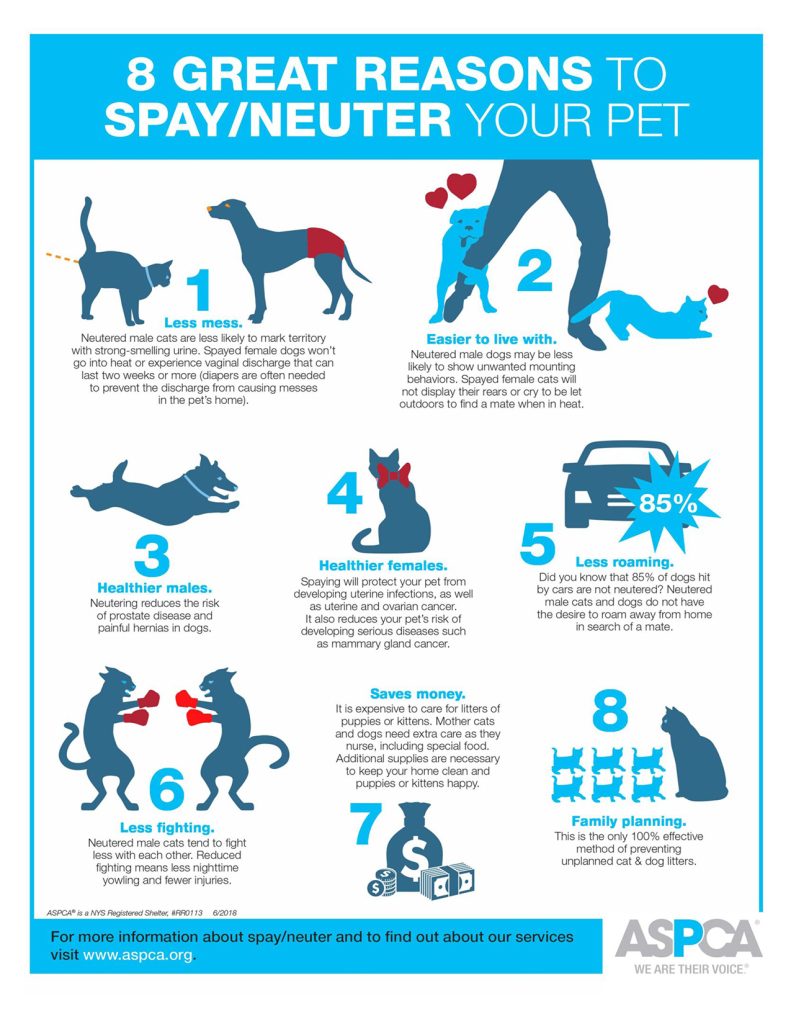
Neutering a dog often leads to clear behavioral improvements. These changes help both the dog and the owner live more peacefully together. Many dogs become easier to manage and show fewer problematic behaviors.
Decreased Aggression
Neutered dogs tend to show less aggression toward other animals and people. This happens because the surgery lowers testosterone levels. Lower testosterone reduces fights and territorial behavior. Dogs become less likely to snap or growl over small issues.
Reduced Marking And Roaming
Male dogs usually mark their territory by urinating in many places. Neutering lowers this urge. Dogs also roam less in search of mates. Staying closer to home keeps dogs safer and reduces stress for owners.
Calmer Temperament
Neutered dogs often have a calmer and more relaxed nature. They are less excitable and more focused. This change makes training easier and daily life more enjoyable. Calm dogs fit better in family environments.
Less Anxiety And Stress
Neutering can reduce anxiety and stress in dogs. Without the drive to find a mate, dogs feel more secure. This leads to fewer nervous behaviors like pacing or barking. A stress-free dog is a happier dog.
Population Control
Population control through neutering plays a crucial role in managing the number of dogs in communities. It helps prevent unwanted litters, which can lead to countless stray animals struggling for survival. By choosing to neuter your dog, you actively contribute to a healthier, more manageable pet population.
Fewer Stray Animals
Neutering your dog reduces the chance of accidental pregnancies that often result in stray puppies. Stray animals face harsh conditions like hunger, disease, and danger from traffic or other animals. Fewer stray dogs mean safer streets and better well-being for both animals and people.
Reduced Shelter Overcrowding
Shelters often struggle with too many incoming dogs, many of which could have been prevented through neutering. Overcrowded shelters can’t provide adequate care, causing stress and health issues for the animals. When you neuter your dog, you help lower the number of dogs entering shelters, giving them a better chance at finding loving homes.
Decreased Euthanasia Rates
Sadly, many shelters must euthanize healthy dogs due to limited space and resources. By reducing the number of unwanted puppies through neutering, fewer dogs end up in this heartbreaking situation. Could your decision to neuter be the key to saving a life?
Credit: southeastoakvillevet.ca
Financial Advantages
Neutering your dog can lead to significant financial benefits that you might not have considered before. Beyond the health and behavioral perks, neutering often results in lower ongoing expenses. This means more money saved in your pocket while ensuring your dog lives a healthier, happier life.
Lower Veterinary Costs
Neutered dogs generally require fewer vet visits over their lifetime. They are less prone to certain illnesses, such as testicular cancer and prostate problems, which can be costly to treat. Imagine avoiding emergency vet bills that could easily run into hundreds or even thousands of dollars.
Preventive care is often cheaper than treatment. By neutering your dog, you reduce the risk of expensive surgeries or long-term medication. This simple procedure can cut down your vet costs dramatically over time.
Fewer Behavioral Training Expenses
Neutered dogs tend to display fewer aggressive and territorial behaviors. This often means you won’t need to spend extra money on professional trainers or behaviorists. Have you ever paid for training sessions to curb your dog’s mounting or roaming habits?
Reducing these challenging behaviors can save you from costly damages or even legal fees if your dog causes harm. You might find that a calm, well-behaved dog saves you money on repairs, replacements, and fines. Investing in neutering can prevent many of these unnecessary expenses.
Timing And Recovery
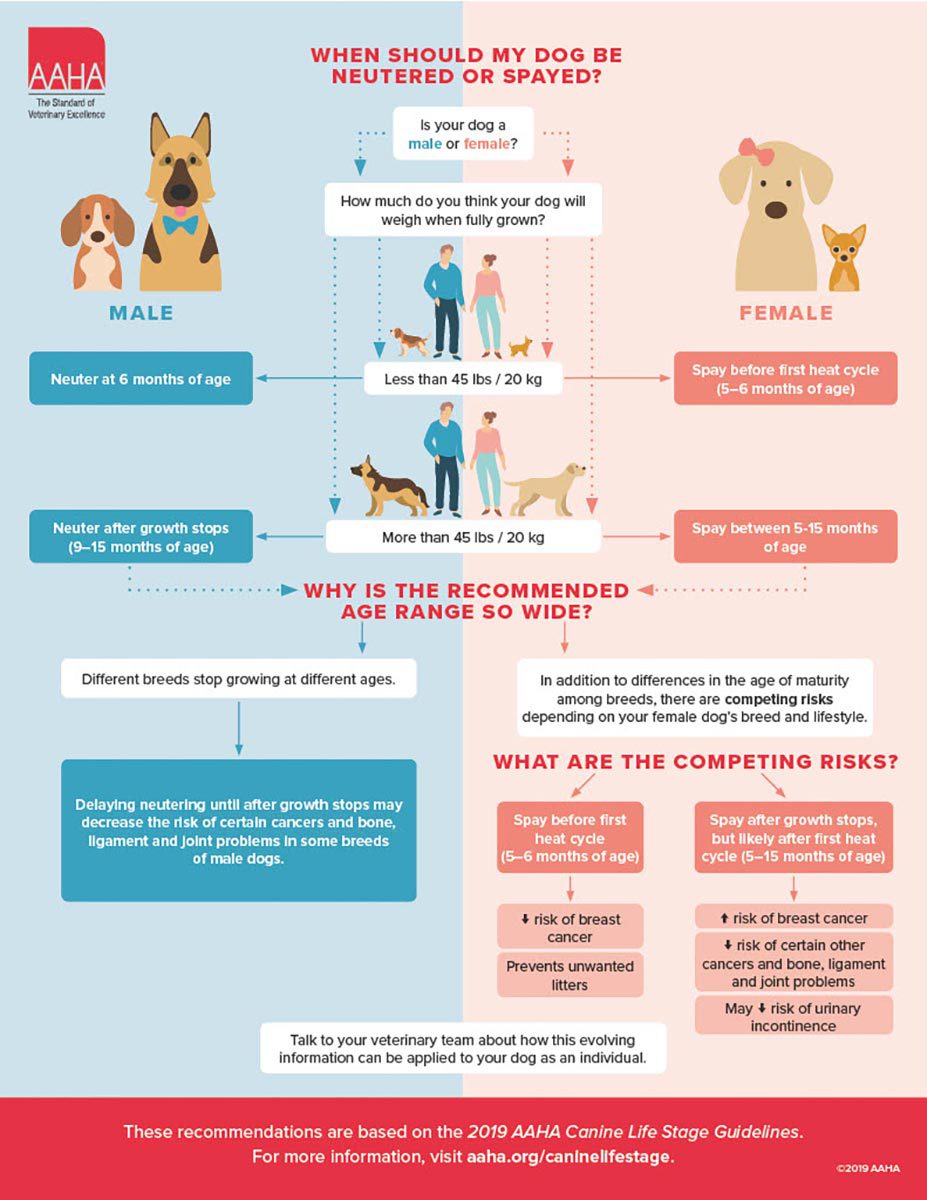
Choosing the right time for neutering your dog affects the entire process. Timing impacts recovery and long-term health. Understanding when to neuter helps your dog heal faster and stay healthy.
Best Age For Neutering
Most vets recommend neutering between six and twelve months of age. This age allows your dog to grow enough but avoids early health risks. Smaller breeds may benefit from earlier neutering. Larger breeds sometimes need to wait longer for full bone growth.
Neutering too early might affect development. Waiting too long can lead to unwanted behaviors and health issues. Talk to your vet to pick the best time for your dog.
Post-surgery Care Tips
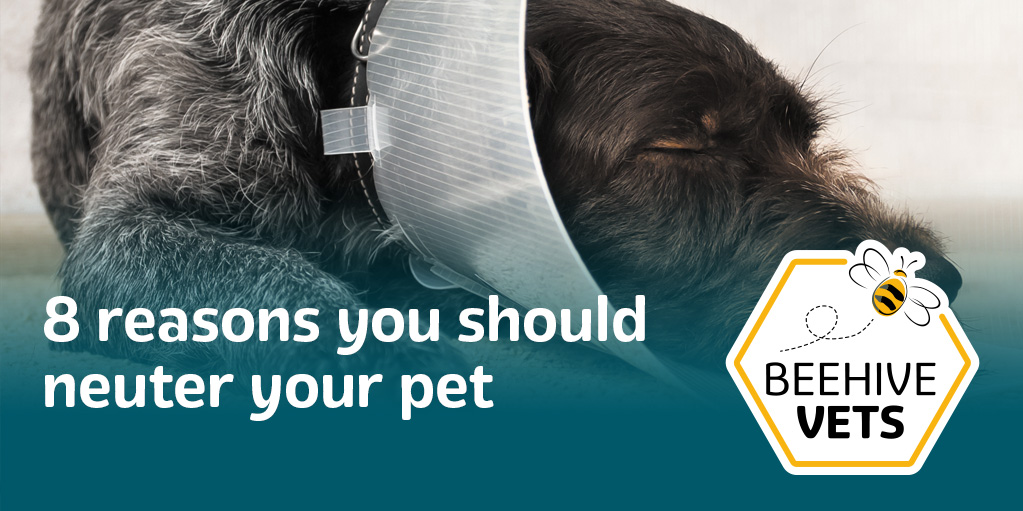
After surgery, your dog needs calm and quiet rest. Limit activity for at least 10 to 14 days. Avoid running, jumping, or playing hard during this time. Check the incision site daily for redness or swelling.
- Keep the wound clean and dry.
- Use an Elizabethan collar to stop licking.
- Follow vet instructions on pain relief and antibiotics.
- Offer small, frequent meals as your dog recovers.
- Watch for signs of infection or unusual behavior.
Good care speeds healing and reduces complications. Your dog will soon return to full health with proper attention.
Credit: www.beehivevets.co.uk
Frequently Asked Questions
Why Should I Neuter My Dog?
Neutering your dog can prevent unwanted litters and reduce overpopulation. It also helps in curbing certain behavioral issues like aggression and roaming. Additionally, neutering lowers the risk of some cancers and prostate problems, contributing to your dog’s long-term health and well-being.
Does Neutering Affect A Dog’s Behavior?
Yes, neutering can influence your dog’s behavior positively. It often reduces aggression, marking, and roaming tendencies. These changes contribute to a calmer and more manageable pet. However, individual results may vary, and training is still essential for behavioral development.
What Is The Best Age To Neuter A Dog?
The ideal age to neuter a dog is typically between six to nine months. However, this can vary based on breed, size, and health conditions. It’s best to consult your veterinarian to determine the most appropriate timing for your specific dog.
Are There Health Benefits To Neutering A Dog?
Yes, neutering offers several health benefits for your dog. It reduces the risk of testicular cancer and prostate diseases. Additionally, it can prevent certain infections and hormonal disorders, promoting a longer, healthier life for your pet.
Conclusion
Neutering your dog brings many health and behavior benefits. It helps reduce the risk of certain cancers and infections. Your dog may become calmer and less aggressive. It also prevents unwanted puppies and helps control pet overpopulation. Neutered dogs often live longer, healthier lives.
This small surgery can make a big difference. Choosing to neuter shows care and responsibility. Your dog will thank you with a happier life. Consider neutering as a step toward better pet care.

Emily Barker is the founder of ChillDogLife.com, a space dedicated to helping pup parents discover the best dog products, lifestyle tips, and cozy ideas for happier homes.
A lifelong dog lover, Emily combines her passion for pets with a knack for research to share trusted recommendations on everything from toys and furniture to health and everyday care.
Her goal is simple: to make life easier, stylish, and more joyful for dogs and the people who love them.




