Have you ever wondered if neutering your dog could actually be good for their health? It’s a big decision that many pet owners face, and understanding the real benefits can help you make the best choice for your furry friend.
Neutering isn’t just about preventing puppies—it can have a positive impact on your dog’s well-being in surprising ways. Keep reading to discover how this simple procedure might protect your dog from serious health issues and improve their quality of life.
You owe it to your loyal companion to know all the facts before making this important decision.
Credit: zigly.com
Health Benefits Of Neutering
Neutering your dog offers more than just population control; it brings several health benefits that can improve your pet’s quality of life. Understanding these benefits can help you make a more informed decision for your furry friend.
Reduced Risk Of Certain Cancers
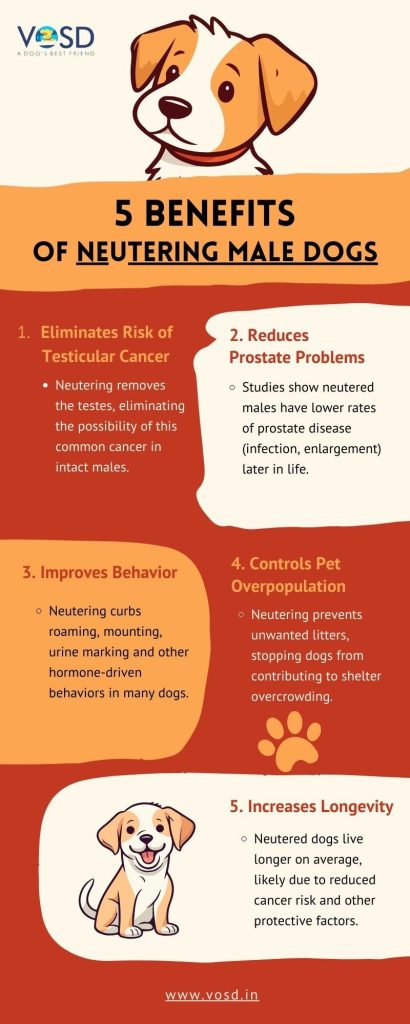
Neutering significantly lowers the chances of your dog developing testicular cancer. Since the testicles are removed during the procedure, the risk is eliminated entirely.
Additionally, neutering can reduce the risk of prostate diseases, including some cancers. This protective effect can keep your dog healthier as he ages.
Prevention Of Reproductive Diseases
Neutering helps prevent infections like prostatitis, which can cause painful swelling and discomfort. These infections often require extensive treatment and can affect your dog’s overall well-being.
By neutering, you also reduce the risk of benign prostatic hyperplasia, a common condition in unneutered males that can lead to urinary difficulties.
Impact On Life Expectancy
Studies show that neutered dogs tend to live longer than their intact counterparts. The reduced risk of certain cancers and reproductive diseases contributes to this increased lifespan.
Have you considered how neutering might add years to your dog’s life? Taking this step could mean more time to create memories with your loyal companion.
Behavioral Changes After Neutering
Neutering your dog can lead to noticeable changes in their behavior. These shifts often improve your dog’s quality of life and make living together easier. Understanding what to expect helps you support your dog through this transition.
Decrease In Aggression
Neutering often reduces aggressive behaviors linked to hormones, especially in male dogs. You might notice fewer growls, snaps, or fights with other dogs. This change can make walks and social interactions safer and less stressful for both of you.
Have you experienced tension with your dog around other pets? After neutering, many owners report a calmer response in situations that previously triggered aggression.
Reduction In Marking And Roaming
Neutered dogs tend to mark less inside and outside the home. This means fewer unpleasant surprises on your carpet or furniture. They are also less likely to roam far in search of a mate, reducing the risk of accidents or getting lost.
Think about how much easier life gets when your dog stays close by and respects your space. This behavioral change can save you worry and keep your dog safer.
Calmer Temperament
Many owners notice their dogs become more relaxed and less excitable after neutering. Your dog may show less anxiety and have an easier time focusing during training or playtime. This calmer attitude helps build a stronger bond between you.
Imagine your dog responding to commands with more patience and less hyperactivity. That improved temperament makes everyday moments more enjoyable for both of you.
Potential Health Risks
Neutering a dog has many benefits, but it can also bring some health risks. Understanding these risks helps pet owners make informed decisions. Some issues may arise after surgery, affecting your dog’s well-being.
Possible Weight Gain
Neutered dogs often have a slower metabolism. This change can lead to weight gain if food intake is not adjusted. Extra weight increases stress on joints and organs. Monitoring diet and exercise is essential to prevent obesity.
Risk Of Joint Disorders
Neutering before full growth may increase joint disorder risks. Conditions like hip dysplasia and cranial cruciate ligament tears can develop. These problems cause pain and mobility issues. Proper timing of neutering and breed considerations matter.
Other Medical Concerns
Some studies link neutering to higher risks of certain cancers. These include osteosarcoma and hemangiosarcoma in some breeds. Urinary incontinence is another possible issue in female dogs. Regular vet check-ups can catch problems early.
Age And Timing Considerations
Neutering a dog involves important timing choices. The age at neutering can affect health and behavior. Owners and vets must weigh benefits and risks carefully. Understanding the right timing helps in making the best decision for your dog’s well-being.
Best Age For Neutering
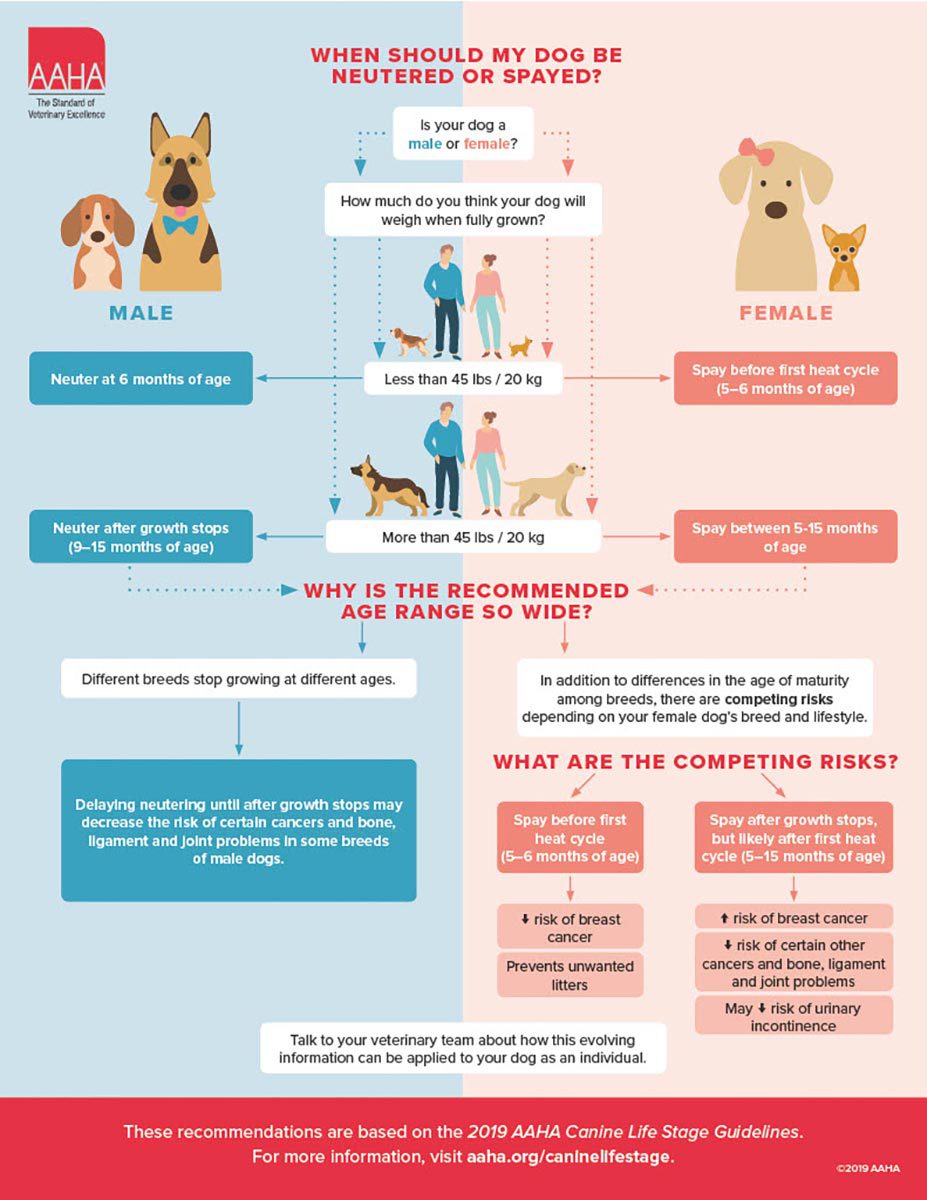
Most vets recommend neutering between six and nine months old. At this age, dogs are mature enough for surgery but not fully grown. Neutering too early may affect bone development. Waiting too long can increase risks of unwanted behaviors and health issues.
Small breeds often mature faster. They may benefit from earlier neutering. Large breeds grow slower and might need delayed neutering. This timing supports proper joint and bone growth. The best age depends on breed, size, and health.
Early Vs. Late Neutering Effects
Early neutering can reduce risks of some cancers and infections. It also prevents unwanted litters and reduces roaming behavior. Yet, it might increase the chance of joint problems in big dogs. Late neutering lowers joint risks but may raise cancer risks.
Late neutering might not control some behaviors well. Dogs neutered later may show more marking or aggression. Early neutering lowers these behaviors but can affect growth. Each choice has trade-offs to consider carefully.
Neutering And Population Control
Neutering dogs plays a key role in controlling their population. It stops unwanted litters and helps manage the number of stray dogs. This control prevents many health and safety problems in communities. Neutering is a practical step that benefits both pets and people.
Reducing Stray Dog Numbers
Neutering reduces the number of stray dogs on the streets. Without neutering, dogs reproduce rapidly, increasing stray populations. Stray dogs often face hunger, illness, and accidents. Neutering lowers these risks by limiting births.
Fewer stray dogs mean less competition for food and shelter. It also reduces the spread of diseases among animals. Neutered dogs are less likely to roam, which helps keep neighborhoods safer.
Community Health Impact
Controlling dog populations improves public health. Stray dogs can carry diseases like rabies that threaten humans and animals. Neutering helps reduce these health risks by lowering stray dog numbers.
Communities with fewer strays see fewer dog bites and attacks. This creates a safer environment for children and adults. Neutering also cuts costs for animal control and shelter care.
Myths And Facts About Neutering
Neutering dogs often sparks many debates filled with half-truths and assumptions. Separating fact from fiction is essential to make the best choice for your pet’s health and well-being. Let’s clear up some common myths and highlight what science actually says about neutering.
Common Misconceptions
Many believe neutering will make a dog lazy or overweight. While activity levels can change, neutering itself doesn’t cause obesity; diet and exercise do. Another myth is that neutering will make male dogs less protective or less loyal. In reality, neutering doesn’t change a dog’s basic personality or bond with you.
Some worry neutering will cause behavior problems, like aggression or anxiety. However, research shows neutering often reduces aggressive tendencies, especially those linked to testosterone. Have you noticed how some unneutered dogs roam or mark territory excessively? Neutering typically curbs these behaviors.
Evidence-based Insights
Studies confirm neutering lowers the risk of certain cancers, such as testicular cancer in males and mammary tumors in females. It also prevents uterine infections and unwanted pregnancies, which can be life-threatening. These health benefits often translate into a longer, healthier life for your dog.
However, timing matters. Early neutering can slightly increase the risk of some joint disorders in large breeds. Discussing the best age to neuter with your vet ensures you balance health benefits and risks. Have you asked your vet about the optimal timing for your dog’s breed and size?
Understanding these facts helps you make informed decisions. Don’t let myths cloud your judgment when it comes to your dog’s health. What concerns do you have about neutering your dog? Talking openly with your vet can clarify the best path forward.
Making The Decision
Deciding whether to neuter your dog is a big step that affects both their health and behavior. It’s not just a medical choice; it’s a lifestyle decision that impacts your dog’s daily life and well-being. Taking time to weigh the pros and cons helps you make the best choice for your furry friend.
Consulting Your Veterinarian
Your veterinarian is your best resource when thinking about neutering. They can explain how the procedure might benefit your dog’s health, such as reducing risks of certain cancers and infections. They will also discuss potential risks based on your dog’s breed, age, and current health status.
Ask specific questions about recovery time and any special care your dog might need after the surgery. Sharing your dog’s medical history helps the vet tailor their advice to your situation. Have you thought about how your dog handles medical visits and procedures? That’s important to consider for a smooth experience.
Considering Your Dog’s Lifestyle
Think about how your dog spends their days. Is your dog mostly indoors or do they roam freely outside? Dogs with access to other animals may benefit more from neutering to prevent unwanted litters and reduce roaming behavior.
Also, consider your dog’s activity level and temperament. Neutering can sometimes calm aggressive or overly energetic dogs, but the effect varies. How might changes in your dog’s behavior affect your daily routine and interactions?
Understanding your dog’s lifestyle helps you predict how neutering will fit into their life and yours. It’s about choosing what supports your dog’s happiness and health in the long run.

Credit: 4pawsclinic.org
Credit: southeastoakvillevet.ca
Frequently Asked Questions
What Are The Health Benefits Of Neutering A Dog?
Neutering reduces risks of certain cancers like testicular and prostate cancer. It also prevents infections and hormone-related diseases. Overall, it promotes a longer, healthier life for your dog.
Does Neutering Prevent Behavioral Problems In Dogs?
Yes, neutering often reduces aggressive and territorial behaviors. It can decrease marking, roaming, and mounting tendencies. This leads to a calmer and more manageable pet.
At What Age Is Neutering Most Beneficial For Dogs?
Neutering is usually best between 6 to 12 months. Early neutering can prevent health and behavioral issues. Always consult your vet for the ideal timing.
Can Neutering Affect A Dog’s Weight Or Metabolism?
Neutering may lower metabolism slightly, increasing weight gain risk. Proper diet and exercise are essential to maintain a healthy weight post-surgery.
Conclusion
Neutering offers several health benefits for dogs. It reduces the risk of certain cancers. Behavioral issues often improve, too. Less aggression. Fewer roaming incidents. This surgery can enhance a dog’s quality of life. It leads to a calmer, more content pet.
Consider neutering for your dog’s health. Discuss with your vet for advice. Your dog deserves a healthy, happy life. Make informed decisions. Your furry friend will thank you.

Emily Barker is the founder of ChillDogLife.com, a space dedicated to helping pup parents discover the best dog products, lifestyle tips, and cozy ideas for happier homes.
A lifelong dog lover, Emily combines her passion for pets with a knack for research to share trusted recommendations on everything from toys and furniture to health and everyday care.
Her goal is simple: to make life easier, stylish, and more joyful for dogs and the people who love them.




