
Is your senior dog acting differently lately? You might notice changes in how they behave, and it can be confusing or even worrying.
Understanding your older dog’s behavior is key to keeping them happy and healthy. You’ll discover the common signs to watch for and simple ways to support your furry friend as they age. Keep reading to learn how to make these golden years the best ones yet for your loyal companion.
Common Behavior Changes
Senior dogs often act differently as they age. Their behavior changes can show how they feel and what they need.
Knowing these changes helps owners give better care and comfort to their older pets.
Reduced Energy Levels
Older dogs usually have less energy than when they were young. They may not run or play as much.
This drop in energy is normal but can also show joint pain or health problems. Watch your dog’s movements closely.
Increased Anxiety
Senior dogs can feel more nervous or scared. Loud noises or new places may upset them easily.
They might bark more or hide. This anxiety can come from changes in their senses or health.
Changes In Social Interaction
Older dogs might want to be alone more often. They may not enjoy meeting new dogs or people.
Some senior dogs become more clingy and seek comfort from their owners. Their social needs change with age.
Altered Sleeping Patterns
Senior dogs often sleep more during the day. Their nights may also be restless or full of waking up.
These changes are common but can affect their mood and health. Keep a quiet space for your dog to rest.
Health Factors Affecting Behavior
Senior dogs often show changes in behavior due to health issues. These changes can confuse owners if they do not know the reasons behind them.
Understanding the health factors helps in caring for older dogs better. It also improves their comfort and quality of life.
Pain And Discomfort
Older dogs can feel pain from arthritis or injuries. Pain makes them less active and may cause grumpiness.
They might growl or snap if touched in sore areas. Sometimes, they hide or avoid moving to reduce pain.
Cognitive Decline
Senior dogs can suffer from memory loss or confusion. This is similar to dementia in humans.
They may forget commands or get lost in the house. Changes in sleep patterns and anxiety are common.
Sensory Loss
Hearing and sight often weaken as dogs age. This loss changes how they respond to their environment.
They may not hear calls or see people clearly. This can make them startle easily or seem less interested.
Medication Side Effects
Senior dogs often take medicine for health problems. Some medicines can affect their mood or behavior.
Side effects include drowsiness, restlessness, or loss of appetite. Watch your dog closely and tell the vet about changes.
Recognizing Signs Of Distress
Senior dogs may show signs of distress as they age. These signs help us understand their needs.
Knowing these behaviors can help you provide better care and comfort for your older dog.
Aggression Or Irritability
Older dogs can become more aggressive or irritable. This might be due to pain or confusion.
- Growling or snapping when touched
- Snapping at family members or other pets
- Guarding food or toys more fiercely
- Less tolerant of handling or grooming
Confusion And Disorientation
Confusion is common in senior dogs. They may get lost or seem unsure of their surroundings.
| Behavior | What it Means |
| Wandering aimlessly | Lost sense of direction |
| Staring at walls | Confused or distracted |
| Not recognizing family | Memory loss |
| Difficulty finding doorways | Spatial disorientation |
Excessive Vocalization
Senior dogs may bark, whine, or howl more than usual. This shows they feel stressed or in pain.
Common causes of vocalization include:
- Loneliness or anxiety
- Confusion or dementia
- Physical discomfort or pain
- Need for attention or help
Loss Of House Training
Older dogs might forget house training and have accidents inside the home.
- Frequent urination or defecation indoors
- Inability to hold bladder for long
- Confusion about where to go
- Changes in routine or schedule
Credit: www.dwdogtraining.com
Adjusting Your Care Routine
Senior dogs need special care to stay healthy and happy. Changing your routine helps them feel comfortable.
Focus on diet, exercise, living spaces, and vet visits. These changes support their aging needs.
Diet And Nutrition
Older dogs have different nutrition needs than younger dogs. Their metabolism slows down, so they need fewer calories.
- Choose foods with high-quality protein
- Include fiber to support digestion
- Limit fat to avoid weight gain
- Provide vitamins and minerals for joints
Exercise Modifications
Senior dogs still need exercise, but it should be gentle. Avoid long runs or hard play.
- Shorter walks several times a day
- Slow pace to prevent strain
- Light play with soft toys
- Swimming or water therapy if possible
Comfortable Living Spaces
Make your home easy for your senior dog to move around in. Keep their bed warm and soft.
| Area | Tips |
| Sleeping | Orthopedic bed to support joints |
| Flooring | Non-slip rugs or mats |
| Access | Ramps for stairs or furniture |
| Temperature | Keep rooms warm and draft-free |
Regular Vet Checkups
Senior dogs need checkups to catch health problems early. These visits help keep them comfortable.
- Schedule vet visits every 6 months
- Monitor weight and behavior changes
- Keep vaccinations and dental care up to date
- Discuss pain management if needed
Training Tips For Senior Dogs
Training senior dogs requires patience and kindness. Older dogs learn differently than puppies.
Adjust your approach to fit their age and health. Keep training sessions short and positive.
Positive Reinforcement
Positive reinforcement encourages good behavior with rewards. Use treats, praise, or pets.
This helps senior dogs feel happy and motivated. Avoid harsh corrections that cause stress.
- Give small treats for correct actions
- Use a gentle voice to praise
- Pet your dog to show affection
Gentle Commands
Use soft and clear commands. Avoid loud or fast words that may confuse your dog.
Speak slowly and calmly. Repeat commands as needed with a gentle tone to help understanding.
- Keep commands short and simple
- Use the same words each time
- Pair commands with hand signals
Patience And Consistency
Senior dogs may take longer to learn. Stay patient and do not rush training sessions.
Consistent rules and routines help dogs understand what you want. Repeat lessons often.
- Train at the same time daily
- Use the same commands and signals
- Give your dog time to respond
Mental Stimulation Activities
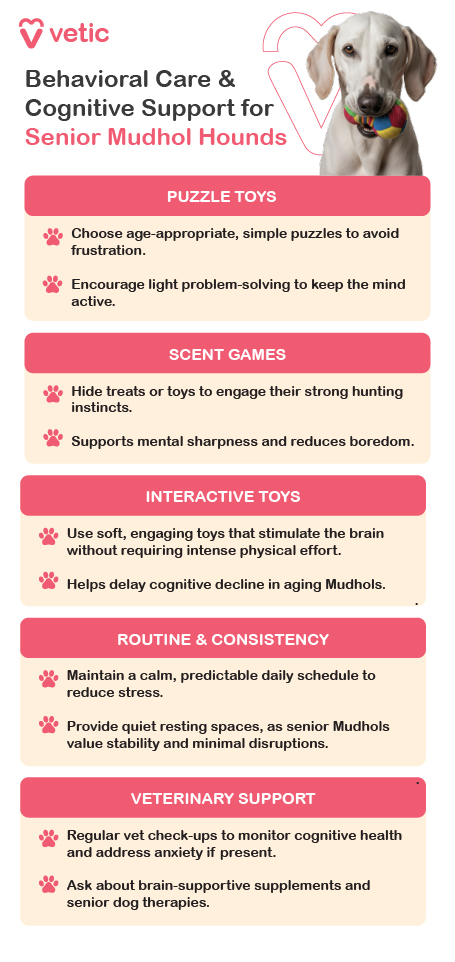
Keep your senior dog’s mind active with fun exercises. Mental work helps slow aging effects.
Try simple puzzles or scent games. These activities improve focus and reduce boredom.
- Use treat puzzles or toys
- Hide treats for scent searching
- Practice basic obedience commands
Credit: vetic.in
When To Seek Professional Help
Senior dogs can change as they age. Sometimes, these changes worry owners. It is important to know when to get help.
Some behaviors may need a professional’s advice. If your dog seems anxious, aggressive, or confused, it might be time to seek help.
Behavioral Therapy Options
Behavioral therapy can help senior dogs. Experts can teach dogs new ways to behave. This can reduce stress and improve their lives.
Therapists use gentle methods to help dogs. They focus on positive reinforcement and patience. This approach helps dogs learn better habits.
Veterinary Specialists
Veterinary specialists know a lot about senior dog health. They can check for medical issues affecting behavior. Specialists offer tests and treatments to help dogs feel better.
They work with your regular vet to give the best care. This team approach ensures your dog gets all the help it needs.
Medication Considerations
Sometimes, medicine can help senior dogs. Vets can prescribe medication to ease anxiety or pain. This can improve a dog’s mood and behavior.
Always talk to your vet about medicine risks. They will guide you on safe options for your dog.
Support Groups For Owners
Support groups help dog owners share experiences. They offer advice and comfort. Joining a group can make you feel less alone.
Online forums or local meetups are great places to start. They connect you with others who understand senior dog challenges.
- Learn from others facing similar issues
- Get tips on managing dog behavior
- Find emotional support during tough times
Credit: www.dwdogtraining.com
Frequently Asked Questions
What Are Common Behavior Changes In Senior Dogs?
Senior dogs often show reduced energy, increased sleep, and less playfulness. They may also become more anxious or confused due to aging.
How Does Aging Affect A Dog’s Social Behavior?
Older dogs may become less social and prefer solitude. They might also show irritability or decreased tolerance toward other pets and strangers.
Why Do Senior Dogs Show Increased Anxiety?
Anxiety in senior dogs often stems from cognitive decline or sensory loss. Changes in environment or routine can also trigger stress.
How To Manage Aggression In Aging Dogs?
Identify triggers like pain or confusion. Provide a calm environment, regular vet checkups, and gentle training to reduce aggression.
Conclusion
Senior dogs show unique behaviors that need gentle care. Watch for changes in their mood and energy. Give them quiet time and soft places to rest. Keep their routine steady to help them feel safe. Small signs can tell you when they need help.
Loving attention makes their golden years happy. Understanding senior dog behavior helps you support them well. Enjoy every moment with your loyal friend.

Emily Barker is the founder of ChillDogLife.com, a space dedicated to helping pup parents discover the best dog products, lifestyle tips, and cozy ideas for happier homes.
A lifelong dog lover, Emily combines her passion for pets with a knack for research to share trusted recommendations on everything from toys and furniture to health and everyday care.
Her goal is simple: to make life easier, stylish, and more joyful for dogs and the people who love them.




