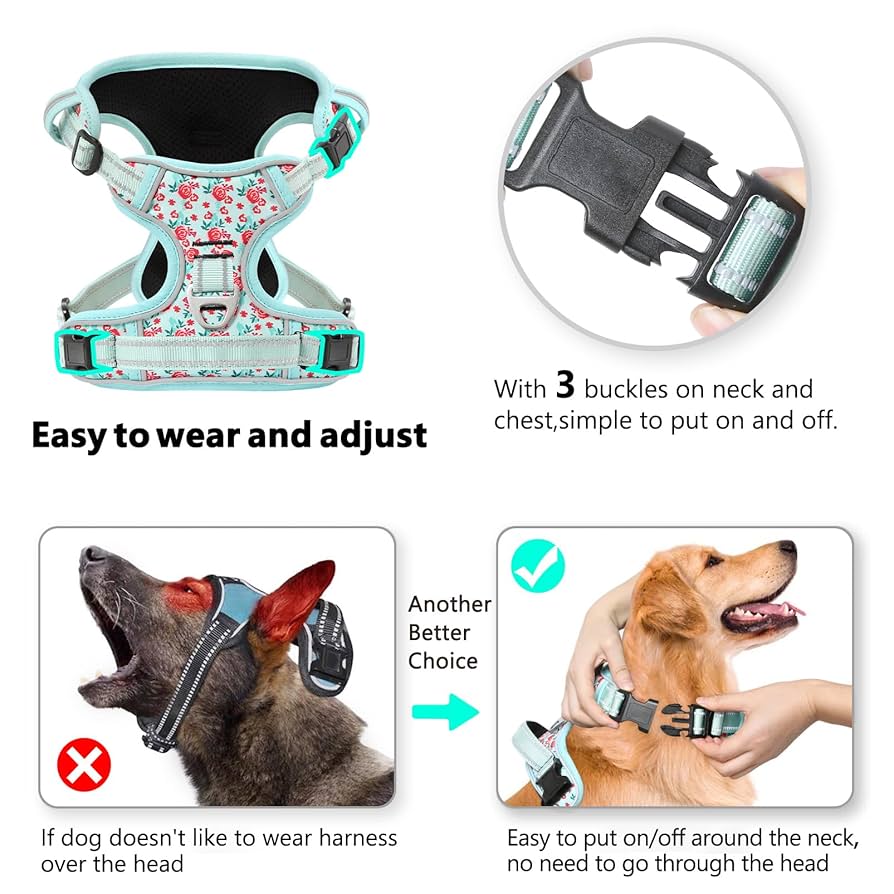
If you want your dog to be safe and comfortable during walks, learning how to use a dog harness is a game-changer. You might think a collar is enough, but a harness can give you better control and protect your furry friend from strain or injury.
In this guide, you’ll discover simple steps to choose, fit, and use a harness the right way. Keep reading, and you’ll soon enjoy stress-free walks with your dog that both of you will look forward to.
Choosing The Right Harness
Choosing the right dog harness is key to your dog’s comfort and safety. The right fit helps control your dog without causing pain or discomfort. It also makes walks more enjoyable for both of you.
Types Of Dog Harnesses
There are several types of dog harnesses. Each serves a different purpose and suits different dogs.
- Back-clip harness:The leash attaches at the back. Good for small or calm dogs.
- Front-clip harness:The leash attaches at the chest. Helps reduce pulling.
- Dual-clip harness:Has both front and back clips. Offers more control options.
- Step-in harness:Easy to put on. Dogs step into it with their legs.
Sizing Your Dog
Proper size is very important. Measure your dog’s chest and neck with a soft tape.
- Chest: Measure the widest part behind the front legs.
- Neck: Measure where the collar usually sits.
Check the harness size chart before buying. Too tight can hurt your dog. Too loose may let your dog slip out.
Material And Comfort
Choose soft, breathable materials to avoid skin irritation. Look for padded straps for extra comfort. Avoid harnesses with rough edges or stiff parts. Lightweight materials work well for long walks. Durable fabric lasts longer, especially for active dogs.
Preparing Your Dog
Begin by letting your dog sniff and explore the harness to feel comfortable. Gently place it on your dog, adjusting straps for a snug but not tight fit. Praise your dog often to create a positive experience with the harness.
Preparing your dog to use a harness can build trust and comfort. It ensures a smooth transition and a pleasant experience for both of you. A well-prepared dog is less likely to resist or feel anxious. Let’s explore some simple steps to prepare your furry friend.Introducing The Harness
Start by showing the harness to your dog. Let them sniff and explore it. Keep the interaction calm and positive. Use a gentle voice to reassure them. Allow your dog to associate the harness with a treat. This builds a positive connection.Positive Reinforcement
Reward your dog when they show interest in the harness. Use small treats or verbal praise. Positive reinforcement encourages good behavior. It makes your dog more willing to cooperate. Repeat this process over several days for best results.Adjusting For Fit
Ensure the harness fits your dog properly. It should be snug but not tight. You should fit two fingers between the harness and your dog’s body. Check that the straps do not rub or cause discomfort. Adjust as needed for a secure and comfortable fit.Putting On The Harness
Putting on a dog harness correctly is key to ensuring your pet’s comfort and safety during walks. A well-fitted harness prevents pulling and reduces strain on your dog’s neck. It also makes leash training more effective and enjoyable for both of you.
Step-by-step Guide
- Choose the right harness:Make sure the harness fits your dog’s size and breed. Check the manufacturer’s sizing chart for accuracy.
- Prepare your dog:Let your dog sniff the harness first. This helps reduce any anxiety or resistance.
- Position the harness:Place the harness on the ground and encourage your dog to step into it with their front legs.
- Adjust the straps:Bring the harness up around your dog’s chest and back. Buckle securely but not too tight—two fingers should fit comfortably between the harness and your dog’s body.
- Check the fit:Ensure the harness doesn’t rub or pinch your dog’s skin. Your dog should be able to move freely without slipping out.
- Attach the leash:Clip the leash to the D-ring on the back of the harness and you’re ready to go!
Taking the time to make these adjustments can turn a stressful harnessing experience into a smooth routine.
Common Mistakes To Avoid
- Too tight or too loose:If the harness is too tight, it can cause chafing or restrict movement. Too loose, and your dog might slip out.
- Incorrect strap placement:Straps placed incorrectly can cause discomfort or even injury. Make sure the chest strap sits low and the back strap rests comfortably behind the shoulders.
- Forgetting to check regularly:Dogs grow and change shape, so recheck the fit regularly. Don’t assume the harness fits forever.
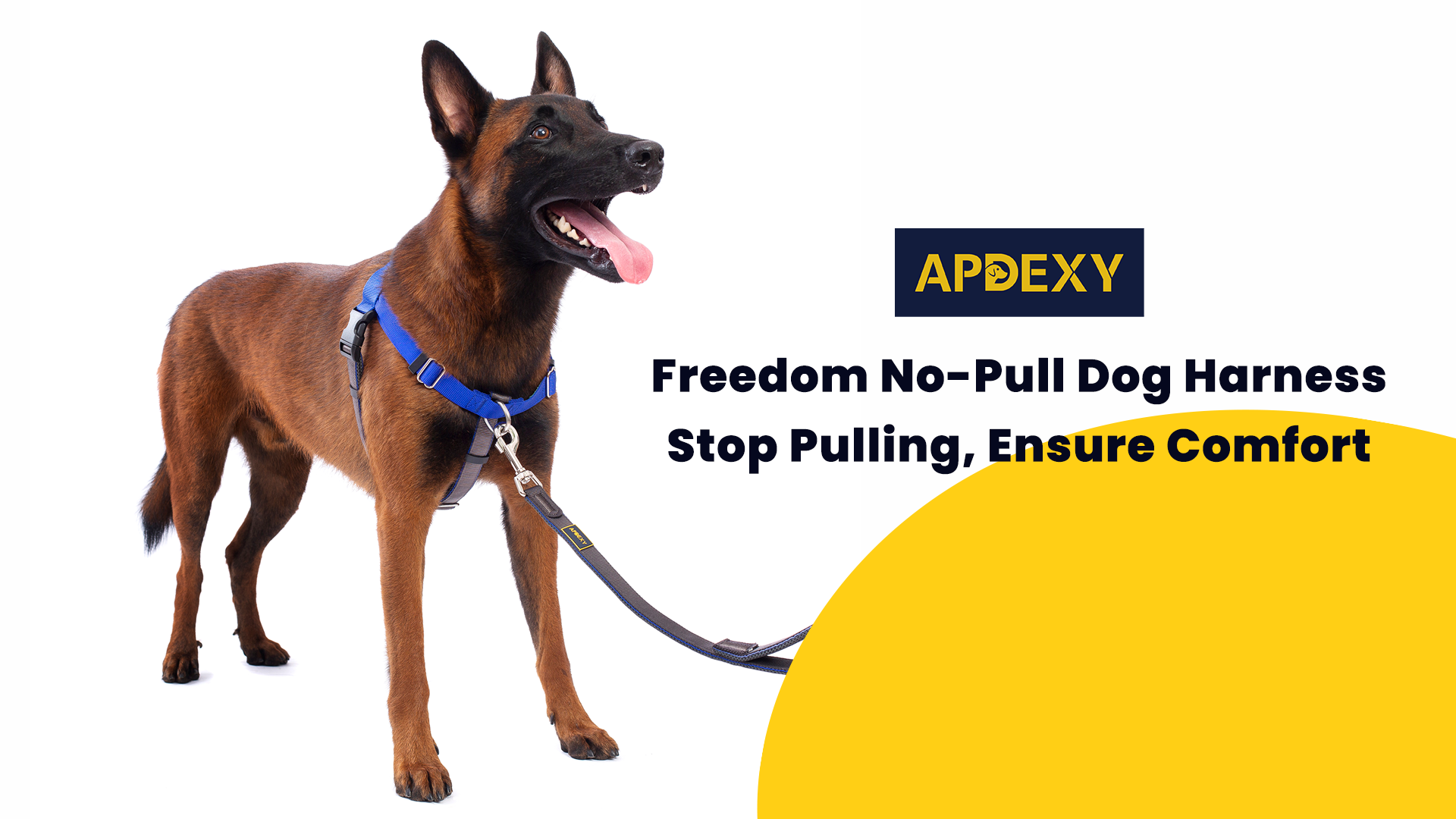
- Using the wrong type of harness:Not all harnesses suit every dog. Front-clip harnesses help with pulling, while step-in harnesses can be easier for some dogs to wear.
Have you ever noticed your dog resisting the harness? It might be due to poor fit or discomfort. Paying close attention to these details makes all the difference.
Credit: www.amazon.com
Walking With The Harness
Walking with a harness can change your daily stroll into a more comfortable and controlled experience for both you and your dog. It offers better support and reduces strain on your dog’s neck compared to a collar. Understanding how to use the harness effectively during walks is key to making the most of its benefits.
Proper Leash Attachment
Always attach the leash to the designated ring on the harness, usually located on the back or chest. This ensures even pressure distribution and prevents choking. Some harnesses come with multiple attachment points; try both to see which gives you better control and comfort for your dog.
Check the clasp before every walk to avoid any surprises. A secure leash connection keeps your dog safe and your walk stress-free.
Encouraging Good Behavior
Use the harness as a tool to guide your dog gently rather than to restrain. Praise your dog when they walk calmly by your side. This positive reinforcement helps them associate the harness with good experiences.
If your dog gets distracted, calmly redirect their attention instead of pulling hard. Small treats or a favorite toy can motivate your dog to stay focused and behave well during the walk.
Handling Pulling And Tugging
If your dog tends to pull, don’t yank the leash; this can cause discomfort and damage trust. Instead, stop walking the moment pulling begins. Wait until the leash slackens before moving forward again.
Try changing directions suddenly if your dog pulls. This unexpected move teaches them to pay attention to your pace and reduces tugging. Have you noticed how a simple change in pace can keep your dog more engaged?
Maintenance And Safety Tips
Proper maintenance and safety checks keep your dog harness reliable and comfortable. A well-kept harness lasts longer and protects your dog during walks. Regular care prevents accidents and discomfort.
Cleaning The Harness
Clean the harness regularly to remove dirt and odors. Use mild soap and warm water for washing. Avoid harsh chemicals that can damage the fabric or irritate your dog’s skin. Rinse thoroughly to remove all soap. Let the harness air dry completely before using it again.
Regular Fit Checks
Check the fit of the harness before every walk. Make sure it is snug but not too tight. You should fit two fingers between the harness and your dog’s body. Adjust the straps as your dog grows or gains weight. A good fit prevents chafing and escaping.
Inspecting For Wear And Tear
Look for signs of damage on the harness regularly. Check straps, buckles, and stitching for fraying or cracks. Replace the harness if any part looks weak or broken. Worn-out harnesses can break and cause accidents. Keep your dog safe by using a strong, intact harness.
Credit: www.businessinsider.com

Credit: store.ezydog.com
Frequently Asked Questions
What Is The Best Way To Fit A Dog Harness?
Measure your dog’s chest and neck before buying a harness. Adjust straps snugly but comfortably. Ensure it doesn’t restrict movement or cause chafing. Proper fitting improves control and comfort during walks.
How Do You Put A Harness On A Dog?
Place the harness over your dog’s head. Position the chest strap between front legs. Fasten buckles securely and adjust straps for a snug fit. Always check for comfort before walks.
Can A Dog Harness Prevent Pulling?
Yes, front-clip harnesses reduce pulling effectively. They redirect your dog’s motion without causing strain. Use consistent training alongside the harness for best results.
When Should I Use A Dog Harness Instead Of A Collar?
Use a harness for dogs with respiratory issues or neck injuries. It provides better control for strong pullers. Harnesses are safer for small breeds prone to tracheal collapse.
Conclusion
Using a dog harness keeps your pet safe and comfortable. It helps you control your dog gently during walks. Choose the right size and fit for your dog’s shape. Practice putting it on calmly to build trust. Remember, patience and consistency work best.
Your dog will enjoy walks more with a good harness. Try different styles to find what suits your dog best. Happy walking!

Emily Barker is the founder of ChillDogLife.com, a space dedicated to helping pup parents discover the best dog products, lifestyle tips, and cozy ideas for happier homes.
A lifelong dog lover, Emily combines her passion for pets with a knack for research to share trusted recommendations on everything from toys and furniture to health and everyday care.
Her goal is simple: to make life easier, stylish, and more joyful for dogs and the people who love them.




