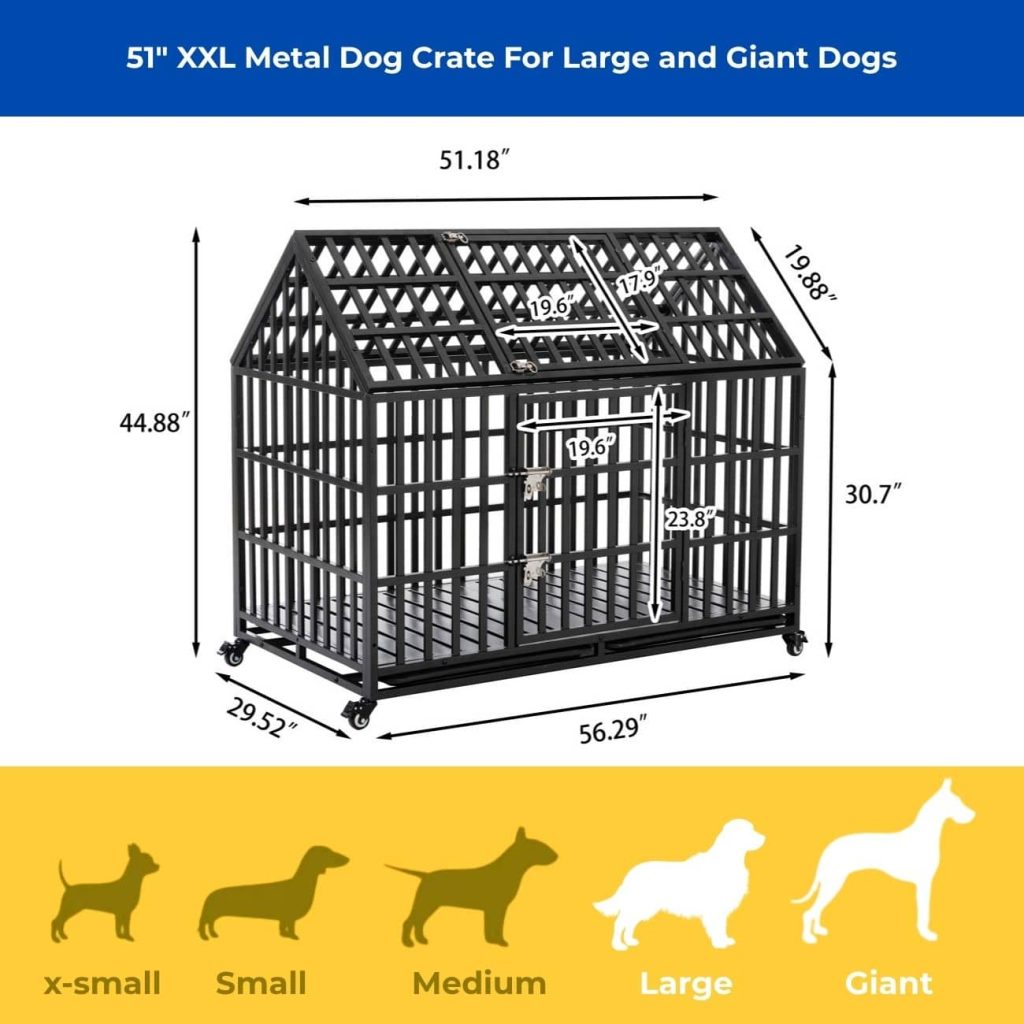
Choosing the right crate size for your dog isn’t just about comfort—it’s about safety and happiness too. If your dog’s crate is too small, they won’t have enough room to move.
If it’s too big, it won’t feel like their cozy den. You might be wondering, “How exactly do I measure my dog to get the perfect crate size? ” Don’t worry, you’re in the right place. This guide will walk you through simple steps to measure your dog correctly, so you can pick a crate that feels just right.
Keep reading, and you’ll make your furry friend’s crate a place they’ll love.
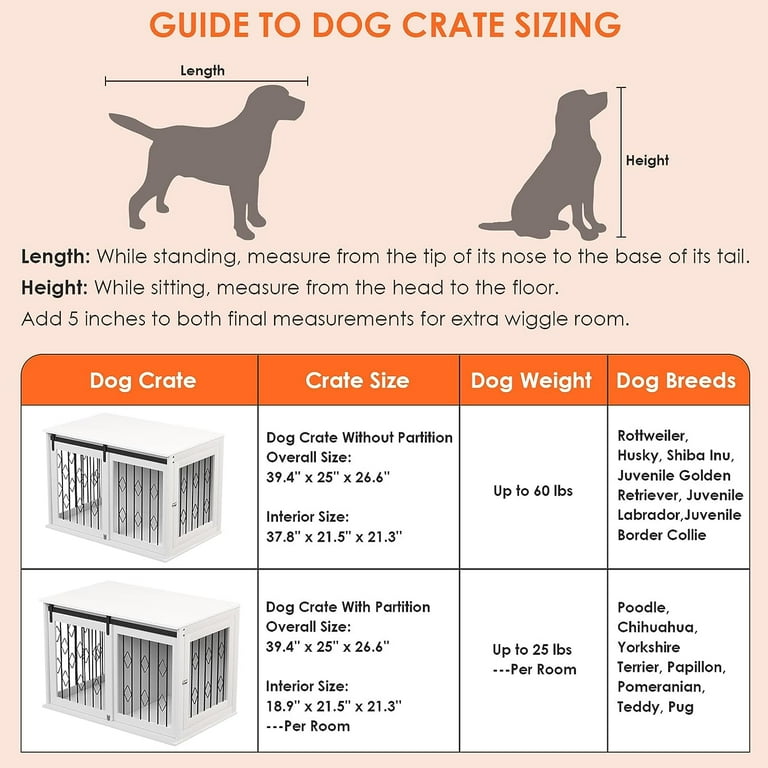
Credit: www.walmart.com
Choosing The Right Crate
Choosing the right crate for your dog is key to their comfort and safety. A crate that fits well feels like a personal space for your pet. It helps with training and travel, making life easier for both of you.
Types Of Dog Crates
Different crates serve different needs. Wire crates offer good ventilation and visibility. Plastic crates provide a cozy, enclosed space. Soft-sided crates are lightweight and easy to carry. Each type suits different dog behaviors and lifestyles.
Why Size Matters
The right size lets your dog stand, turn, and lie down comfortably. Too small makes your dog feel cramped and stressed. Too large can make the dog use one side as a bathroom. Proper size helps keep your dog happy and clean.
Benefits Of A Proper Fit
- Reduces anxiety and stress for your dog
- Makes training easier and more effective
- Improves safety during travel and at home
- Keeps the crate cleaner and more hygienic
- Provides a secure space for your dog to relax
Essential Measurements For Your Dog
Choosing the right crate size for your dog is important. It ensures their comfort and safety. Before buying a crate, you need to measure your dog accurately. These measurements help find the perfect fit. Let’s explore the essential measurements you need.
Measuring Length
Start with your dog’s length. Make sure they are standing. Measure from the tip of the nose to the base of the tail. Do not include the tail in this measurement. Add two to four inches for comfort. This gives your dog enough space to stretch.
Measuring Height
Next, measure your dog’s height. Have your dog stand tall. Measure from the floor to the top of the head. For dogs with erect ears, measure to the top of the ears. Add two to four inches to this measurement. This ensures your dog can stand comfortably in the crate.
Measuring Width
Finally, measure the width. Have your dog sit or stand. Measure across the widest part of the body. This is usually across the shoulders. Adding a few extra inches is a good idea. This allows your dog to turn around easily.
With these measurements, you can select the right crate size. Your dog will have a comfortable and safe space to relax.
Tools Needed For Measuring
Measuring your dog correctly ensures you pick the right crate size. Using the right tools makes the process easy and accurate. You only need a few simple items to get exact measurements. These tools help you measure your dog’s length, height, and width comfortably. Preparing these tools before measuring saves time and avoids mistakes.
Using A Tape Measure
A tape measure is the most common tool for measuring dogs. It is flexible and easy to wrap around your dog’s body. Use a soft cloth tape measure for better comfort and accuracy. Measure your dog’s length from the nose to the base of the tail. Then, measure the height from the floor to the top of the head or ears. Record these numbers to find a crate that fits well.
Alternative Measuring Tools
If you don’t have a tape measure, use other tools like a ruler or a piece of string. Mark the string’s length along your dog’s body, then lay it flat against a ruler. A yardstick or meter stick works for height measurement. You can also use a carpenter’s measuring tape, but be gentle to avoid hurting your dog. These tools can help you get accurate sizes without special equipment.
Step-by-step Measuring Process
Measuring your dog accurately is crucial to finding the perfect crate size. The right measurements ensure your dog is comfortable and safe without wasting space. Let’s walk through a clear process to get those measurements just right.
Preparing Your Dog
Start by helping your dog feel calm and relaxed. A restless dog can make measuring difficult and inaccurate.
Choose a quiet spot where your dog feels secure. Bring treats or a favorite toy to keep them still and cooperative.
Have a helper if possible. One person can keep the dog steady while the other takes measurements, making the process smoother.
Taking Accurate Measurements
Use a soft measuring tape for flexible, precise readings. Avoid rigid rulers that can be uncomfortable or give false numbers.
Measure your dog’s length from the tip of the nose to the base of the tail. This shows how long the crate needs to be.
Next, measure your dog’s height from the floor to the top of the head or ears, whichever is taller. This helps determine crate height.
Don’t forget to measure the width across the widest part of your dog’s body. Your dog should have enough room to turn comfortably.
Recording The Data
Write down each measurement clearly and double-check for accuracy. Keeping a small notebook or phone notes handy can help.
Include the date and any special notes, like if your dog was sitting or standing during measurement. This context can affect crate choice.
Compare your notes with crate size charts from manufacturers. This step ensures you pick a crate that fits your dog perfectly.
Adjusting For Growth And Comfort
Choosing the right crate size means thinking about your dog's growth and comfort. Puppies grow fast, so a crate that fits today might be too small soon. Comfort is key. Your dog should have enough room to stand, turn, and lie down easily. Planning ahead ensures the crate stays useful longer and keeps your dog happy.
Allowing Extra Space
Give your dog extra space for comfort. The crate should be big enough for your dog to move freely. Add a few inches to your dog’s length and height measurements. This space helps your dog stretch and relax. Avoid crates that are too tight or too large. A snug but roomy crate feels like a safe den.
Considering Your Dog’s Age And Breed
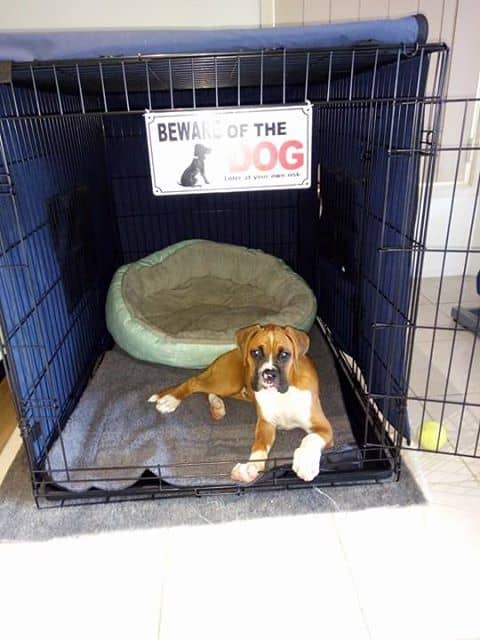
Puppies need room to grow inside their crate. Measure your puppy’s current size and add space for growth. Some breeds grow faster or larger than others. Research your dog’s breed size and growth rate. Larger breeds need more room sooner. Small breeds may need less extra space. Adjust your crate size choice based on these factors.
Credit: www.somerzby.com.au
Matching Measurements To Crate Sizes
Matching your dog’s measurements to the right crate size is essential for comfort and safety. A crate that fits well gives your dog enough space to stand, turn, and lie down comfortably. It also prevents the crate from being too large, which can reduce its effectiveness for training and security.
Use your dog’s length and height measurements as a guide. These help find a crate that suits your dog’s size perfectly. Next, compare these numbers to standard crate sizes or explore custom options for a better fit.
Standard Crate Size Chart
| Dog Size | Height (inches) | Length (inches) | Recommended Crate Size (inches) |
|---|---|---|---|
| Small | 10-15 | 16-20 | 18 x 24 |
| Medium | 16-22 | 21-27 | 24 x 30 |
| Large | 23-28 | 28-34 | 30 x 36 |
| Extra Large | 29-33 | 35-42 | 36 x 48 |
Match your dog’s height and length to the closest crate size in this chart. Choose a crate slightly larger than your dog for comfort.
Custom And Adjustable Crates
Standard sizes may not fit all dogs perfectly. Some breeds need a custom crate size for a better fit. Custom crates are made to your dog’s exact measurements.
Adjustable crates offer flexibility. These crates can change size as your dog grows. They work well for puppies and dogs still growing. Adjustable panels let you create a snug space, then expand it later.
Check the crate’s adjustment options before buying. Make sure the crate can be resized easily and safely. Custom and adjustable crates help your dog feel secure and comfortable.
Tips For A Smooth Measuring Experience
Measuring your dog for the right crate size can be easier with a calm and patient approach. Keeping your dog comfortable helps get accurate measurements. Making the process smooth reduces stress for both you and your pet. Use simple tricks to keep your dog still and cooperative during measuring.
Keeping Your Dog Calm
Choose a quiet place without distractions for measuring. Speak softly and offer gentle pets to relax your dog. Use treats to reward calm behavior and encourage standing still. Take breaks if your dog seems restless or anxious. Keep the mood positive and patient throughout the process.
Getting Help If Needed
Ask a friend or family member to assist with measuring. One person can hold the dog while the other measures. Having an extra pair of hands speeds up the process. Helpers can soothe your dog and keep it focused. Teamwork makes measuring easier and more accurate.

Credit: woodartsupply.com
Frequently Asked Questions
How Do I Measure My Dog For Crate Size?
Measure your dog’s length from nose to tail base. Then, measure height from floor to top of head. Add 2-4 inches to each measurement for comfort. This ensures your dog has enough room to stand, turn, and lie down comfortably inside the crate.
Why Is Accurate Crate Measurement Important?
Proper crate size ensures your dog’s safety and comfort. A crate too small restricts movement and causes stress. Too large a crate may reduce the sense of security. Accurate measurement helps choose the right crate for your dog’s well-being.
What Tools Do I Need To Measure My Dog?
Use a soft measuring tape or a ruler. A helper can make measuring easier. Have your dog stand naturally for accurate measurements. Record length and height carefully to select the right crate size.
Can I Use Weight Instead Of Measurements For Crate Size?
Weight alone is not enough to determine crate size. Dogs of similar weight can have different shapes and lengths. Length and height measurements give a better fit for comfort and safety. Always measure your dog’s dimensions for the best crate size.
Conclusion
Measuring your dog for the right crate size is simple and important. Start by measuring your dog’s length and height carefully. Choose a crate that offers enough space for your dog to stand, turn, and lie down comfortably. The right crate keeps your dog safe and happy.
Taking time to measure ensures a good fit and avoids discomfort. A properly sized crate helps your dog feel secure and relaxed. Remember, a well-fitted crate makes travel and home life easier for both of you.

Emily Barker is the founder of ChillDogLife.com, a space dedicated to helping pup parents discover the best dog products, lifestyle tips, and cozy ideas for happier homes.
A lifelong dog lover, Emily combines her passion for pets with a knack for research to share trusted recommendations on everything from toys and furniture to health and everyday care.
Her goal is simple: to make life easier, stylish, and more joyful for dogs and the people who love them.




