
If you want to keep your dog safe and calm in tricky situations, muzzle training is a skill you can’t overlook. Teaching your dog to wear a muzzle doesn’t have to be stressful for either of you.
With the right approach, you can help your furry friend feel comfortable and secure, making walks and vet visits much easier. In this guide, you’ll discover simple, step-by-step tips to muzzle train your dog gently and effectively. Keep reading to learn how to turn a potentially scary experience into a positive one for your dog—and for you.
Benefits Of Muzzle Training
Muzzle training offers several important benefits for both dogs and their owners. It helps dogs stay calm and safe in many situations. Training your dog to wear a muzzle makes handling easier and less stressful. It also prepares your dog for visits to the vet or groomer. Below are key benefits that show why muzzle training is a smart choice.
Safety For Dogs And People
A muzzle keeps dogs from biting or snapping during scary moments. It protects other people and animals nearby. Dogs can feel less anxious knowing they cannot accidentally hurt anyone. This reduces the chance of accidents. Safety is the top reason many owners choose muzzle training.
Handling Stressful Situations
Stressful places can upset dogs quickly. A muzzle helps control your dog in crowded or noisy areas. It allows you to calm your dog without worry. Handling becomes easier for both the dog and owner. Muzzle training builds trust and reduces fear.
Veterinary Visits And Grooming
Visits to the vet or groomer can be scary for dogs. Some dogs may try to bite out of fear or pain. Wearing a muzzle helps keep everyone safe during exams or grooming. It allows the vet or groomer to work quickly and gently. Muzzle training makes these visits smoother for dogs and people.
Credit: www.biltonvets.co.uk
Choosing The Right Muzzle
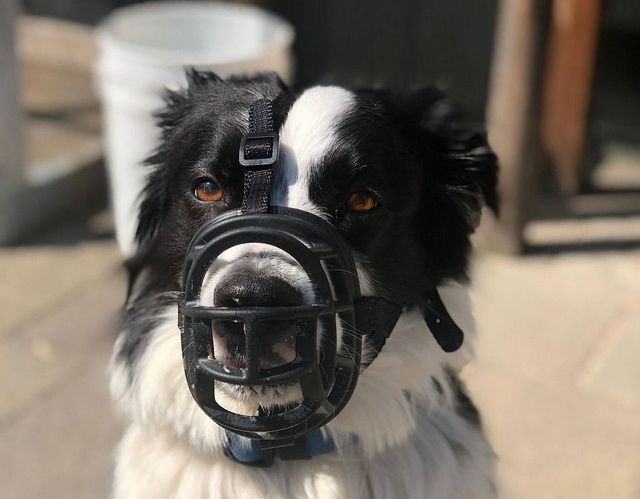
Choosing a muzzle that fits comfortably helps your dog feel safe during training. Soft, breathable materials work best for longer wear. Proper size ensures the dog can pant and drink while wearing the muzzle.
Choosing the right muzzle is crucial for successful muzzle training. It ensures comfort, safety, and effectiveness. An ill-fitting muzzle can cause distress. A well-fitted one helps ease anxiety. Let’s explore how to choose the best muzzle for your dog.Types Of Muzzles
Muzzles come in various styles. Basket muzzles allow dogs to pant and drink. They are ideal for longer wear. Soft muzzles are snug and usually made of fabric. These are for short-term use. Then there are short snout muzzles for breeds with flat faces. Each type serves different needs.Size And Fit
Proper fit is key. Measure your dog’s snout length and circumference. The muzzle should not be too tight or too loose. A snug fit prevents slipping. It also ensures your dog can breathe and pant. Always check the manufacturer’s size guide before buying.Material Considerations
Materials affect comfort and durability. Nylon is lightweight and flexible. Leather offers durability and comfort but needs care. Silicone is soft and easy to clean. Choose according to your dog’s needs and lifestyle. Remember, comfort is as important as safety.Preparing Your Dog
Preparing your dog for muzzle training sets the foundation for a calm and cooperative experience. Dogs can feel uncertain or scared when first introduced to a muzzle, so easing them into the process is key. Your goal is to build trust and comfort gradually, making the muzzle a normal part of your dog’s routine.
Introducing The Muzzle Gradually
Start by simply showing the muzzle to your dog without putting it on. Let your dog sniff and explore it at their own pace. Hold the muzzle near their face for a few seconds and then remove it, repeating this several times over a few days.
Next, try gently touching your dog’s nose with the muzzle’s front without fastening it. This small step helps your dog get used to the feel of the muzzle near their face. Don’t rush this stage; observe your dog’s reaction and give them time to relax.
Positive Associations
Make the muzzle a source of good things. Pair every interaction with the muzzle with something your dog loves, like playtime or a favorite toy. This links the muzzle with positive experiences rather than fear or discomfort.
Think about how you can turn each session into a fun bonding moment. Your calm attitude and gentle voice will reassure your dog that the muzzle isn’t a threat. Have you noticed how your dog reacts differently when you stay relaxed and encouraging?
Using Treats And Praise
Treats are powerful motivators in muzzle training. Give your dog a small, tasty treat every time they allow the muzzle near their face or let you put it on briefly. Keep the treats coming as you increase the muzzle’s wear time.
Combine treats with plenty of verbal praise and petting. Saying “good dog” with enthusiasm helps your dog connect the muzzle to positive feedback. You can even create a special “muzzle treat” that your dog only gets during training sessions to boost excitement.

Credit: www.youtube.com
Step-by-step Training Process
Training your dog to wear a muzzle can seem challenging, but breaking it down into manageable steps makes the process smoother and less stressful for both of you. The key is patience and positive reinforcement. Here’s a clear path to help your dog get comfortable with a muzzle at their own pace.
Initial Exposure
Start by letting your dog see and sniff the muzzle without putting it on. Hold it near their nose and reward them with treats when they show calm curiosity. This helps your dog associate the muzzle with positive experiences rather than fear.
Try placing treats inside the muzzle so your dog steps inside voluntarily. This small action builds trust and reduces resistance. Have you noticed how your dog reacts to new objects? Use that reaction to guide your pace.
Short Wearing Sessions
Once your dog is comfortable sniffing the muzzle, gently put it on for just a few seconds. Immediately reward with praise or treats to make the moment enjoyable. Remove the muzzle before your dog becomes restless.
Repeat these brief sessions several times a day, slowly increasing the time. This gradual approach prevents your dog from feeling trapped or scared. What small wins can you celebrate with your dog each time?
Increasing Duration
After your dog accepts short sessions, extend the muzzle-wearing time by a few seconds daily. Continue offering treats during and after wearing the muzzle to keep motivation high. Watch your dog’s body language closely to avoid signs of stress.
Set small goals like 1 minute, then 3 minutes, then 5 minutes. Moving too fast can backfire, so let your dog set the pace. Have you noticed moments when your dog seems ready to try longer sessions?
Incorporating Daily Activities
Next, put the muzzle on during calm daily activities like walks or feeding. This helps your dog see the muzzle as part of normal life, not a punishment. Keep rewarding good behavior to reinforce positive associations.
Try short walks with the muzzle, gradually increasing distance. Use familiar routines to reduce anxiety and build confidence. How can you make wearing the muzzle part of your dog’s routine without stress?
Common Challenges
Training a dog to wear a muzzle comes with several common challenges. Dogs may resist or show discomfort. Anxiety can arise during the process. Negative experiences might create lasting fear. Understanding these challenges helps trainers manage them well.
Resistance And Discomfort
Many dogs resist wearing a muzzle at first. The feeling can seem strange or tight. Dogs may paw at the muzzle or try to pull it off. This reaction is normal but needs gentle handling. Gradual introduction and positive rewards ease discomfort. Let the dog sniff and explore the muzzle before wearing it. Short sessions build tolerance over time.
Overcoming Anxiety
Some dogs feel anxious about the muzzle. Anxiety shows through whining, shaking, or hiding. Calm voices and slow steps reduce stress. Use treats and praise to create a safe space. Training in quiet areas helps dogs focus better. Keep training sessions short to avoid overwhelming the dog. Patience and consistency lower anxiety gradually.
Avoiding Negative Associations
Negative experiences may cause a dog to fear the muzzle. Never force the muzzle on suddenly. Avoid using the muzzle only for punishment or vet visits. Pair the muzzle with fun activities and treats. Always remove the muzzle gently and reward the dog. Positive associations encourage a willing attitude. This approach leads to easier training and a happier dog.

Credit: www.muzzletrainingandtips.com.au
Maintaining Muzzle Training
Maintaining muzzle training is key to keeping your dog calm and safe. Consistency helps your dog accept the muzzle as a normal part of life. Regular attention to the fit and condition ensures comfort and prevents problems. Dogs grow and change, so adjust the muzzle to match their needs. This ongoing care builds trust and makes muzzle use stress-free.
Regular Practice
Practice using the muzzle daily in short sessions. Let your dog wear it during calm moments. Use treats and praise to create a positive experience. Avoid forcing the muzzle on your dog. Short, gentle practice helps your dog stay relaxed. Gradually increase the time your dog wears the muzzle. This keeps your dog familiar with it over time.
Monitoring Fit And Condition
Check the muzzle fit before every use. It should be snug but not tight. Look for signs of chafing or discomfort. Inspect straps and buckles for wear or damage. Replace parts that show wear immediately. A well-maintained muzzle prevents injuries and discomfort. Clean the muzzle regularly to keep it hygienic. Use mild soap and water, then air dry.
Adjusting For Growth Or Behavior Changes
Watch your dog as it grows or changes behavior. Puppies outgrow muzzles quickly. Measure your dog’s snout regularly for a proper fit. Adjust straps to keep the muzzle secure but comfortable. If your dog shows stress or resistance, rethink your approach. Seek advice from a trainer or vet if needed. Adapt the training to your dog’s needs. This keeps muzzle use safe and effective.
Frequently Asked Questions
How Long Does Muzzle Training Take For Dogs?
Muzzle training usually takes one to two weeks with consistent practice. Short, positive sessions daily help your dog adjust comfortably. Patience and reward-based training ensure success without stress.
Can All Dog Breeds Be Muzzle Trained?
Yes, all dog breeds can be muzzle trained. The key is gradual introduction and positive reinforcement. Tailor training to your dog’s temperament and size for best results.
What Type Of Muzzle Is Best For Training?
A basket muzzle is ideal for training. It allows panting and drinking while preventing biting. Ensure it fits well and feels comfortable for your dog.
How Do I Introduce A Muzzle To My Dog?
Start by letting your dog sniff the muzzle. Reward calm behavior and gradually increase wearing time. Use treats and praise to create a positive association.
Conclusion
Training your dog to wear a muzzle takes time and patience. Start slow and keep sessions short. Use treats and praise to make it positive. Always watch your dog’s comfort and safety. Consistency helps your dog accept the muzzle easily.
Remember, a muzzle is for safety, not punishment. Stay calm and gentle throughout the process. With care, your dog will feel safe and calm while wearing a muzzle. Keep practicing and be patient. Your efforts will lead to a happy, well-trained dog.

Emily Barker is the founder of ChillDogLife.com, a space dedicated to helping pup parents discover the best dog products, lifestyle tips, and cozy ideas for happier homes.
A lifelong dog lover, Emily combines her passion for pets with a knack for research to share trusted recommendations on everything from toys and furniture to health and everyday care.
Her goal is simple: to make life easier, stylish, and more joyful for dogs and the people who love them.




