
Are you passionate about helping dogs and want to turn that passion into a rewarding career? Getting a Dog Behavior Training Certification can open doors you never imagined.
Imagine understanding your furry friend—or any dog—better than ever before, and using that knowledge to change lives. Whether you want to train dogs professionally or simply improve your own pet’s behavior, this certification is your key. Keep reading to discover how this simple step can make a big difference for you and every dog you work with.

Credit: www.etsy.com
Benefits Of Dog Behavior Training Certification
Getting certified in dog behavior training offers many advantages. It helps trainers grow in their career and improve their skills.
This certification also builds trust with clients who want the best care for their pets.
Career Advancement Opportunities
A dog behavior training certification opens doors to new job options. Certified trainers can work with shelters, vet clinics, or start their own business.
- Access higher-paying jobs
- Work in specialized fields
- Gain recognition from employers
Enhanced Training Techniques
Certification teaches proven and safe training methods. Trainers learn to handle different dog behaviors calmly and effectively.
| Technique | Benefit |
| Positive Reinforcement | Builds good habits without fear |
| Behavior Adjustment | Fixes bad habits gently |
| Communication Skills | Improves trainer and dog interaction |
Increased Client Trust
Clients trust certified trainers more. They know these trainers have the right knowledge and skills to help their dogs.
Here are reasons why clients prefer certified trainers:
- Proof of professional training
- Better understanding of dog behavior
- Higher success in training results
- Safe and ethical training methods

Credit: www.animalbehaviourcollege.ca
Key Skills Developed
Dog behavior training certification helps trainers learn key skills. These skills improve how they work with dogs and their owners.
Trainers learn to assess behavior, communicate effectively, and solve problems. This helps them train dogs in a positive way.
Behavioral Assessment
Assessing a dog's behavior is an important skill. Trainers observe how dogs act in different situations.
They look for signs of stress, fear, or happiness. This helps trainers understand the dog’s needs better.
Effective Communication
Good communication is key in dog training. Trainers learn to use clear commands and signals.
They also teach dog owners how to communicate with their pets. This builds a strong bond between dogs and their owners.
Problem Solving Strategies
Trainers face many challenges in dog behavior training. They need problem-solving skills to handle different situations.
They learn techniques to address issues like barking, biting, or anxiety. These strategies help dogs behave better.
- Identify the problem behavior
- Understand the cause of the behavior
- Apply appropriate training techniques
Choosing The Right Certification Program
Getting certified in dog behavior training helps build your skills and trust. Picking the right program is key to your success.
Look closely at each option before you decide. The right choice fits your needs and goals.
Accreditation And Credibility
Choose programs that are accredited by recognized organizations. Accreditation shows the program meets high standards.
Check if the program is well known in the dog training community. This adds value to your certification.
- Look for accreditation from national or international bodies
- Verify the program’s reputation and reviews
- Confirm trainers have proper credentials
Course Content And Duration
The course should cover all key topics in dog behavior and training methods. It needs to be clear and easy to follow.
Check how long the program lasts. It should give enough time to learn and practice skills well.
- Core topics: dog psychology, training techniques, behavior modification
- Course length: weeks to months, depending on depth
- Flexible schedules for working students
Hands-on Experience
Practical training is very important. Look for programs with real dog training practice.
Hands-on work helps you apply what you learn and gain confidence.
- Live dog training sessions included
- Opportunities to observe experienced trainers
- Feedback from instructors on your technique
Fast-track Learning Methods
Dog behavior training certification can be completed faster with the right learning methods. Fast-track options help students gain skills quickly and effectively.
These methods focus on practical knowledge and flexible learning styles. They suit people with busy schedules or urgent career goals.
Online Vs In-person Training
Online training offers flexibility to study anytime and anywhere. Students can watch videos and complete assignments at their own pace.
In-person training provides hands-on experience with dogs and trainers. It allows direct feedback and real-time practice, which many find useful.
- Online training fits busy schedules
- In-person training offers immediate support
- Both methods cover essential topics
- Some courses combine both formats
Intensive Workshops
Intensive workshops condense training into a short time. They focus on key skills and techniques that are critical for certification.
Workshops often last a few days to a week. This fast pace helps students learn a lot in a small period.
- Short, focused learning sessions
- Group activities to enhance teamwork
- Direct contact with expert trainers
- Quick skill development
Practice-based Learning
Practice-based learning puts theory into action. Students work directly with dogs to apply training methods.
This hands-on approach builds confidence and improves skills faster than just reading or watching videos.
- Real-life training sessions
- Problem-solving with actual dogs
- Feedback from experienced trainers
- Better understanding of dog behavior
Applying Certification To Real-world Training
Dog behavior training certification helps trainers apply skills in real settings. It builds confidence and improves results with clients and dogs.
The certification covers key methods to handle different behaviors and create plans suited to each dog.
Client Interaction Techniques
Effective communication with clients is vital for success. Trainers learn to listen, explain clearly, and set realistic expectations.
- Ask questions to understand client needs
- Use simple language to explain training steps
- Provide regular progress updates
- Show empathy for client concerns
Handling Difficult Behaviors
Trainers face many challenging behaviors in dogs. The certification teaches safe and effective ways to address these issues.
| Behavior | Common Cause | Training Approach |
| Excessive Barking | Attention-seeking | Positive reinforcement for quiet |
| Leash Pulling | Lack of exercise | Loose leash walking training |
| Resource Guarding | Fear or possessiveness | Desensitization and trade games |
| Jumping on People | Excitement | Ignore and reward calm behavior |
Building Customized Training Plans
Each dog needs a unique plan based on its personality and history. Certification guides trainers to design these plans carefully.
- Assess the dog’s current behavior and environment
- Set clear, achievable goals with the client
- Choose training methods that fit the dog’s needs
- Adjust the plan as progress is made
Maintaining And Updating Certification
Maintaining your dog behavior training certification is important to keep your skills sharp. You need to update your knowledge and follow the latest rules.
Certification programs often require ongoing activities. These help you stay qualified and trusted in your field.
Continuing Education
Continuing education means taking courses or attending workshops after getting certified. This helps you learn new techniques and improve your skills.
Many certification bodies require a certain number of education hours every year. This keeps your certification valid and up to date.
- Attend seminars or online courses
- Complete training modules
- Earn credits from approved programs
Networking With Professionals
Networking means connecting with other dog trainers and professionals. Sharing ideas helps you learn new methods and solve problems.
Joining groups and attending events keeps you involved in the training community. This support helps you grow your career and knowledge.
- Join local or national trainer associations
- Attend conferences and meetups
- Participate in online forums and social groups
Staying Current With Industry Trends
Industry trends change as new research and tools emerge. Keeping up with trends helps you use the best practices in dog training.
Read articles, watch videos, and follow trusted sources. This helps you stay informed about new ideas and technology.
- Subscribe to training journals and newsletters
- Follow experts and organizations online
- Test new training tools and methods
Credit: giveasitdogtraining.com
Frequently Asked Questions
What Is Dog Behavior Training Certification?
Dog behavior training certification validates skills in understanding and modifying canine behavior. It proves professional expertise for trainers and enhances career credibility.
How Do I Become Certified In Dog Behavior Training?
To get certified, complete an accredited course, gain hands-on experience, and pass the certification exam. Requirements vary by organization.
Why Is Dog Behavior Training Certification Important?
Certification ensures trainers follow ethical standards and use effective methods. It builds trust with clients and improves training outcomes.
Which Organizations Offer Dog Behavior Training Certification?
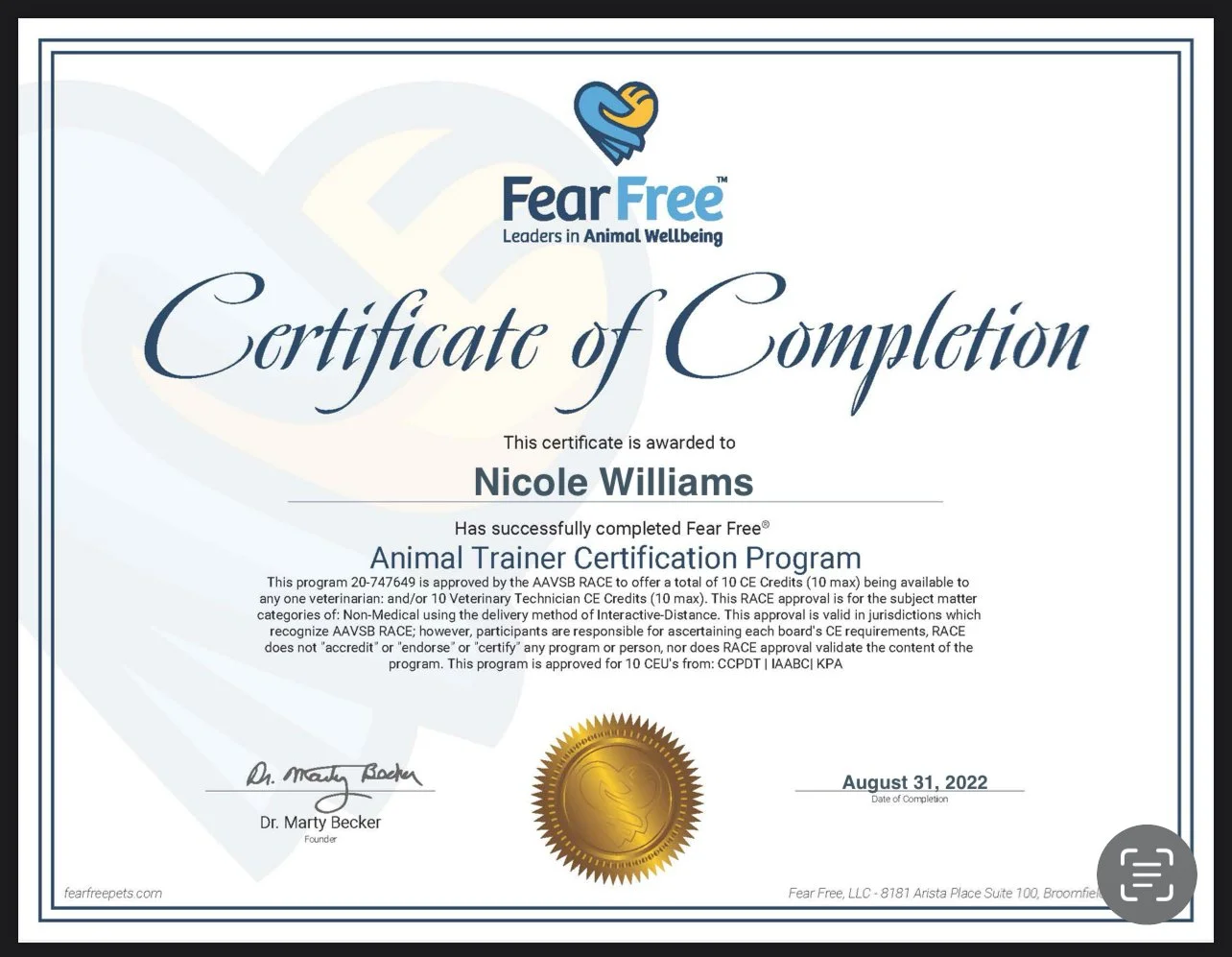
Popular certifying bodies include the CCPDT, IAABC, and APDT. Each offers specialized programs focusing on dog behavior and training.
Conclusion
Earning a dog behavior training certification boosts your skills and confidence. You learn how dogs think and act. This helps you train dogs more effectively and kindly. Certified trainers gain trust from pet owners and employers. The course offers practical tools and techniques for real-life situations.
It opens doors to new job chances in pet care. Keep practicing and growing your knowledge after certification. Consistency and patience make training successful. Choose a good program that fits your needs and goals. This step moves you closer to becoming a skilled dog trainer.

Emily Barker is the founder of ChillDogLife.com, a space dedicated to helping pup parents discover the best dog products, lifestyle tips, and cozy ideas for happier homes.
A lifelong dog lover, Emily combines her passion for pets with a knack for research to share trusted recommendations on everything from toys and furniture to health and everyday care.
Her goal is simple: to make life easier, stylish, and more joyful for dogs and the people who love them.




