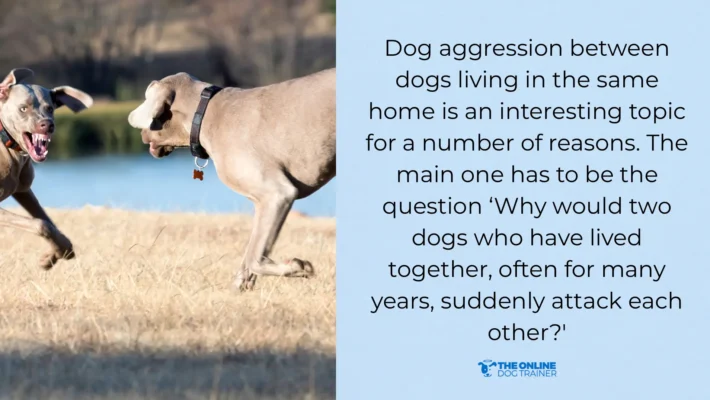
Is your dog showing signs of aggressive behavior? It can be scary and stressful for both you and your furry friend.
But don’t worry—you’re not alone, and there are simple steps you can take to help your dog become calm and happy again. You’ll discover effective ways to stop aggressive behavior in dogs. By understanding what triggers your dog and learning how to respond, you’ll build a stronger bond and create a peaceful home.
Keep reading, because the solution to your dog’s aggression starts here.
Causes Of Aggression In Dogs
Aggression in dogs can be scary for owners and others. Understanding the causes helps to manage the behavior better.
Dogs may act aggressively for many reasons. Some causes come from their genes, environment, or health.
Genetic Factors
Some dogs inherit aggressive traits from their parents. Certain breeds may be more prone to aggression.
Genetics can influence a dog’s temperament and how it reacts to situations.
- Breed tendencies affect aggression levels
- Inherited fear or dominance traits
- Genetic health problems can cause irritability
Environmental Triggers
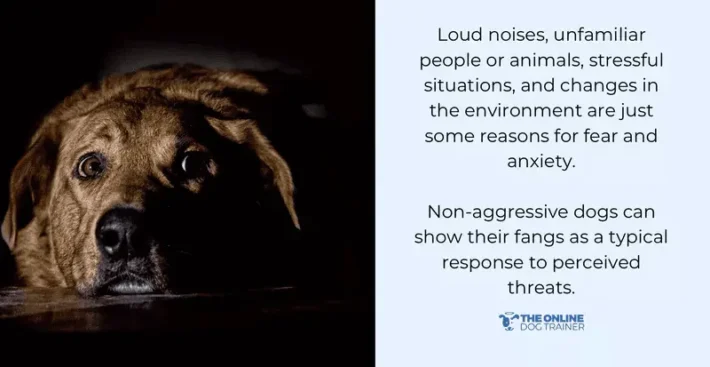
Dogs react to what happens around them. Loud noises, strangers, or new places can cause stress and aggression.
Poor training or lack of socialization may lead dogs to feel threatened and act aggressively.
- Fear from unfamiliar people or animals
- Protecting territory or possessions
- Stress from changes in the home
- Pain or discomfort from injury
Health Issues
Illness or pain can make dogs irritable and aggressive. Check for health problems if aggression starts suddenly.
Conditions like infections, injuries, or neurological problems may change a dog’s behavior.
- Arthritis or joint pain
- Dental problems causing pain
- Brain diseases or tumors
- Hormonal imbalances
Recognizing Aggressive Behavior
Aggressive behavior in dogs can be dangerous. It is important to recognize signs early. This helps keep everyone safe.
Dogs show aggression in many ways. Some signs are easy to see. Others are more subtle but just as important.
Body Language Signs
Dogs use their bodies to communicate feelings. Watch their posture, face, and tail to spot aggression.
- Stiff body and raised hackles
- Bared teeth or growling
- Intense staring or avoiding eye contact
- Flattened ears or ears pinned back
- Tail held high and stiff or tucked low
- Lip licking or yawning when not tired
Common Aggressive Actions
Aggressive dogs may act in ways that warn others. These actions can escalate if not addressed.
- Growling or snarling at people or animals
- Snapping or lunging forward
- Bitten or nipping at hands or feet
- Charging or blocking movement
- Sudden barking or lunging without cause
When To Seek Help
Some aggressive behaviors need expert help. Do not wait if your dog shows serious signs.
Contact a professional if your dog:
- Frequently growls or snaps at family members
- Bites causing injury
- Shows aggression without clear reason
- Is hard to control during walks or visits
- Causes fear in people or other pets
Preventive Measures
Stopping aggressive behavior in dogs starts with prevention. You can reduce problems by acting early and staying consistent.
Preventive steps help your dog feel safe and behave well around people and other animals.
Early Socialization
Introducing your dog to different people, pets, and places early helps them stay calm and friendly. Socialization teaches dogs how to act in new situations.
Start socialization when your dog is a puppy. Make meetings positive and safe to build good habits.
- Invite friends and family to meet your dog
- Visit parks and pet-friendly places
- Expose your dog to sounds and sights
- Use treats to reward calm behavior
Consistent Training
Train your dog with clear rules every day. Consistency helps your dog understand what is okay and what is not.
Use positive rewards like treats and praise. Avoid punishment, as it may cause fear or aggression.
- Teach basic commands like “sit,” “stay,” and “come”
- Practice training in different places
- Reward calm and polite behavior
- Ignore bad behavior to avoid reinforcing it
Safe Environment Setup
Make your home and yard safe for your dog. Remove things that may cause stress or fear.
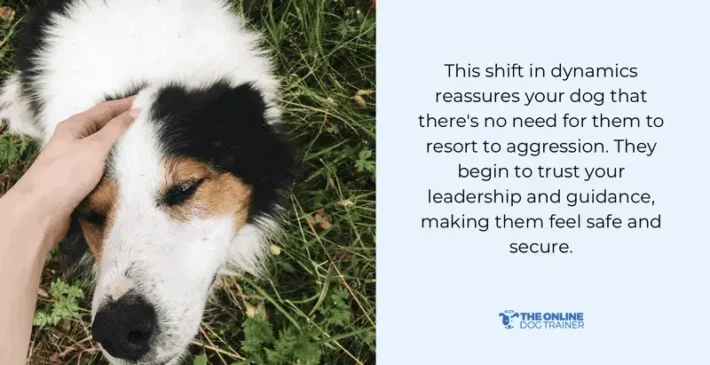
Provide a quiet space where your dog can relax. A calm environment reduces chances of aggression.
- Use fences to control your dog’s space
- Keep harmful objects out of reach
- Give your dog a cozy bed or crate
- Limit loud noises and sudden movements
Credit: theonlinedogtrainer.com
Expert Techniques To Manage Aggression
Aggressive behavior in dogs can be challenging for owners. Understanding how to manage this behavior safely is very important. Using expert techniques can help calm your dog and improve your relationship.
This guide covers key methods to reduce aggression. These include positive reinforcement, behavior modification strategies, and desensitization with counter-conditioning. Each method has a clear approach to help your dog learn better responses.
Positive Reinforcement
Positive reinforcement means rewarding good behavior to encourage it. This method helps your dog learn what is acceptable. Rewards can be treats, praise, or playtime. Avoid punishment as it can increase fear or aggression.
- Give a treat when your dog stays calm
- Use a happy voice to praise good behavior
- Offer toys or play after positive actions
- Ignore unwanted aggressive acts instead of yelling
Behavior Modification Strategies
Behavior modification changes how your dog reacts to triggers. It uses training to replace bad habits with good ones. Consistency and patience are key to success. This approach often works best with a professional trainer.
| Strategy | Description | Goal |
| Redirecting | Shift attention from trigger to toy or command | Stop aggressive response |
| Controlled Exposure | Gradually expose dog to triggers safely | Build tolerance |
| Obedience Training | Teach basic commands like sit, stay, and come | Increase control |
Desensitization And Counter-conditioning
Desensitization lowers your dog’s reaction to a trigger by slow exposure. Counter-conditioning changes the dog’s emotional response to the trigger. These methods work best together. They help your dog feel less fear and aggression.
- Start with low-level exposure to the trigger
- Pair the trigger with a reward like a treat
- Increase exposure gradually over time
- Watch for signs of stress and slow down if needed
Handling Aggression Safely
Aggressive behavior in dogs can be dangerous for both the dog and people around. Safe handling helps reduce risks and calm the dog. Understanding how to act is key to managing aggression.
Using the right tools and approaches makes handling safer. It also helps the dog feel less stressed. This guide covers ways to manage triggers, use safety tools, and know when to seek expert help.
Managing Trigger Situations
Identify what causes your dog to act aggressively. Common triggers include loud noises, strangers, or other animals. Avoiding these triggers can prevent aggressive episodes.
- Watch your dog’s body language to spot early signs of stress.
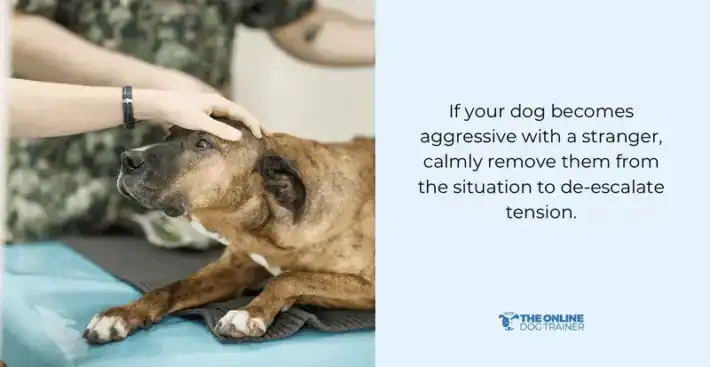
- Remove your dog from situations that cause fear or anger.
- Keep calm and speak softly to avoid raising tension.
- Provide a safe space where your dog can relax.
Use Of Muzzles And Safety Tools
Muzzles and other safety tools help protect people and pets during training or walks. They prevent biting but do not stop growling or barking. Always choose the right tool for your dog’s size and behavior.
| Tool | Purpose | When to Use |
| Basket Muzzle | Allows panting and drinking | During walks or vet visits |
| Soft Muzzle | Limits biting but restricts panting | Short periods only |
| Head Halter | Controls head movement | Training walks |
| Leash | Keeps dog close | All outside activities |
When To Consult A Professional Trainer
Professional trainers have experience with aggressive dogs. They use safe methods to change behavior. Look for help if your dog:
- Shows sudden or worsening aggression
- Bites or snaps at people or pets
- Does not respond to basic commands
- Has triggers you cannot control
A trainer can create a plan to keep everyone safe. They teach you how to handle your dog properly. Early help can stop aggression from getting worse.
Credit: theonlinedogtrainer.com
Long-term Care And Monitoring
Managing aggressive behavior in dogs requires consistent care. It’s important to monitor their behavior over time to ensure improvements. This involves regular exercises, ongoing training, and tracking progress.
Long-term care focuses on creating a safe environment for both the dog and the people around it. Observing changes and adjusting strategies are key components.
Regular Exercise And Mental Stimulation
Exercise is crucial for dogs to release energy. A tired dog is less likely to act aggressively. Mental stimulation helps keep their minds engaged and reduces stress.
Simple activities like fetch or puzzle toys can provide both physical and mental workouts. Daily routines should include varied activities to maintain interest.
- Long walks help reduce energy levels
- Puzzle toys challenge their minds
- Interactive games build confidence
Ongoing Training Tips
Consistent training reinforces positive behavior. Use positive reinforcement to encourage good behavior. Patience and persistence are important in training.
Training sessions should be short but regular. Focus on rewarding calm behavior to reduce aggression.
- Reward calm behavior immediately
- Use treats or praise as incentives
- Keep sessions short and engaging
Tracking Progress And Adjustments
Monitoring progress helps identify what works and what doesn’t. Keep a journal to note any improvements or setbacks. Adjust strategies based on these observations.
Regular check-ins with a professional can provide guidance. They can suggest modifications to your approach based on your dog’s unique needs.
| Week | Behavior Notes | Adjustments |
| 1 | Some improvement in calmness | Increase exercise time |
| 2 | Reduced barking | Add new puzzle toy |
Credit: theonlinedogtrainer.com
Frequently Asked Questions
What Are Common Causes Of Aggressive Behavior In Dogs?
Aggression in dogs often stems from fear, pain, territorial instincts, or lack of socialization. Understanding these causes helps in addressing and managing aggressive tendencies effectively.
How Can I Safely Stop My Dog From Being Aggressive?
Use positive reinforcement, consistent training, and avoid punishment. Consult a professional trainer or veterinarian for severe aggression to ensure safety.
Can Neutering Reduce Aggressive Behavior In Dogs?
Yes, neutering can reduce hormone-driven aggression, especially in males. However, behavior changes vary and training remains essential for long-term improvement.
When Should I Seek Professional Help For Dog Aggression?
Seek help if aggression is frequent, severe, or poses risks to people or other animals. Early intervention prevents escalation and promotes safety.
Conclusion
Stopping aggressive behavior in dogs takes patience and care. Consistent training helps your dog feel safe and calm. Reward good behavior with treats or praise. Avoid punishing your dog harshly; it may worsen aggression. Watch for triggers that cause stress or fear.
Seek help from a vet or trainer if needed. Remember, small steps lead to big changes. Your dog can become friendlier and more relaxed over time. Keep practicing kindness and understanding every day. Peaceful moments with your dog are worth the effort.

Emily Barker is the founder of ChillDogLife.com, a space dedicated to helping pup parents discover the best dog products, lifestyle tips, and cozy ideas for happier homes.
A lifelong dog lover, Emily combines her passion for pets with a knack for research to share trusted recommendations on everything from toys and furniture to health and everyday care.
Her goal is simple: to make life easier, stylish, and more joyful for dogs and the people who love them.




