Is your dog’s collar feeling a bit loose? A collar that’s too big can slip off or cause discomfort, putting your furry friend at risk.
But tightening it just right isn’t always as simple as it sounds. You want your dog to be safe and comfortable, and you want the process to be quick and easy for you. In this guide, you’ll learn exactly how to tighten a dog collar step-by-step.
By the end, you’ll have the confidence to adjust your dog’s collar perfectly every time. Keep reading to make sure your pup’s collar fits just right!

Credit: www.arcticsammy.co.nz
Choosing The Right Collar
Choosing the right collar is essential before tightening it. The collar must fit well and feel comfortable for your dog. A good collar provides safety and control without hurting your pet. Understanding different types, materials, and sizing helps you pick the best option for your dog.
Types Of Dog Collars
- Flat Collars:Most common, suitable for daily use.
- Martingale Collars:Prevent slipping, good for dogs with narrow heads.
- Head Collars:Help control pulling by gently guiding the head.
- Choke Chains:Used for training but need careful handling.
- Harnesses:Alternative to collars, reduce neck pressure.
Material Considerations
Choose a collar material that suits your dog’s lifestyle. Nylon collars are lightweight and easy to clean. Leather collars are durable and soft but need more care. Metal chains are strong but can be heavy and uncomfortable. Always check for smooth edges to avoid skin irritation.
Sizing Your Dog’s Neck
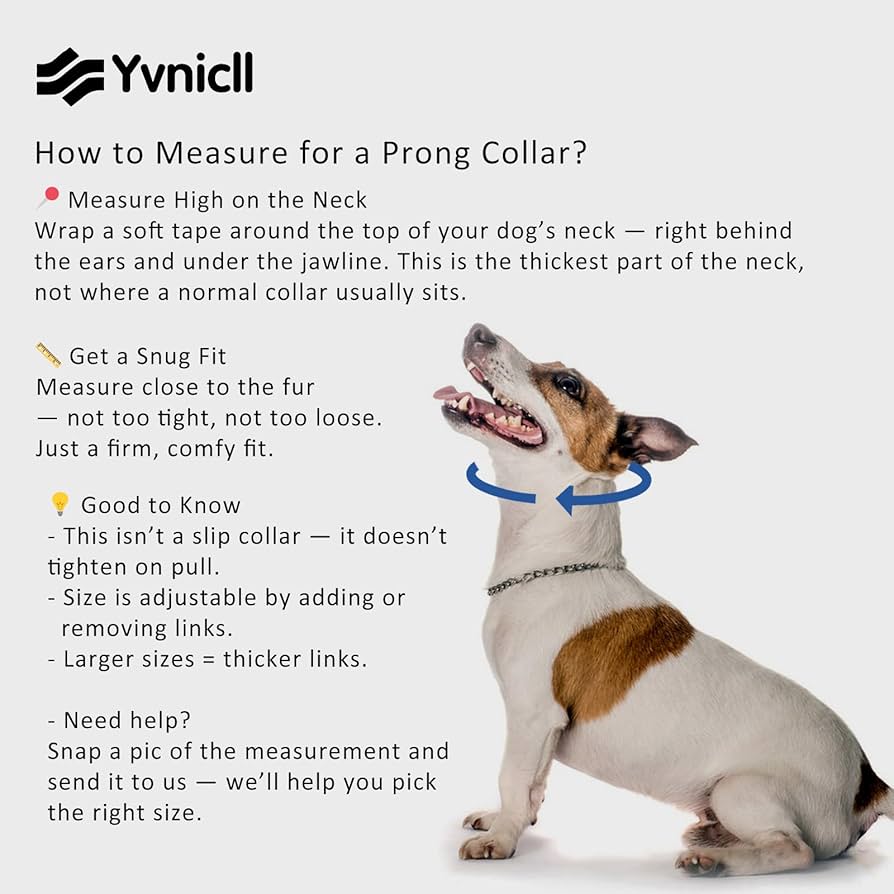
Measure your dog’s neck with a soft tape. Leave space for two fingers between neck and collar. This ensures the collar is snug but not tight. Check the fit regularly as dogs grow or gain weight. A well-sized collar prevents slipping and choking risks.
Credit: worldanimalfoundation.org
Signs Your Collar Is Too Loose
A loose dog collar can be problematic. It may slip off easily, causing safety concerns. Recognizing signs of a loose collar ensures your pet’s safety. Below are key indicators your dog’s collar needs tightening.
Collar Movement And Slipping
Observe the collar’s position. A well-fitted collar stays in place. If it slides around the neck, it’s too loose. Your dog could easily slip out of it. Check if two fingers fit snugly between the collar and neck. If more fingers fit, it needs tightening.
Behavioral Clues
Watch your dog’s behavior. Does your dog frequently paw at the collar? This might indicate discomfort or looseness. A loose collar might cause irritation. Your dog may also try to scratch it off.
Safety Risks
A loose collar poses risks. It can get caught on objects, leading to choking hazards. Your dog might run away if the collar slips off during walks. Ensure it fits well to prevent accidents.
Tools Needed For Tightening
Tightening a dog collar requires the right tools to ensure your pet stays comfortable and secure. Knowing which tools to use depends largely on the type of collar your dog wears. Let’s look at what you need to have on hand to make the process easy and safe.
Adjustable Collars
Most dog collars are adjustable, which means they come with a built-in slider or buckle for resizing. To tighten these collars, you usually only need your hands, but having a small ruler or tape measure helps you check the fit accurately. Aim for enough space to fit two fingers between the collar and your dog’s neck—this prevents choking or discomfort.
Sometimes the collar material can be stiff or slippery. In these cases, a pair of pliers might come in handy to gently squeeze the buckle or slider for a firmer grip. Just be careful not to damage the collar or cause sharp edges that can irritate your dog’s skin.
Non-adjustable Collars
Non-adjustable collars need a different approach since they don’t have sliders or buckles for resizing. You might require a permanent alteration like cutting and re-sewing, which usually calls for a sewing kit or strong adhesive designed for fabric or leather.
Before making any permanent changes, measure your dog’s neck carefully with a measuring tape. It’s wise to mark the exact spot where the collar feels snug but not tight. If you’re not confident with sewing or gluing, a visit to a professional pet tailor can save you time and effort.
Additional Accessories
Some collars come with extra parts like D-rings, tags, or decorative pieces that might interfere with tightening. Having a small screwdriver or a set of pliers can help you remove or adjust these accessories before tightening the collar.
A soft cloth or pet-safe lubricant might also be useful if the collar material is stiff or prone to catching on your dog’s fur. These small tools can make the process smoother and keep your dog comfortable during adjustments.
Step-by-step Tightening Process
Tightening a dog collar correctly keeps your pet safe and comfortable. Follow a clear process to adjust the collar without causing discomfort or slipping. This step-by-step guide shows how to tighten a collar with care. Simple actions ensure the collar fits just right.
Loosening The Collar
Start by loosening the collar to create space for adjustment. Gently pull the strap or buckle to release tension. This step makes it easier to fit the collar around your dog’s neck. Avoid pulling too hard to prevent damage to the collar.
Adjusting The Fit
Place the collar back on your dog’s neck. Slide the strap to tighten the collar slowly. Check that it sits comfortably around the neck without pinching the skin. Aim for a snug but not tight fit to allow natural movement.
Checking The Tightness
Use the “two-finger test” to check collar tightness. Slide two fingers under the collar’s strap. If you can fit two fingers easily, the collar fits well. If not, loosen the collar slightly for comfort and safety. Repeat the test after each adjustment.
Comfort Tips For Your Dog
Ensuring your dog’s collar fits comfortably is important for their health and happiness. A collar that is too tight can cause pain and skin problems. A collar that is too loose can slip off or cause discomfort during walks. Follow these tips to keep your dog safe and cozy.
Avoiding Over-tightening
Leave enough space to fit two fingers between the collar and your dog’s neck. This prevents choking and skin irritation. Check the fit regularly, especially for puppies or growing dogs. Avoid pulling the collar too tight when adjusting.
Skin And Fur Protection
Choose collars made from soft, breathable materials to reduce skin irritation. Avoid collars with rough edges or metal parts that can rub the skin. Clean the collar often to prevent dirt buildup that can cause infections. Watch for signs of redness, hair loss, or sores around the collar area.
Regular Collar Checks
Check the collar daily for fit and wear. Adjust the collar as your dog grows or gains weight. Replace worn or damaged collars immediately to avoid accidents. Make collar checks a habit, especially after exercise or playtime.

Credit: yonder.dog
When To Replace The Collar
Knowing when to replace a dog collar is key to your pet’s comfort and safety. Collars wear out over time and may no longer fit properly. Replacing a collar at the right time helps avoid accidents and discomfort. Watch your dog’s collar closely and act before problems start.
Signs Of Wear And Tear
Look for cracks, frayed edges, or broken parts on the collar. Faded colors or stretched material also show wear. If the buckle or clasp doesn’t close securely, it’s time to replace the collar. A damaged collar can break easily and cause your dog to run free.
Upgrading For Growth
Growing dogs need collars that fit well and are not too tight. Check the collar size often as your dog grows. If the collar leaves marks or feels too small, choose a bigger size. A collar that fits properly prevents choking and skin irritation.
Safety Enhancements
New collars may offer better safety features than old ones. Reflective strips or glow-in-the-dark parts improve visibility at night. Some collars have breakaway designs to prevent choking in emergencies. Updating your dog’s collar can keep them safer during walks and playtime.
Frequently Asked Questions
How Do I Know If My Dog’s Collar Is Too Loose?
A collar is too loose if it slides over the dog’s head easily. You should fit two fingers between the collar and neck. If you can fit more, tighten the collar for a secure fit and your dog’s safety.
What Tools Help Tighten A Dog Collar Correctly?
Most collars have adjustable buckles or sliders for easy tightening. For some collars, you may need a screwdriver or pliers. Always use tools recommended by the collar manufacturer to avoid damage and ensure a proper fit.
Can Tightening A Collar Harm My Dog?
Tightening a collar too much can cause discomfort and breathing issues. Always ensure the collar is snug but not tight. Regularly check your dog’s neck for redness or irritation to prevent harm.
How Often Should I Adjust My Dog’s Collar?
Adjust your dog’s collar every few months or if your dog gains or loses weight. Puppies need frequent adjustments as they grow. Regular checks help maintain comfort and safety.
Conclusion
Tightening a dog collar helps keep your pet safe and comfortable. Always check the fit regularly to avoid tightness or looseness. Adjust the collar slowly and watch your dog’s reaction. A well-fitted collar prevents slipping and protects your dog during walks.
Remember, comfort matters as much as security. With these simple steps, collar care becomes easy for every dog owner. Keep your furry friend happy and secure every day. Small efforts make a big difference in your dog’s safety.

Emily Barker is the founder of ChillDogLife.com, a space dedicated to helping pup parents discover the best dog products, lifestyle tips, and cozy ideas for happier homes.
A lifelong dog lover, Emily combines her passion for pets with a knack for research to share trusted recommendations on everything from toys and furniture to health and everyday care.
Her goal is simple: to make life easier, stylish, and more joyful for dogs and the people who love them.




