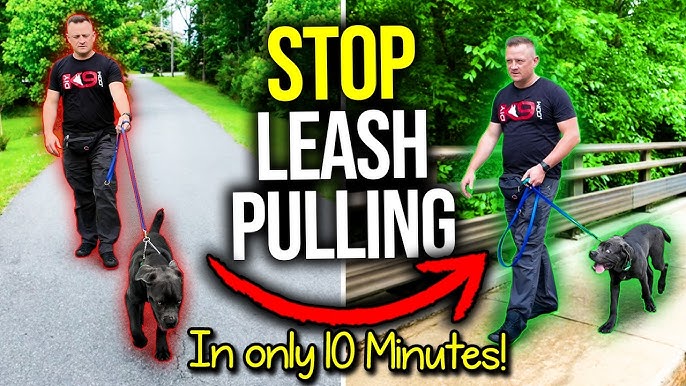
Is your dog pulling hard every time you go for a walk? It can be frustrating, tiring, and even unsafe for both of you.
But imagine strolls where your dog walks calmly by your side, making every outing peaceful and enjoyable. You might wonder, “How can I stop my dog from pulling on the leash? ” You’re not alone, and the good news is—there are simple, effective ways to fix this behavior.
Keep reading, and you’ll discover easy steps that will transform your walks and strengthen your bond with your furry friend.
Credit: www.amazon.com
Why Dogs Pull On Leash
Dogs often pull on the leash during walks. Understanding why this happens helps fix the problem. Dogs pull for many reasons. Some are natural instincts, others are habits formed over time. Knowing the cause can make training easier and walks more enjoyable.
Common Causes
- Excitement: Dogs get eager to explore new smells and sights.
- Lack of training: They don’t know how to walk calmly on a leash.
- High energy: Some dogs have more energy and want to move fast.
- Fear or anxiety: Pulling can be a reaction to stress or fear.
- Chasing instincts: Dogs may pull to chase animals or objects.
Behavioral Triggers
- Seeing other dogs or people can cause sudden pulling.
- New environments make dogs curious and eager to explore.
- Distractions like loud noises or cars can make dogs nervous.
- Previous bad experiences on walks can affect behavior.
- Owner’s tension or pulling on the leash can encourage it.

Credit: www.youtube.com
Choosing The Right Equipment
Choosing the right leash and harness helps control your dog’s pulling. A front-clip harness reduces pulling better than a collar. Proper equipment makes walks safer and more comfortable for both you and your dog.
Choosing the right equipment is key to preventing your dog from pulling on the leash. The correct gear can make walks more enjoyable and less stressful. Each piece of equipment has its pros and cons. Understanding these can help you make an informed decision.Harnesses Vs Collars
Harnesses provide more control and are gentle on your dog’s neck. They distribute pressure evenly across the chest and back. This reduces the risk of injury, especially for small or brachycephalic breeds. Harnesses can discourage pulling by offering more control over your dog’s movement. Collars, on the other hand, are simpler and often more familiar. They can be effective for well-behaved dogs who do not pull. But, they may cause discomfort or injury if your dog pulls too hard. Collars can also apply pressure on the trachea, especially in small dogs.Leash Types
Leashes come in various types, each serving a different purpose. Standard leashes are great for everyday walks. They offer control without too much slack. Retractable leashes allow more freedom but can encourage pulling. They may also pose a risk in crowded areas or near traffic. Training leashes are longer and ideal for teaching commands. They provide space for your dog to explore while you maintain control. Choose a leash that suits your dog’s size and behavior. Always consider your own comfort and safety too.Basic Training Techniques
Stopping your dog from pulling on the leash starts with mastering some basic training techniques. These techniques help create a better walking experience for both of you. Patience and consistency are key, but the results are well worth the effort.
Loose Leash Walking
Loose leash walking means your dog walks calmly beside you without pulling. To teach this, keep the leash short but slack. When your dog pulls, stop walking immediately.
Wait until your dog relaxes and the leash loosens before moving forward again. This teaches your dog that pulling stops the walk, while walking nicely gets rewarded. Try using treats or a favorite toy as motivation during practice.
Have you noticed how quickly dogs catch on when the walk only continues with a loose leash? It’s almost like they decide to cooperate just to keep moving.
Stop And Go Method
This technique is simple but powerful. The moment your dog pulls, stop walking and stand still. Don’t yank or pull back; just pause and wait.
Once your dog stops pulling and the leash slackens, start walking again. This back-and-forth pattern helps your dog understand that pulling leads to no progress. It also encourages focus on you during the walk.
Try mixing short bursts of walking with pauses to keep your dog’s attention sharp. It’s surprising how quickly they learn to keep the leash loose to avoid those frustrating stops.
Positive Reinforcement Strategies
Positive reinforcement strategies build trust between you and your dog. They encourage good behavior by offering rewards. This approach helps your dog learn to walk calmly without pulling. Rewards motivate dogs to repeat desired actions. Patience and consistency play key roles in success. Use rewards right after the good behavior to make the link clear.
Using Treats Effectively
Treats work best when given immediately after the dog stops pulling. Choose small, soft treats your dog loves. Keep treats handy during walks for quick rewards. Break treats into tiny pieces to avoid overfeeding. Use treats to guide your dog’s attention back to you. Reward your dog for walking beside you with a loose leash.
Rewarding Calm Behavior
Calm behavior deserves praise and rewards too. Stop walking if your dog pulls and wait quietly. When your dog calms down, give a treat and praise. This teaches your dog that calmness brings rewards. Use a gentle voice and pet your dog for extra encouragement. Reinforce calmness often to make it a habit during walks.
Addressing Specific Challenges
Stopping a dog from pulling on the leash can be harder with certain challenges. Different dogs and situations need specific approaches. Understanding these challenges helps to train your dog better. Here are tips to handle two common problems.
High Energy Dogs
High energy dogs pull because they want to move fast and explore. They need more exercise before walks to burn off extra energy. Try playing fetch or running games before leash time.
Use short, frequent walks instead of one long walk. This helps keep your dog calm. Carry treats to reward your dog for walking calmly beside you. Teaching “heel” or “stay” commands can also help control excitement.
Distracted Walkers
Dogs get distracted by smells, animals, or sounds during walks. Distractions make dogs pull to reach the interesting things. Focus your dog’s attention on you using treats and praise.
Change your walking route to avoid busy or noisy areas. Practice walking in quiet places first. Keep leash loose and stop walking when your dog pulls. Start walking again only when the leash is slack.

Credit: pupford.com
Consistency And Patience
Consistency and patience are your best tools when teaching your dog not to pull on the leash. Training doesn’t happen overnight, and every small step forward counts. It’s easy to get frustrated, but staying calm and steady helps your dog learn faster and builds a stronger bond between you.
Setting Realistic Goals
Start by breaking down the behavior you want into small, achievable steps. Instead of expecting your dog to walk perfectly without pulling right away, aim for shorter walks where your dog pulls less each time.
Ask yourself: what can you realistically achieve in a week? Maybe it’s getting your dog to stop pulling for just a few seconds or walking calmly past one distraction. These small wins keep both you and your dog motivated.
Remember, every dog learns at their own pace. Setting clear, simple goals helps you track progress and avoid feeling overwhelmed.
Maintaining Regular Practice
Consistency means practicing every day, even if it’s just for a few minutes. Short, frequent training sessions work better than long, infrequent ones.
Make it a habit to train your dog in different environments so they learn to behave no matter where you go. This helps avoid confusion and builds reliable leash manners.
Think about your own learning experiences—would you improve if you only practiced once a week? Probably not. Your dog feels the same way.
Keep sessions positive and end on a good note. This encourages your dog to look forward to training instead of dreading it.
When To Seek Professional Help
Knowing when to seek professional help is key to stopping your dog from pulling on the leash. Some problems need expert guidance to keep you and your dog safe. Early support can prevent bad habits from becoming worse. Recognizing the signs and choosing the right expert will make training easier and more effective.
Signs You Need A Trainer
- Your dog pulls so hard that walking becomes unsafe.
- Leash pulling causes frequent falls or injuries.
- You feel overwhelmed and unsure how to train your dog.
- Your dog shows aggressive behavior during walks.
- Basic training methods do not reduce pulling at all.
- Your dog reacts badly to other dogs or people.
- Leash training sessions cause stress for you and your pet.
Choosing The Right Expert
Look for trainers with experience in leash training and behavior issues. Check for certifications from trusted animal training organizations. Ask about their training methods to ensure they use kind, reward-based techniques. Read reviews or get recommendations from other dog owners. Confirm they understand your dog’s breed and personality. A good trainer will guide you step-by-step and answer all questions.
Frequently Asked Questions
How Can I Stop My Dog From Pulling On Leash?
Use consistent training methods like “heel” commands and reward calm walking. Stop walking when pulling occurs. Practice patience and repetition.
What Tools Help Prevent Leash Pulling Effectively?
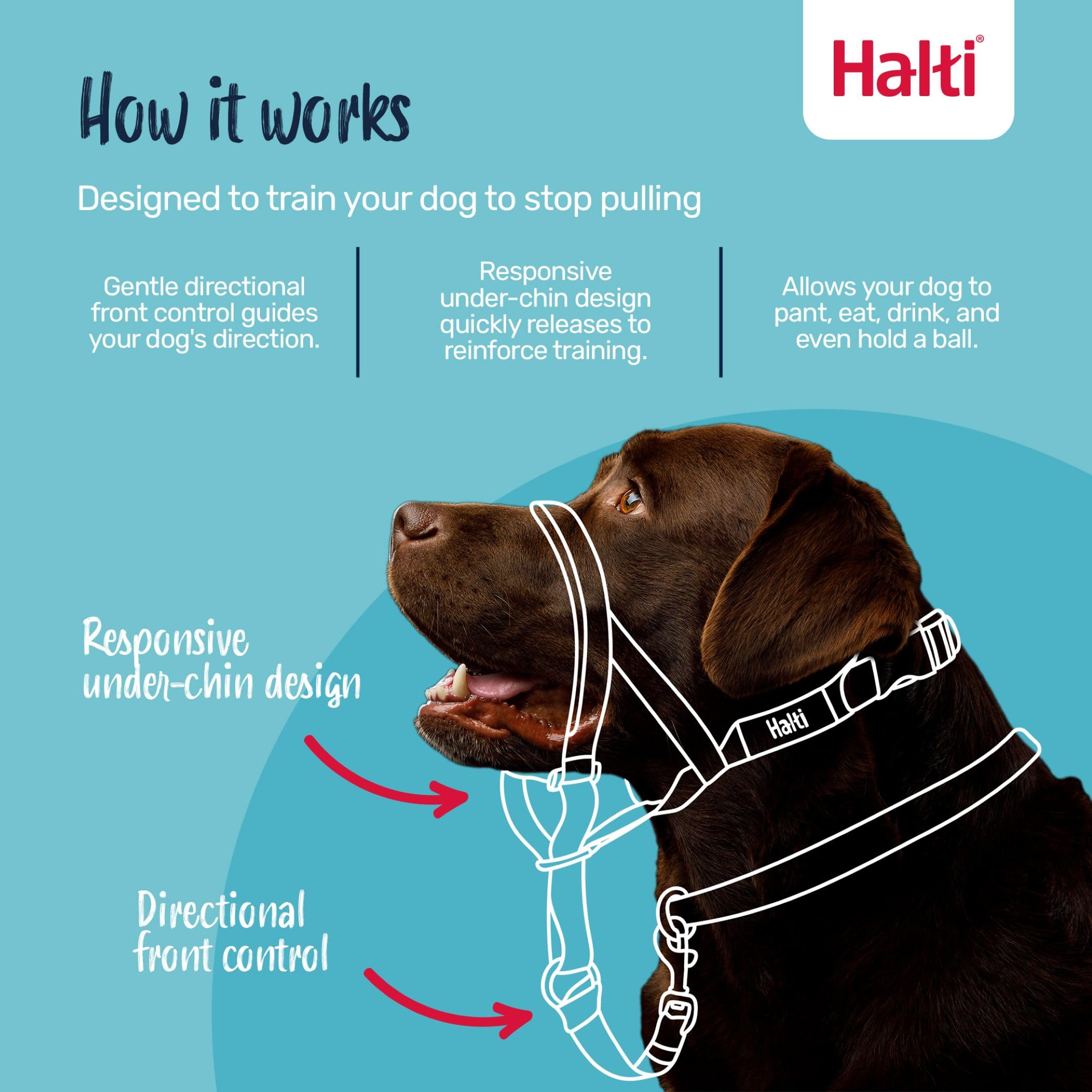
Head halters, no-pull harnesses, and front-clip harnesses reduce pulling by controlling your dog’s direction gently.
Why Does My Dog Pull On The Leash?
Dogs pull due to excitement, lack of training, or trying to explore. Understanding the reason helps in training.
How Long Does Leash Training Usually Take?
Leash training typically takes 2 to 4 weeks with daily consistent practice and positive reinforcement.
Conclusion
Stopping your dog from pulling takes time and patience. Keep training sessions short and fun. Reward good behavior with treats or praise. Use the right equipment, like a no-pull harness. Stay calm and consistent during walks. Remember, your dog learns best with gentle guidance.
Practice daily, and you will see progress. Enjoy peaceful walks together without the tugging. Small steps lead to big changes. Your efforts will create a happier walk for both you and your dog. Keep going—you’re doing great!

Emily Barker is the founder of ChillDogLife.com, a space dedicated to helping pup parents discover the best dog products, lifestyle tips, and cozy ideas for happier homes.
A lifelong dog lover, Emily combines her passion for pets with a knack for research to share trusted recommendations on everything from toys and furniture to health and everyday care.
Her goal is simple: to make life easier, stylish, and more joyful for dogs and the people who love them.




