
Is your dog peeing on your bed, leaving you confused and frustrated? You’re not alone, and it’s a problem that many pet owners face.
Understanding why your furry friend is doing this can help you stop it for good. You’ll discover the surprising reasons behind this behavior and learn simple steps to fix it. Keep reading to find out how you can protect your bed and strengthen your bond with your dog.
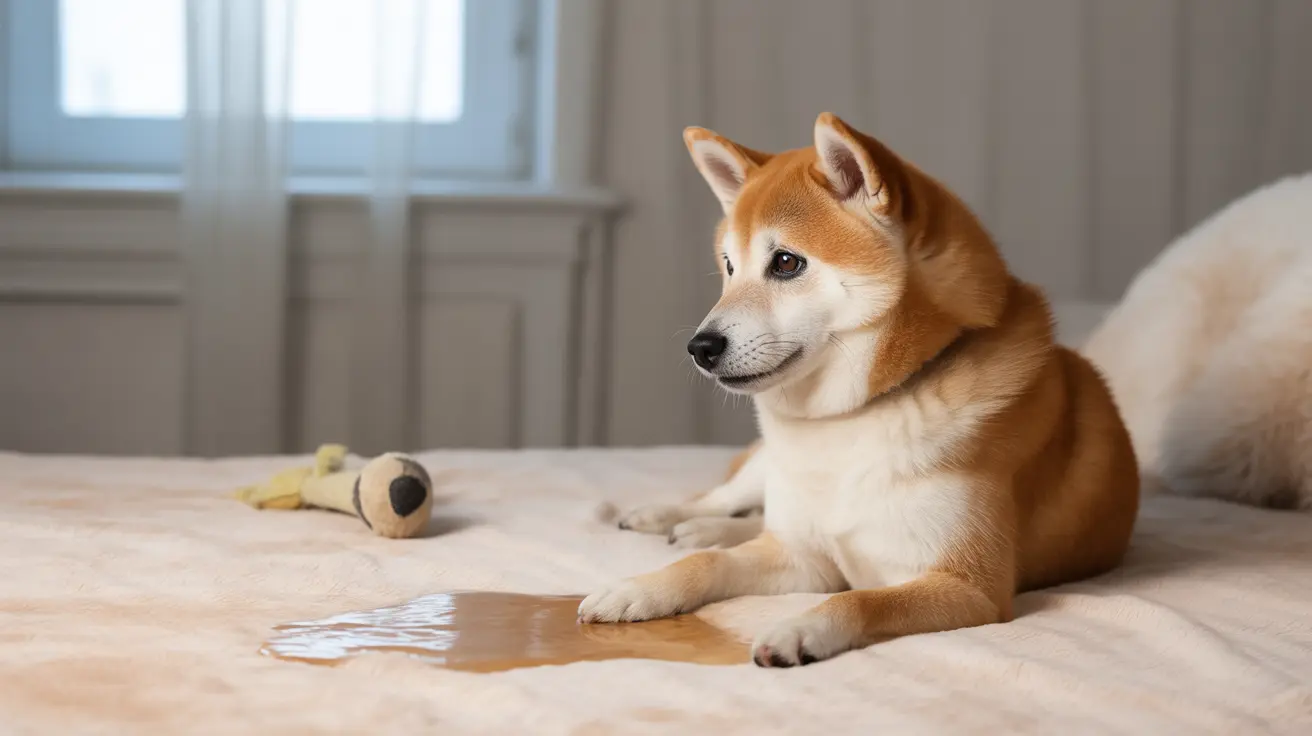
Credit: www.petscare.com
Common Causes Of Bed Peeing
Finding your dog peeing on your bed can be frustrating and confusing. Understanding the common reasons behind this behavior can help you address the issue effectively. Let’s look at some key causes that might explain why your dog is marking your bed.
Medical Issues To Watch For
Health problems are often the first thing to rule out. Urinary tract infections, bladder stones, or kidney issues can cause sudden accidents.
If your dog struggles to hold urine or shows signs of discomfort, a vet visit is essential. Sometimes, diabetes or age-related incontinence might be the culprit. Ignoring these signs can worsen your dog’s condition and the bedwetting problem.
Behavioral Reasons Behind Accidents
Not all accidents are health-related. Dogs sometimes pee on beds to mark territory, especially if they feel their space is threatened.
Changes in your home, like a new pet or rearranged furniture, can confuse your dog. Inconsistent potty training or lack of access to outdoor bathroom spots may also lead to indoor accidents.
Stress And Anxiety Factors
Stress can cause your dog to act out in unexpected ways. Separation anxiety or fear of loud noises might trigger bed peeing as a coping mechanism.
Have you noticed your dog becoming clingy or restless? These signs often accompany anxiety-related accidents. Providing a calm environment and comfort can reduce stress-induced peeing.
When To See A Vet
Is your dog peeing on your bed? This issue can be frustrating and confusing. Sometimes, it might be a sign of a deeper health problem. In certain cases, a vet visit becomes crucial. But how do you know when it’s time to consult a professional? Understanding the signs can help. Let’s explore when seeing a vet is necessary for your dog’s peeing problem.
Signs Of Urinary Tract Infections
Urinary tract infections (UTIs) are common in dogs. These infections can make it hard for them to control their bladder. Watch for specific signs that suggest a UTI.
- Frequent urination
- Straining to urinate
- Cloudy or strong-smelling urine
- Blood in urine
- Licking around the urinary opening
If you notice these symptoms, a vet visit is essential. UTIs can cause discomfort and pain for your dog. Early treatment can prevent complications.
Other Health Conditions Affecting Control
Several other health issues can lead to urination problems. Diabetes, kidney disease, and hormonal imbalances might affect bladder control.
- Increased thirst
- Weight changes
- Fatigue
- Vomiting
These symptoms indicate your dog needs medical attention. A vet will perform tests to diagnose the issue. Proper diagnosis leads to effective treatment. Addressing health problems can resolve the bed-peeing issue.
Behavioral Triggers
Behavioral triggers often cause dogs to pee on beds. These actions come from natural instincts or emotional states. Understanding these triggers helps address the problem effectively. Dogs use urination to communicate or respond to stress. Recognizing these signals can guide better training and care.
Territorial Marking Explained
Dogs mark territory by urinating in specific places. This signals ownership to other animals. Beds smell like their owner, so dogs may mark them. This behavior can increase if new pets or people enter the home. Male dogs often mark more, but females can too. Marking is about claiming space, not always about needing to go.
Separation Anxiety Effects
Separation anxiety causes distress when dogs are alone. Peeing on the bed may be a comfort action. It can also be a sign of stress or fear. Dogs feel safer near their owner’s scent. Urinating on the bed might be a way to cope with loneliness. Anxiety can lead to repeated accidents in the house.
Changes In Routine Impact
Dogs thrive on routine and stability. Sudden changes can confuse or upset them. Moving furniture or changing sleeping spots may trigger accidents. New schedules or visitors can increase stress. Dogs may urinate on the bed as a response. Keeping a consistent routine helps reduce this behavior.
Effective Training Techniques
Effective training techniques help stop your dog from peeing on your bed. Training teaches your dog where to go and builds good habits. These methods focus on clear communication and gentle guidance.
Positive Reinforcement Methods
Reward your dog for peeing outside or on the pad. Use treats, praise, or petting to show approval. This encourages your dog to repeat good behavior. Avoid punishment, which can cause fear or confusion.
Crate Training Benefits
Crate training offers a safe space for your dog. Dogs usually avoid soiling their sleeping area. Use the crate during times when you cannot supervise. Make the crate comfortable with bedding and toys.
Consistency In Bathroom Breaks
Take your dog outside regularly, especially after eating or drinking. Keep a schedule to build a routine. Consistent bathroom breaks reduce accidents inside. Praise your dog immediately after they go outside.
Managing Stress And Anxiety
Stress and anxiety can cause your dog to pee on your bed as a way to cope or express discomfort. Managing these emotions is key to stopping this behavior. Helping your dog feel safe and relaxed can make a big difference in their habits.
Creating A Calm Environment
Your dog’s surroundings affect their stress levels more than you might realize. Try to keep their space quiet and free from sudden loud noises. Soft lighting and a cozy bed in a low-traffic area can help your dog feel secure.
Think about how changes in your home, like new furniture or visitors, might be unsettling your dog. Have you noticed if the peeing started after a specific event? Addressing these triggers by minimizing disruptions can calm your pet.
Using Calming Aids
Calming aids can support your dog when anxiety strikes. Products like pheromone diffusers, calming collars, or natural supplements often reduce nervous energy. These tools don’t fix the problem alone but can ease your dog’s feelings while you work on training.
Before trying any calming supplements, check with your vet to find what’s safe and effective for your dog’s needs. Sometimes a simple change, like a calming spray on their bed, helps your dog settle down faster than you expect.
Exercise And Mental Stimulation
Physical activity burns off stress and distracts your dog from anxious behaviors. Regular walks, playtime, and interactive toys give your dog a healthy outlet for their energy. Have you tried puzzle feeders or training sessions to keep their mind busy?
Without enough exercise, your dog might act out in ways like peeing on your bed. Adding just 10-15 minutes of extra play or a new game can make your dog feel happier and less anxious. What new activity could you try today to help your dog relax?
Credit: rockykanaka.com
Cleaning And Prevention Tips
Cleaning up after your dog pees on the bed is essential to keep your home fresh and odor-free. Proper cleaning stops smells that might attract your dog back to the same spot. Prevention helps protect your bedding and avoid future accidents. Follow these tips to maintain a clean and healthy sleeping area.
Removing Odors Completely
Use an enzyme cleaner designed for pet urine. It breaks down urine molecules and removes odors fully. Avoid regular detergents, as they may not get rid of the smell. Blot the area with paper towels first to soak up urine. Then apply the enzyme cleaner and let it sit for 10-15 minutes. Rinse with cold water and air dry. Repeat if needed to ensure no smell remains.
Protecting Your Bedding
- Use waterproof mattress protectors to block urine from soaking in.
- Choose washable bedding that is easy to clean after accidents.
- Cover pillows with washable pillow protectors.
- Wash all bedding in hot water with pet-safe detergents regularly.
- Keep spare bedding ready for quick changes.
Preventing Future Accidents
Take your dog outside often to prevent indoor accidents. Praise and reward your dog when they pee outside. Create a consistent bathroom routine for your dog. Limit access to your bedroom when unsupervised. Use repellents on your bed to discourage your dog from jumping up. Consult a vet if accidents continue, as health issues might cause them.
Credit: heoupet.com
Frequently Asked Questions
Why Is My Dog Suddenly Peeing On My Bed?
Dogs may pee on beds due to stress, anxiety, or medical issues. Changes in routine or environment often trigger this behavior. Consulting a vet rules out health problems. Training and calming techniques help your dog regain proper bathroom habits.
Can Health Problems Cause Bed Peeing In Dogs?
Yes, urinary tract infections, bladder stones, or kidney issues often cause bed peeing. These conditions create urgency and accidents. A vet visit is essential for diagnosis and treatment. Early intervention prevents worsening symptoms and promotes recovery.
How Can I Stop My Dog From Peeing On The Bed?
Clean soiled areas thoroughly to remove odors. Provide frequent bathroom breaks and positive reinforcement. Use crate training or restrict bedroom access temporarily. Address anxiety with calming products or professional help. Consistency and patience are key to changing this habit.
Does Age Affect A Dog’s Bed Peeing Behavior?
Older dogs may develop incontinence or cognitive decline causing accidents. Puppies might lack full bladder control during house training. Both require tailored care, extra bathroom breaks, and vet advice. Understanding your dog’s age helps manage and prevent bed peeing effectively.
Conclusion
Dogs peeing on the bed can feel very frustrating. It often means your dog needs help or has a problem. Health issues, stress, or changes in routine may cause this behavior. Pay close attention to your dog’s needs and feelings.
Clean the bed thoroughly to remove odors. Provide regular bathroom breaks and comfort your pet. Patience and care can improve the situation over time. Understanding why your dog acts this way helps you find the right solution. Keep trying, and your dog will feel safe again.

Emily Barker is the founder of ChillDogLife.com, a space dedicated to helping pup parents discover the best dog products, lifestyle tips, and cozy ideas for happier homes.
A lifelong dog lover, Emily combines her passion for pets with a knack for research to share trusted recommendations on everything from toys and furniture to health and everyday care.
Her goal is simple: to make life easier, stylish, and more joyful for dogs and the people who love them.




