
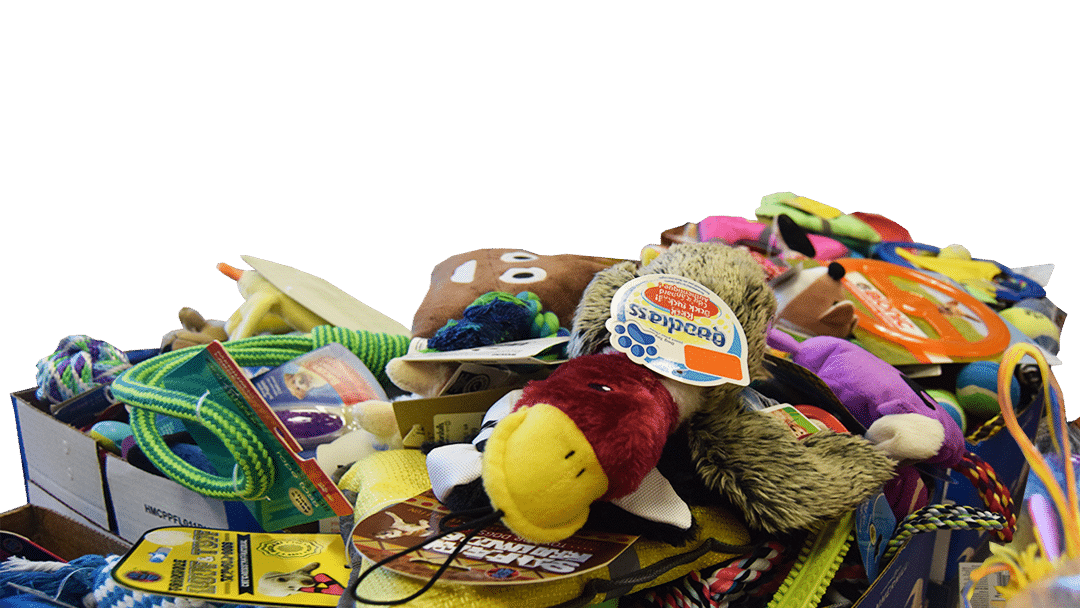
Have you ever wondered what to do with your dog’s old toys once they’re no longer a favorite? Instead of tossing them out, you might be thinking about donating them.
But can you really donate used dog toys? You want to make sure your generous act is safe and helpful, not harmful. Keep reading to find out exactly what you need to know before passing those toys on, so your donation brings joy and comfort to dogs in need.
Credit: joybound.org
Benefits Of Donating Dog Toys
Donating your used dog toys can bring real benefits to both animals and people. It’s not just about clearing space in your home; it’s about making a positive impact. You might be surprised how much a simple toy can brighten a dog’s day or ease the stress of a shelter environment.
Helping Animal Shelters
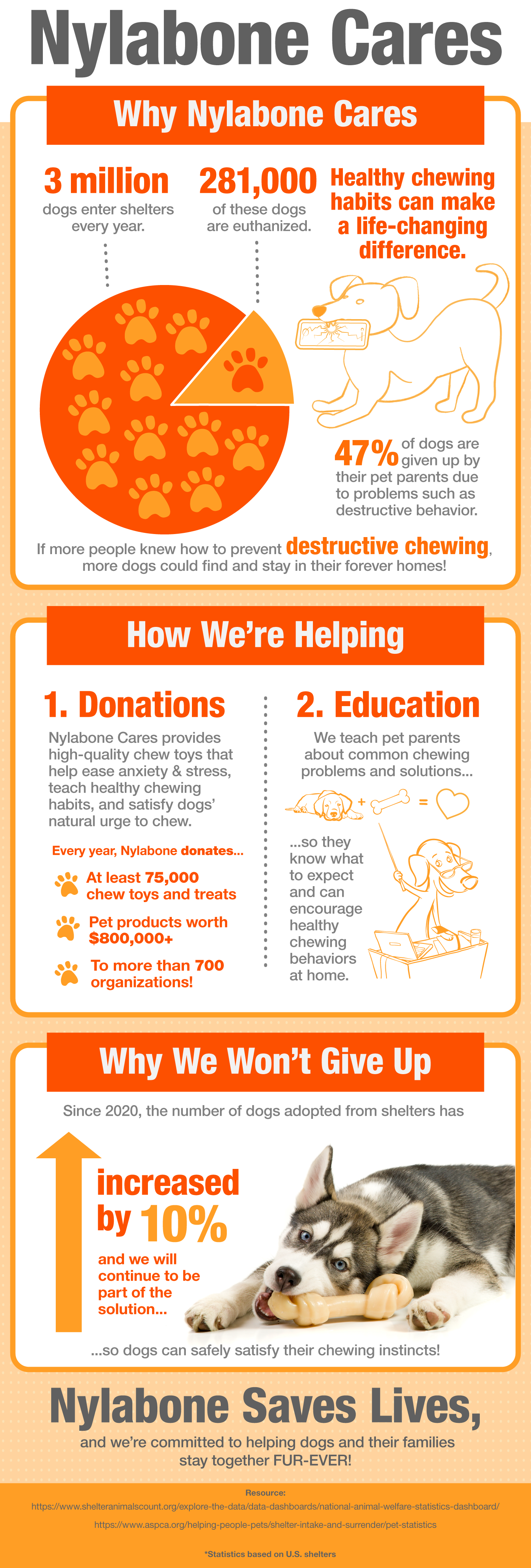
Animal shelters often operate on tight budgets and struggle to provide enough toys for the dogs in their care. By donating used dog toys, you help create a more stimulating environment that can reduce anxiety and promote healthy behavior.
When dogs have toys to chew, chase, or cuddle, they are less likely to develop destructive habits. Imagine how a worn-out squeaky toy from your home can become a source of comfort for a shelter dog waiting for a forever family.
Reducing Waste
Throwing away dog toys that are still in good shape adds to landfill waste. Donating these toys gives them a second life and keeps them out of the trash.
Think about how many plastic and rubber toys end up discarded every year. Your donation helps cut down on unnecessary waste and supports a more eco-friendly lifestyle.
Supporting Pet Owners In Need
Not every pet owner has the means to buy new toys, especially during tough times. Donated toys can be a great help to families who want to keep their pets happy but struggle financially.
When you donate, you’re directly supporting pet owners who want the best for their dogs but may lack resources. Could your old toy be the reason a dog stays entertained and loved in a difficult situation?
Types Of Dog Toys To Donate
Choosing the right types of dog toys to donate matters more than you might think. Not all toys are safe or suitable for reuse, so knowing which ones to pass along can help ensure they bring joy without harm. Let’s break down the types of dog toys that make the best donations and why.
Safe And Clean Toys
Always donate toys that are thoroughly cleaned and free from any damage. Toys with cracks, missing parts, or that have been chewed extensively can pose choking hazards or harbor bacteria. You want to offer toys that you would feel comfortable giving to your own pet or a friend’s dog.
A simple wash with mild soap and water often does the trick. Avoid toys that have absorbed unpleasant odors or stains that can’t be removed. Remember, safety and hygiene are the top priorities when donating used dog toys.
Durable And Non-toxic Materials
Look for toys made from tough materials that can withstand active play. Rubber, nylon, and high-quality fabric toys usually last longer and are safer than cheap plastic or foam ones that break apart easily. These durable toys reduce the risk of pieces breaking off and being swallowed.
Check labels for non-toxic materials to protect dogs’ health. Many pet stores list whether toys meet safety standards—this is a good guideline. If you’re unsure about a toy’s material, it’s better to leave it out of your donation pile.
Preferred Toy Varieties
Some toy types are generally preferred by shelters and dog rescues because they meet various dogs’ needs. Classic options include:
- Chew toys:Great for dogs who love to gnaw and need to relieve stress.
- Fetch toys:Balls and frisbees that encourage exercise and interaction.
- Soft plush toys:Ideal for gentle players and dogs who like to cuddle with their toys.
Consider the size of the dogs in the shelter too. Small toys can be dangerous for big dogs and vice versa. Would your toy be suitable for the average dog at the shelter? If not, it might be better to find a more fitting item to donate.
Preparing Toys For Donation
Getting your used dog toys ready for donation takes a bit of care. It’s not just about handing over old toys; it’s about ensuring they are safe and welcoming for new furry friends. Preparing them properly can make a big difference in how quickly and happily they find a new home.
Cleaning And Sanitizing
Dogs explore the world with their mouths, so keeping toys clean is essential. Wash fabric toys in hot water with pet-safe detergent to remove dirt and germs. For rubber or plastic toys, scrub them with warm soapy water, then rinse thoroughly to avoid any residue.
Sanitizing doesn’t mean harsh chemicals that can harm pets. Use a mixture of vinegar and water or pet-friendly disinfectant sprays. Have you ever noticed how a fresh, clean toy instantly looks more inviting? That’s the kind of feeling you want to create for the next dog.
Inspecting For Damage
Check each toy carefully for tears, cracks, or loose parts. Broken toys can be dangerous—they might choke or hurt a dog. If you find small pieces coming off or stuffing leaking, it’s best to recycle those toys instead of donating.
Think about the last time you gave a gift. Would you want to give something damaged? Dogs deserve toys that are safe and fun, so a quick inspection saves trouble down the road.
Sorting And Packaging
Sort toys by type and size to make it easier for shelters or rescues to distribute them. Group squeaky toys together, keep chew toys separate, and bundle soft toys in one package. This small effort helps volunteers quickly find what they need.
Use clean bags or boxes for packaging. Labeling the packages with the toy type or condition adds a professional touch and shows you care. How much easier would your donation be to use if everything was clearly organized?
Where To Donate Used Dog Toys
Wondering where your used dog toys can find a second life? Donating them is a great way to keep tails wagging and toys out of the landfill. But knowing the right places to bring these toys makes all the difference for your donation to have an impact.
Local Animal Shelters
Local animal shelters often welcome donations of gently used dog toys. These shelters rely heavily on community support to keep their furry residents entertained and comforted. Before dropping off your items, call ahead to confirm their current needs and donation guidelines.
Some shelters even have specific donation drives or wish lists online, making it easy for you to see what types of toys they prefer. Have you checked if your neighborhood shelter needs toys right now? Your donation could brighten a shelter dog’s day instantly.
Rescue Organizations
Rescue groups focus on rehabilitating and rehoming dogs, and they frequently appreciate toy donations. Toys can help reduce stress and provide comfort to dogs adjusting to new environments. Reach out to rescues in your area to ask about their donation process.
Many rescues have smaller facilities than shelters, so they may have limited storage. Consider donating only clean, safe toys that are in good condition. This ensures your donation goes to good use and doesn’t become a burden.
Community Pet Events
Community pet events and adoption fairs often collect donations for local animal groups. These events are perfect opportunities to donate your used dog toys directly to organizations or new pet owners. Check community bulletin boards or social media for upcoming events near you.
Attending these events can also connect you with other pet lovers and give you insight into how your donations help. Ever thought about how a simple toy could make a big difference at a local adoption fair? Your involvement could spark joy for pets and people alike.
Donation Guidelines And Policies
Donating used dog toys can be a wonderful way to give back, but it’s important to follow specific guidelines and policies. Organizations that accept donations often have clear rules to ensure the items are safe and useful for the animals they care for. Understanding these guidelines helps you prepare your donations properly and increases the chances your toys will be welcomed and appreciated.
Acceptable Conditions
Most shelters and rescues accept dog toys only if they are clean and in good condition. Toys with tears, missing parts, or excessive dirt usually get discarded to avoid health risks. You should wash fabric toys and sanitize hard toys before donating.
Think about whether you would give the toy to your own dog. If the answer is no, it’s better to recycle or dispose of it. Remember, safety is a top priority for these organizations and the dogs they care for.
Donation Limits
Many organizations set limits on how many toys you can donate at once. This helps them manage storage and avoid overwhelming their staff and volunteers. Sometimes, they only accept donations during specific times or events.
Check if there’s a limit on the types of toys as well. For instance, some shelters prefer chew toys over plush toys because they last longer. Knowing these limits can save you a trip and ensure your donation makes a positive impact.
Contacting Organizations In Advance
Before dropping off your dog toys, always reach out to the organization first. A quick call or email lets you confirm their current needs and donation hours. It also gives you a chance to ask about any special instructions for preparing your donation.
Personally, I once donated a box of toys without checking first, only to find out they weren’t accepting plush items at that time. It was frustrating and could have been avoided with a simple conversation. Wouldn’t you want your donation to help rather than end up unused?
Alternatives To Donating
Donating used dog toys is kind, but some toys may not be safe for donation. Some toys might be too worn or dirty. These toys can still serve a purpose in other ways. Exploring alternatives helps reduce waste and gives toys a second life. Here are some simple ideas to try instead of donating.
Recycling Programs
Many places accept plastic and rubber dog toys for recycling. Check local recycling centers for their rules. Some companies run special programs for pet products. Recycling keeps materials out of landfills. It helps turn old toys into new items. Always clean toys before recycling them.
Repurposing Old Toys
Old dog toys can have new uses around the house. Soft toys make great stuffing for cushions or pillows. Hard toys can be garden markers or small planters. Cut worn toys into smaller pieces for craft projects. Repurposing saves money and reduces trash. It also gives toys a fresh role.
Upcycling Ideas
Upcycling adds value and creativity to old dog toys. Use rope toys to make keychains or coasters. Turn balls into unique door stops or drawer pulls. Paint and decorate toys to make fun art pieces. Upcycling is a fun way to reuse and personalize items. It turns trash into treasure.
Impact Stories From Donors
Donating used dog toys makes a real difference. Donors share stories that show how these toys help shelter dogs. Each story highlights joy, comfort, and new beginnings for animals in need. These impact stories inspire others to contribute and create a caring community.
Shelter Success Stories
Shelters report happier dogs after receiving donated toys. Toys reduce stress and keep dogs active. Staff notice calmer, more social animals. One shelter shared how a shy dog became playful and friendly. The donated toys gave the dog confidence and comfort during tough times.
Personal Experiences
Donors often feel proud and connected to their gift. Many tell how donating old toys gave them joy. They see their pets’ favorite toys bring happiness to others. One donor said the act helped her cope with her dog’s loss. Sharing toys creates a bond between donors and shelter pets.
Encouraging Community Involvement
Stories encourage neighbors and friends to join the cause. Communities organize drives to collect gently used dog toys. Schools and clubs get involved, making donations a group effort. This teamwork builds stronger support for local shelters. Everyone plays a part in helping dogs find loving homes.
Credit: www.nylabone.com
Credit: gladdogsnation.com
Frequently Asked Questions
Can I Donate Used Dog Toys To Shelters?
Yes, many animal shelters accept used dog toys. Ensure they’re clean and in good condition. Contact your local shelter first to confirm their specific requirements. Donating toys can provide comfort and enrichment for shelter dogs, making their stay more enjoyable.
Are There Any Hygiene Concerns With Used Dog Toys?
Hygiene is crucial when donating used dog toys. Clean toys thoroughly to remove dirt and bacteria. Use mild soap and hot water for plastic toys. For fabric toys, a hot wash cycle is effective. Always inspect toys for damage or wear before donating.
What Types Of Dog Toys Are Best For Donation?
Durable and easy-to-clean toys are ideal for donation. Rubber, nylon, and hard plastic toys are popular choices. Avoid donating toys with small parts or those showing significant wear. Check with the shelter for their preferred types.
How Do I Prepare Dog Toys For Donation?
To prepare toys, first clean them thoroughly using appropriate methods. Remove any damaged parts to ensure safety. Package the toys neatly and label them if necessary. Contact the organization to understand their specific preparation guidelines before donating.
Conclusion
Donating used dog toys can help pets in need. Clean and safe toys bring joy to shelter dogs. Always check toys for damage before giving them away. Soft, non-toxic, and washable toys work best. Shelters appreciate donations that keep animals happy and active.
Sharing your used toys supports animals and reduces waste. Small acts like this make a big difference. Consider donating today and spread kindness to furry friends.

Emily Barker is the founder of ChillDogLife.com, a space dedicated to helping pup parents discover the best dog products, lifestyle tips, and cozy ideas for happier homes.
A lifelong dog lover, Emily combines her passion for pets with a knack for research to share trusted recommendations on everything from toys and furniture to health and everyday care.
Her goal is simple: to make life easier, stylish, and more joyful for dogs and the people who love them.




