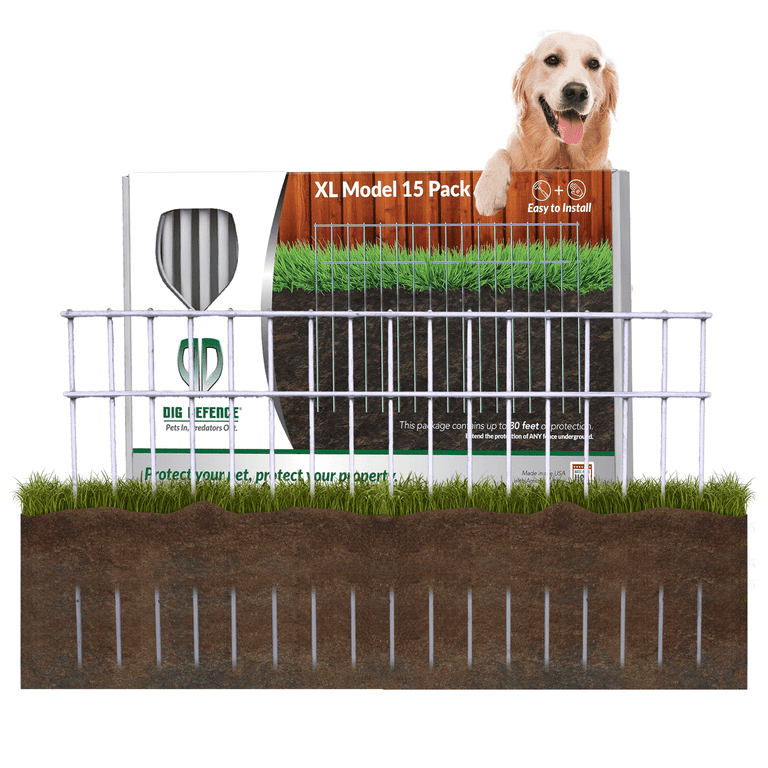
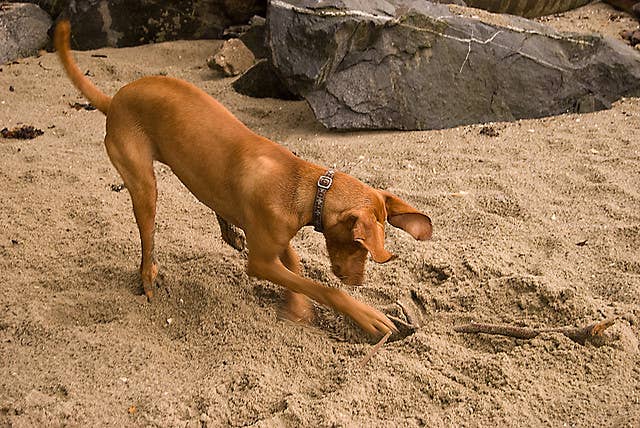
Is your dog turning your yard into a mini excavation site? You’re not alone.
Digging can be frustrating, especially when it damages your garden or leaves holes in your lawn. But before you get upset, it’s important to understand why your dog digs and how you can gently guide them to stop. You’ll discover simple, effective tips that work—not just quick fixes.
Ready to reclaim your yard and keep your furry friend happy? Keep reading to find out how to get your dog to stop digging for good.
Why Dogs Dig
Dogs dig for many reasons. This behavior is natural and often linked to their instincts. Understanding why dogs dig helps address the problem better. Some dogs dig to hunt or hide things. Others do it because they feel restless or anxious. Sometimes, digging is a way to find comfort. Recognizing these causes can guide you in stopping unwanted digging.
Instinctive Behavior
Digging is a natural behavior for many dogs. Wild ancestors dug to find food or create shelter. Some breeds have stronger digging instincts than others. Terriers and hounds, for example, often dig more. This action is part of their hunting and exploring nature. It gives them a way to express their natural urges.
Boredom And Anxiety
Dogs dig when they feel bored or stressed. Lack of exercise can cause them to dig out of frustration. A dog left alone for long hours may dig to stay busy. Anxiety can also trigger digging as a coping mechanism. This behavior helps them release nervous energy and feel calmer.
Searching For Comfort
Digging sometimes helps dogs feel cooler or warmer. On hot days, dogs dig to find cooler soil to lie on. In colder weather, they may dig to create a cozy spot. This behavior is a way for dogs to control their comfort. It helps them adjust to temperature changes outdoors.
Identifying Triggers
Understanding why your dog digs is the first step to stopping the behavior. Digging often signals something deeper, not just a random act of mischief. You need to identify what sets off this habit to address it effectively.
Environmental Factors
Look around your yard or garden. Is there a particular spot your dog always targets? Sometimes dogs dig to escape heat by reaching cooler soil or to hide toys and bones.
Consider distractions like loud noises or passing animals that might trigger anxiety or excitement. Have you noticed your dog digging more when neighbors are noisy or when wildlife visits your yard? These environmental cues can push your dog to dig as a way to cope or react.
Health Issues
Could your dog be digging because of discomfort or health problems? Dogs with itchy skin, parasites, or even arthritis might dig to relieve irritation or pain.
Watch for other signs like excessive licking, scratching, or limping. If your dog’s digging suddenly increases, a vet check-up can reveal hidden health issues that need attention.
Lack Of Exercise
A bored dog is a digging dog. If your dog isn’t getting enough physical activity, they will find ways to burn off energy, and digging is a favorite outlet.
Think about your dog’s daily routine—are walks and playtime enough to tire them out? Adding more exercise or engaging games can reduce digging by keeping your dog mentally and physically satisfied.
Training Techniques
Training your dog to stop digging requires patience and clear guidance. Dogs dig for many reasons, such as boredom, instinct, or seeking comfort. Using the right training techniques helps change this behavior without causing stress. Consistency and positive interaction are key to success.
Positive Reinforcement
Reward your dog when it behaves well. Praise and treats encourage good habits. Catch your dog in the moment it stops digging or ignores the urge. Give a treat or kind words immediately. This helps your dog understand which actions make you happy.
Use a calm voice and gentle petting as rewards too. Avoid punishment, as it can create fear or confusion. Positive reinforcement builds trust and makes training fun for your dog.
Redirecting Behavior
Offer an alternative to digging. Provide toys or a designated digging area. When your dog starts to dig, gently guide it to the approved spot. Encourage digging there instead. This satisfies your dog’s natural urge safely.
Play games that use energy and attention. Walks, fetch, or puzzle toys reduce boredom. A tired dog is less likely to dig out of frustration.
Using Commands Effectively
Teach simple commands like “No,” “Stop,” or “Leave it.” Use these words consistently during digging episodes. Say the command firmly but kindly. When your dog listens, reward immediately.
Practice commands in different places and times. This helps your dog respond no matter the situation. Clear commands help control unwanted digging quickly and safely.

Credit: petbarrier.com.au
Creating A Digging Zone
Creating a digging zone is an effective way to manage your dog’s natural urge to dig without damaging your yard. Instead of stopping the behavior completely, you guide your dog to dig in a specific spot. This approach respects your dog’s instincts while protecting the rest of your garden or lawn.
Designated Digging Area
Choose a spot in your yard that you don’t mind your dog digging up. It could be a corner, a sandbox, or a patch of soil away from plants and pathways. Make sure the area is easily accessible and safe for your dog to dig in.
Use clear boundaries to mark the digging zone. You can place small fences, garden edging, or even decorative stones around the space. This helps your dog recognize where digging is allowed and where it isn’t.
Encouraging Acceptable Digging
Encourage your dog to use the digging zone by hiding toys, treats, or favorite bones in the soil. This makes the area exciting and rewarding for them. Spend time playing with your dog in the zone to build a positive association.
If your dog starts digging outside the designated area, gently redirect them back to the digging zone. Consistency is key, so always reward digging in the right place. Have you noticed how dogs respond well to clear and positive guidance?
Maintaining The Zone
Keep the digging area fresh by turning the soil regularly and replenishing buried treats or toys. This prevents the spot from becoming boring or uncomfortable. Adding soft soil or sand can make digging more enjoyable for your dog.
Check for any hazards like sharp objects or toxic plants that could harm your dog. Maintaining a safe and inviting digging zone will keep your dog happy and your yard intact. How often do you think your dog needs new incentives to keep using their digging spot?
Physical And Mental Stimulation
Stopping your dog from digging starts with meeting their need for both physical and mental stimulation. Dogs often dig out of boredom or excess energy, so giving them proper outlets can redirect this behavior. By keeping your dog engaged, you reduce their urge to dig in unwanted places.
Regular Exercise
Exercise tires out your dog and lowers their energy levels, making digging less likely. Aim for at least 30 minutes of activity daily, like walks, fetch, or running. If your dog has lots of energy, try longer or more frequent sessions to wear them out.
Think about how your dog acts after a good workout—are they calm or still restless? If they’re still digging, you might need to increase the intensity or length of their exercise routine.
Interactive Toys
Interactive toys challenge your dog’s mind and keep them busy. Puzzle feeders and treat-dispensing toys can hold their attention for a while. These toys provide a fun way to focus their energy on something positive instead of digging.
Try rotating different toys to keep your dog interested. Have you noticed which toys your dog enjoys most? Use those to distract them during times they usually dig.
Mental Challenges
Dogs need mental workouts just like physical ones. Training sessions, learning new tricks, or scent games can stimulate your dog’s brain. These activities reduce boredom and satisfy their natural curiosity.
What new skill could you teach your dog today? Even short sessions can make a big difference in their behavior. Keep training fun and reward progress to keep your dog motivated.

Credit: www.reddit.com
Deterrents And Barriers
Stopping a dog from digging requires using deterrents and barriers. These help protect your yard and keep your dog safe. Deterrents make digging spots unpleasant for your dog. Barriers block access to favorite digging areas. Combining both gives the best results.
Natural Repellents
Natural repellents use smells dogs dislike. These scents discourage digging without harm. Common options include:
- Vinegar sprayed on soil
- Citrus peels scattered around
- Used coffee grounds
- Chili powder or cayenne pepper
Repeat application is important to keep the smell strong. Avoid using anything toxic or irritating to your dog’s skin.
Physical Barriers
Physical barriers stop dogs from reaching digging spots. These include:
- Chicken wire laid under soil
- Garden fencing around flower beds
- Large rocks or mulch covering soil
- Raised garden beds
Barriers must be secure and properly installed. Check often to ensure dogs do not find weak spots.
Safe Deterrent Tools
Safe tools help train dogs to avoid digging. Some popular options are:
- Motion-activated sprinklers that startle dogs
- Ultrasonic devices emitting sounds dogs dislike
- Plastic mats with nubs that feel uncomfortable
These tools do not harm dogs. They create negative experiences tied to digging areas. Use with positive training for best effect.
Professional Help
Sometimes, despite your best efforts, your dog’s digging habit won’t go away. That’s when professional help can make a real difference. Experts can offer tailored advice and strategies that fit your dog’s unique behavior and needs.
When To Consult A Trainer
If your dog’s digging is persistent and seems linked to anxiety, boredom, or excess energy, a professional trainer can help. Trainers observe your dog’s behavior and suggest practical exercises to redirect that energy.
They often use positive reinforcement to teach your dog new habits. Have you noticed if your dog digs more when you’re not around? Trainers can also help you build routines that reduce digging triggers.
Veterinary Advice
Sometimes digging signals an underlying health issue. If your dog suddenly starts digging more or obsessively, it’s worth a vet visit. Pain, skin problems, or even nutritional deficiencies might be the cause.
Your vet can rule out medical problems and suggest treatments that reduce discomfort or stress. Have you considered that your dog’s digging might be a way to self-soothe physical discomfort?
Behavioral Specialists
If your dog’s digging is extreme or linked to deeper emotional issues, a behavioral specialist can help. These experts dive into the root causes of anxiety, fear, or compulsive behaviors.
They work closely with you to develop a behavior modification plan. This often includes environmental changes and coping strategies to make your dog feel safe and less stressed. Would you want your dog to feel calmer without punishment or frustration?
Credit: pethelpful.com
Frequently Asked Questions
Why Do Dogs Dig In The Yard?
Dogs dig for many reasons, including boredom, hunting instinct, or seeking comfort. They might also dig to hide toys or escape. Understanding the root cause helps address the behavior effectively. Providing mental stimulation and physical exercise can reduce their urge to dig.
A designated digging area can also be a solution.
How Can I Stop My Dog From Digging?
To stop your dog from digging, provide ample exercise and mental stimulation. Distract them with toys and engage them in play. Designate a digging area if necessary. Reinforce positive behavior with treats and praise. Consistency in training is key to altering their habits effectively.
Are Certain Dog Breeds More Prone To Digging?
Yes, certain breeds like Terriers and Dachshunds are more prone to digging. These breeds have strong hunting instincts and enjoy burrowing. Understanding breed-specific traits can help in managing and redirecting their digging behavior. Providing appropriate outlets for their energy is essential for their well-being.
Does Lack Of Exercise Cause Dogs To Dig?
Yes, lack of exercise can lead to digging as dogs seek outlets for energy. Regular physical activity and mental challenges keep them entertained and reduce unwanted behaviors. Ensuring your dog has enough exercise can prevent them from resorting to destructive digging habits.
Conclusion
Stopping your dog from digging takes patience and clear steps. Give your dog plenty of exercise to burn off energy. Create a special digging spot where digging is allowed. Use positive rewards when your dog digs in the right place.
Redirect your dog’s attention if it starts digging elsewhere. Consistency is key to changing this behavior. Small changes can lead to big results. Stay calm and keep trying. Your dog will learn and your yard will stay neat.

Emily Barker is the founder of ChillDogLife.com, a space dedicated to helping pup parents discover the best dog products, lifestyle tips, and cozy ideas for happier homes.
A lifelong dog lover, Emily combines her passion for pets with a knack for research to share trusted recommendations on everything from toys and furniture to health and everyday care.
Her goal is simple: to make life easier, stylish, and more joyful for dogs and the people who love them.




