Is your dog barking nonstop in the kennel, leaving you frustrated and worried? You’re not alone.
Constant barking can be stressful for both you and your furry friend. But don’t worry—there are simple, effective ways to calm your dog down and create a peaceful space. You’ll discover practical tips that you can start using today to stop your dog from barking in the kennel.
Keep reading, and you’ll soon enjoy quiet moments and a happier pet.
Credit: www.noon.com
Reasons Dogs Bark In Kennels
Dogs bark in kennels for many reasons. Understanding these reasons helps to reduce barking. Barking is a form of communication for dogs. It shows their feelings and needs. Identifying the cause lets owners respond properly. This section explains common reasons dogs bark in kennels.
Separation Anxiety
Many dogs feel lonely when left alone in kennels. They miss their owners and get anxious. This anxiety makes them bark loudly and often. Barking is their way to call for attention. It shows their stress and discomfort from being apart.
Boredom And Lack Of Stimulation
Dogs need mental and physical activity to stay happy. Kennels can be boring with no toys or playtime. Without enough stimulation, dogs bark to release energy. Barking helps them cope with boredom and restlessness. Providing toys or exercise reduces this type of barking.
Discomfort Or Fear
Unfamiliar surroundings can make dogs feel scared. Noise, smells, or other animals in kennels cause fear. Barking is a reaction to this discomfort. It is a way to warn or protect themselves. Comfort and calm environment lower fear-driven barking.
Attention Seeking
Dogs learn that barking gets owner’s attention. They bark to get petting, food, or playtime. In kennels, barking becomes a tool to connect with people. This behavior increases if owners respond to it. Ignoring or redirecting barking can stop attention-seeking sounds.
Credit: www.dogsavvylosangeles.com
Preparing The Kennel Environment
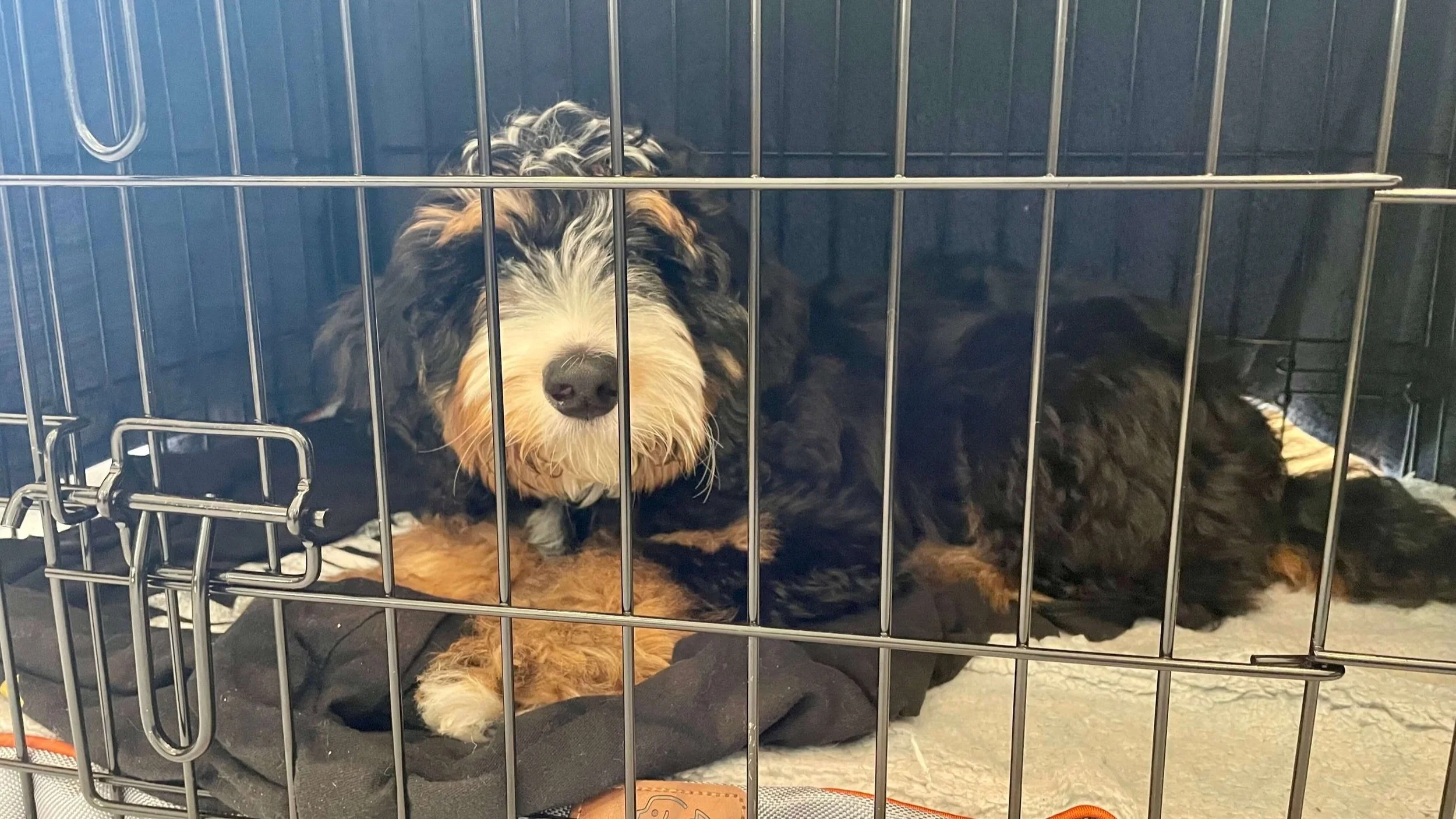
Create a calm and comfortable space inside the kennel to reduce barking. Use soft bedding and familiar toys to help your dog feel safe and relaxed. Keep the area quiet and free from distractions that may trigger noise.
Preparing your dog's kennel environment can make a big difference in reducing barking. A comfortable and calm space helps your dog feel secure. This reduces stress and noise. Here are some key points to consider.Choosing The Right Kennel Size
Ensure the kennel is neither too big nor too small. Your dog should stand, turn, and lie comfortably. A kennel that’s too large may make them feel insecure. Proper size provides a sense of security.Providing Comfort And Familiar Items
Add a soft bed or blanket for comfort. Familiar items like toys or an old shirt with your scent can be soothing. These items make the kennel feel like a safe space.Reducing Noise And Distractions
Place the kennel in a quiet area of your home. Use curtains or a kennel cover to block out light and noise. This creates a calm environment, helping your dog relax. Reducing distractions can significantly cut down on barking.Training Techniques To Reduce Barking
Training your dog to reduce barking in the kennel requires patience and clear communication. Using the right techniques can help your dog understand when to be quiet without feeling stressed or ignored. These training methods focus on rewarding good behavior and gradually changing your dog’s reaction to triggers that cause barking.
Positive Reinforcement
Positive reinforcement means rewarding your dog when they stay calm and quiet in the kennel. Use treats, praise, or a favorite toy to encourage silence. This helps your dog connect being quiet with something enjoyable.
Start by giving a treat the moment your dog stops barking. Timing is key—rewarding too late can confuse your dog. Over time, your dog will learn that quiet behavior earns rewards, making barking less frequent.
Teaching Quiet Commands
Teaching a clear “quiet” command gives your dog a way to understand when barking isn’t allowed. Begin by letting your dog bark a couple of times, then say “quiet” firmly but calmly. Once your dog stops barking, immediately reward them.
Practice this regularly in short sessions. Be consistent with the command and reward system. This helps your dog learn to respond to your voice instead of barking out of habit or stress.
Desensitization And Counterconditioning
Dogs often bark in kennels due to anxiety or excitement caused by certain sounds or sights. Desensitization means slowly exposing your dog to these triggers at a low intensity. Start with quiet sounds or distant sights that normally cause barking.
Pair these exposures with positive experiences like treats or play. Gradually increase the intensity of the trigger while keeping your dog calm. This changes your dog’s emotional response and reduces the urge to bark.
Using Tools And Aids
Using tools and aids can make a big difference when trying to stop your dog from barking in a kennel. These products provide extra support and can help reduce your dog’s anxiety or boredom. Choosing the right aid can ease the process and improve your dog’s comfort.
Anti-bark Collars
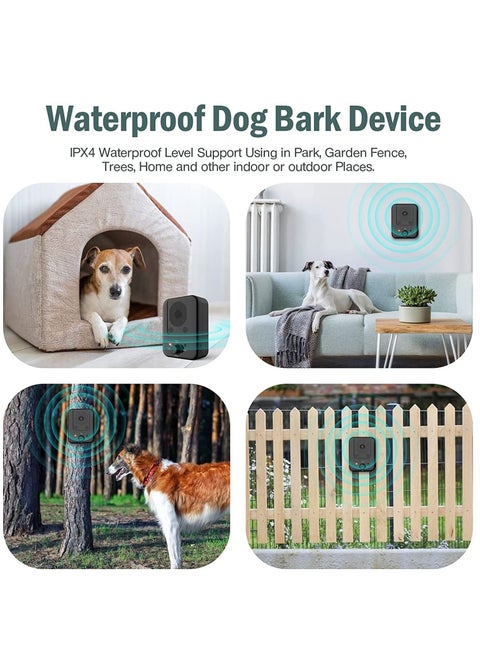
Anti-bark collars are designed to discourage excessive barking by delivering a gentle stimulus when your dog barks. Some use vibrations, others emit a harmless spray or sound that captures your dog’s attention without causing pain.
When I tried a vibration collar on my restless beagle, I noticed he stopped barking within a few days, especially during kennel time. It’s important to pick a collar that fits well and suits your dog’s size and temperament.
Have you considered how your dog reacts to sudden stimuli? These collars work best when introduced gradually and paired with positive reinforcement.
White Noise Machines
White noise machines create a steady, soothing background sound that can block out noises triggering your dog’s barking. The constant sound helps mask sudden disturbances outside the kennel, making your dog feel calmer.
Using white noise at night helped my dog sleep more soundly and bark less when left alone. It’s a simple tool that can be especially useful if your dog is sensitive to environmental noises.
Think about the sounds around your dog’s kennel. Could a steady noise help reduce the triggers causing your dog to bark?
Interactive Toys And Puzzles
Keeping your dog mentally busy with interactive toys or puzzle feeders can lower barking caused by boredom or anxiety. These toys challenge your dog’s mind and distract them from the urge to bark.
I gave my dog a treat-dispensing puzzle during kennel time, and his barking dropped noticeably. It’s a fun way to engage your dog and reward calm behavior at the same time.
What kind of toys does your dog enjoy? Adding puzzles or chew toys might be the key to a quieter kennel experience.
Exercise And Mental Stimulation
Exercise and mental stimulation help reduce a dog’s barking in a kennel. Dogs often bark because they feel bored or restless. Giving them enough activity keeps their minds and bodies busy. This lowers stress and makes them calmer in the kennel. Consistent exercise and play can stop barking before it starts.
Daily Physical Activity
Daily walks provide essential exercise for dogs. This helps burn off extra energy that causes barking. Running or playing in a yard also works well. Aim for at least 30 minutes of activity each day. Regular movement keeps dogs tired and relaxed. A tired dog barks less and rests more in the kennel.
Engaging Playtime
Interactive toys can keep dogs mentally busy. Puzzle feeders and chew toys challenge their minds. Playing fetch or tug-of-war involves both exercise and focus. These activities reduce boredom and frustration. Short, frequent play sessions work best. A dog that enjoys playtime is less likely to bark out of boredom.
Training Sessions
Training provides mental work that tires dogs quickly. Teaching basic commands or tricks requires concentration. Use short, positive training sessions daily. This improves obedience and reduces anxiety. Training builds a stronger bond with your dog. A well-trained dog feels more secure and barks less in the kennel.

Credit: www.dogsavvylosangeles.com
Managing Anxiety And Stress
Managing anxiety and stress is key to reducing barking in kennels. Dogs often bark out of fear or discomfort. Calm dogs are less likely to bark loudly or frequently. Helping your dog feel safe lowers stress and stops excessive noise. Several tools and strategies ease anxiety for dogs in kennels.
Calming Supplements And Products
Calming supplements can soothe dogs naturally. Ingredients like chamomile, valerian root, and CBD are popular. These supplements reduce nervousness and promote relaxation. Many come in treats or chewables for easy use. Products like anxiety wraps and pheromone diffusers help too. They create a sense of security and calm inside the kennel.
Professional Help And Behaviorists
Behaviorists understand dog anxiety deeply. They identify triggers causing barking and stress. A professional can design a customized plan for your dog. Training sessions teach coping skills and calm behavior. Experts may recommend desensitization or counter-conditioning techniques. Their guidance speeds up progress and improves results.
Creating A Routine
Dogs thrive on routine and predictability. Set regular feeding, walking, and play times. A steady schedule reduces uncertainty and fear. Quiet time before bed helps dogs settle down. Consistent routines build trust and lower anxiety levels. Your dog learns when to relax and when to be alert.
Frequently Asked Questions
How Can I Reduce Kennel Barking In My Dog?
To reduce kennel barking, provide regular exercise and mental stimulation. Use positive reinforcement to reward quiet behavior. Ensure the kennel is comfortable and not isolated. Consistency and patience are key to training success.
Why Does My Dog Bark Excessively In The Kennel?
Dogs bark in kennels due to boredom, anxiety, or lack of exercise. They may also bark for attention or due to unfamiliar surroundings. Identifying the cause helps tailor effective training and comfort measures.
What Are Effective Ways To Train A Dog To Stop Barking?
Effective training includes teaching the “quiet” command, rewarding silence, and ignoring attention-seeking barks. Use distractions and gradual exposure to triggers. Consistency and calm corrections help reinforce good behavior.
Can Kennel Environment Affect A Dog’s Barking Habits?
Yes, a noisy, uncomfortable, or isolated kennel can increase barking. Creating a cozy, quiet space with toys and familiar scents reduces anxiety and barking. Proper kennel setup improves your dog’s comfort and behavior.
Conclusion
Stopping a dog from barking in a kennel takes patience and care. Consistent training helps your dog feel calm and safe. Use gentle commands and rewards to encourage quiet behavior. Make sure the kennel is comfortable and not scary. Give your dog plenty of attention and exercise outside the kennel.
Quiet moments will come with time and love. Keep practicing daily to see the best results. Your dog will learn to stay calm and happy inside the kennel.

Emily Barker is the founder of ChillDogLife.com, a space dedicated to helping pup parents discover the best dog products, lifestyle tips, and cozy ideas for happier homes.
A lifelong dog lover, Emily combines her passion for pets with a knack for research to share trusted recommendations on everything from toys and furniture to health and everyday care.
Her goal is simple: to make life easier, stylish, and more joyful for dogs and the people who love them.




