
Thinking about finding a new home for your dog? It’s not an easy decision, and you want to make sure your furry friend ends up somewhere safe and loving.
You might be wondering, “Where should I put my dog up for adoption? ” This guide will help you explore the best options, so your dog gets the care and attention they deserve. Keep reading to learn how to make this process as smooth and kind as possible—for both you and your pet.
Animal Shelters
Animal shelters serve as safe places for dogs that need new homes. They care for pets until someone adopts them. Shelters often work hard to find loving families for these animals. Choosing a shelter can help your dog find a fresh start. It also supports community efforts to protect animals.
Local Shelters Near You
Many towns and cities have animal shelters nearby. These shelters accept dogs for adoption and provide care. You can find local shelters by searching online or asking your vet. Visiting a nearby shelter makes the process easier and faster. It also allows you to check the shelter’s conditions and meet the staff.
Benefits Of Shelters
- Shelters provide food, medical care, and safe housing for dogs.
- Staff members are trained to handle pets with care.
- They help dogs adjust and prepare for new homes.
- Shelters screen potential adopters to ensure a good match.
- Many shelters also offer support to pet owners during adoption.
What To Expect When You Visit
Expect a clean and organized environment focused on animal welfare. Staff will ask questions about your dog’s history and needs. They may perform a health check and behavior assessment. You will fill out paperwork to start the adoption process. Shelter workers will explain their policies and answer your questions.

Credit: www.aspca.org
Breed-specific Rescues
Breed-specific rescues focus on finding homes for particular dog breeds. These groups understand breed traits and match dogs with the right families. Choosing them helps ensure your dog gets care suited to its needs.
Finding a loving home for your dog can be an emotional journey, especially when you’re searching for the perfect environment that caters specifically to their needs. Breed-specific rescues offer a unique solution by focusing on particular breeds, ensuring that your pet finds a home with individuals who understand and appreciate their unique traits. These organizations are dedicated to the welfare of specific breeds, providing specialized care and attention that general shelters may not be able to offer.Finding Breed Rescues
Locating a breed-specific rescue is easier than you might think. Start by searching online for rescue groups dedicated to your dog’s breed. Websites like the American Kennel Club (AKC) often have directories of breed-specific rescues across the country. Networking within breed communities can also be incredibly helpful. Reach out to local clubs or social media groups dedicated to your dog’s breed to gather recommendations. Many of these communities are passionate about their breed and can guide you to reputable rescues.Advantages Of Specialized Care
Breed-specific rescues provide a tailored environment that understands the unique needs of your dog. They have the expertise to handle breed-specific behaviors, health concerns, and training requirements. This specialized knowledge ensures that your dog receives the best possible care and attention. Moreover, these rescues often have a network of breed enthusiasts who are eager to adopt. Your dog is more likely to end up in a home that truly understands and appreciates their quirks and charms. This can provide you with peace of mind, knowing your pet is in the right hands.Application Process
The application process for breed-specific rescues can be thorough, ensuring that every dog finds the right home. Be prepared to fill out detailed forms about your dog’s history, personality, and any special needs. This information helps the rescue match your dog with potential adopters who are the best fit. Expect interviews and possibly a home visit as part of the process. These steps are in place to ensure a seamless transition for your dog to their new home. Remember, the goal is to find a loving and understanding environment for your pet, making the detailed process worthwhile.Rescue Groups And Nonprofits
Choosing to place your dog with a rescue group or nonprofit can make a huge difference in their future. These organizations focus solely on the well-being and rehoming of animals, often providing personalized care and finding the right match for your dog. If you want your pet to get a second chance in a loving home, rescue groups offer a thoughtful and supportive path.
How Rescue Groups Operate
Rescue groups usually work with limited resources but unlimited dedication. They rely on volunteers and foster homes to care for dogs until they find permanent families. Many rescue groups conduct thorough health checks and behavioral assessments to ensure your dog is ready for adoption.
These organizations often network with other rescues and shelters to increase your dog’s chances of finding the perfect home. Unlike some shelters, rescue groups tend to focus on individual animals, giving them more attention and tailored care. Would you want your dog to be in a place that treats them like a number or a unique soul?
Popular National Organizations
- Best Friends Animal Society:Known for its no-kill philosophy and extensive network of foster homes.
- The Humane Society of the United States:Offers resources and support for pet adoption nationwide.
- American Society for the Prevention of Cruelty to Animals (ASPCA):Provides rescue services and adoption programs across many states.
These groups often have websites where you can list your dog or get guidance on the adoption process. Checking their eligibility criteria early can save you time and help you prepare your dog for adoption.
Volunteer And Foster Networks
Volunteers play a vital role in the rescue ecosystem. They help by walking dogs, providing training, and sometimes even transporting animals to new homes. If you’re worried about how your dog will adapt, fostering could be an option to consider before full adoption.
Foster homes act as temporary families, giving dogs a safe and loving environment outside of shelters. This setup can reveal your dog’s true personality, helping the rescue group match them with the right adopter. Have you thought about how a foster might ease your dog’s transition and improve their chances of finding a forever home?
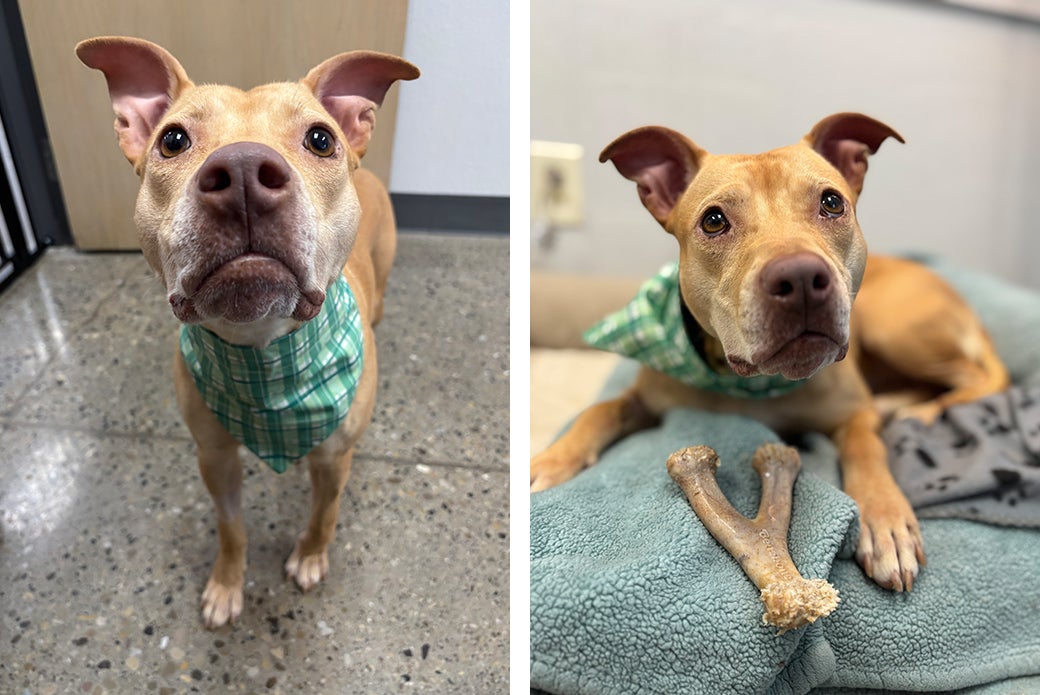
Credit: www.aspca.org
Online Adoption Platforms
Online adoption platforms have transformed how people find new homes for their dogs. These websites connect pet owners with potential adopters beyond local communities, increasing your dog’s chances of finding a great family. However, using these platforms effectively requires some attention to detail and safety.
Trusted Websites To List Your Dog
Choose reputable sites that focus on pet adoption to ensure serious inquiries and good support. Sites like Petfinder, Adopt-a-Pet, and Rescue Groupshave large audiences and helpful resources.
These platforms often partner with shelters and rescue groups, adding credibility to your listing. You can also check if your local animal shelter offers an online listing service for added trust.
Creating An Effective Listing
Write clear, honest descriptions highlighting your dog’s personality, habits, and health status. Use recent, high-quality photos showing your dog in natural light and relaxed poses.
Include details like age, breed, behavior around kids or other pets, and any special needs. Consider adding a short video to show your dog’s energy and temperament—it helps potential adopters connect emotionally.
- Be upfront about medical history and vaccinations
- Specify what type of home suits your dog best
- Provide your contact information and response times
Safety Tips For Online Adoption
Protect yourself and your dog by screening potential adopters carefully. Ask for references, conduct phone or video interviews, and verify their living situation.
Never share your home address or personal details until you feel confident in the adopter’s intentions. Arrange initial meetings in public places or at a shelter to keep things safe for everyone.
Trust your instincts. If something feels off during communication, it’s okay to pause and reassess the situation.
Veterinary Clinics And Pet Stores
Veterinary clinics and pet stores often serve as trusted places to find new homes for dogs. These locations connect pet owners with local communities interested in adoption. Both places have regular visitors who care about animals and may want to adopt.
Veterinary clinics know many pet lovers and can help spread the word. Pet stores often have community boards or staff who can share adoption information. These spots create a natural link between pets needing homes and people ready to adopt.
Community Boards And Referrals
Community boards at clinics and stores display adoption notices. You can post your dog’s photo and details there. Visitors often check these boards for pets needing homes.
Staff and other pet owners can also refer interested adopters. Referrals build trust and increase chances of finding a good home. Ask permission to use these boards and keep your post updated.
Partner Programs For Adoption
Some clinics and stores run partner programs with shelters. These programs help pets move from owners to new families. They may offer events or special days to promote adoption.
Joining such a program can increase exposure for your dog. Staff guide you through the process and screen potential adopters. This support makes adoption safer and easier for everyone.
What To Ask Your Vet
- Can I post my dog’s adoption ad on your community board?
- Do you know local adopters or rescue groups interested in dogs?
- Are there any upcoming adoption events I can join?
- What health checks or vaccinations should my dog have before adoption?
- Can you help verify the home environment of potential adopters?
Asking these questions helps you prepare and find the best home. Your vet’s advice ensures your dog’s safety and well-being during adoption.
Preparing Your Dog For Adoption
Preparing your dog for adoption helps ensure a smooth transition to a new home. It shows potential adopters that your dog is healthy and well cared for. This preparation builds trust and increases the chances of a quick adoption.
Health Checks And Vaccinations
Start with a full health check by a vet. Your dog should be free of illnesses and parasites. Update all vaccinations to protect against common diseases. Spaying or neutering your dog is important before adoption. Regular grooming and dental care improve your dog’s appearance and comfort.
Behavioral Assessments
Observe your dog’s behavior in different settings. Note how your dog reacts to other animals and people. Identify any fears or aggression to address them early. Basic training helps your dog learn commands and manners. A calm, friendly dog appeals more to adopters.
Gathering Important Documents
Collect all health records from your vet visits. Include vaccination history and any medical treatments. Prepare a list of your dog’s habits and likes. Write down feeding instructions and favorite toys. These documents help new owners care for your dog properly.
Screening Potential Adopters
Screening potential adopters is a crucial part of placing your dog in a new home. It helps ensure the dog’s safety and happiness. Careful screening reduces the chance of the dog being returned or neglected.
Knowing who will take care of your dog gives peace of mind. It also helps find the best fit for your dog’s personality and needs.
Key Questions To Ask
- Do you have experience with dogs?
- What is your daily routine like?
- Do you have other pets or children?
- Where will the dog live—indoors or outdoors?
- Can you afford regular vet care and food?
- Are you prepared for long-term commitment?
- How will you handle training and exercise?
Home Visit Importance
Visiting the adopter’s home shows the environment your dog will enter. It helps check if the space is safe and dog-friendly.
Seeing the home helps confirm answers from the interview. It also allows assessing if the dog will feel comfortable there.
A home visit can reveal hidden risks like unsafe fencing or toxic plants. It also helps build trust with the adopter.
Ensuring A Good Match
Matching your dog’s needs with the adopter’s lifestyle is key. A calm dog fits better with a quiet family.
High-energy dogs do better with active adopters who can exercise them daily. Age and size also matter in matching.
Consider personality traits. Friendly dogs need social adopters. Shy dogs may need patient, quiet homes.
Good matches reduce stress for both dog and adopter. They increase chances of a lasting, happy relationship.

Credit: rockykanaka.com
Frequently Asked Questions
Where Can I Safely Put My Dog Up For Adoption?
You can place your dog with local animal shelters, rescue groups, or reputable adoption websites. These ensure your dog finds a loving home quickly and safely. Always choose licensed and trusted organizations for the best care and rehoming process.
How Do I Prepare My Dog For Adoption?
Prepare your dog by updating vaccinations, grooming, and providing medical records. Share your dog’s personality traits and habits with the adoption agency. This helps match your dog with the right new family and ensures a smooth transition.
What Information Should I Provide When Putting My Dog Up For Adoption?
Provide your dog’s age, breed, health history, and behavior details. Include any special needs or preferences to help adopters understand your dog better. Clear information increases the chances of finding a compatible and caring new owner.
Can I Put My Dog Up For Adoption Online?
Yes, many websites specialize in pet adoption listings. Use trusted platforms with good reviews to reach potential adopters. Online adoption broadens your dog’s exposure and speeds up the rehoming process safely.
Conclusion
Finding the right place to put your dog up for adoption is important. Choose shelters or rescue groups that care about animals. Ask friends or local vets for trusted options. Always think about your dog’s safety and happiness first. Taking time to find the best home helps your dog live well.
Trust your heart and do what feels right. Your dog deserves a loving family and a fresh start. Every effort counts in giving your pet a better life.

Emily Barker is the founder of ChillDogLife.com, a space dedicated to helping pup parents discover the best dog products, lifestyle tips, and cozy ideas for happier homes.
A lifelong dog lover, Emily combines her passion for pets with a knack for research to share trusted recommendations on everything from toys and furniture to health and everyday care.
Her goal is simple: to make life easier, stylish, and more joyful for dogs and the people who love them.




