
Choosing the right size dog crate can make a huge difference for both you and your furry friend. If the crate is too small, your dog won’t be comfortable.
If it’s too big, it might lose its purpose as a safe, cozy space. So, how big should a dog crate be? You’ll discover the simple secrets to picking the perfect crate size that keeps your dog happy, calm, and secure.
Keep reading, and you’ll learn easy tips that can make your dog’s crate feel like a true home.
Choosing The Right Size
Choosing the right size for your dog's crate is essential for their comfort and safety. A crate that’s too small can make your dog feel cramped and stressed. On the other hand, a crate that’s too large may not provide the sense of security dogs often seek. Finding the perfect fit requires careful measurement and consideration of several factors.
Measuring Your Dog
Start by measuring your dog from the tip of the nose to the base of the tail. Add a few inches to this length to ensure your dog can stretch out comfortably inside the crate.
Next, measure your dog’s height from the floor to the top of their head or ears when sitting. This helps determine the crate’s height requirement so your dog can stand without hitting their head.
Don’t forget to consider the width. Your dog should be able to turn around easily, so the crate needs to be wide enough for this movement.
Considering Growth And Age
If you have a puppy, think about how much they will grow. Crates that are adjustable or come with dividers can be very useful in these cases.
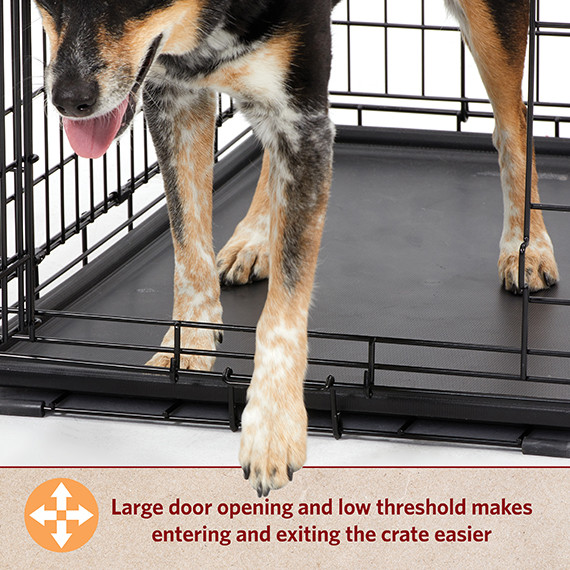
Older dogs might prefer a crate that’s easier to enter and exit. Lower doors or ramps can make a big difference to their comfort.
Ask yourself: How long will this crate serve your dog? Choosing one that accommodates growth can save you time and money.
Breed And Size Factors
Breed characteristics often influence crate size needs. For example, a Dachshund requires a different size than a Labrador Retriever.
Consider your dog’s body shape too. Long-bodied breeds need more length, while tall breeds need more height.
Look up breed-specific crate recommendations online to get a starting point, but always tailor the choice to your individual dog’s measurements.

Credit: carlsonpetproducts.com
Types Of Dog Crates
Choosing the right type of dog crate is essential. Different crates suit different needs. Let’s explore the main types.
Wire Crates
Wire crates offer great ventilation. They allow dogs to see their surroundings. These crates are easy to clean. They fold flat for storage. Wire crates are durable and strong. Perfect for home use, they’re ideal for training too.
Plastic Crates
Plastic crates are sturdy and lightweight. They provide a cozy and secure environment. These crates are ideal for travel. Many airlines approve them for flights. They’re great for anxious dogs. The enclosed design offers a sense of safety.
Soft-sided Crates
Soft-sided crates are portable and lightweight. They’re perfect for small dogs. These crates are easy to carry. Suitable for indoor use, they’re great for calm dogs. The fabric is breathable and comfortable. They offer a cozy space for your pet.
Size Guidelines For Different Breeds
Choosing the right crate size depends largely on your dog’s breed and size. Each breed has unique needs for space to stand, turn around, and lie down comfortably. Matching the crate size to your dog’s breed ensures they feel secure, not cramped or overwhelmed.
Small Breeds
Small breeds like Chihuahuas, Pomeranians, and Yorkshire Terriers usually need crates around 18 to 24 inches long. This size gives them enough room to stretch without excess space that might make them feel insecure. If you have more than one small dog, consider a slightly larger crate or separate crates to avoid territorial stress.
Medium Breeds
Medium breeds such as Beagles, Cocker Spaniels, and Bulldogs often fit well in crates sized between 24 to 30 inches. This size allows them to move comfortably and helps with house training by limiting space. Have you noticed your dog’s favorite sleeping position? Use that to gauge if the crate size fits well.
Large Breeds
Large breeds like Golden Retrievers, Labradors, and German Shepherds generally require crates that are 36 to 42 inches long. These breeds need ample room to lie down fully and turn around without stress. Think about your dog’s height when standing and add a few inches to avoid any cramped feeling.
Giant Breeds
Giant breeds such as Great Danes, Saint Bernards, and Mastiffs need the biggest crates—usually 48 inches or more. Crates for these dogs must allow full extension of legs and an easy turn to prevent discomfort. If your giant dog spends a lot of time in the crate, consider adding soft bedding to cushion their joints.
Comfort And Safety Tips
Choosing the right dog crate size is vital for your dog's comfort and safety. A crate should feel like a cozy den, not a cramped cage. Giving your dog enough space helps reduce stress and keeps them calm. Safety means preventing injuries and allowing your dog to rest well. Here are some tips to make the crate a safe and comfy place for your pet.
Allowing Space To Move
Your dog needs room to stand up, turn around, and lie down easily. The crate should be just big enough for these movements. Too small, and your dog feels trapped. Too large, and they may use one corner as a bathroom. Measure your dog’s length and height, then add a few inches for comfort. This space helps your dog relax and stay happy.
Ventilation And Visibility
Good airflow keeps the crate fresh and cool. Choose a crate with enough openings for air to flow freely. Your dog should see outside to avoid feeling isolated. Proper ventilation also stops moisture and odors from building up. Clear visibility helps your dog feel safe and less anxious.
Adding Bedding And Toys
Soft bedding makes the crate warm and inviting. Use washable pads or blankets that fit well inside. Avoid thick bedding if the crate is small, as it reduces space. Include a few favorite toys to keep your dog entertained. Toys also provide comfort and reduce boredom when alone.
Common Mistakes To Avoid
Choosing the right size for a dog crate can be tricky. Many dog owners make common mistakes that affect their pet’s comfort and safety. Avoiding these errors helps create a cozy and secure space for your dog.
Crate Too Small
A crate that is too small restricts your dog’s movement. It causes discomfort and stress. Your dog should be able to stand, turn, and lie down easily. A small crate can lead to anxiety and behavior issues. Always measure your dog before buying a crate.
Crate Too Large
A crate that is too large can also cause problems. Dogs may use one corner as a bathroom, which defeats the crate’s purpose. A large crate feels less secure and may not provide the cozy feeling dogs need. The crate should be just the right size for comfort and cleanliness.
Ignoring Your Dog’s Preferences
Every dog is different. Some prefer open spaces, while others like enclosed crates. Ignoring your dog’s likes can make crate training harder. Observe your dog’s behavior and adjust the crate environment. Adding soft bedding or covering the crate can help your dog feel safe.
Credit: www.rayallen.com
Adjusting Crate Size Over Time
Adjusting your dog's crate size over time is essential for their comfort and well-being. Dogs grow, change, and sometimes need a different space depending on their age and behavior. Paying attention to these shifts ensures your dog feels secure without being cramped or overwhelmed.
Puppy To Adult Transition
Puppies grow fast, and their crate needs to grow with them. A crate that fits a small puppy will soon feel too tight as they become an adult dog. You might consider a crate with a divider panel that lets you adjust the space as your puppy grows.
Have you noticed your puppy trying to stretch or turn around uncomfortably? That’s a clear sign to increase the crate size. Giving your dog enough room to stand, turn, and lie down comfortably helps them relax and reduces stress.
Seasonal Considerations
Seasonal changes can affect how much space your dog needs inside their crate. In colder months, your dog might prefer a smaller, cozier space to retain warmth. In summer, a slightly larger crate with good airflow can keep them cooler.
You might add a soft blanket or a cooling mat based on the season. Think about your dog’s comfort in different weather—does their behavior change? Adjusting crate size or accessories seasonally can make a big difference.
Behavioral Changes
As your dog matures, their behavior can influence crate size needs. A more anxious dog may benefit from a snugger crate that feels like a safe den. Conversely, an active or restless dog might need extra space to settle down comfortably.
Observe how your dog uses the crate. Are they pacing or scratching at the walls? These signs might mean the crate is too small or too large. Tweaking the size or adding calming elements can improve their crate experience significantly.
Crate Training Tips
Getting your dog comfortable with a crate is more than just placing them inside. It’s about creating a safe space that feels inviting and secure. The right approach helps your dog see the crate as a positive place, not a punishment.
Introducing The Crate
Start by placing the crate in a common area where your dog spends time. Leave the door open and add a soft blanket or favorite toy inside. Let your dog explore the crate at their own pace without forcing them in.
Try feeding your dog near or inside the crate to build positive associations. Watch how your dog reacts—is the crate a curiosity or a source of hesitation? Patience here sets the tone for future success.
Positive Reinforcement
Use treats and praise to reward your dog whenever they enter or stay calm in the crate. This encourages good behavior and shows the crate is a place of rewards. Avoid using the crate as a place of punishment, which can create fear.
If your dog resists, break training into short, frequent sessions. Even a few minutes of calm crate time paired with a treat builds confidence. Ask yourself, how can you make this experience as enjoyable as possible?
Establishing Routine
Consistency helps your dog feel secure. Set specific times for crate breaks, like during meals or naps, so your dog knows what to expect. This reduces anxiety and builds trust.
Try to maintain the same routine daily. If you travel or have changes in schedule, keep crate habits as stable as possible. Have you noticed how dogs respond when their day feels predictable?

Credit: petworkz.co.nz
Frequently Asked Questions
How To Measure My Dog For The Right Crate Size?
Measure your dog’s length from nose to tail and height from floor to ears. Add 6 inches to both. This ensures enough space for comfort and movement inside the crate.
What Crate Size Suits A Small Dog Breed?
Small dogs typically need crates 18 to 24 inches long. Always check breed specifics and add extra space for comfort and growth.
Can A Dog Crate Be Too Big?
Yes, a crate too large can reduce a dog’s sense of security. It may also encourage accidents inside. Choose a size that allows standing, turning, and lying down comfortably.
Should I Consider My Dog’s Adult Size For Crate?
Always choose a crate size based on your dog’s adult size. Puppies grow quickly, so a bigger crate prevents frequent replacements.
Conclusion
Choosing the right dog crate size helps your pet feel safe and calm. The crate should be big enough for your dog to stand, turn, and lie down comfortably. Too small or too large crates can cause stress or discomfort.
Measure your dog carefully before buying a crate. A proper crate supports training and travel. Remember, your dog’s comfort matters most. A well-sized crate makes life easier for both of you. Keep your dog happy and secure with the right crate size.
Simple steps lead to a happy pet and a peaceful home.

Emily Barker is the founder of ChillDogLife.com, a space dedicated to helping pup parents discover the best dog products, lifestyle tips, and cozy ideas for happier homes.
A lifelong dog lover, Emily combines her passion for pets with a knack for research to share trusted recommendations on everything from toys and furniture to health and everyday care.
Her goal is simple: to make life easier, stylish, and more joyful for dogs and the people who love them.




